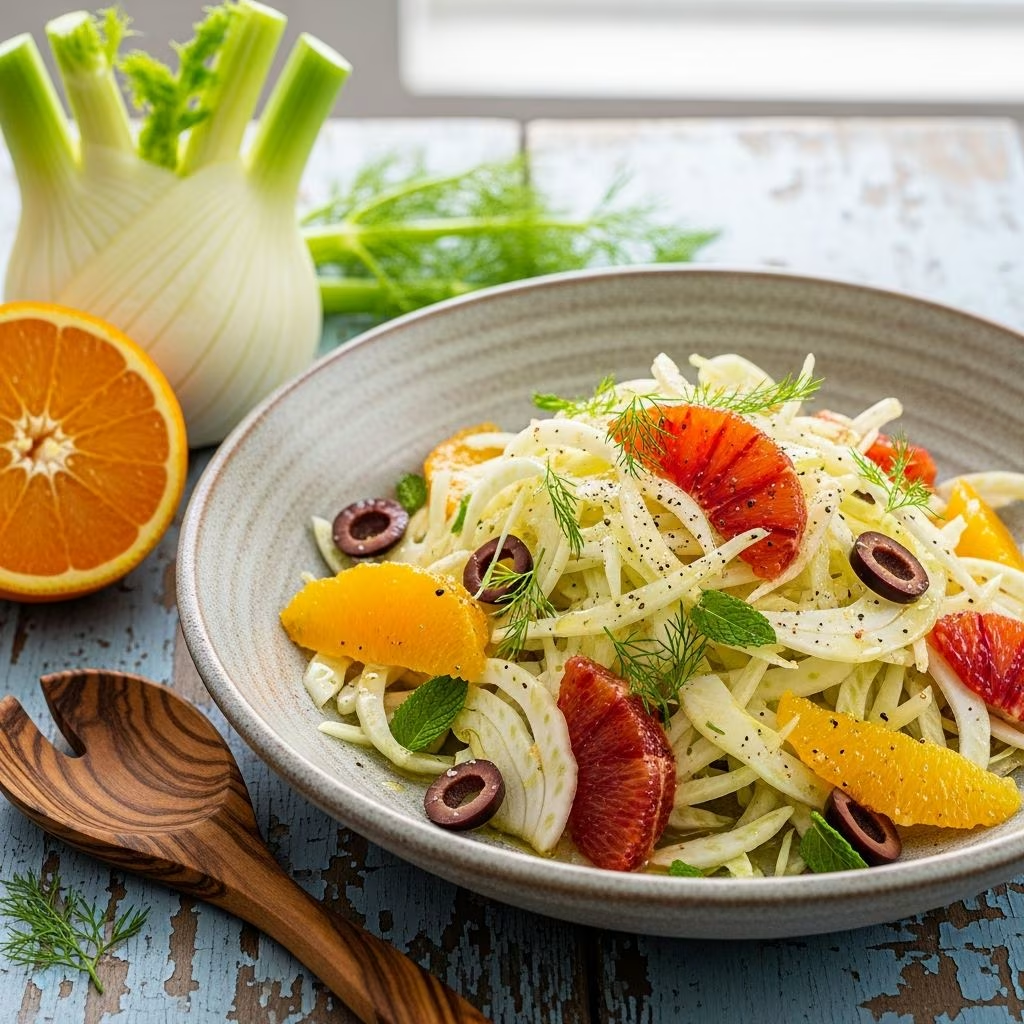
When the seasons change and fresh produce becomes abundant, light and refreshing salads take center stage at the dinner table. A salad combining fennel bulb with citrus fruit represents one of the most elegant yet straightforward ways to celebrate spring and early summer ingredients. The natural sweetness of oranges contrasts beautifully with the subtle anise flavor and crisp texture of fennel, creating a dish that feels both simple and sophisticated.
This particular combination has deep roots in Mediterranean cuisine, where both ingredients are celebrated staples. Fennel appears frequently in Italian, Greek, and Spanish cooking, while citrus fruits have long been prized across the entire Mediterranean region. When brought together on a plate with a bright dressing, these components transform into something that tastes far more complex than the ingredient list suggests.
Understanding the Star Ingredients
Before diving into preparation, it helps to understand what makes each component special in this salad.
Fennel: The Versatile Vegetable
Fennel is a bulbous vegetable with pale green or white layers that grow upward from a root base. When sliced thinly, fennel becomes delicate and slightly crisp, with a flavor profile that hints at anise or licorice without being overpowering. This mild, slightly sweet quality makes fennel an excellent companion for bright citrus flavors. Beyond the bulb itself, fennel plants produce feathery fronds that can be reserved as a garnish, adding both visual appeal and subtle flavor to the finished dish.
Selecting quality fennel begins at the market. Look for bulbs that feel firm and dense, without soft spots or browning. The fronds should appear fresh and green rather than withered or yellowed. A medium-sized bulb typically works best for most salad recipes, as larger bulbs can become more fibrous and difficult to slice thinly.
Oranges: Bringing Brightness and Sweetness
Oranges come in several varieties, each with subtle differences in flavor and juice content. Navel oranges, characterized by their large dimple on one end, offer sweetness with minimal tartness and contain few seeds, making them ideal for salads. Blood oranges bring a deeper, almost wine-like quality with their crimson flesh. Valencia oranges provide a good balance of sweetness and acidity. For this particular salad, any of these varieties work wonderfully; the choice largely depends on personal preference and seasonal availability.
The method of preparing oranges impacts the final dish significantly. Slicing oranges into thin rounds preserves juice and creates an attractive presentation. Alternatively, segmenting oranges by cutting between the membranes yields neat pieces that mix more easily into the salad. Some preparations include grapefruit alongside oranges for added complexity and a slight bitterness that balances the overall sweetness.
Building Blocks: Essential Components
The Salad Base
While fennel and oranges form the foundation, most versions of this salad incorporate leafy greens. Spring mix provides a convenient base that includes various tender lettuces, spinach, and sometimes herbs. Those seeking more assertiveness might opt for arugula, which contributes a peppery bite, or watercress, known for its peppery intensity and nutritional density. Some preparations use primarily baby spinach for its mild flavor and tender texture. The choice of greens should complement rather than compete with the fennel and citrus.
Aromatic Additions
Shallots appear in many versions of this salad, sliced paper-thin to provide a gentle onion flavor without overwhelming the palate. Their subtle sweetness bridges the gap between the crisp fennel and bright citrus. Some recipes incorporate red onion instead, offering a sharper bite and appealing color contrast. A few minutes of soaking sliced onions in ice water mellows their sharpness considerably.
Fresh herbs transform this salad depending on what is selected. Mint brings coolness and brightness, particularly when torn rather than chopped to avoid bruising. Basil adds herbaceous warmth. Parsley, especially the flat-leaf variety, contributes a fresh, clean taste without dominating other flavors. Thyme, when used, should be fresh rather than dried, providing earthy undertones.
Textural Elements
To add complexity and interest, many cooks incorporate nuts or seeds. Toasted walnuts contribute earthiness and crunch, while pistachios offer a subtle sweetness and striking green color. Pine nuts, traditional in Sicilian preparations, provide buttery richness. Some versions include kalamata olives for a briny element that adds depth to the composition.
Creating the Perfect Dressing
The dressing ties all components together, and this salad’s success depends significantly on getting it right. A Mediterranean-style vinaigrette works best here, emphasizing the quality of the olive oil and the brightness of citrus.
The Foundation
Extra virgin olive oil serves as the base, providing richness and depth. The proportion of oil to acid typically follows the classic three-to-one ratio, though personal preference matters. Fresh lemon juice or orange juice contributes acidity that brightens the entire composition. Some versions incorporate both, using orange juice for sweetness and lemon juice for tartness, creating a more complex flavor profile.
Flavor Enhancers
Minced garlic, added sparingly, provides savory depth without asserting itself too strongly. A small amount of honey balances acidity and adds subtle sweetness that harmonizes with the oranges. Salt and freshly ground black pepper should be adjusted to taste, as these seasons bring all flavors into focus.
Optional additions that appear in various recipes include fresh thyme leaves, dried oregano, sumac for a tangy note, or Aleppo pepper for gentle heat. Some preparations infuse the olive oil with warm spices like coriander and cumin seeds, creating a more complex vinaigrette that still allows the primary ingredients to shine.
Step-by-Step Preparation Guide
Preparing the Fennel
Begin by removing the stem and root end from the fennel bulb using a sharp knife. Carefully separate the individual layers, which can be sliced more easily than attempting to slice the whole bulb. Lay each layer flat on a cutting board and slice crosswise as thinly as possible, ideally using a mandoline for consistency. Reserve the green fronds that remain at the top of the plant for garnishing the finished salad.
Processing the Oranges
Cut off both ends of each orange, then carefully slice away the peel and white pith, following the curve of the fruit. Once the fruit is exposed, you can either slice it into thin rounds or cut between the membranes to release individual segments. If using the segmenting method, do this over a bowl to catch any juice, which can be reserved for the dressing. Remove any seeds that appear.
Assembling the Base
In a large bowl, combine chosen salad greens with any additional vegetables like sliced shallots or red onion. Add the sliced fennel and the prepared oranges. At this point, the salad can be gently tossed to distribute ingredients evenly.
Preparing and Adding the Dressing
In a small bowl or measuring jug, whisk together the olive oil, lemon or orange juice, minced garlic, any herbs or spices, and seasonings. Taste and adjust as needed before adding to the salad. Rather than dressing the entire quantity at once, start with a lighter coating and add more as desired, as this prevents the greens from becoming soggy.
Final Touches
Gently toss the dressed salad to coat all components evenly. Transfer to a serving bowl or individual plates. Scatter reserved fennel fronds over the top, along with any nuts, seeds, or additional garnishes chosen. Serve immediately, as the salad is best enjoyed fresh.
Timing and Make-Ahead Considerations
This salad comes together quickly, typically requiring no more than ten to fifteen minutes from start to finish. However, certain components can be prepared in advance. The dressing keeps well in a covered container for up to one day and should be re-whisked before using. Fennel can be sliced several hours ahead and stored in the refrigerator in an airtight container, though it is best sliced as close to serving time as possible to maintain crispness.
Citrus fruits should be prepared just before assembly to preserve their juice and prevent drying. Salad greens can be washed and dried an hour or two in advance but should not be dressed until just before serving to maintain their texture.
Variations and Adaptations
Seasonal Modifications
While this salad celebrates spring and early summer, it adapts well to different seasons. During winter months, blood oranges and grapefruits become more prominent in markets and bring beautiful color and complexity. Grapefruit’s slight bitterness balances particularly well with fennel’s sweetness. In late summer, when citrus becomes less abundant, certain recipes substitute other fruit like peaches or berries, though this significantly changes the character of the dish.
Dietary Adjustments
The base recipe is naturally vegetarian and easily accommodates vegan preferences by ensuring any honey in the dressing is vegan-certified or substituted with agave or maple syrup. Those seeking additional protein can introduce grilled chicken breast, seared salmon, or chickpeas. Some preparations serve this salad as a bed for grilled fish or poultry.
Flavor Profile Exploration
Different herb and spice choices create distinct flavor experiences. A Moroccan-inspired version might include cumin, coriander, and a pinch of cinnamon. A more traditional Italian approach emphasizes fresh basil and oregano. Those enjoying spice can introduce red pepper flakes or fresh chili to the vinaigrette.
Nutritional Benefits
This salad offers substantial nutritional value beyond its appealing taste. Fennel provides fiber, supporting digestive health, along with vitamin C and various beneficial compounds. Oranges deliver vitamin C in abundance, supporting immune function, along with folate and potassium. Extra virgin olive oil contributes heart-healthy monounsaturated fats and polyphenols with anti-inflammatory properties. Fresh herbs and leafy greens add micronutrients, fiber, and phytonutrients that support overall wellness.
Serving Suggestions
This salad works beautifully as an opening course, awakening the palate with its bright flavors before the main dish arrives. It serves equally well as a side dish alongside grilled proteins, contributing freshness to heavier mains. Some prefer to serve generous portions as a light lunch, particularly during warm months. The salad pairs particularly well with fish preparations, Mediterranean-inspired chicken dishes, or vegetarian grain bowls.
Storage and Longevity
This salad is best consumed immediately after preparation, as the greens soften and the flavors merge less appealingly over time. If preparing for a gathering, it is better to prepare components separately and assemble just before serving. Any dressed salad left over can be refrigerated in an airtight container for a few hours, though the texture will deteriorate and dressing will continue to soften the greens.
Frequently Asked Questions
Can I prepare this salad ahead of time?
The individual components can be prepared in advance, but the complete salad should be assembled shortly before serving. Prepare the dressing the day before if desired, keeping it covered in the refrigerator. Slice fennel a few hours ahead if necessary, storing it in a covered container. Prepare citrus right before assembly.
What if I cannot find fresh fennel?
While fresh fennel provides the ideal texture and flavor, frozen fennel can substitute in a pinch, though it will be softer. Alternatively, thinly sliced celery provides a similar crunch, though the flavor differs. Some cooks use a small amount of fennel seed in the dressing to capture the anise note when fresh fennel is unavailable.
Is there a way to make this salad heartier?
Absolutely. Add grilled chicken breast, seared shrimp, or baked salmon. Incorporate cooked grains like farro or quinoa. Include legumes such as white beans or chickpeas. These additions transform the salad into a complete meal rather than a side dish.
How should I store leftover dressing?
Keep vinaigrette in a covered glass jar or container in the refrigerator for up to five days. Before using, bring to room temperature and re-whisk thoroughly, as the oil and acid naturally separate.
Can I use bottled orange juice?
While fresh squeezed juice is preferable for maximum flavor, quality bottled juice without added sugars can work. Avoid juice from concentrate, which typically lacks the complexity of fresh juice.
References
- Fresh Fennel Orange Salad Recipe — The Mediterranean Dish. Accessed April 2026. https://www.themediterraneandish.com/fennel-orange-salad/
- Spring Green Salad with Orange-Fennel Vinaigrette — Love and Olive Oil. 2007. https://www.loveandoliveoil.com/2007/04/spring-green-salad-with-orange-fennel-vinaigrette.html
- Orange and Fennel Salad — Chef Shannon Smith. Accessed April 2026. https://chefshannon.com/recipes/orange-and-fennel-salad
- Fennel & Orange Salad with Citrus Vinaigrette — Peak to Plate. Accessed April 2026. https://peaktoplate.com/fennel-orange-salad/
- Fennel Orange Salad — Rainbow Plant Life. Accessed April 2026. https://rainbowplantlife.com/fennel-orange-salad/