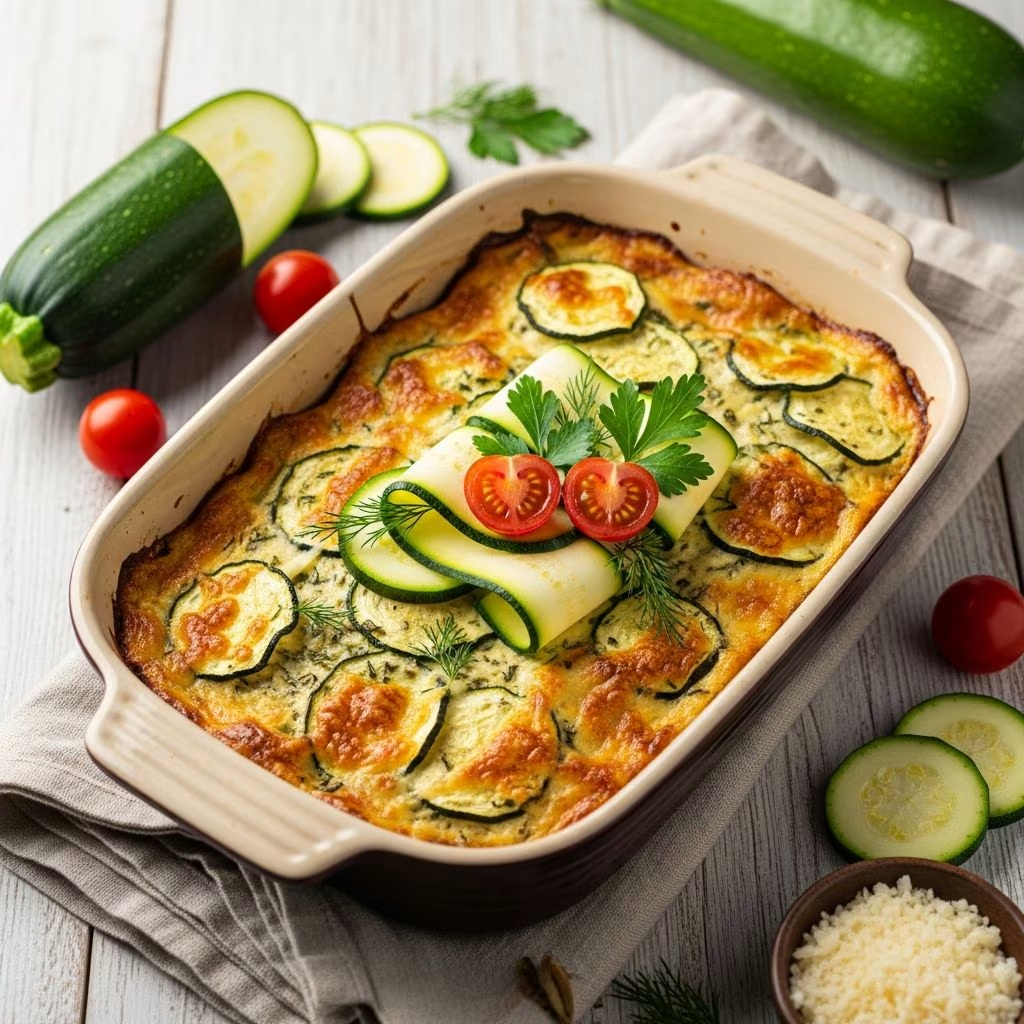
Zucchini casserole represents one of the most adaptable and satisfying vegetable dishes that can grace any dinner table. Whether you’re seeking a simple side dish to accompany grilled proteins or a more elaborate creation loaded with multiple ingredients, this casserole offers endless possibilities. The beauty of this dish lies in its ability to transform humble zucchini into something creamy, rich, and undeniably delicious through the magic of heat and carefully chosen ingredients.
Understanding the Foundation of Zucchini Casserole
At its core, a zucchini casserole begins with fresh, quality zucchini as the primary ingredient. The vegetable serves as a neutral canvas that readily absorbs and complements flavors from cheese, cream, and various seasonings. What sets zucchini apart from other vegetables in casserole preparations is its high water content, which requires thoughtful handling to prevent the final dish from becoming soggy or overly wet.
The typical composition of a zucchini casserole includes shredded or sliced zucchini combined with binding agents like eggs or cream cheese, topped with cheese for browning, and baked until the mixture sets and develops a golden appearance. Understanding these fundamental components allows home cooks to create variations that suit their dietary preferences and ingredient availability.
The Critical Moisture Management Process
Perhaps the most important technique in preparing zucchini casserole involves removing excess moisture from the shredded vegetable. Fresh zucchini contains substantial water content, and failing to extract this liquid results in a watery, unappetizing final product. The dehydration process begins by shredding the zucchini using either a box grater or food processor, then transferring it to a colander or fine-mesh strainer.
Next, sprinkle the shredded zucchini generously with salt and allow it to sit for approximately ten to fifteen minutes. This resting period enables the salt to draw moisture from the vegetable cells through osmosis. After the waiting period, gather the zucchini into a clean kitchen towel or cheesecloth and squeeze firmly, wringing out as much liquid as possible. This step proves absolutely essential—skipping it virtually guarantees a casserole with an undesirable watery consistency.
Classic Ingredient Combinations
Several ingredient combinations have proven successful for creating delicious zucchini casseroles. The simplest approaches require minimal components, making them ideal for busy weeknight meals. More elaborate versions incorporate additional vegetables, proteins, and various cheese selections for enhanced depth and complexity.
Minimalist Recipe Approach
For those seeking simplicity without sacrificing flavor, a two-ingredient base provides an excellent starting point. Combining shredded zucchini with shredded cheese creates a surprisingly satisfying casserole when baked until the cheese melts and slightly browns. This streamlined approach takes merely minutes to prepare and bakes for approximately thirty minutes at 350°F. Optional additions like minced garlic cloves and basic seasonings elevate the flavor profile without complicating the preparation process.
Creamy Dairy-Based Casseroles
Incorporating dairy products like cream cheese, sour cream, mayonnaise, or Greek yogurt creates richness and helps bind the ingredients together. These additions create a more substantial, custard-like texture that distinguishes the casserole from simpler cheese-only versions. A typical creamy casserole might include six cups of prepared zucchini combined with eggs, a dairy binding agent, multiple cheese varieties, and seasonings, baked until golden and set throughout.
Hearty Additions and Variations
Many recipes incorporate additional vegetables, proteins, and flavor builders to create more complex dishes. Diced onions sautéed in butter or olive oil add aromatic sweetness. Minced garlic provides pungent depth. Cooked Italian sausage or ground beef transforms the casserole into a more substantial main course rather than a simple side dish. Some versions include cooked rice to create additional texture and substance. Fresh herbs like basil, oregano, and parsley contribute brightness and Mediterranean character.
Step-by-Step Preparation Guide
Initial Preparation and Vegetable Processing
- Wash fresh zucchini under cool running water and pat completely dry with paper towels
- Trim the stem end from each zucchini before shredding
- Use a box grater with large holes or a food processor fitted with the shredding blade to process the vegetable
- Transfer shredded zucchini to a colander or fine-mesh strainer positioned over a bowl or sink
Moisture Extraction Process
- Sprinkle one and one-half teaspoons of salt over the shredded zucchini, distributing it evenly
- Allow the mixture to rest undisturbed for ten to fifteen minutes while salt draws out moisture
- Gather a clean kitchen towel and create a bundle by placing the salted zucchini in the center
- Draw the towel edges upward and twist firmly, squeezing out accumulated liquid over the sink
- Continue twisting and squeezing until no additional liquid drips from the towel
Ingredient Combination and Assembly
- Preheat your oven to the specified temperature, typically between 350°F and 375°F depending on the recipe variation
- In a large mixing bowl, combine squeezed zucchini with other prepared ingredients like sautéed onions and garlic
- In a separate bowl, whisk together binding ingredients such as eggs, dairy products, and seasonings
- Fold the egg mixture into the zucchini combination until evenly distributed
- Stir in shredded cheese varieties, reserving some for the topping if desired
- Transfer the mixture to a prepared baking dish, smoothing the top with a spatula
Baking and Finishing
- Bake uncovered for the initial baking period, typically twenty-five to thirty minutes
- The casserole is ready when the edges appear set and the top begins to brown lightly
- If adding a topping like breadcrumb mixture or additional cheese, sprinkle it evenly over the partially cooked casserole
- Return to the oven for an additional five to fifteen minutes until the topping browns
- For extra browning, you may broil the casserole for one to two minutes at high heat if desired
- Remove from the oven and allow the casserole to rest for five minutes before serving, which helps the structure set properly
Equipment Essentials and Baking Dishes
Successful zucchini casserole preparation depends on using appropriate equipment. A standard eight-by-eight-inch baking dish works well for simpler, four-to-six-serving recipes. Larger nine-by-thirteen-inch dishes accommodate recipes with more ingredients or serve more people. Glass and ceramic dishes conduct and distribute heat evenly, promoting consistent cooking. Metal pans can cause hot spots and uneven browning.
Beyond baking dishes, a box grater or food processor facilitates proper zucchini shredding. A fine-mesh strainer allows gravity to assist in water removal. Kitchen towels and cheesecloth prove invaluable for the final moisture extraction step. Mixing bowls in various sizes help organize ingredients and prevent cross-contamination.
Cheese Selection and Its Impact
Cheese plays a crucial role in determining the final flavor and texture of zucchini casserole. Parmesan cheese contributes a sharp, salty character and helps develop browning. Cheddar varieties provide a more assertive, slightly sharp flavor. Mozzarella creates creaminess and assists with melting. Many recipes benefit from combining multiple cheese types to layer flavors and create complexity.
When selecting cheese, purchasing blocks and shredding them at home yields superior results compared to pre-shredded varieties, which often contain anti-caking agents that inhibit smooth melting. Reduced-fat options work in many recipes without significantly compromising flavor, making them suitable for those monitoring fat intake.
Serving Suggestions and Pairing Strategies
Zucchini casserole serves multiple roles within a meal structure. As a side dish, it pairs beautifully with grilled chicken, roasted beef, or pan-seared fish. The vegetable’s mild flavor complements rather than competes with proteins, allowing each component to shine. The casserole also transitions effectively into main-course territory when incorporating proteins like Italian sausage or ground beef.
Temperature flexibility represents another advantage of this dish. Zucchini casserole tastes equally delicious served hot immediately from the oven, at room temperature during warm months, or even chilled the following day. This versatility makes it ideal for potlucks, picnics, and meal-planning situations where advance preparation proves convenient.
Storage and Make-Ahead Strategies
Zucchini casserole stores exceptionally well, making it an excellent candidate for advance preparation. After cooling completely, covered casserole dishes keep refrigerated for three to four days without quality deterioration. For longer storage, portion the cooled casserole into freezer-safe containers where it maintains quality for up to three months.
Reheating thawed or refrigerated casserole is straightforward. Simply cover the dish with foil and warm in a 350°F oven until heated through, typically fifteen to twenty minutes depending on portion size. Alternatively, individual portions reheat quickly in the microwave, though this method may slightly affect texture compared to oven reheating.
Frequently Asked Questions
Why does my zucchini casserole turn out watery?
Inadequate moisture removal during preparation is the primary culprit. Ensure you allow the salted zucchini adequate resting time and squeeze thoroughly using a kitchen towel. Some recipes incorporate binding agents like baking powder or additional eggs to help set the casserole if moisture concerns persist.
Can I prepare zucchini casserole ahead of time?
Absolutely. Assemble the casserole completely and refrigerate up to twelve hours before baking. You may need to add five to ten minutes to the baking time since the mixture starts cold. Alternatively, bake completely and reheat as needed.
What are suitable substitutes for specific ingredients?
Cheese varieties remain somewhat interchangeable—experiment with your preferred types. Cream cheese can replace sour cream or Greek yogurt in many recipes. For dietary restrictions, exploring egg-free binders or dairy alternatives offers possibilities, though results may vary.
How many servings does a standard casserole yield?
An eight-by-eight-inch casserole typically provides three to four generous servings, while a nine-by-thirteen-inch dish yields six to eight servings depending on portion size and accompanying dishes.
References
- Shredded Zucchini Casserole — Low Carb Yum. Accessed April 2026. https://lowcarbyum.com/shredded-zucchini-casserole/
- Easy Cheesy Zucchini Casserole — Simple Nourished Living. Accessed April 2026. https://simple-nourished-living.com/skinny-easy-cheesy-shredded-zucchini-casserole/
- Zucchini Casserole — The Cozy Cook. Accessed April 2026. https://thecozycook.com/zucchini-casserole/
- Parmesan Zucchini Casserole Recipe — Marie Bostwick. Accessed April 2026. https://mariebostwick.com/parmesan-zucchini-casserole-recipe/
- Cheesy Zucchini Casserole — Just a Taste. Accessed April 2026. https://www.justataste.com/cheesy-zucchini-casserole-recipe/