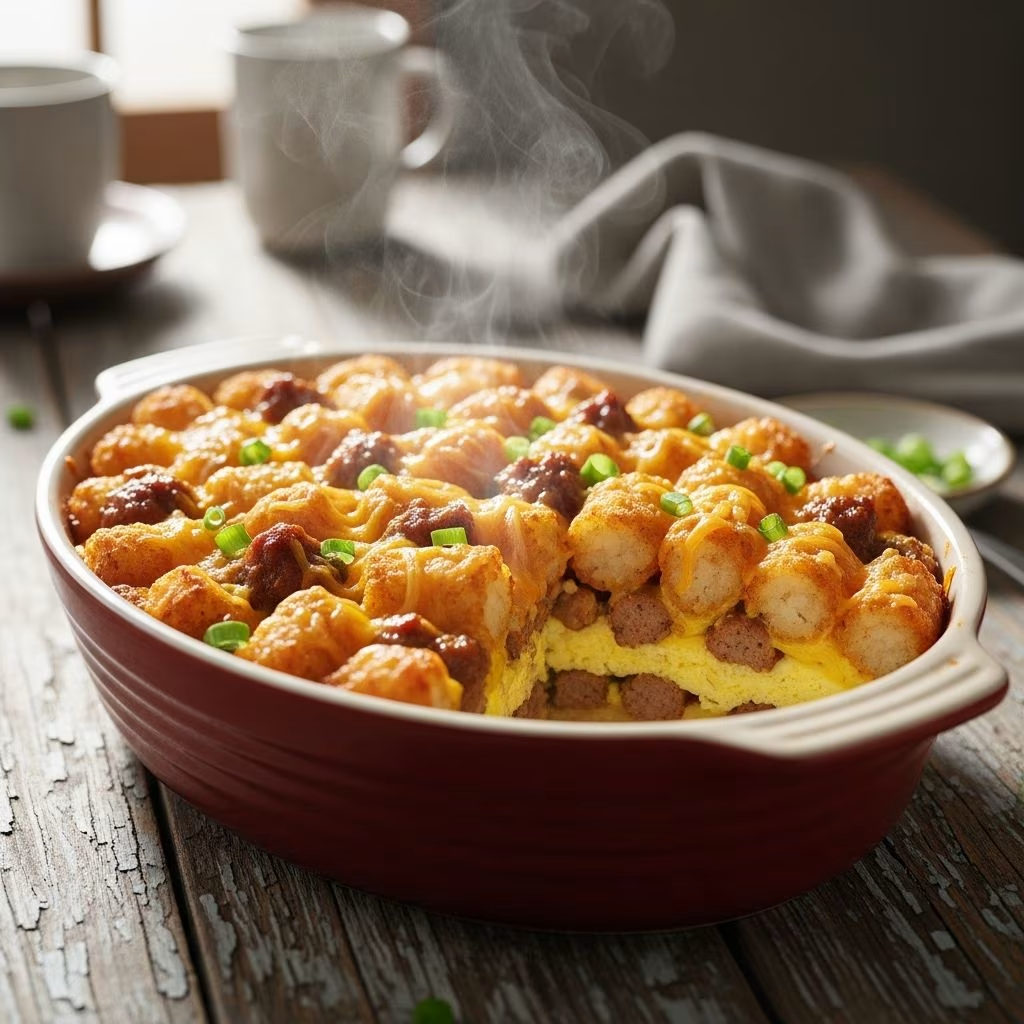
A tater tot breakfast casserole represents one of the most versatile and approachable dishes for feeding a crowd while keeping preparation time minimal. This one-dish wonder combines crispy golden potatoes with savory proteins and creamy egg custard, creating layers of complementary textures and flavors. Whether you’re planning a weekend brunch, preparing breakfast for overnight guests, or seeking a make-ahead solution for busy mornings, this casserole delivers consistent results with minimal supervision.
Understanding the Foundation of Your Casserole
The beauty of a tater tot breakfast casserole lies in its structural simplicity. The dish builds upon three fundamental components that work in harmony: a base layer of frozen potato products, a seasoned protein middle, and an egg and dairy custard that binds everything together. Understanding how each element contributes to the final dish helps you make informed choices about ingredients and cooking methods.
Frozen tater tots serve as the structural foundation, providing both texture contrast and substance to your casserole. These pre-formed potato cylinders crisp up beautifully during baking, creating a textured exterior while maintaining a slightly softer interior. The gaps between individual tots allow the egg mixture to seep downward, creating pockets of creamy custard throughout the dish.
Selecting Your Protein Components
Breakfast sausage remains the traditional protein choice, offering a savory, seasoned meat that complements the mild potato base. When selecting sausage, you have flexibility between bulk breakfast sausage varieties—both regular and hot versions work well depending on your spice preference. Brown and crumble your sausage thoroughly before adding it to the casserole, ensuring even distribution throughout the dish.
However, protein flexibility distinguishes this casserole from more restrictive recipes. Diced ham provides a sweeter, smokier profile that appeals to those preferring milder flavors. Crispy bacon, whether diced or crumbled, introduces a textural element and concentrated pork flavor. For vegetarian variations, sautéed mushrooms, caramelized onions, or seasoned chickpeas create satisfying alternatives that maintain the dish’s heartiness.
The Cheese Component: Building Flavor Layers
Cheese plays a dual role in breakfast casseroles—both as a flavor enhancer and as a structural component that helps bind ingredients together. Cheddar cheese, whether mild or sharp, remains the most commonly selected variety for its melting properties and robust flavor. Mexican blend cheese offers a convenient pre-mixed option combining cheddar with other complementary varieties.
Mixing cheese varieties creates additional complexity and depth. Combining sharp cheddar with milder varieties, or adding mozzarella for increased stretchiness, produces a more interesting final texture. Reserve a portion of your cheese to sprinkle over the top before baking, as this creates an appealing golden crust and ensures the uppermost layers include concentrated cheese flavor.
Mastering the Egg Custard Base
The egg mixture transforms your assembled ingredients into a cohesive dish rather than separate components. A standard ratio uses approximately one egg per two ounces of other ingredients, combined with milk or cream to create a pourable consistency. The custard should feel rich but still flow easily when poured over your assembled casserole components.
Whisking eggs thoroughly before adding dairy ensures even distribution and prevents coagulated whites from appearing in your final dish. After combining eggs with liquid, incorporate salt, pepper, and aromatic seasonings. Garlic powder and onion powder penetrate more evenly throughout the casserole than fresh versions, though both work acceptably.
Step-by-Step Assembly Process
Successful assembly requires methodical layering that ensures every bite contains proper proportions of each component. Begin by preheating your oven to the appropriate temperature—most recipes call for 350 to 375 degrees Fahrenheit, with 350 degrees providing slightly gentler heat that reduces the risk of burning edges before centers fully cook.
Prepare your baking vessel by coating it thoroughly with non-stick spray or butter. A standard 9-by-13-inch casserole dish accommodates most recipes without crowding. Layer your frozen tater tots first, arranging them in a single, even layer that covers the bottom without overlapping. Overlapping tots prevent the egg mixture from reaching lower layers and creates uneven cooking.
Distribute your prepared protein evenly over the tater tots, followed by the cheese (reserving approximately one-half cup for the top). Pour your whisked egg mixture carefully over everything, ensuring it flows into gaps and coats all visible surfaces. The egg will settle and surround your other ingredients, binding them together as it cooks.
Baking Techniques and Temperature Control
Baking times typically range from 55 to 60 minutes, though actual duration depends on your oven’s characteristics and whether you cover the dish initially. Some cooks cover their casserole with aluminum foil for the first portion of baking time, removing it partway through to allow the top to brown. This technique prevents edges from burning while the center remains underdone.
Doneness indicators include a set, slightly jiggling custard center and golden-brown tater tots on top. Insert a knife into the center—it should emerge clean or nearly clean, with no liquid egg clinging to the blade. Slightly underdone custard continues cooking from residual heat after removal from the oven, so slight jiggling isn’t necessarily a sign of underdone eggs.
Preparation Strategies and Timing
This casserole’s make-ahead capability distinguishes it as an ideal choice for busy households. Assemble the entire dish the evening before baking, cover with plastic wrap, and refrigerate overnight. Adding 10 to 15 extra minutes to your baking time accounts for the increased starting temperature. Remove your casserole from the refrigerator 15 minutes before baking for more even cooking.
Alternatively, prepare components individually in advance—cook your protein, grate your cheese, and whisk your egg mixture separately. Store each component in the refrigerator for up to three days, then assemble and bake when you’re ready to serve. This approach offers maximum flexibility for busy weeks.
Nutritional Considerations and Customization
A typical serving provides substantial protein from eggs, meat, and cheese, plus carbohydrates from both tater tots and the overall casserole structure. Adding vegetables increases nutritional density without significantly altering the cooking process or final texture. Sautéed bell peppers, onions, spinach, or diced tomatoes integrate seamlessly into the existing framework.
For reduced-fat versions, substitute whole milk with skim varieties and use reduced-fat cheese. The casserole will bake successfully with these modifications, though the final texture may be slightly less rich. Some cooks prefer using heavy cream for an ultra-indulgent version that produces denser, creamier custard.
Serving Suggestions and Accompaniments
While the casserole stands independently as a complete breakfast, strategic accompaniments enhance the meal. Fresh fruit salads provide textural contrast and acidic brightness that cuts through the dish’s richness. Toasted bread on the side offers an additional vehicle for soaking up flavorful custard and cheese.
Popular toppings include sour cream, fresh salsa, diced avocado, and fresh herbs like cilantro or chives. These additions let individual diners customize their portions according to preference. Serve your casserole warm but not piping hot—allowing a five-minute rest after removal from the oven prevents burning mouths and allows the custard to fully set.
Storage and Reheating Guidelines
Properly stored casserole keeps for three to four days in the refrigerator, making it ideal for planned leftovers. Cool the dish completely before covering and refrigerating. Reheat individual portions in a microwave or entire casserole in a 325-degree oven until warmed throughout—usually 10 to 15 minutes depending on portion size.
Freezing is possible, though the custard texture changes slightly upon thawing. Freeze cooled, uncut casserole in an airtight container for up to two months. Thaw overnight in the refrigerator before reheating. Individual portions also freeze successfully in freezer-safe containers for grab-and-go breakfasts.
Frequently Asked Questions
Can I prepare this casserole in a smaller baking dish?
Yes, smaller dishes work acceptably but require adjusted baking times. A 9-by-9-inch dish will bake faster than a 9-by-13-inch one, reducing cooking time by 10 to 15 minutes. Monitor doneness closely to prevent overcooking in smaller vessels where the egg mixture reaches the center more quickly.
What vegetables work best in this casserole?
Diced bell peppers, sautéed mushrooms, onions, spinach, and tomatoes all integrate well without compromising texture. Avoid watery vegetables like zucchini unless you sauté them first to remove excess moisture. Add vegetables to your egg mixture rather than layering them separately for more even distribution.
Can I use fresh potatoes instead of frozen tater tots?
Shredded fresh potatoes require pre-cooking and moisture removal before use. Frozen tater tots offer convenience and consistent results. If using fresh potatoes, parboil and drain thoroughly, then spread in a single layer on baking sheets to remove additional moisture.
How do I prevent the edges from burning?
Covering your casserole with aluminum foil for the first 40 minutes of baking protects edges from excessive browning. Remove foil for the final 15 to 20 minutes to allow tops to crisp and brown. Alternatively, reduce oven temperature to 350 degrees for slightly gentler, more gradual cooking.
Can this casserole work for dinner?
Absolutely. Many cooks serve this dish for dinner, particularly when paired with vegetables and salads for a complete meal. The recipe remains unchanged; only the timing and context shift based on your meal planning needs.
References
- Basic Food Safety Guidelines for Egg Cookery — United States Department of Agriculture Food Safety and Inspection Service. 2023. https://www.fsis.usda.gov/food-safety/safe-food-handling-and-preparation/eggs
- Safe Minimum Internal Temperature Chart — Centers for Disease Control and Prevention. 2024. https://www.cdc.gov/foodsafety/communication/index.html
- Cheese Melting and Cooking Properties — Institute of Food Technologists. 2022. https://www.ift.org