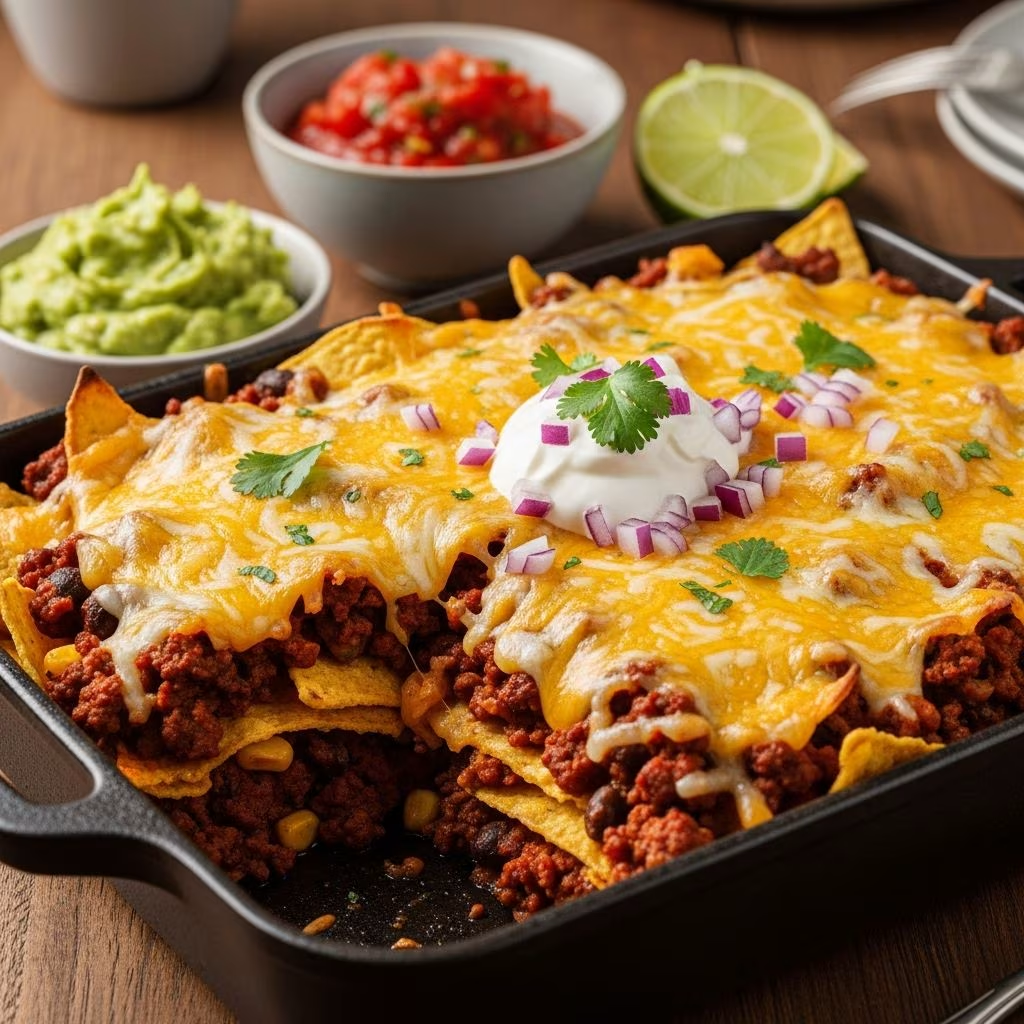
A taco casserole represents one of the most versatile and approachable dishes in contemporary home cooking. This baked composition combines the beloved flavors of tacos with the convenience of casserole preparation, resulting in a meal that satisfies both family preferences and weeknight time constraints. The dish consists of seasoned ground beef layered with complementary ingredients and baked until the cheese achieves that perfect golden, melted finish. Whether you’re preparing dinner for a family of four or hosting a casual gathering, understanding the fundamentals of taco casserole construction enables you to customize the dish according to your specific tastes and dietary preferences.
Understanding the Foundation: Core Components of Taco Casserole
The architecture of a successful taco casserole relies on several foundational elements working in harmony. Each component contributes distinct flavors and textures that collectively create a satisfying dining experience. The base typically features either tortilla chips, crushed tortillas, or a cornbread mixture, which provides structural integrity and absorbs the savory juices from the layers above. The protein component consists of seasoned ground beef that has been browned and combined with aromatic vegetables, creating a flavorful foundation for the entire dish.
Above the base layer, beans and vegetables add nutritional value, substance, and additional flavor dimensions. The crowning element—melted cheese—binds everything together while providing richness and visual appeal. Fresh toppings added after baking offer brightness and textural contrast. This layering principle ensures that every forkful contains a balanced combination of all the dish’s components.
Preparing the Protein Foundation
Beginning with the ground beef preparation sets the tone for the entire dish’s flavor profile. You’ll need approximately one and a half pounds of lean ground beef, which provides sufficient protein while limiting excess fat that could result in a greasy final product. The cooking process begins with heating a tablespoon of olive oil in a large skillet over medium-high heat. Once the oil achieves the proper temperature, add the diced onion and ground beef simultaneously, breaking up the meat into small, uniform pieces with a wooden spoon or spatula.
The beef should cook for approximately five minutes, during which time it will lose its pink color and the onions will begin to soften. At this stage, incorporate one fifteen-ounce can of diced tomatoes along with their liquid, stirring thoroughly to distribute the tomatoes evenly throughout the meat mixture. The moisture from the canned tomatoes contributes flavor and helps create a sauce that permeates the casserole.
Next, add three-quarters cup of prepared taco seasoning, stirring well to ensure even distribution. Reduce the heat to medium and allow the mixture to simmer gently for approximately seven minutes. During this simmering period, monitor the consistency; the mixture should thicken as the excess liquid evaporates. This reduction concentrates the flavors and prevents the final casserole from becoming watery. Once the mixture reaches the desired consistency, remove the skillet from heat and set aside.
Assembling Layers for Optimal Flavor Distribution
Layer construction requires precision and intentionality to ensure that each element contributes meaningfully to the final dish. Begin by preheating your oven to three hundred fifty degrees Fahrenheit and preparing a nine-by-thirteen-inch baking dish with a light coating of non-stick spray or olive oil.
The first layer consists of two cups of tortilla chips, slightly crushed to reduce them to approximately half their original size. Crushing the chips creates a more cohesive base while still maintaining some structural integrity. Arrange these chips in an even layer covering the entire bottom of the prepared baking dish. This layer serves multiple purposes: it provides a textural element distinct from the softer ingredients, absorbs the flavorful juices from above, and creates a barrier between the wet ingredients and the baking dish.
Over this chip foundation, distribute two cups of prepared or canned refried beans in an even layer. The beans contribute protein, fiber, and a creamy texture that contrasts pleasantly with the crispy chips below. If your refried beans are particularly thick, you can thin them slightly with a tablespoon or two of water to facilitate spreading.
Following the beans, distribute the reserved ground beef mixture evenly across the casserole. Take care to spread it uniformly to ensure every section receives adequate seasoning and moisture. Finally, top the beef layer with approximately two cups of shredded cheese—a combination of Monterey Jack and sharp cheddar works particularly well, though you may substitute your preferred cheese variety.
Baking Process and Timing Considerations
Once your casserole is fully assembled and topped with cheese, transfer it to the preheated oven. The baking process requires approximately twenty to twenty-five minutes, during which time the cheese will melt completely and the beans will heat through to a consistent temperature throughout. The visible indicator of completion occurs when the cheese develops a light golden-brown color on the surface and the edges of the casserole begin to bubble slightly.
While the casserole bakes, resist the temptation to open the oven repeatedly, as this disrupts the internal temperature and extends cooking time. After removal from the oven, allow the casserole to rest for five to ten minutes before serving. This resting period permits the cheese to set slightly and makes portioning easier without the toppings sliding off the serving pieces.
Creative Variations and Ingredient Modifications
The beauty of casserole cooking lies in its flexibility and adaptability to personal preferences and available ingredients. Consider these variations:
- Protein alternatives: Ground turkey or chicken provides a leaner option compared to beef, reducing the overall fat content while maintaining satisfying protein levels.
- Bean variations: Black beans offer a slightly different flavor profile than refried beans and provide visual variety. Pinto beans or a combination of both beans creates additional complexity.
- Vegetable additions: Incorporate diced bell peppers, fresh corn kernels, or sliced jalapeños to add nutritional value and diverse flavors.
- Cheese combinations: Experiment with pepper jack for heat, Mexican blend for authentic flavor, or a combination of cheeses for depth.
- Base layer options: Substitute flour tortillas for tortilla chips to create a more traditional enchilada-style casserole, or use a prepared cornbread mixture for a distinctive fusion approach.
- Sauce variations: Replace or supplement the canned tomatoes with salsa, pico de gallo, or a prepared red enchilada sauce.
Toppings That Elevate Your Casserole
The toppings applied after baking transform your casserole from a satisfying main dish into an exceptional culinary experience. Fresh additions provide textural contrast and bright flavors that complement the rich, baked components below.
| Topping Category | Specific Options | Flavor Profile |
|---|---|---|
| Fresh Vegetables | Diced tomatoes, sliced red onions, chopped cilantro | Bright, crisp, herbaceous |
| Creamy Elements | Sour cream, Mexican crema, guacamole | Cool, smooth, rich |
| Spicy Components | Diced jalapeños, hot sauce, sriracha | Peppery, intense, complex |
| Textural Additions | Extra tortilla chips, crispy bacon bits | Crunchy contrast |
| Finishing Herbs | Fresh cilantro, sliced green onions, lime wedges | Aromatic, zesty, vibrant |
Storage, Reheating, and Make-Ahead Strategies
Taco casserole demonstrates exceptional qualities for meal preparation and storage. Leftover casserole maintains its quality when refrigerated in an airtight container for up to five days. The flavors often intensify after sitting overnight, making day-two servings particularly satisfying.
For freezing, allow the baked casserole to cool completely, then transfer it to a freezer-safe container or wrap it tightly in aluminum foil. Properly frozen casserole maintains excellent quality for up to two months. When you’re ready to reheat, thaw the casserole overnight in the refrigerator, then bake it covered in a three-hundred-degree-Fahrenheit oven for approximately twenty-five minutes until heated through completely.
You can also prepare the casserole up to the point of baking, cover it tightly, and refrigerate it for up to twenty-four hours before baking. This advance preparation allows you to have a home-cooked meal ready with minimal effort on busy weeknights. Simply add approximately ten to fifteen minutes to the baking time if baking directly from the refrigerator.
Nutritional Considerations and Dietary Adaptations
A standard serving of taco casserole contains approximately four hundred to five hundred calories, depending on the specific ingredients and proportions used. The dish provides substantial protein from the ground beef, beans, and cheese, making it satisfying and suitable for various dietary approaches.
For lower-fat versions, substitute ground turkey or chicken for beef and use reduced-fat cheese varieties. To reduce the carbohydrate content, replace the tortilla chip base with additional vegetables or a thin layer of cauliflower rice. Those following gluten-free diets should verify that their tortilla chips and taco seasoning are certified gluten-free, as some commercial products contain hidden gluten sources.
Frequently Asked Questions About Taco Casserole
Can I prepare this casserole without refried beans?
Yes, refried beans can be replaced with black beans, pinto beans, or eliminated entirely if desired. If omitting beans, increase the ground beef portion slightly to maintain adequate filling. Some cooks substitute a layer of corn for additional vegetables.
What’s the best way to prevent a watery casserole?
Properly browning and draining the ground beef before adding canned tomatoes helps minimize excess moisture. Simmering the meat mixture until it thickens ensures liquid reduction. Additionally, allowing the baked casserole to rest for five to ten minutes after removal from the oven permits residual moisture to redistribute.
Can I substitute the tortilla chips with something else?
Absolutely. Flour or corn tortillas provide a more traditional base, while crushed cornbread offers a completely different flavor dimension. Some cooks layer the bottom with a prepared polenta or even cauliflower rice for lower-carbohydrate versions.
How many people does this casserole serve?
A standard nine-by-thirteen-inch casserole yields six to eight generous servings, depending on portion size and accompanying sides. Smaller square baking dishes yield four to six servings.
Is this dish suitable for freezing?
Yes, taco casserole freezes exceptionally well for up to two months. Both assembled unbaked casseroles and fully baked versions freeze successfully. Thaw overnight in the refrigerator before reheating.
Conclusion: Creating Your Perfect Taco Casserole
The taco casserole represents an accessible yet customizable dish that welcomes experimentation and personal interpretation. By understanding the foundational components—seasoned protein, layers of supporting ingredients, and melted cheese—you gain the flexibility to create versions that align precisely with your taste preferences and available ingredients. Whether you maintain traditional preparations or venture into creative variations, the basic technique remains consistent and reliable. This dish exemplifies how straightforward cooking principles, when executed with attention and care, produce satisfying meals that nourish both body and spirit. Your next taco casserole awaits your personal touch and creative flourishes.
References
- Easy Ground Beef Taco Casserole — Preppy Kitchen. Accessed April 2026. https://preppykitchen.com/taco-casserole/
- Taco Casserole — Get Inspired Everyday. Accessed April 2026. https://getinspiredeveryday.com/food/taco-casserole/
- Easy Taco Bake Casserole — Fresh April Flours. Accessed April 2026. https://freshaprilflours.com/baked-taco-casserole/
- Easy Layered Taco Bake — The Country Cook. Accessed April 2026. https://www.thecountrycook.net/taco-bake/
- Taco Casserole — Cookies & Cups. Accessed April 2026. https://cookiesandcups.com/taco-casserole/