The humble rice cooker has evolved far beyond its original purpose of simply preparing grains. Modern home cooks are discovering that this versatile kitchen appliance can become the foundation for complete, satisfying dinners that require minimal cleanup and active cooking time. One particularly effective approach involves combining protein, vegetables, and seasonings directly in the rice cooker to create a cohesive dish that comes together with hands-off cooking. This method represents a significant departure from traditional stovetop techniques, offering convenience without sacrificing flavor or nutritional value.
Why Rice Cookers Excel at One-Pot Cooking
Rice cookers maintain consistent, controlled temperatures throughout the cooking process, which makes them ideal for developing complex flavors through the gentle combination of ingredients. Unlike stovetop cooking, where you must actively monitor heat levels and manually adjust temperatures, rice cookers deliver predictable results by cycling through heating phases automatically. The enclosed environment traps steam effectively, allowing vegetables to soften while proteins cook through evenly. Additionally, the non-stick interior surfaces of most rice cookers reduce the likelihood of sticking or burning that can occur in traditional cookware.
The equipment-to-effort ratio also shifts dramatically in your favor. By consolidating your entire meal into a single appliance, you eliminate the need for multiple pots, pans, and serving dishes. This streamlined approach appeals particularly to busy professionals, parents managing competing meal preparation demands, and anyone seeking to minimize post-meal cleanup responsibilities.
Building Your Foundation: Essential Ingredients
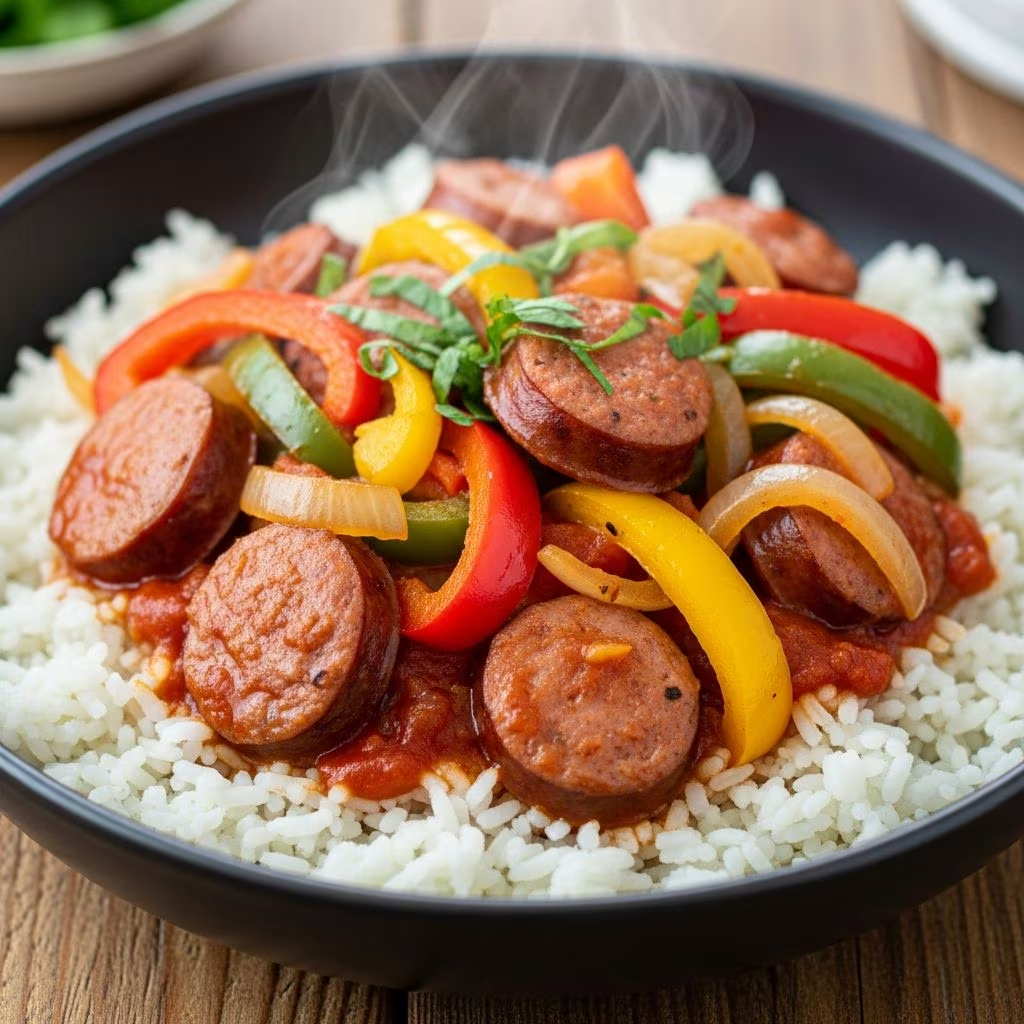
Creating a successful rice cooker sausage and pepper dish begins with understanding the role each component plays in the final result. The ingredient selection process isn’t simply about gathering items; it’s about understanding how they interact within the confined environment of your rice cooker.
Selecting the Right Sausage Variety
Sausage serves as the primary protein anchor in this dish, and your choice dramatically influences the finished flavor profile. Smoked sausage varieties contribute a pronounced, distinctive character that permeates the surrounding rice and vegetables. Kielbasa offers a slightly different textural experience with its firmer exterior and aromatic qualities. Andouille sausage, with its Cajun heritage and spiced complexity, introduces regional flair to an otherwise straightforward preparation. Ground Italian sausage provides a more delicate, herb-forward foundation that allows other flavors to emerge more prominently. The fat content inherent in sausage products means you’ll have adequate moisture for cooking rice without additional liquid additions.
Vegetable Selection and Preparation
Bell peppers form the textural and visual backbone of this preparation, with different colors offering subtle flavor variations. Red bell peppers deliver sweeter notes compared to their green counterparts, which carry more vegetal, slightly bitter characteristics. Yellow and orange peppers provide middle-ground flavor profiles with gentle sweetness. Onions contribute essential aromatics and subtle sweetness that develop during the cooking process. Garlic amplifies savory depth and adds complexity to the overall dish. The vegetable-to-rice ratio significantly impacts the final texture; too many vegetables create a stew-like consistency, while conservative vegetable portions maintain a more traditional rice dish character.
Liquid and Grain Decisions
Chicken broth serves as the primary cooking liquid, with the added benefit of infusing rice with subtle poultry flavors. Vegetable broth offers a compatible alternative for those following specific dietary patterns. The liquid-to-rice ratio remains critical; standard recommendations suggest approximately 1.5 to 2 cups of liquid per cup of uncooked rice, though precise measurements vary based on your specific rice cooker model and desired final consistency. Canned diced tomatoes contribute acidity that brightens the overall flavor composition while adding moisture to the cooking environment.
Step-by-Step Preparation Process
Initial Sausage Treatment
Begin by slicing your sausage into appropriate portions—approximately ¼-inch thickness works well for even cooking. If using ground sausage, break it into small, uniform pieces. Many recipes suggest pre-cooking sausage in a separate skillet to develop a flavorful crust before adding it to the rice cooker. This optional preliminary step yields more pronounced flavors but requires additional cookware and timing management. Alternatively, raw sausage pieces can be added directly to the rice cooker, though they’ll require extended cooking time to ensure food safety.
Vegetable Preparation and Arrangement
Dice bell peppers and onions into uniform, bite-sized pieces that will soften appropriately during the cooking cycle. Minced garlic should be finely processed to distribute its flavor evenly throughout the dish. Layer these vegetables strategically in your rice cooker to promote even cooking—place firmer vegetables like onions toward the bottom where they’ll experience slightly more direct heat, and distribute softer garlic more evenly throughout the mixture. This layering strategy, while not absolutely essential, optimizes texture development across your finished dish.
Liquid and Seasoning Integration
Pour your chosen broth into the rice cooker, followed by the measured dry rice. Add canned tomatoes with their included juices, stirring to combine all components thoroughly. Introduce seasonings at this stage—salt, black pepper, garlic powder, paprika, and optional cayenne pepper all dissolve effectively in the liquid and distribute throughout the cooking medium. Some recipes suggest adding a tablespoon of olive oil to enhance mouthfeel and promote better rice texture development.
The Cooking Cycle
Close the rice cooker lid and select the standard cooking setting. Most models complete the cooking process within 20 to 40 minutes, depending on rice type and quantity. Rice cookers automatically transition from active heating to a warm-holding phase once they detect that excess moisture has been absorbed. Resist the temptation to open the lid during cooking, as this disrupts steam circulation and can result in unevenly cooked rice. Upon completion, allow the mixture to rest for 5 to 10 minutes in the warm-holding phase before opening the lid to serve.
Rice Variety Considerations and Timing Adjustments
| Rice Type | Typical Cooking Time | Flavor Profile | Texture Characteristics |
|---|---|---|---|
| White Jasmine | 15-20 minutes | Delicate, slightly floral | Tender, individual grains |
| Long-Grain White | 18-25 minutes | Neutral, clean | Fluffy, separated grains |
| Brown Rice | 35-45 minutes | Nutty, earthy | Chewy, substantial bite |
| Wild Rice Blend | 40-50 minutes | Robust, complex | Firm, varied texture |
Flavor Enhancement Strategies
Spice Level Customization
The beauty of this preparation lies in its adaptability to personal heat preferences. Cayenne pepper introduces gentle warmth when added in quarter-teaspoon increments, while paprika contributes smoky depth without significant heat. Those seeking more assertive spiciness can incorporate red pepper flakes, hot sauce, or jalapeño pieces directly into the rice cooker. Conversely, sensitive palates can omit all heat-generating ingredients and rely on the natural flavors of sausage, vegetables, and broth for satisfaction.
Aromatic Layering
Beyond standard garlic, consider incorporating dried oregano, thyme, or Italian seasoning into the cooking liquid. These dried herbs release their essential oils gradually as they rehydrate, infusing the entire dish with subtle complexity. Fresh herb garnishes applied after cooking—such as chopped parsley or basil—provide bright flavor contrasts against the deeply cooked ingredients within the rice cooker.
Texture and Consistency Variations
The final dish’s consistency depends significantly on your liquid measurement choices. Using the lower end of the recommended liquid-to-rice ratio produces a more compact, casserole-like consistency where individual grains maintain structural integrity. Increasing liquid creates a wetter, stew-like result with softer grains that absorb more flavorful broth. Both approaches yield delicious outcomes; your preference determines which direction to pursue.
Frequently Asked Questions
Can I prepare ingredients in advance?
Yes, dice vegetables and measure all ingredients several hours ahead. Store prepared items in separate containers in your refrigerator. Combine them directly in the rice cooker just before cooking. This advance preparation strategy works particularly well for busy schedules.
Is it safe to use raw sausage in the rice cooker?
Raw sausage can be added directly to the rice cooker, as the extended cooking time ensures complete heat penetration throughout the meat. For enhanced flavor development, pre-cooking sausage in a separate skillet creates a flavorful crust before transfer to the rice cooker.
What if my rice cooker is particularly small?
Reduce all ingredient quantities proportionally to match your rice cooker’s capacity. Most standard rice cookers accommodate 3 to 4 cups of finished rice, equivalent to approximately 1 to 1.5 cups of uncooked grains.
How should I store leftovers?
Transfer cooled portions to airtight containers and refrigerate for up to four days. Reheat gently on the stovetop with a splash of broth to restore moisture, or use your microwave in short intervals with occasional stirring.
Can I freeze this dish?
Yes, this recipe freezes effectively for up to three months. Cool completely before portioning into freezer-safe containers. Thaw overnight in the refrigerator and reheat thoroughly before serving.
Serving Suggestions and Complementary Dishes
This rice cooker preparation stands as a complete meal requiring minimal accompaniments. However, simple side options can enhance the dining experience. A crisp green salad with acidic vinaigrette provides textural contrast and digestive support. Crusty bread offers a vehicle for scooping flavorful broth that accumulates at the bottom of serving bowls. Simple steamed vegetables—such as broccoli or green beans—add nutritional balance without overwhelming the palate.
Ingredient Substitutions and Dietary Adaptations
Those following plant-based diets can replace sausage with hearty mushroom varieties or legume-based protein alternatives that provide substantial texture. Vegetable broth substitutes effectively for chicken broth, maintaining the cooking liquid’s aromatic qualities. Gluten-sensitive diners should verify that their chosen sausage product meets gluten-free certification standards. Using certified gluten-free broth ensures the entire dish remains safe for celiac disease management.
Low-sodium variations require careful attention to ingredient selection, as many commercial sausages contain significant salt. Choose unsalted broths and reduced-sodium sausage options when controlling sodium intake. You maintain complete control over final salt seasoning by adding it gradually at the end of cooking.
Conclusion: Embracing Simplified Cooking Methods
The rice cooker sausage and pepper approach represents modern home cooking’s evolution toward equipment that works intelligently on your behalf. This method removes unnecessary complexity from weeknight meal preparation while delivering satisfaction that rivals stovetop techniques. By understanding how to layer flavors, select complementary ingredients, and adjust cooking variables to your preferences, you transform a basic appliance into a reliable tool for consistent, delicious results. The minimal active cooking time required makes this method particularly valuable for building sustainable eating habits that accommodate busy lifestyles without sacrificing nutritional or flavor integrity.
References
- Sausage and Peppers Rice Cooker Meal — Coco and Ash. Accessed April 2026. https://www.cocoandash.com/one-pot-sausage-peppers-with-rice/
- One Pan Sausage and Rice with Sweet Peppers Recipe — Rachel Cooks. Accessed April 2026. https://www.rachelcooks.com/sweet-pepper-rice-with-sausage/
- One-Pot Sausage and Peppers with Rice — Compston Kitchen. Accessed April 2026. https://www.compstonkitchen.com/one-pot-sausage-and-peppers-with-rice/
- Sausage, Peppers, and Rice Skillet One Pot Meal — Kroll’s Korner. Accessed April 2026. https://krollskorner.com/recipes/main-dishes/sausage-rice-skillet/