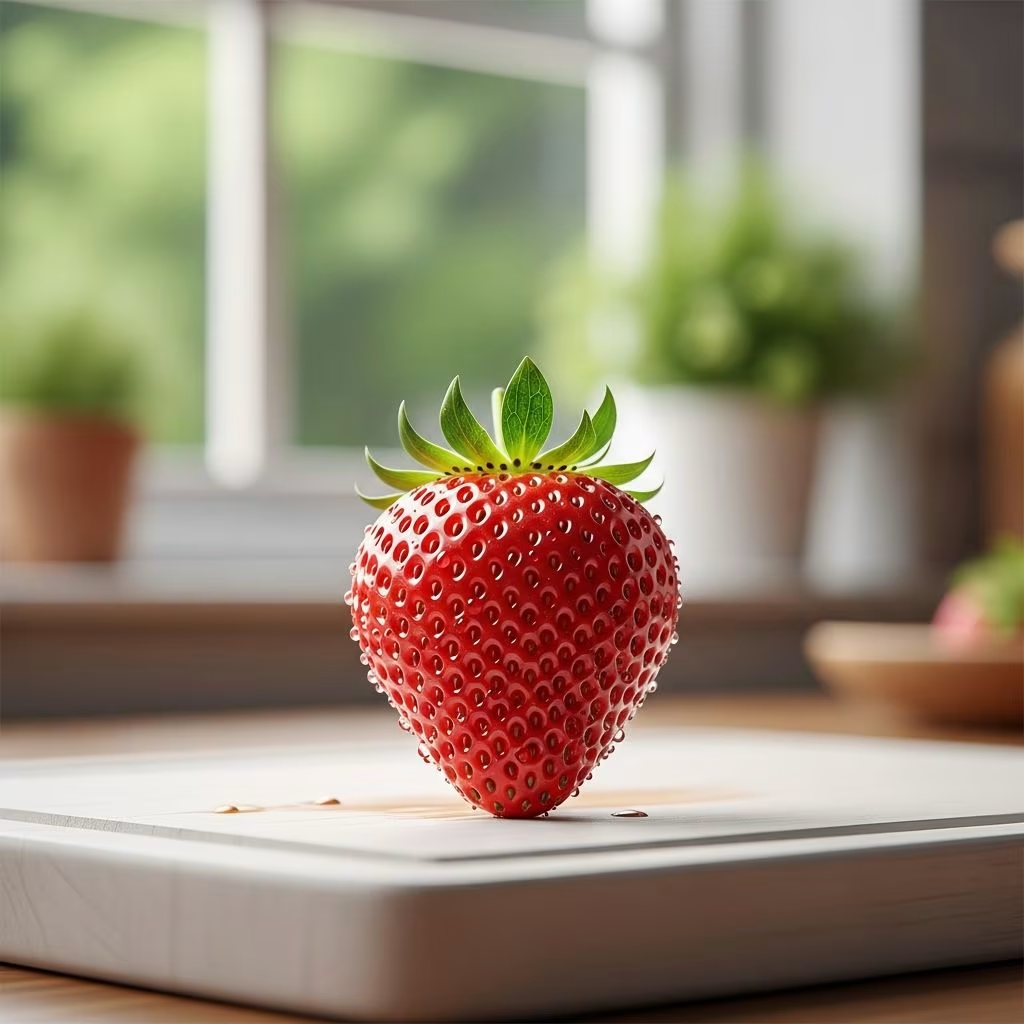
Strawberries are a delightful summer treat, bursting with sweetness and vibrant color. However, their delicate nature makes them prone to quick spoilage due to moisture, bacteria, and mold. With the right cleaning and storage techniques, you can enjoy these berries for weeks longer than usual. This guide draws from rigorous testing and practical advice to help you maintain peak freshness at home.
Why Strawberries Spoil So Quickly
Fresh strawberries often arrive at stores covered in dirt, pesticides, and microscopic mold spores from field to shelf. Excess moisture accelerates decay, turning firm berries mushy within days. Understanding these factors is key to prevention. Bacteria thrive in damp conditions, while improper storage traps humidity, creating a perfect environment for rot.
Essential Preparation Before Cleaning
Start with ripe, unblemished strawberries. Inspect each one, discarding any soft, leaking, or moldy berries immediately to avoid cross-contamination. Keep the green caps (hulls) intact during cleaning—this acts as a protective barrier, preventing water from seeping into the fruit and diluting flavor.
- Choose firm, brightly colored berries without white shoulders or bruises.
- Store purchases in the fridge right away if not cleaning immediately.
- Avoid overcrowding in containers to prevent pressure damage.
Top Cleaning Methods Tested
Multiple approaches exist for washing strawberries effectively. Testing reveals that simple household solutions outperform plain water rinses by targeting pathogens directly.
Vinegar Solution: The Gold Standard
A 3:1 water-to-white-vinegar mix stands out as the most effective cleaner. Submerge berries for 10-15 minutes to kill bacteria and mold spores without altering taste if dried properly. This method preserved berries plump for over three weeks in controlled tests.
- Mix 3 cups water with 1 cup distilled white vinegar in a bowl.
- Add whole berries (caps on) and soak undisturbed.
- Drain and rinse under cool running water to remove vinegar traces.
Baking Soda Soak: A Gentle Alternative
For a milder option, use 1 tablespoon baking soda per 4 cups water. Soak for 15 minutes; no rinse needed as residue is food-safe. It removes pesticides effectively but may not kill mold as aggressively as vinegar.
Hot Water Dip: Quick Bacteria Killer
Brief exposure to 140°F (60°C) water for 60 seconds eliminates surface microbes. Monitor temperature closely to avoid cooking the fruit.
| Method | Soak Time | Effectiveness | Pros | Cons |
|---|---|---|---|---|
| Vinegar (3:1) | 15 min | High (up to 4 weeks) | Kills mold, cheap | Vinegar smell (rinses away) |
| Baking Soda | 15 min | Medium | No rinse, pesticide removal | Less mold control |
| Hot Water | 60 sec | Medium-High | Fast | Temp control needed |
| Plain Rinse | 1 min | Low | Simple | Doesn’t kill spores |
Mastering the Drying Process
Removing every drop of water post-wash is crucial—residual moisture invites mold. Air drying alone takes too long and risks recontamination.
- Salad Spinner Technique: Line with paper towels, spin gently to cushion berries.
- Pat Dry: Use clean kitchen towels or paper towels, rolling berries lightly.
- Airflow Boost: Place on a wire rack in a breezy area or use a cool hairdryer setting.
- Avoid: Stacking wet berries or using heat that bruises fruit.
Perfectly dry berries feel cool and velvety, with no shine or stickiness.
Optimal Storage Strategies
Post-drying, storage determines longevity. Fridge at 32-36°F (0-2°C) with low humidity is ideal.
Container Choices
Ditch original clamshells—they trap ethylene gas and moisture. Opt for breathable setups.
- Glass jars or airtight plastic with paper towel lining to absorb humidity.
- Leave 1/2 inch headspace under the lid for air circulation.
- Layer single-file with towels between layers to prevent crushing.
Advanced Hacks for Extra Longevity
Some tests show berries lasting a month by combining vinegar wash, thorough drying, and strategic fridge placement (back shelf, away from produce drawers). Refresh paper towels every 3-4 days.

Common Mistakes to Avoid
Even small errors shorten shelf life dramatically.
- Washing only before eating—prevents bacterial growth.
- Storing wet or stemmed berries.
- Freezer burn from improper wrapping (use airtight bags if freezing).
- Ignoring ethylene producers like apples nearby.
Using and Enjoying Long-Lasting Strawberries
Fresh strawberries shine in salads, smoothies, desserts, or eaten plain. Hull only what you use immediately. For freezing, wash/dry first, then flash-freeze on a tray before bagging.
Seasonal Tips and Varieties
Peak season (April-June in many areas) yields firmer berries that store better. Organic varieties may need extra care due to field dirt but often taste superior. Experiment with local farmers’ market picks for best results.
FAQs
Can I eat strawberries right after vinegar soak?
Yes, after thorough rinsing and drying, the vinegar taste dissipates completely.
How long do stored strawberries last?
Up to 3-4 weeks with optimal methods; 5-7 days unwashed in original packaging.
Is it safe to skip rinsing after vinegar?
Some tests say yes if fully dry, but rinsing ensures no off-flavors.
Why do some berries mold despite care?
Pre-existing damage or high fridge humidity—check seals and towel absorption.
Best container for large batches?
Wide, shallow ones like Pyrex with vents or multiple small jars.
Health Benefits of Fresh Strawberries
Beyond taste, strawberries pack vitamin C, antioxidants, and fiber. Proper storage maximizes these nutrients, reducing waste and supporting healthy eating.
References
- Best Way to Store Strawberries (17 Methods Tested) — Jerry James Stone. 2023 (approx., based on content). https://jerryjamesstone.com/how-to/best-way-to-store-strawberries-17-methods-tested/
- How do you keep strawberries fresh? — Food Talk Central. 2023 (approx.). https://www.foodtalkcentral.com/t/how-do-you-keep-strawberries-fresh/16897
- How to Make Strawberries Last Up to 2 Weeks! — PBS North Carolina (YouTube). 2023 (approx.). https://www.youtube.com/watch?v=ulvl6f-f4l8