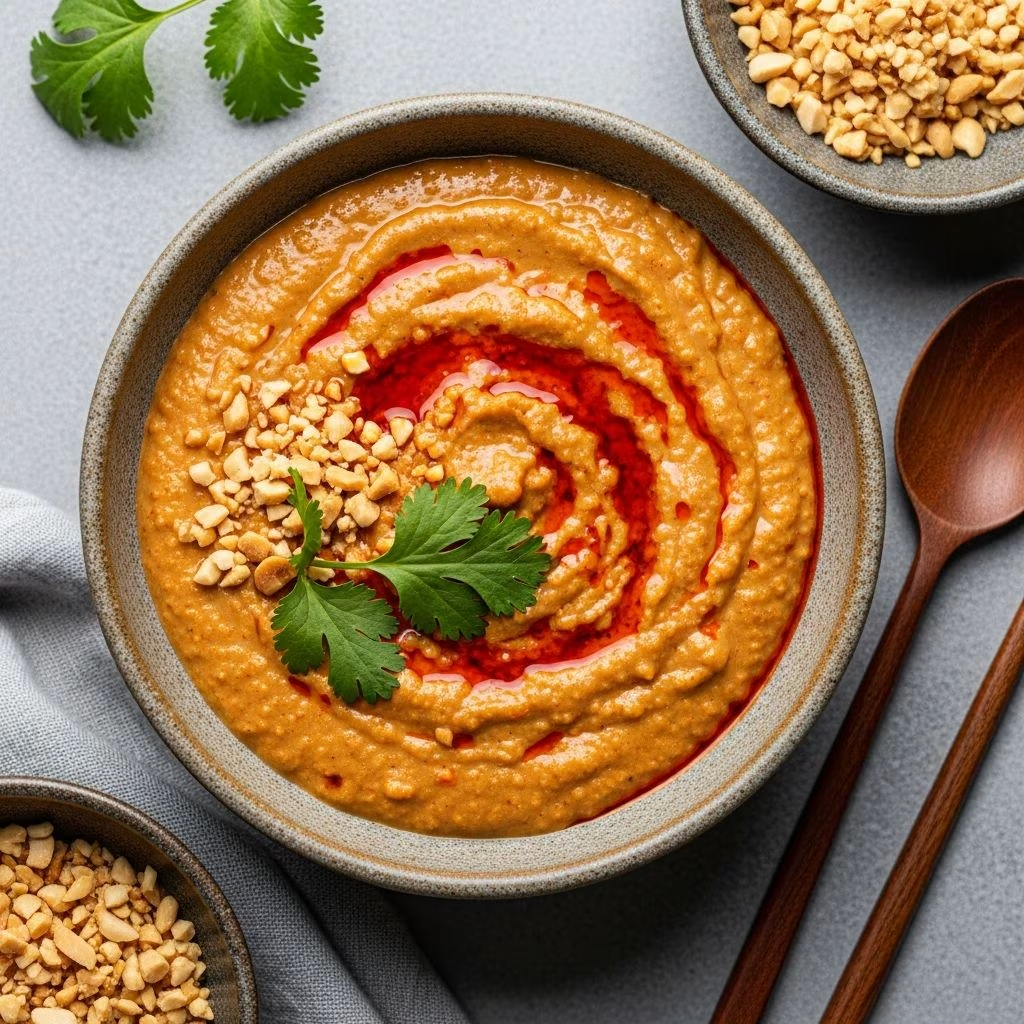
Peanut satay sauce stands as a cornerstone of Southeast Asian cuisine, delivering a harmonious blend of creamy richness, tangy zest, and subtle heat. This versatile condiment elevates simple grilled meats, vegetables, or noodles into memorable dishes. Whether you’re firing up skewers for a barbecue or seeking a quick dip, mastering satay sauce opens doors to authentic flavors without complexity.
Origins and Cultural Significance
Satay sauce traces its roots to Indonesia and Malaysia, where street vendors grill marinated meats on sticks and serve them with this iconic peanut-based dip. The word “satay” refers to the skewers themselves, but the accompanying sauce—made from ground peanuts, coconut milk, and spices—steals the show. Over time, Thai and other regional variations emerged, incorporating elements like curry paste or tamarind for unique twists. Today, it’s a global favorite, adapted in homes worldwide for its addictive balance of sweet, salty, spicy, and sour notes.
Core Ingredients Explained
Building a great satay sauce starts with quality staples. Here’s a breakdown of essentials and their roles:
- Peanut Butter or Ground Peanuts: The creamy base providing nutty depth. Opt for natural, unsweetened varieties to control sweetness.
- Coconut Milk: Adds luxurious silkiness and mellows spice. Full-fat canned versions yield the best texture.
- Soy Sauce or Tamari: Delivers umami and saltiness; tamari keeps it gluten-free.
- Fish Sauce: Boosts savory complexity; use vegetarian alternatives for plant-based versions.
- Sweetener (Brown Sugar, Honey, or Coconut Sugar): Counters acidity and heat for balance.
- Acid (Lime Juice, Vinegar, or Tamarind): Provides brightness to cut through richness.
- Spice (Chili Flakes, Curry Paste, or Fresh Chilies): Introduces adjustable heat.
- Aromatics (Garlic, Ginger, Lemongrass): Form the flavorful foundation in more authentic recipes.
These components create the signature profile: thick yet pourable, with layers of flavor unfolding on the palate.
Quick 10-Minute Satay Sauce Recipe
For beginners, this streamlined version comes together in minutes, ideal for weeknight dinners.
Ingredients (Serves 4-6)
| Ingredient | Quantity |
|---|---|
| Smooth peanut butter | 3 heaped tbsp |
| Coconut milk | 200ml (7 oz) |
| Dark soy sauce | 1 tbsp |
| Fish sauce | 1 tbsp |
| Light brown sugar | 1 tbsp |
| Chili flakes | ½ tsp |
| Ground coriander | ½ tsp |
| Lime juice | Juice of 1 lime (about 2 tbsp) |
Step-by-Step Instructions
- Combine peanut butter, soy sauce, fish sauce, coconut milk, sugar, chili flakes, and coriander in a small saucepan over medium heat.
- Stir continuously as the mixture warms and thickens, about 5 minutes. Avoid boiling to prevent separation.
- Remove from heat, stir in lime juice for freshness.
- Serve warm or chilled. Thin with water if needed for drizzling.
This yields a smooth, creamy sauce with a gentle kick, perfect for chicken skewers.
Authentic Malaysian-Style Version
For deeper flavors, try this rempah-based approach inspired by traditional methods. It involves a spice paste for aromatic intensity.
Ingredients
- 200g roasted peanuts, ground
- 400ml coconut milk
- 2 tbsp coconut sugar
- 1 tbsp tamarind paste
- 2 stalks lemongrass, bruised
- Spice paste: 2 shallots, 2 garlic cloves, 1-inch galangal, 2 red chilies, 1 tsp coriander seeds (blended)
- Fish sauce and soy sauce to taste
- Oil for frying
Method
- Blend spice paste ingredients until smooth.
- Heat oil in a pot, add bruised lemongrass and fry paste until oil separates (5-10 minutes).
- Stir in peanuts, coconut milk, sugar, tamarind, sauces, and water. Simmer 10 minutes until thickened.
This version shines with grilled beef satay, offering earthy, tangy notes.
Customizations for Every Diet
Satay sauce adapts effortlessly to preferences:
- Vegan: Swap fish sauce for soy or mushroom sauce; use maple syrup instead of honey.
- Gluten-Free: Choose tamari and certified GF peanut butter.
- Low-Carb/Keto: Reduce sugar, use powdered erythritol.
- Spice Levels: Mild (omit chilies), Medium (flakes), Hot (fresh chilies or sriracha).
- Nut-Free: Substitute sunflower seed butter, though flavor shifts.
Experiment with curry powder for Thai flair or sesame oil for nuttiness.
Perfect Pairings and Serving Ideas
Beyond skewers, satay sauce transforms dishes:
- Proteins: Chicken, pork, tofu, shrimp, or tempeh.
- Veggies: Grilled eggplant, zucchini, or broccoli.
- Noodles: Toss with rice noodles or zucchini spirals.
- Salads: Drizzle over cucumber and cabbage slaw.
- Dips: Pair with spring rolls or crudités.
For Thai chicken satay, marinate meat in coconut milk, turmeric, and garlic before grilling, then serve with warm sauce.
Pro Tips for Success
- Use full-fat coconut milk for creaminess; shake well before opening.
- Stir constantly to prevent sticking or curdling—it’s normal initially but smooths with heat.
- Adjust thickness: Simmer longer to thicken, add water to loosen.
- Taste and tweak: Balance flavors iteratively.
- Make ahead: Flavors deepen overnight.
Storage and Make-Ahead Strategies
Refrigerate in an airtight jar up to 1 week. Reheat gently on stovetop or microwave, stirring in water if thickened. Freeze portions up to 3 months; thaw overnight. Always stir before use for even consistency.
Common Mistakes to Avoid
- Boiling vigorously: Causes separation; simmer only.
- Skipping acid: Results in flat taste.
- Over-sweetening: Start small, add gradually.
- Using sweetened peanut butter: Overpowers with sugar.
Nutrition Snapshot
Per 2 tbsp serving (quick recipe): ~150 calories, 13g fat, 6g carbs, 4g protein. Rich in healthy fats and vitamins from peanuts and coconut.
Frequently Asked Questions
What is satay sauce made of?
Primarily peanut butter, coconut milk, soy/fish sauce, sugar, lime, and spices for a creamy, savory dip[10].
Can I make satay sauce without coconut milk?
Yes, substitute cream or broth, but texture and flavor will differ slightly.
How spicy is satay sauce?
Varies by recipe; adjust chilies to preference, from mild to fiery.
Is satay sauce gluten-free?
Often yes with tamari; check labels.
Can I use crunchy peanut butter?
Absolutely, for added texture.
Advanced Variations
- Red Curry Satay: Incorporate 2 tbsp red curry paste for Thai heat.
- Sesame Twist: Add 1 tsp sesame oil and seeds.
- Tamarind Boost: For Malaysian tang.
These elevate the sauce for sophisticated palates.
References
- Easy Satay Sauce Recipe — Nicky’s Kitchen Sanctuary. 2023-05-12. https://www.kitchensanctuary.com/easy-satay-sauce-recipe/
- Five Minute Peanut Satay Sauce — Dished by Kate. 2022-08-15. https://dishedbykate.com/peanut-satay-sauce/
- My Quick and Easy Satay Sauce Recipe — Kitchen Sanctuary (YouTube). 2023-01-20. https://www.youtube.com/watch?v=Z5PLX7hM07k
- Authentic Malaysian Satay Peanut Sauce — El Mundo Eats. 2021-11-10. https://www.elmundoeats.com/malaysian-satay-peanut-sauce/
- Satay Sauce (Vegan) — Feast Glorious Feast. 2022-06-05. https://feastgloriousfeast.com/satay-sauce/
- Easy Peanut Satay Sauce — Enhance Your Palate. 2023-03-18. https://www.enhanceyourpalate.com/peanut-satay-sauce/
- Thai Chicken Satay with Peanut Sauce — RecipeTin Eats. 2024-02-14. https://www.recipetineats.com/thai-chicken-satay-peanut-sauce/