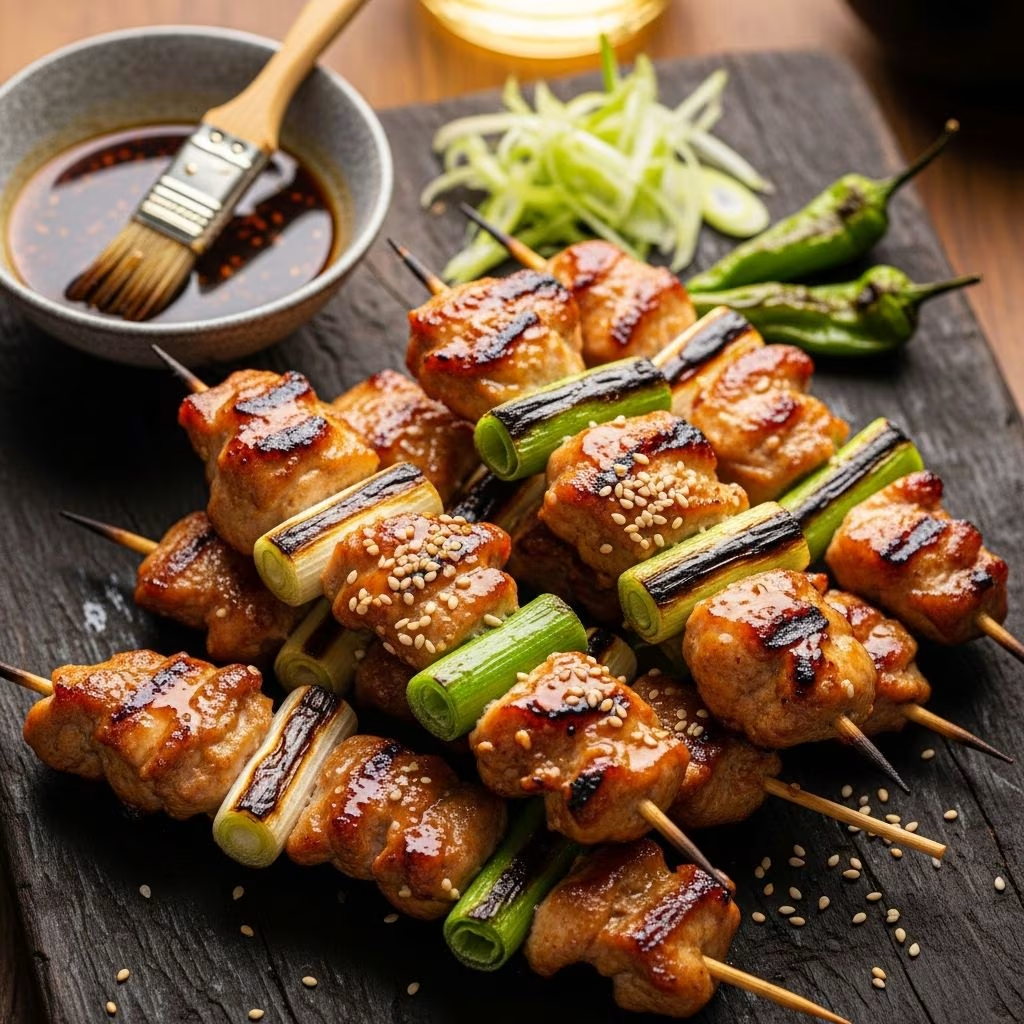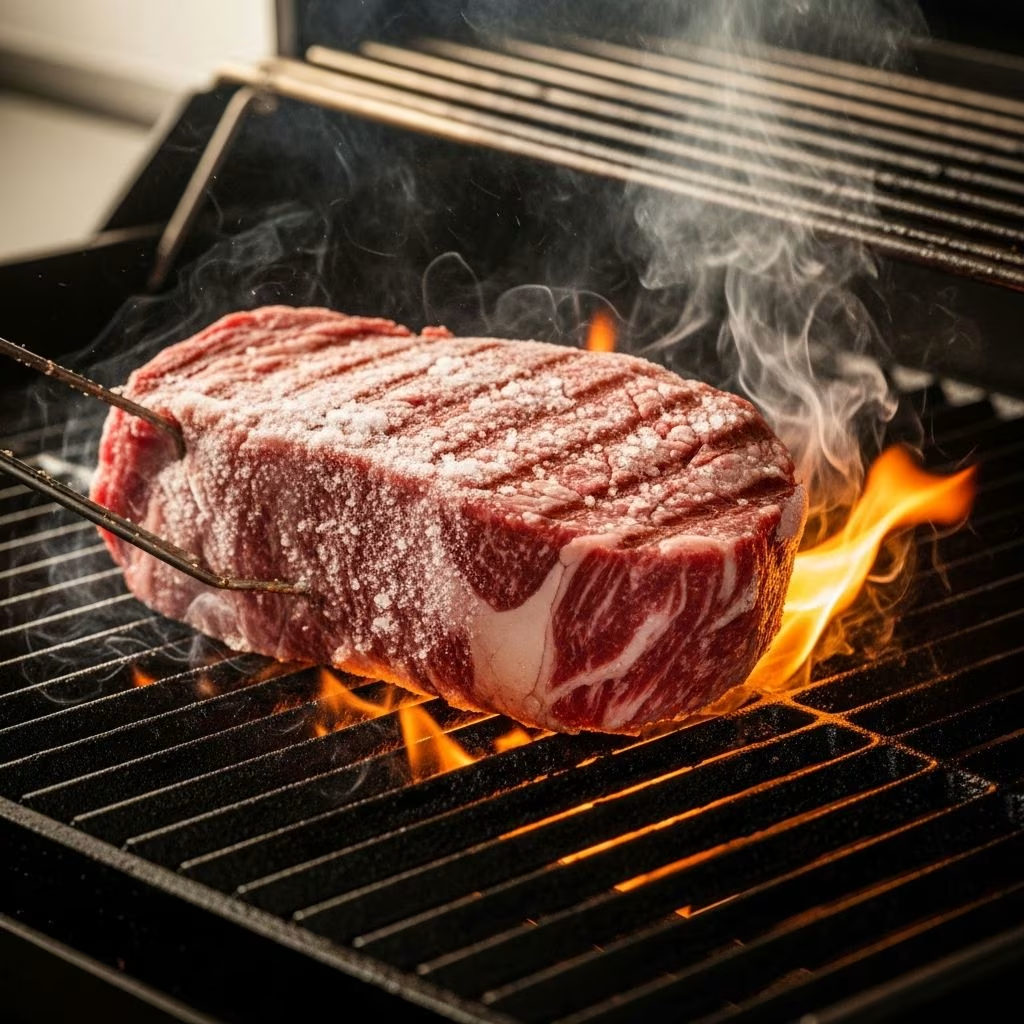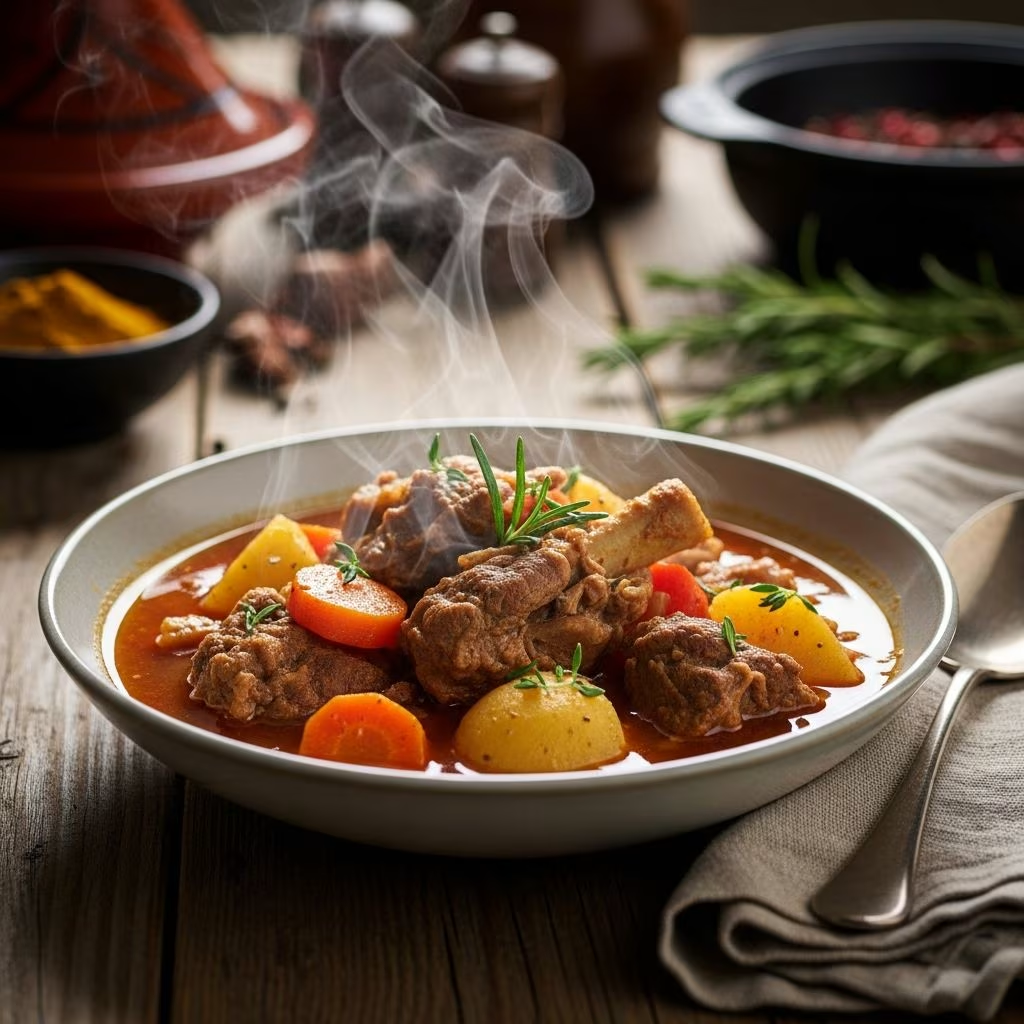
Goat stew represents one of the most cherished dishes across multiple continents, celebrated for its rich, deeply savory character and tender meat that becomes sublime when slow-cooked with aromatic spices and vegetables. This humble yet sophisticated dish has sustained communities throughout Africa, the Caribbean, South Asia, and beyond for generations. Unlike beef stew, which tends toward mild earthiness, goat meat carries a distinctive gamey quality that becomes an asset when properly prepared with complementary flavoring agents. Whether served over steaming rice, creamy polenta, or alongside root vegetables, goat stew offers a culinary experience that connects us to centuries-old cooking traditions while remaining entirely accessible to modern home cooks.
Understanding Goat Meat: Selection and Preparation Fundamentals
The foundation of exceptional goat stew begins with understanding the meat itself. Goat meat is significantly leaner than beef or pork, containing substantially less fat marbling throughout the muscle tissue. This characteristic, while beneficial for health-conscious cooking, requires thoughtful preparation to ensure the final dish achieves optimal tenderness and moisture retention.
Choosing the Right Cut
When selecting goat meat for stewing, prioritize cuts that benefit from extended cooking times. Shoulder meat provides excellent flavor development and transforms into silky tenderness after hours of braising. Leg portions offer substantial yield, though they may require slightly longer cooking periods to reach desired softness. Neck meat, though less commonly requested, delivers concentrated flavor and breaks down beautifully into a stew base. Butchers familiar with international cuisines typically stock bone-in pieces, which contribute essential gelatin and collagen to the braising liquid, deepening the overall flavor profile.
For most stew recipes, aim for meat pieces approximately one to two inches in diameter. Uniform sizing ensures even cooking and prevents some chunks from becoming unpalatably tough while others remain undercooked. If your butcher provides irregularly sized pieces, take time to trim and cut them yourself—this extra effort dramatically improves the final presentation and eating experience.
Quantity Considerations
A standard serving of stew meat totals approximately six to eight ounces per person, accounting for weight reduction during the cooking process. For a family dinner serving four to six people, plan on two to four pounds of raw meat. Bone-in cuts yield less usable meat than boneless options, so adjust quantities accordingly—approximately one-quarter additional weight when bones are present.
Building the Flavor Foundation: Aromatics and Base Ingredients
The aromatic vegetables constitute the essential flavor foundation upon which successful stews are built. These humble ingredients—onions, garlic, and ginger—appear across virtually every goat stew tradition worldwide, transcending cultural boundaries through their universal capacity to enhance and balance meat-based dishes.
Aromatics Preparation
Onions should be diced into quarter-inch pieces that will gradually dissolve into the braising liquid, creating natural body and sweetness as they soften. Garlic responds dramatically to cooking temperature: gentle heating releases its mild, mellow notes, while high heat produces bitter, unpleasant compounds. Mincing garlic finely ensures it distributes evenly throughout the stew and prevents the unpleasant experience of biting into large, raw garlic chunks. Fresh ginger, when possible, surpasses ground ginger in complexity and brightness. Peel the papery skin with a spoon or knife, then mince or grate the fragrant flesh into small, consistent pieces.
Fat-Based Flavor Development
Oil functions as the vehicle for releasing and distributing fat-soluble flavor compounds from spices and aromatics. Choose neutral oils with high smoke points—vegetable, canola, or groundnut oil all work excellently. Avoid olive oil for initial meat browning, as its lower smoke point causes it to smoke and burn, creating acrid flavors. Reserve olive oil for finishing touches if desired. Heat the oil until it shimmers and barely begins to smoke before adding meat, ensuring proper browning rather than steaming.
Spice Blending: Creating Depth and Complexity
The spice selections distinguish regional stew variations and reflect the geographic origins and cultural influences of each cooking tradition. Understanding how individual spices contribute to the overall profile enables creative customization while maintaining balance.
Warm Spices and Their Functions
Cinnamon and cloves deliver warming sweetness and subtle floral notes that complement rather than overpower goat meat’s inherent gaminess. These spices appear frequently in African and Caribbean preparations, often used in whole form (cinnamon sticks, whole cloves) during the braising process, then removed before serving. Nutmeg, when used judiciously, adds aromatic depth without announcing itself as a distinct flavor. Ground forms of these spices distribute more evenly than whole pieces, though whole spices maintain their potency longer and are simpler to remove.
Heat and Earthiness
Paprika contributes both color and a subtle smoky or fruity quality depending on whether it’s smoked or sweet paprika. Black pepper, preferably freshly ground immediately before use, provides sharp bite and enhances perception of other flavors. Cayenne pepper or fresh hot chilies introduce varying degrees of heat; always start with less than seems appropriate, as heat intensifies during extended cooking. Bay leaves, thyme, and parsley represent classic herbaceous components that round out sharp spice edges and prevent the stew from tasting one-dimensional.
Advanced Flavor Components
Some traditions incorporate curry powder, an Indian spice blend combining turmeric, coriander, fenugreek, and other aromatics, creating warm earthiness that integrates beautifully with goat meat. Cumin seeds, whether left whole or ground, add nutty undertones. Ground coriander brings subtle citrus notes. Garam masala, a fragrant Indian spice mixture, appears in Goan-influenced preparations and adds complexity without aggressive heat.
Cooking Methods: From Stovetop to Slow Cooker
Several proven techniques transform tough goat meat into tender, flavorful stew. Each method offers distinct advantages depending on available equipment and time constraints.
Traditional Stovetop Braising
This classic method begins by browning meat in batches in a heavy pot or Dutch oven, ensuring each piece makes contact with the hot surface and develops a deeply caramelized crust. Remove browned meat to a separate bowl temporarily. In the same pot, sauté aromatics until fragrant and slightly softened. Add tomato paste if using, stirring continuously for several minutes to deepen its flavor through caramelization. Return meat to the pot, add liquid (stock, wine, or water), bring to a simmer, reduce heat to low, cover partially, and maintain a gentle bubble for ninety minutes to two hours, until meat becomes fork-tender.
The stovetop method requires attentiveness—occasional stirring prevents sticking and ensures even cooking. Liquid levels naturally decrease as water evaporates; add more if the stew threatens to dry out. The reward for this attention comes in the form of superior browning, visible ingredient texture, and the cook’s ability to adjust seasoning throughout the process.
Slow Cooker Convenience
For hands-off preparation, slow cookers excel at transforming goat meat into tender submission. Brown meat and aromatics in a separate skillet first—this step prevents the pale, steamed appearance that results from skipping browning entirely. Transfer the browned mixture to the slow cooker insert, add remaining ingredients and liquid, cover, and cook on low for six to eight hours, or on high for three to four hours, depending on meat size and your specific slow cooker’s temperature characteristics.
Slow cooker stews benefit from minimal intervention. Resist the temptation to frequently lift the lid, as each opening dramatically extends the cooking time. The enclosed environment creates steam that gently breaks down connective tissue, yielding consistently tender results.
Pressure Cooking for Time-Constrained Cooks
Modern pressure cookers and Instant Pot devices accomplish in thirty to forty minutes what traditional methods require two hours to achieve. Brown meat in the pressure cooker’s sauté function, add aromatics and spices, pour in liquid, seal the lid, and cook under high pressure. The intense heat and moisture break down collagen rapidly, producing tender meat in a fraction of traditional cooking time.
Regional Variations and Flavor Profiles
Goat stew adapts magnificently to regional ingredients and cultural preferences, creating distinct interpretations across the globe.
African Preparations
Traditional African goat stews emphasize tomatoes, onions, and minimal spicing, allowing the meat’s natural flavor to dominate. Zambian versions incorporate ginger and garlic but avoid heavy spicing, serving the stew alongside nshima or rice. Some preparations include rosemary and green chilies, building layers of warmth and herbaceous depth. The cooking time stretches longer than many Western recipes, often exceeding two hours, reflecting a philosophy that extended cooking yields superior tenderness and flavor integration.
Caribbean Expressions
Caribbean goat stew embraces bold flavoring with Caribbean green seasoning (a blend of culinary herbs), Angostura bitters, pepper sauce, and coconut milk creating a luxurious sauce that balances heat, sweetness, and richness. Pimento peppers, scallions, and fresh thyme feature prominently. These stews often incorporate small amounts of ketchup or brown sugar for subtle sweetness that rounds sharp edges and enhances depth. Worcestershire sauce adds umami complexity and subtle tang.
Goan and South Asian Influence
Goan-influenced goat stews showcase turmeric, curry powders, garam masala, and cumin, creating warm, earthy flavor profiles that reflect Indian cooking traditions. Cider vinegar brightens the stew and balances richness. Potatoes and corn often supplement the protein, creating a more substantial one-pot meal. Ground spices predominate over whole pieces, ensuring even flavor distribution throughout the braising liquid.
Vegetable Additions and Nutritional Considerations
While meat represents the stew’s foundation, vegetables contribute essential nutrients, textural variety, and flavor complexity. Root vegetables like carrots, potatoes, and sweet potatoes maintain structural integrity during extended cooking, while leafy greens or delicate vegetables should be added only toward the end to prevent mushiness.
Celery adds savory depth and complements traditional aromatics. Bell peppers introduce brightness and slight sweetness. Tomatoes, whether fresh, canned, or as paste, provide acidity that brightens other flavors and aids in breaking down meat fibers through acid exposure. Green chilies offer heat and herbaceous notes distinct from dried chilies’ concentrated intensity.
Achieving Optimal Texture and Consistency
Goat stew texture represents a critical element of the eating experience. Meat should be tender enough to break with minimal pressure from a spoon, yet maintain its structural integrity and not disintegrate into fibers. The braising liquid should achieve a consistency between thin broth and thick sauce—coating a spoon lightly when lifted.
If stew reaches doneness but the liquid remains too thin, remove the lid, increase heat to medium, and simmer uncovered for fifteen to thirty minutes, allowing excess moisture to evaporate. Conversely, if the stew appears too thick before meat reaches tenderness, add hot water or stock in small increments, stirring between additions.
Seasoning Adjustments and Final Refinement
Taste the stew during the final twenty minutes of cooking and adjust seasonings accordingly. Remember that salt intensifies as liquid reduces, so underseasoning initially prevents oversalting. Add salt gradually, tasting between additions. If the stew tastes flat or one-dimensional, a squeeze of lemon juice, splash of vinegar, or tablespoon of fresh chopped cilantro often provides the brightness needed to balance rich, deep flavors.
Serving Suggestions and Accompaniments
Goat stew’s versatility shines through its compatibility with numerous side dishes. Steamed rice, either white or brown varieties, provides a neutral base that allows the stew’s complex flavors to dominate. Mashed potatoes or sweet potatoes offer creamy contrast to the stew’s texture. Crusty bread works wonderfully for soaking up flavorful sauce. Nshima, fufu, or polenta provide cultural authenticity when preparing regional variations. Fresh herb garnishes, particularly cilantro or parsley, add brightness and visual appeal to finished bowls.
Storage and Make-Ahead Planning
Goat stew improves after a day in the refrigerator as flavors meld and deepen. Store in airtight containers for up to four days, or freeze for up to three months. The stew reheats beautifully on the stovetop over medium-low heat, stirring occasionally and adding water if the sauce has thickened significantly. This make-ahead quality makes goat stew an excellent choice for meal planning and entertaining.
Frequently Asked Questions
What if I cannot find goat meat locally?
Lamb, mutton, or venison provide acceptable alternatives with similar cooking times and flavor profiles, though they lack goat meat’s distinctive character. Beef stew meat works but produces a milder, less complex result. Online specialty butchers increasingly ship goat meat nationwide.
How can I reduce the gamey flavor if it seems too strong?
Soak raw goat meat in salted water for several hours before cooking to mild the gamey intensity. Additionally, avoid using water alone for braising—using stock or incorporating acidic elements like wine or vinegar helps balance strong flavors. Citrus juice, vinegar, or tomato-based sauces specifically counteract excessive gaminess.
Can I prepare this stew in advance?
Yes, goat stew freezes exceptionally well for up to three months. Cool completely before transferring to freezer containers. Thaw overnight in the refrigerator and reheat gently on the stovetop.
What liquid options work best for braising?
Beef or lamb stock provides the most flavorful option, though chicken stock works adequately. Wine—red or white depending on other ingredients—adds complexity. Water combined with stock cubes offers a budget-friendly alternative. Some traditions use coconut milk for richness.
References
- Stewed Goat Meat (Caribbean Inspired) — That Girl Cooks Healthy. Accessed 2026-04-10. https://thatgirlcookshealthy.com/stewed-goat-meat/
- Goat Stew — Lubz Online. Accessed 2026-04-10. https://www.lubzonline.com/goat-stew/
- Goan Influenced Goat Stew in the Slow Cooker — The Spiced Life. Accessed 2026-04-10. https://www.thespicedlife.com/goan-influenced-goat-stew-slow-cooker/
- African Goat Stew — The Thrifty Homesteader. Accessed 2026-04-10. https://thriftyhomesteader.com/african-goat-stew/
- Curried Goat Stew — African Bites. Accessed 2026-04-10. https://www.africanbites.com/curried-goat-stew/
- The Ultimate Stewed Goat — CaribbeanPot.com. Accessed 2026-04-10. https://caribbeanpot.com/the-ultimate-stewed-goat/