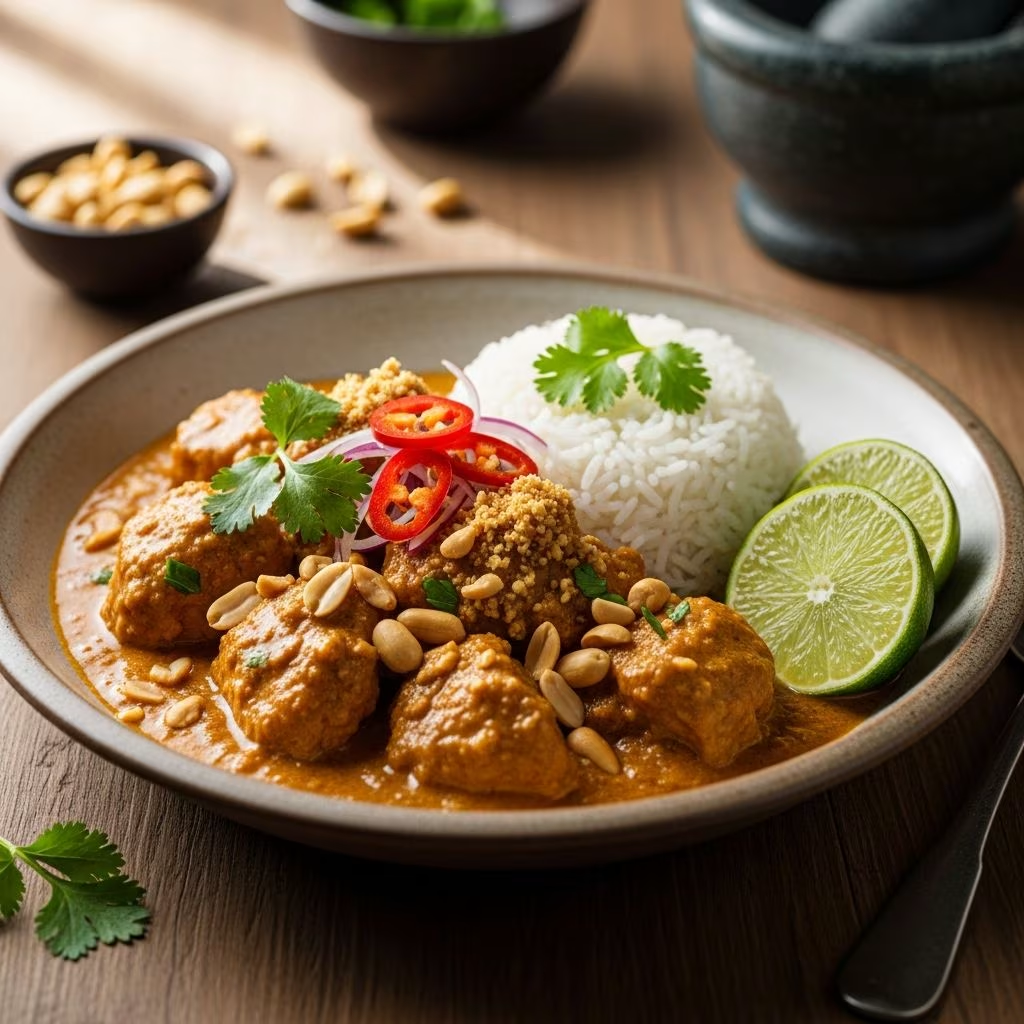
Creating a restaurant-quality peanut curry chicken at home is more achievable than many home cooks realize. This aromatic dish combines tender chicken with a rich, creamy sauce infused with warm spices and the distinctive flavor of peanut butter. Whether you’re cooking for a weeknight dinner or impressing guests, this comprehensive guide walks you through every step of the process, from selecting ingredients to mastering the cooking technique.
Understanding the Foundation: Essential Ingredients
The success of peanut curry chicken begins with quality ingredients and understanding how each component contributes to the final dish. The protein base typically consists of boneless, skinless chicken thighs, which offer superior moisture and flavor compared to breast meat. Thighs remain tender throughout the cooking process, even with extended simmering, making them ideal for curry preparations.
The spice blend forms the aromatic backbone of this dish. Ground coriander provides an earthy, slightly citrusy note, while ground cumin adds warmth and depth. Turmeric contributes both color and a subtle mineral quality, though historically many home cooks avoided this spice. Ground paprika rounds out the blend with mild sweetness, and cayenne pepper introduces measured heat that can be adjusted to personal preference.
Peanut butter serves as the defining ingredient, creating the signature creamy sauce. Natural peanut butter without added sugars works best, as it allows better control over the dish’s sweetness. The addition of ketchup, while unconventional, provides subtle acidity and umami that rounds out the sauce’s profile.
Ingredient Breakdown and Quantities
| Component | Ingredient | Amount | Purpose |
|---|---|---|---|
| Protein | Boneless skinless chicken thighs | 2.5 pounds, cut into chunks | Main protein, remains moist during cooking |
| Spice Blend | Ground coriander | 2 teaspoons | Earthy, citrusy notes |
| Spice Blend | Ground cumin | 2 teaspoons | Warm, slightly nutty flavor |
| Spice Blend | Turmeric | 1 teaspoon | Color, mineral undertones |
| Spice Blend | Paprika | 1 teaspoon | Mild sweetness |
| Spice Blend | Cayenne pepper | 0.5 teaspoon | Heat level, adjustable |
| Spice Blend | Kosher salt | 1 tablespoon plus more to taste | Seasoning |
| Sauce Base | Smooth peanut butter | 0.75 cup | Creamy texture, signature flavor |
| Sauce Base | Ketchup | 0.5 cup | Acidity and umami |
| Sauce Base | Chicken broth | 3.5 cups | Liquid base, adjustable for consistency |
| Vegetables | Yellow onion | 1 large, chopped | Aromatics base |
| Vegetables | Fresh ginger | 1 tablespoon, finely grated | Warming spice, aromatic |
| Vegetables | Garlic cloves | 6, minced | Aromatic complexity |
| Added Vegetables | Zucchini | 1 pound, cut into chunks | Texture, mild flavor |
| Added Vegetables | Red bell pepper | 1, cubed | Color, sweetness |
| Added Vegetables | Poblano pepper | 1 green, diced | Mild heat, distinct flavor |
| Garnish | Roasted peanuts | 0.5 cup plus more for serving | Texture, flavor enhancement |
| Finishing | Fresh cilantro and lime | To taste | Brightness, acidity |
Preparing Your Spice Blend: The Aromatics Foundation
The spice blend requires careful assembly and serves dual purposes throughout the cooking process. Begin by combining all dry spices in a small bowl: kosher salt, ground coriander, ground cumin, turmeric, paprika, and cayenne pepper. Mix thoroughly to ensure even distribution, as this blend will be divided between coating the raw chicken and flavoring the sauce itself.
The strategic division of this spice blend creates layered flavor development. Half the blend coats the chicken pieces before searing, allowing the spices to bloom during the high-heat browning process. This technique develops deeper, more complex flavors through the Maillard reaction, where amino acids and sugars in the spices react with heat to create new flavor compounds. The remaining half joins the sauce later, providing a fresh burst of spice that complements rather than overwhelms the peanut-based liquid.
For those preferring milder heat levels, cayenne can be reduced or eliminated entirely. Conversely, adventurous cooks might increase the cayenne or substitute hot paprika for the mild variety to amplify the dish’s spiciness.
The Searing Process: Building Flavor Through Heat
Properly browning the chicken establishes the flavor foundation for the entire dish. Cut boneless, skinless chicken thighs into chunks approximately 2 inches in size, keeping pieces relatively uniform to ensure even cooking. While precise uniformity matters less than some might believe, consistency helps prevent some pieces from drying out while others remain undercooked.
Coat the chicken chunks with half the spice blend, stirring to distribute the mixture evenly. At this stage, the chicken can either marinate overnight to allow spices to penetrate the meat, or cooking can proceed immediately without sacrificing quality.
Heat vegetable oil in a large pot or heavy-bottomed Dutch oven over medium-high heat. Once the oil shimmers, add the spiced chicken in batches, avoiding overcrowding the pan. Proper spacing ensures each piece contacts the hot surface directly, developing a golden crust. Sear for approximately 3-4 minutes per side until deeply browned, then transfer to a plate. This browning process, though optional, significantly enhances the final dish’s depth and complexity.
Building the Aromatic Base: Onions, Garlic, and Ginger
After removing the browned chicken, reduce heat to medium and add the chopped onion to the same pot, utilizing the flavorful oil rendered from the chicken. Cook the onion for about 5 minutes, stirring occasionally, until it becomes translucent and develops light golden edges. This stage, known as sweating the onion, softens its harsh raw bite while encouraging the release of natural sugars.
Add the finely grated ginger and minced garlic, stirring constantly for approximately one minute. This brief cooking period allows the fresh aromatics to warm through, releasing their essential oils and intense flavors into the oil. Avoid extended cooking at this stage, as burnt garlic develops bitter, acrid notes that compromise the dish’s quality.
The aromatic base of onion, ginger, and garlic provides the flavor foundation upon which the entire curry builds. These three ingredients, collectively used in countless Asian cuisines, create the bridge between the spice blend and the creamy peanut sauce, ensuring flavors meld harmoniously rather than existing as separate components.
Creating the Sauce: Combining Peanut Butter, Ketchup, and Broth
With the aromatics softened and fragrant, introduce the remaining half of the spice blend to the pot, stirring to coat all ingredients. Add the ketchup next, its acidity and umami helping to balance the richness of the peanut butter. Stir this mixture for about one minute to incorporate the flavors fully.
Pour in the smooth peanut butter, initially it will appear thick and resistant to mixing. Add chicken broth gradually, approximately 3.5 cups, stirring continuously to create a smooth, homogeneous sauce. If using conventional peanut butter with added sugars, eliminate the brown sugar called for in some versions. If using entirely natural peanut butter, add one packed tablespoon of brown sugar to balance acidity and add subtle sweetness.
The resulting sauce should have a silky, velvety texture that coats a spoon without clumping. If the sauce appears too thick, add additional broth a quarter-cup at a time. Conversely, if it seems too thin, simmer longer to allow some liquid to evaporate and concentrate flavors.
Incorporating Vegetables and Protein: The Simmering Phase
Return the browned chicken pieces to the pot, stirring to coat with sauce. Bring the mixture to a gentle simmer, then reduce heat to maintain low, steady bubbling. Allow the curry to simmer for approximately 30 minutes before adding the hearty vegetables.
Add the zucchini chunks and diced poblano pepper, which can withstand extended cooking without becoming mushy. Continue simmering for another 10-15 minutes. Add the red bell pepper during the final 10 minutes of cooking, as its delicate structure benefits from shorter cooking time while still tenderizing adequately.
The total simmering time for chicken and vegetables reaches approximately 40-50 minutes from the point the curry returns to the pot. During this period, stir occasionally and monitor liquid levels. If the mixture reduces too quickly, add additional broth in small increments. The goal is fork-tender chicken and vegetables suspended in silky sauce, not a watery soup or overly thick stew.
About 5-10 minutes before serving, stir in approximately half a cup of whole roasted peanuts. These garnish nuts add textural contrast and reinforce the peanut flavor without overwhelming the dish. The nuts remain partially visible in the finished curry, adding visual appeal and unmistakable nuttiness to each spoonful.
Finishing Techniques: Seasoning and Serving
Taste the curry and adjust seasoning as needed. The combination of salt in the spice blend, ketchup, and peanut butter may require minimal additional salt, but individual palates vary. Add kosher salt gradually, tasting between additions, until the flavor reaches your preference.
The final and most crucial finishing step involves fresh lime juice and cilantro. Squeeze fresh lime juice directly into the finished curry, starting with about a half lime’s worth for four large servings. The citric acid cuts through the richness of the peanut butter, brightens the spices, and prevents the dish from tasting heavy or one-dimensional. Fresh cilantro added just before serving introduces herbal notes that complement curry spices while adding visual freshness.
Serve each portion over steamed rice, allowing the rice to absorb some of the flavorful sauce. Garnish individual bowls with additional roasted peanuts, fresh cilantro, and lime wedges on the side for those wishing to adjust acidity to their preference.
Variations and Adaptations for Different Preferences
While the core recipe delivers consistent results, numerous variations allow customization based on available ingredients and personal preferences. Those avoiding peanut products can substitute tahini or sunflower seed butter, though the resulting dish will have distinctly different flavor characteristics. Coconut milk can replace some or all of the chicken broth, creating a creamier, more richly indulgent sauce reminiscent of Thai curry preparations.
Vegetable selections remain flexible based on seasonal availability and preference. Carrots provide sweetness and satisfying texture, while green beans contribute color and delicate flavor. Mushrooms add umami depth, particularly cremini or shiitake varieties. Cauliflower florets become creamy when cooked through, while snap peas offer bright crispness if added during the final minutes.
Heat levels accommodate various tolerances through cayenne adjustment or the addition of fresh Thai chilies. Coconut sugar can replace brown sugar for those seeking alternative sweeteners. Some cooks incorporate a tablespoon of fish sauce or soy sauce to amplify umami without adding noticeable fishiness or saltiness respectively.
Storage, Reheating, and Make-Ahead Strategies
Peanut curry chicken improves with time as flavors meld and develop. Refrigerate leftovers in an airtight container for up to four days. The curry may thicken slightly upon cooling as the peanut butter solidifies; thin with additional broth when reheating to restore optimal consistency.
Reheat gently over low heat, stirring frequently to ensure even warming and prevent scorching. Alternatively, microwave individual portions in covered bowls, stirring halfway through. Add fresh lime juice and cilantro after reheating rather than before, as these delicate elements maintain maximum vibrancy and flavor impact when added at the last moment.
For make-ahead preparation, prepare the sauce and vegetables through the browning and aromatic base stages. Cool completely, then refrigerate in separate containers for up to two days. On serving day, recombine components and simmer until everything heats through and vegetables reach desired tenderness, typically 20-30 minutes for pre-cooked components.
Frequently Asked Questions
Can I use chicken breast instead of thighs?
While technically possible, chicken breasts are leaner and prone to drying out during extended simmering. If using breasts, reduce overall cooking time to 20-25 minutes and monitor closely to prevent overcooking. Thighs provide superior moisture and flavor, making them the preferred choice.
What if I don’t have fresh ginger?
Substitute one teaspoon of ground ginger for the fresh variety. Adjust the amount to taste, as ground ginger is more concentrated and intense. Fresh ginger provides superior flavor when available, but ground ginger works adequately in a pinch.
How can I make this dish less spicy?
Reduce or eliminate cayenne pepper entirely, use mild paprika instead of hot, and limit poblano pepper quantity or substitute bell peppers. Start with half the cayenne amount and increase gradually if desired.
Can I freeze peanut curry chicken?
Yes, freeze in airtight containers for up to three months. Thaw overnight in the refrigerator before reheating. Sauce consistency may change slightly upon freezing and thawing; adjust with additional broth if needed after reheating.
What rice works best for serving?
Jasmine rice’s delicate floral notes complement curry spices beautifully. Basmati rice provides aromatic warmth, while brown rice adds nutty undertones. Any steamed rice variety works, though avoiding overly sticky options allows better sauce absorption.
References
- Peanut Curry Chicken – Check Please! — Food Wishes Video Recipes. 2015. https://foodwishes.blogspot.com/2015/09/peanut-curry-chicken-check-please.html
- How to Make Chicken with Peanut Curry Sauce — Food Wishes, YouTube. https://www.youtube.com/watch?v=F_dYsfrBKZo
- Chef John’s Peanut Curry Chicken — Cooked.wiki Recipe Database. https://cooked.wiki/saved/199b4bed-c4eb-48b0-96eb-1856df66effe