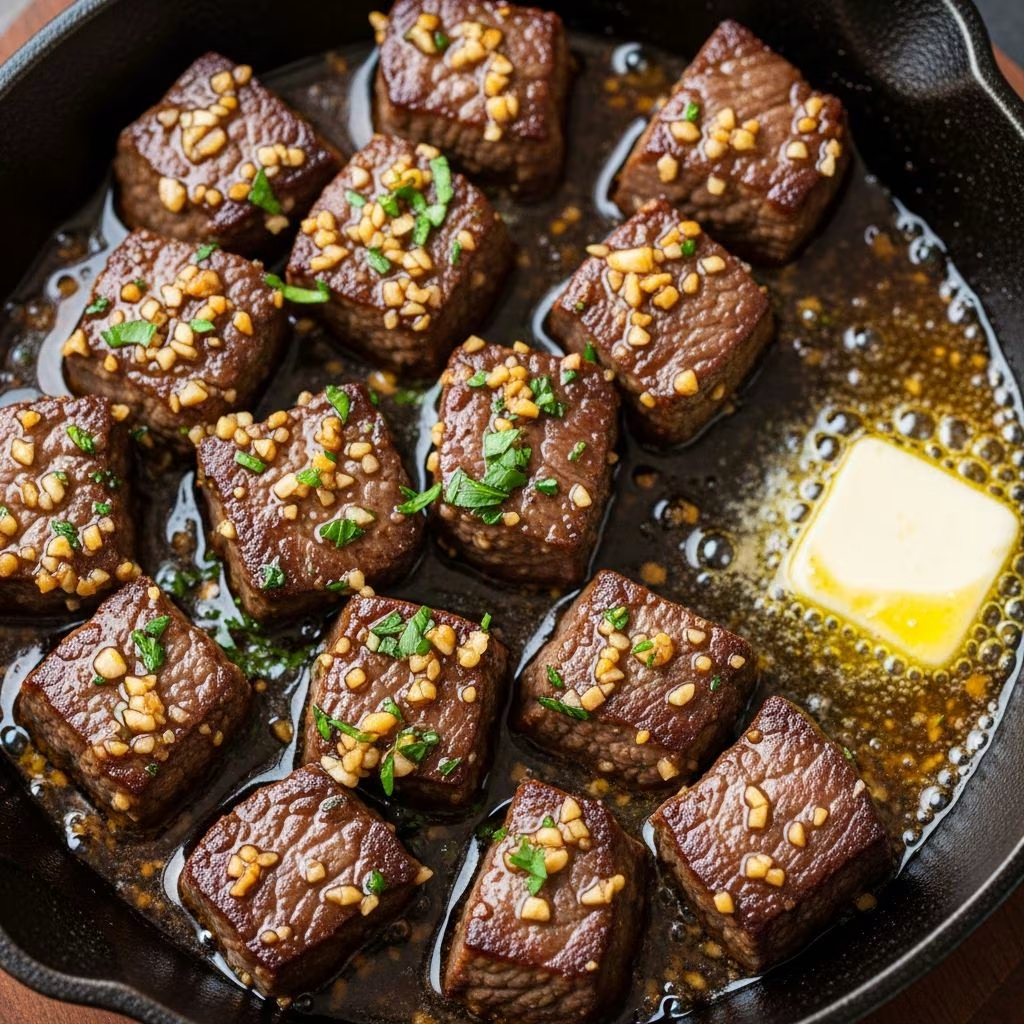
Creating impressive beef dishes doesn’t require expensive equipment or advanced culinary training. One of the most rewarding and straightforward techniques involves cutting premium beef into bite-sized portions, searing them to develop a caramelized exterior, and finishing them with a fragrant garlic butter mixture. This approach transforms humble ingredients into an elegant dish that works equally well for casual family dinners or formal entertaining. The beauty of this preparation lies in its simplicity combined with the depth of flavor achieved through proper searing and finishing techniques.
Selecting and Preparing Your Beef for Optimal Results
The foundation of any successful beef dish begins with thoughtful selection of your protein. Premium beef cuts respond best to high-heat searing, which creates the sought-after golden crust while maintaining a tender interior. Top choices for this preparation include sirloin steaks, which offer good flavor and texture at a reasonable cost, New York strip steaks, known for their balance of tenderness and rich beef flavor, and rump steak, a lean option that remains juicy when cooked with care.
When preparing your beef, begin by cutting steaks into uniform one-inch cubes. Consistency in size ensures even cooking throughout the batch, preventing some pieces from becoming overdone while others remain undercooked. Pat the cubes dry using paper towels—this critical step removes surface moisture that would otherwise create steam during searing, preventing the development of the desirable caramelized crust.
Temperature management plays a significant role in successful beef preparation. Allowing your beef to reach room temperature for 30 to 45 minutes before cooking promotes even cooking throughout each piece. Cold beef pulled directly from refrigeration creates temperature gradients that can result in uneven doneness. Room temperature beef enters the hot pan and cooks more uniformly, helping you achieve your target doneness more reliably.
Mastering the Searing Technique for Perfect Crust Development
The searing process represents the most critical phase in creating these beef bites. This high-heat cooking method develops a flavorful, caramelized exterior through the Maillard reaction—a chemical process where proteins and sugars interact under intense heat to create new flavor compounds and appealing browning.
Begin by heating your skillet to medium-high temperature before adding any oil. A properly preheated pan reaches approximately 375-400°F, creating the necessary heat intensity for effective searing. Add a high-heat stable oil such as avocado oil or regular olive oil to the hot pan. You’ll know the oil is ready when it shimmers and moves easily across the surface.
Arrange your beef cubes in a single layer without crowding. Overcrowding the pan reduces the temperature too dramatically and traps steam, resulting in steaming rather than searing. If necessary, work in batches to maintain proper spacing. Allow each piece to remain undisturbed for one to two minutes on the first side. This undisturbed cooking time allows the Maillard reaction to develop fully, creating that desirable golden-brown crust.
After developing the first side’s crust, flip each piece and cook for an additional 1 to 2 minutes on the second side. At this point, your beef should achieve an internal temperature of approximately 125-130°F for medium-rare doneness. Remove the seared beef from the pan and place on a clean plate to rest briefly while you prepare the garlic butter sauce.
Creating the Aromatic Garlic Butter Base
With your beef temporarily removed, the pan is ready for the garlic butter preparation. Reduce the heat to medium to prevent the butter from burning. Add butter to the pan and allow it to melt completely, creating a rich base for your aromatics.
Once the butter has melted, immediately add your minced fresh garlic. Fresh garlic provides superior flavor compared to garlic powder or jarred garlic, delivering both pungency and subtle sweetness. Typically, six to eight cloves of fresh garlic work well for two to four servings. Stir constantly for approximately 30 seconds to one minute, being vigilant about preventing the garlic from browning, which would create an unpleasant bitter flavor.
At this precise moment when the garlic becomes fragrant but remains pale, add additional seasonings. Fresh or dried herbs enhance the garlic butter’s complexity. Common additions include fresh parsley for brightness, dried thyme and rosemary for earthiness, red pepper flakes for subtle heat, and grated Parmesan cheese for savory depth. These components create a well-rounded sauce that complements the beef’s natural flavors without overwhelming them.
Finishing and Serving Your Creation
Return your reserved seared beef to the pan with the aromatic garlic butter. Toss everything together for one to two minutes, ensuring every piece becomes coated with the savory butter mixture. The residual heat from both the pan and the beef will warm everything through while the butter distributes evenly, creating a glossy, appealing finish.
This dish reaches its full potential when served immediately. The warmth enhances both texture and flavor perception, and the butter remains in its optimal consistency. Consider serving alongside complementary sides that either balance or enhance the rich, garlicky profile.
Ideal Accompaniments and Pairing Suggestions
While these beef bites stand beautifully on their own, thoughtful side selections elevate the overall meal. Creamy mashed potatoes provide a luxurious contrast to the rich garlic butter, while their neutral flavor allows the beef and butter to shine. Roasted or steamed vegetables such as asparagus, green beans, or Brussels sprouts add textural variety and lighter elements to balance the meal’s richness.
Rice preparations offer another excellent option, with simple white rice allowing full appreciation of the garlic butter sauce. Cauliflower mash provides a lighter alternative for those seeking reduced carbohydrate options while maintaining creaminess. Fresh salads with vinaigrette dressings cut through the richness, cleansing the palate between bites and providing refreshing contrast.
Essential Equipment and Ingredient Substitutions
A large skillet forms the foundation for this recipe’s success. Cast iron skillets conduct heat exceptionally well and develop an excellent surface for searing when properly seasoned. Stainless steel skillets offer similar benefits with easier maintenance, while non-stick options work adequately though typically require slightly lower heat.
Regarding ingredient flexibility, several substitutions accommodate various dietary preferences. Ghee serves as an excellent butter replacement, offering similar flavor with enhanced heat tolerance. For dairy-free preparation, quality cooking oils like coconut or avocado oil can substitute for butter, though the result will be lighter rather than rich.
Fresh garlic remains irreplaceable in this recipe due to its complex flavor profile, but those without fresh garlic available can use roasted garlic in a pinch, though the result differs noticeably. The herb component offers more flexibility—dried herbs can substitute for fresh when necessary, though using approximately one-third the quantity since drying concentrates flavors.
Timing and Meal Planning Advantages
This preparation method requires only 15 to 20 minutes from start to finish, making it ideal for weeknight dinners when time proves limited. The straightforward process involves minimal cleanup since everything cooks in a single pan. Unlike recipes requiring multiple pots and baking dishes, this single-skillet approach reduces both cooking time and dish washing.
The recipe scales easily for varying portion sizes. The basic ratio of approximately 2 pounds of beef to 4-6 tablespoons of butter maintains consistency regardless of whether you’re cooking for two or eight. This adaptability makes the recipe suitable for both intimate dinners and casual entertaining.
Achieving Perfect Doneness Every Time
Understanding meat temperatures ensures consistent results. Rare beef reaches 125°F and appears red throughout. Medium-rare, generally considered the optimal temperature for beef’s tenderness and juiciness, reaches 130-135°F with a warm red center. Medium beef reaches 135-145°F with a slightly warm pink center. Well-done beef reaches 160°F and above.
An instant-read meat thermometer removes guesswork from doneness determination. Insert the thermometer into the thickest portion of a sample piece, taking care not to touch bone or the pan surface. Different pieces may finish at slightly different times due to size variations, so checking multiple pieces ensures accuracy.
Frequently Asked Questions
Can this recipe be prepared in advance? Yes, you can sear the beef cubes several hours ahead and refrigerate until ready to finish with the garlic butter. Reheat the seared beef gently in the pan before adding the butter and aromatics to avoid overcooking.
What’s the best way to store leftovers? Store cooled beef bites in an airtight container in the refrigerator for up to three days. Reheat gently in a skillet over medium heat, adding a small amount of butter if the mixture appears dry.
Can frozen beef be used directly? Frozen beef should thaw completely before cooking for even searing and accurate doneness control. Partially frozen beef cooks unevenly with unpredictable results.
How can the dish be made spicier? Increase red pepper flakes according to preference, or add freshly ground black pepper and cayenne pepper to the garlic butter mixture. Hot sauce can be drizzled over the finished dish.
What wine pairs well with this dish? Medium-bodied red wines like Pinot Noir or lighter Cabernets complement the garlic butter beautifully without overpowering the beef.
Ingredient Quality and Its Impact on Final Results
While this recipe succeeds with standard ingredients, ingredient quality directly influences the final dish’s excellence. Pasture-raised butter from grass-fed cattle contains higher levels of beneficial nutrients and develops more complex, richer flavors than conventional butter. High-quality beef from cattle raised on grass rather than grain offers superior taste and texture.
Fresh garlic picked recently and stored properly maintains its vibrant flavor, while aged garlic becomes bitter and less aromatic. Purchasing parsley and other fresh herbs a day or two before preparation ensures maximum freshness and flavor intensity.
References
- Maillard Reaction in Food Science — American Chemical Society. 2024. https://www.acs.org/
- USDA Beef Grading Standards — United States Department of Agriculture. 2024. https://www.usda.gov/
- Safe Internal Temperature Guide for Beef — FDA Food Safety. 2024. https://www.fda.gov/
- Cooking Techniques and Heat Transfer in Culinary Science — Institute of Culinary Education. 2024. https://www.ice.edu/
- Garlic Nutritional Properties and Flavor Compounds — National Institutes of Health. 2024. https://www.nih.gov/