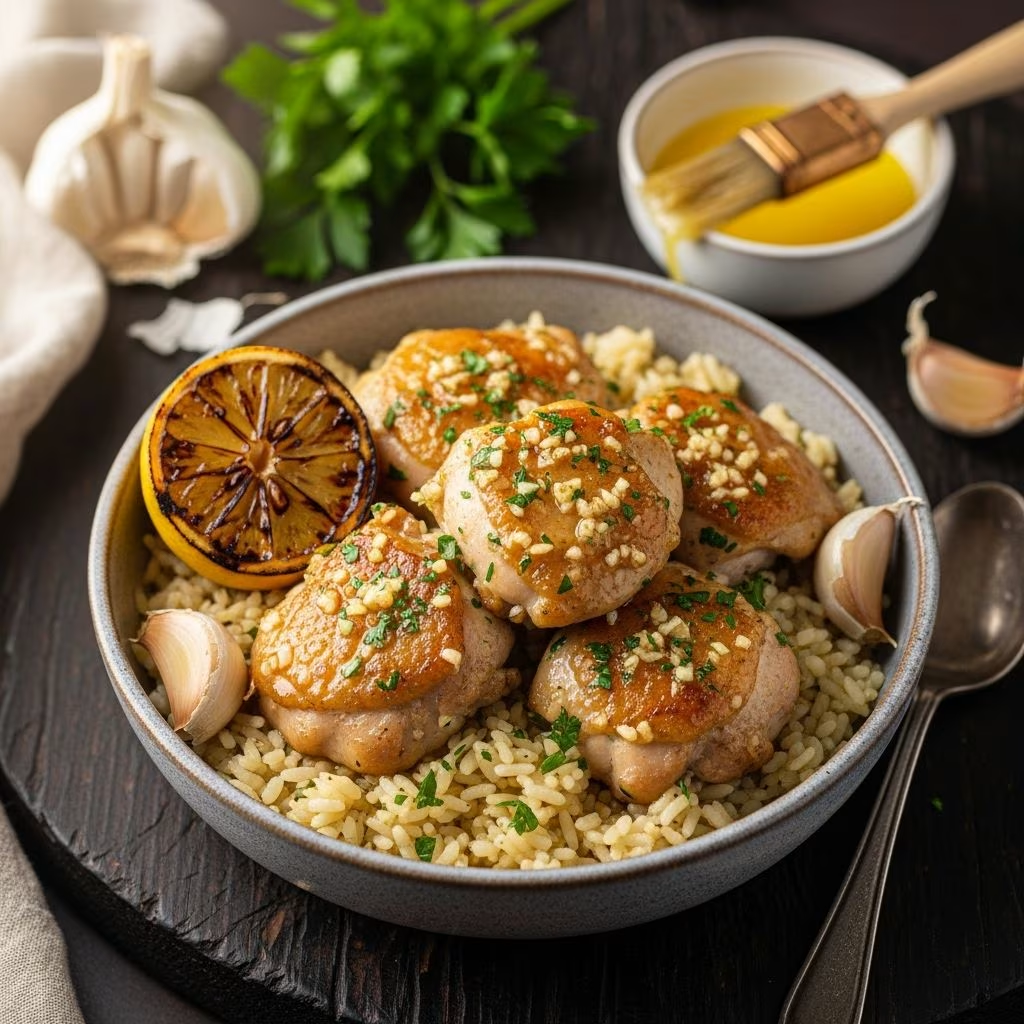
Creating an impressive dinner that satisfies the entire family doesn’t require hours in the kitchen or a mountain of dirty dishes. A well-executed one-pan chicken and rice dish demonstrates how strategic ingredient selection and proper technique can transform simple components into a restaurant-quality meal. This approach to home cooking brings together tender poultry, aromatic rice, and buttery garlic flavors while streamlining both preparation and cleanup.
Understanding the One-Pan Cooking Method
The beauty of one-pan cooking lies in its efficiency and the development of complex flavors through layering techniques. When ingredients cook together in the same vessel, they exchange flavors and create a cohesive dish where each component enhances the others. This method works particularly well for chicken and rice combinations because the poultry releases flavorful juices that infuse into the grains, creating a dish that tastes far more complex than its ingredient list suggests.
One-pan meals also represent a practical solution for busy households. The reduction in equipment means less time spent washing up and more time enjoying the meal or attending to other responsibilities. This cooking method has become increasingly popular among home cooks seeking efficiency without sacrificing quality or taste.
Selecting the Right Chicken Cut
The choice of chicken significantly impacts the final dish’s character. While various cuts work in one-pan recipes, different options offer distinct advantages:
- Chicken thighs provide superior moisture content due to their higher fat percentage, resulting in meat that remains tender and juicy even with extended cooking times
- Boneless, skinless chicken thighs offer convenience and cook relatively quickly while maintaining excellent flavor
- Bone-in, skin-on thighs deliver richer taste through the rendering of skin fats and bone marrow contribution to the broth
- Chicken breast represents a leaner option that cooks rapidly but requires careful attention to prevent drying out
For those prioritizing convenience and consistent results, boneless chicken thighs cut into bite-sized pieces offer an ideal balance. They brown quickly, cook through thoroughly, and maintain their moisture throughout the cooking process. The smaller pieces also integrate better into the finished dish, making each serving balanced with protein.
Building Flavor Through Aromatics and Spices
The foundation of this dish rests on three essential flavor components: garlic, butter, and strategic seasoning. Each plays a specific role in creating depth and complexity:
Garlic forms the aromatic backbone. Fresh minced garlic releases its essential oils when heated, creating a fragrant base that permeates both the chicken and rice. The timing of garlic addition matters considerably—adding it early risks burning and creating bitterness, while incorporating it at the right moment ensures a sweet, mellow garlic flavor.
Butter serves multiple functions beyond adding richness. It carries flavors more effectively than oil alone and creates a luxurious mouthfeel. The butter also facilitates browning of the chicken through the Maillard reaction, which creates the flavorful crust that distinguishes properly cooked poultry from boiled versions.
Seasonings round out the flavor profile. Paprika contributes subtle sweetness and a pleasant color, while dried herbs like thyme and oregano add earthy notes. Salt and pepper, though simple, remain essential for balancing and amplifying other flavors. These seasonings work synergistically with the garlic and butter to create a cohesive taste experience.
Rice Selection and Preparation
The type of rice chosen influences both texture and cooking time. Long-grain white rice remains the standard choice for one-pan chicken dishes because it absorbs liquid evenly and maintains individual grain separation when cooked properly. This variety provides a neutral backdrop that doesn’t compete with the chicken and garlic flavors.
Proper rice preparation begins before cooking. Some cooks prefer toasting uncooked rice in butter for 30 seconds, which enhances the grains’ nutty flavor and helps them absorb liquid more uniformly. This step, though optional, noticeably improves the final texture by preventing mushiness.
The rice-to-liquid ratio requires precision. Standard guidelines recommend using two cups of chicken broth for each cup of uncooked rice, though this varies slightly depending on rice type and desired final texture. Using low-sodium chicken broth allows for better seasoning control, as the cook can adjust salt levels to preference without risk of oversalting.
Essential Equipment and Setup
Success in one-pan cooking depends partly on choosing appropriate cookware. The ideal vessel for this dish possesses several characteristics:
| Equipment Type | Advantages | Considerations |
|---|---|---|
| Large skillet (12-inch) | Excellent heat distribution, easy to monitor progress, simple to stir | May require covering with foil rather than lid |
| Dutch oven | Retains heat effectively, provides tight-fitting lid, transitions easily to oven | Heavier to handle, longer preheating time |
| Oven-safe skillet | Combines skillet advantages with oven capability, superior browning | Requires oven ownership and availability |
The cookware material also matters. Heavy-bottomed stainless steel or cast iron distributes heat evenly and prevents hot spots that could cause sticking or uneven cooking. The vessel must be large enough to accommodate all ingredients without crowding, which interferes with proper browning.
Step-by-Step Cooking Process
Phase One: Preparing the Chicken
Begin by pat