When the holiday season arrives, many home cooks find themselves searching for side dishes that complement traditional proteins without requiring hours of preparation. A fresh cranberry relish serves as an excellent solution, offering bright, refreshing flavors that balance richer main courses. This tart-sweet condiment has become a staple on tables across the country, appreciated for its simplicity and versatility. Unlike traditional cranberry sauce that requires cooking and constant stirring, a no-cook version provides the same delicious results with significantly less effort.
Understanding Cranberry Relish and Its Culinary Role
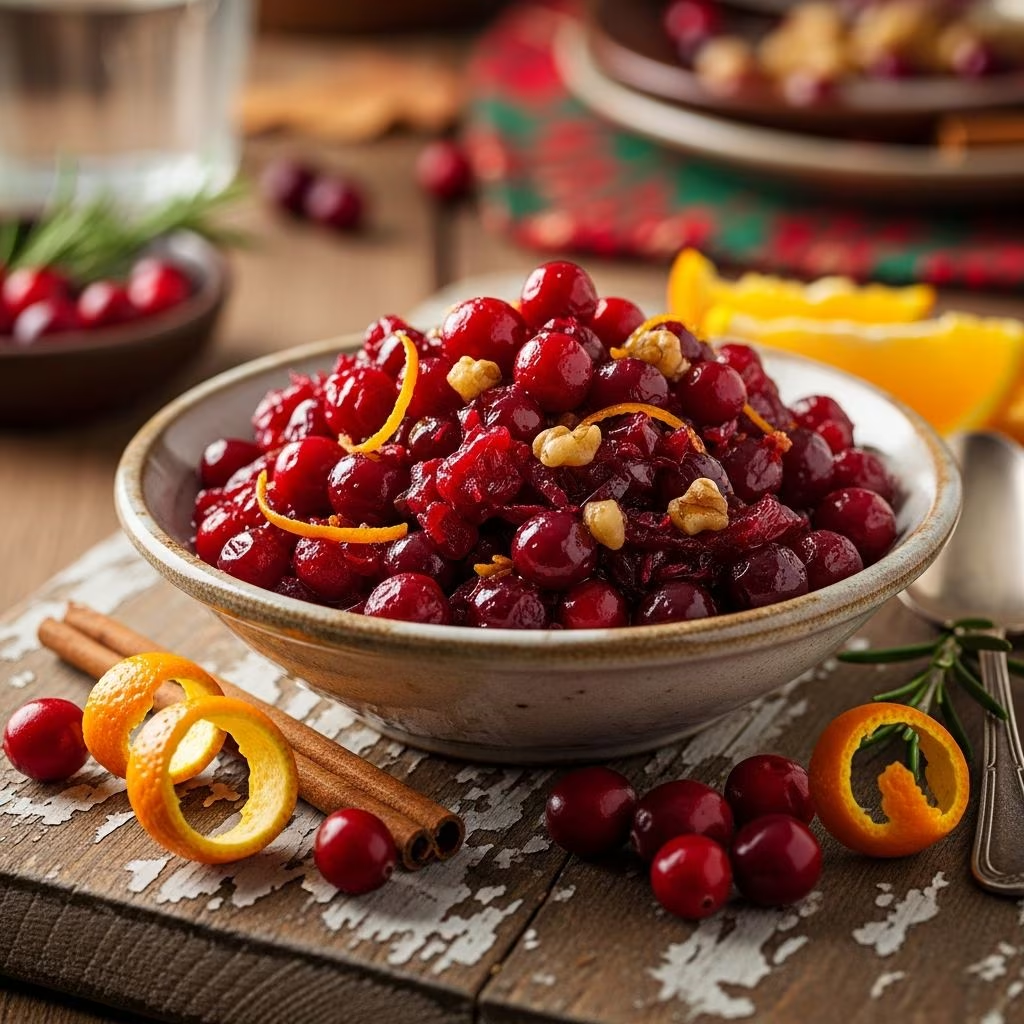
Cranberry relish represents a unique category of condiments that fall between a sauce and a chunky spread. The distinction lies in texture and preparation method—while some recipes involve cooking, many modern versions celebrate the natural tartness of fresh berries by skipping the heat entirely. This approach preserves the fruit’s bright color and crisp flavor profile, creating a vibrant accompaniment that visually enhances any plate.
The beauty of relish lies in its flexibility. Served alongside turkey, chicken, or pork, cranberry relish cuts through rich, heavy flavors with natural acidity. The combination of whole fruit pieces and a lightly sweetened binding creates textural interest that elevates ordinary side dishes to something memorable. Additionally, cranberry relish stores well, making it an ideal make-ahead preparation for busy holiday schedules.
Essential Ingredients for Quality Results
Creating exceptional cranberry relish begins with selecting quality components. Each ingredient contributes specific characteristics that work together to achieve balance and depth of flavor.
Fresh Cranberries: The Star Component
Fresh cranberries form the foundation of any quality relish. A standard twelve-ounce package provides sufficient quantity for most gatherings, yielding approximately three cups of finished product. Before processing, rinse the berries thoroughly and discard any that appear shriveled, mushy, or discolored. This quality control step ensures that only firm, vibrant berries make their way into the final dish, preventing off-flavors or compromised texture.
The natural tartness of cranberries drives the flavor profile of relish. Unlike sweetened cranberry juice cocktails, fresh berries offer genuine fruit character without artificial additives. This authentic quality justifies the slightly higher cost compared to processed alternatives and results in noticeably superior taste.
Citrus Elements: Brightness and Balance
A medium navel orange provides both juice and aromatic oils that brighten the relish and add complexity. The key to proper orange preparation involves leaving the peel intact while removing seeds and tough portions. The peel contributes subtle bitterness that complements cranberry tartness, creating a more sophisticated flavor profile than sugar alone could achieve.
Some variations incorporate orange zest as a separate component, adding concentrated citrus oils to the mixture. This technique intensifies the citrus character while maintaining control over the final flavor intensity. Whether using whole orange pieces or incorporating zest, citrus remains non-negotiable for authentic cranberry relish.
Sweetening Options and Ratios
Granulated white sugar serves as the traditional sweetener, typically ranging from three-quarters to one full cup per twelve-ounce package of berries. The exact amount depends on personal preference—those favoring more pronounced tartness should lean toward the lower end of this range, while those preferring sweeter profiles can increase accordingly. Remember that sweetness intensifies as the mixture sits in the refrigerator, so initial tasting may not represent the final flavor.
Alternative sweeteners offer different characteristics. Raw honey provides subtle floral notes and a smoother sweetness compared to granulated sugar. Maple syrup adds earthy complexity, while agave nectar offers neutral sweetness without crystalline texture. Regardless of sweetener choice, the goal remains achieving balance between the natural tartness of cranberries and complementary sweetness.
Optional Flavor Enhancement Strategies
While the three-ingredient version stands alone beautifully, many cooks choose to incorporate complementary flavors that build depth and sophistication.
- Ground Cinnamon: One-half teaspoon adds warm spice without overwhelming the palate, evoking traditional holiday associations
- Fresh Ginger: Freshly grated ginger contributes peppery heat and aromatic complexity, typically one-half to three-quarters teaspoon
- Crushed Pineapple: Drained canned pineapple adds tropical sweetness and subtle enzyme complexity, generally one-half cup
- Toasted Nuts: Pecans or walnuts provide textural contrast, best sprinkled as garnish rather than processed into the mixture
- Apple: A small cored and chopped apple adds mild sweetness and additional texture, particularly Honeycrisp or Granny Smith varieties
Step-by-Step Preparation Process
Preparing Your Equipment
A food processor serves as the essential tool for creating proper relish texture. Pulse settings rather than continuous blending provide better control, yielding the desired consistency of distinct fruit pieces suspended in sweetened juice. Avoid overprocessing, which creates an undesirable smooth consistency that lacks the textural appeal of traditional relish.
Processing the Orange and Apple
Begin by cutting both ends off the orange until you see the flesh while leaving most of the peel intact. Cut the prepared orange into eight wedges, removing any visible seeds. For recipes incorporating apple, core the fruit first and cut into similar-sized wedges. The matching sizes ensure even processing and consistent texture throughout the finished product.
Place orange and apple wedges into the food processor bowl and pulse until coarsely chopped. The texture should resemble chunky jam with distinguishable fruit pieces rather than smooth paste. Transfer the processed fruit to a large mixing bowl and set aside.
Processing the Cranberries
Rinse the cranberries thoroughly in a colander, removing any debris or damaged berries. Add the cleaned berries to the food processor and pulse until they reach similar consistency to the orange and apple pieces. This synchronization of texture ensures a cohesive eating experience where no single ingredient dominates.
Transfer the processed cranberries to the bowl containing the orange mixture and stir gently to combine.
Combining Sweetener and Spices
Add your selected sweetening agent to the fruit mixture, stirring thoroughly until the sugar dissolves partially and begins coating the fruit pieces. If using spices like cinnamon or ginger, this represents the ideal moment for incorporation, as the mixture remains moist and distributes seasonings evenly. Stir until all components appear well integrated.
Storage and Serving Recommendations
Transfer the finished relish to an airtight container and refrigerate for at least one hour before serving. This resting period allows flavors to meld and deepen, transforming the mixture from a simple combination of ingredients into a cohesive condiment. The relish will maintain quality for up to two weeks when properly stored in the refrigerator.
For longer storage, freeze the relish in airtight containers for up to three months. The frozen product maintains flavor and texture remarkably well, making it practical for preparing well in advance of holiday gatherings. Thaw in the refrigerator before serving rather than at room temperature.
Portion the relish into small serving bowls or decorative jars to accompany the main meal. Approximately one-quarter cup per person provides an appropriate serving size, though individual preferences may vary. The relish complements poultry, pork, and rich proteins particularly well, though it enhances vegetable-forward dishes as well.
Flavor Variations and Creative Adaptations
Once you master the basic formula, numerous creative directions present themselves. Substitute half the orange with lemon for increased tartness and brightness. Add a jalapeño or serrano pepper for unexpected heat, finely minced to distribute evenly. Incorporate a splash of cranberry juice or orange juice if you prefer a more fluid consistency than the standard chunky texture.
For autumn-inspired variations, experiment with added nutmeg, cloves, or allspice. A pinch of cardamom contributes sophisticated aromatic qualities. For those preferring savory profiles, replace sugar with a small amount of white wine or apple cider vinegar, transforming the relish into a more assertive condiment suitable for cheese boards or charcuterie presentations.
Pairing Relish with Your Holiday Menu
Consider the overall flavor profile of your menu when deciding whether to include cranberry relish. The condiment works exceptionally well alongside traditional Thanksgiving fare featuring roasted turkey, herb stuffing, and creamy sides. The bright acidity cuts through richness, providing palate refreshment between bites.
Beyond turkey-centric meals, cranberry relish enhances roasted chicken with herbs, glazed ham, and slow-roasted pork shoulder. The versatility extends to leftover applications—spread the relish on turkey sandwiches, swirl into yogurt for a simple dessert sauce, or serve alongside cheese for post-holiday entertaining.
Frequently Asked Questions
Can I make cranberry relish ahead of time?
Yes, cranberry relish improves with advance preparation. Making it one to two days ahead allows flavors to fully develop. Prepare according to standard instructions and store in the refrigerator in an airtight container.
What if my relish turns out too tart?
Stir in additional sugar or honey, one tablespoon at a time, tasting after each addition until you reach your preferred sweetness level. Remember that tartness mellows slightly as the mixture sits in the refrigerator.
Can I use frozen cranberries instead of fresh?
Frozen cranberries work well, though they may release more liquid during processing. If using frozen berries, thaw them first and drain any excess moisture before processing.
How long does homemade cranberry relish last?
Properly stored in an airtight container in the refrigerator, cranberry relish maintains quality for up to two weeks. Frozen relish keeps for three months without significant quality degradation.
Can I substitute the orange with another citrus fruit?
Lemons, limes, grapefruits, and even tangerines work as orange substitutes, each bringing distinct flavor characteristics. Lemons increase tartness, while sweeter citrus like tangerines reduce overall acidity.
References
- Fresh Cranberry Orange Relish — Ocean Spray. Accessed April 2026. https://www.oceanspray.com/recipes/fresh-cranberry-orange-relish
- 5-Minute Cranberry Orange Relish — Life, Love, and Good Food. https://lifeloveandgoodfood.com/cranberry-orange-relish/
- Best Cranberry Relish Recipe — Tastes Better From Scratch. https://tastesbetterfromscratch.com/fresh-cranberry-relish/
- Best Recipe for Cranberry Relish — The Kitchen Whisperer. November 2012. https://www.thekitchenwhisperer.net/2012/11/13/the-best-cranberry-relish-ever-no-really-like-ever/
- Easy Cranberry Orange Relish Recipe — Feast and Farm. https://feastandfarm.com/easy-cranberry-orange-relish-recipe/