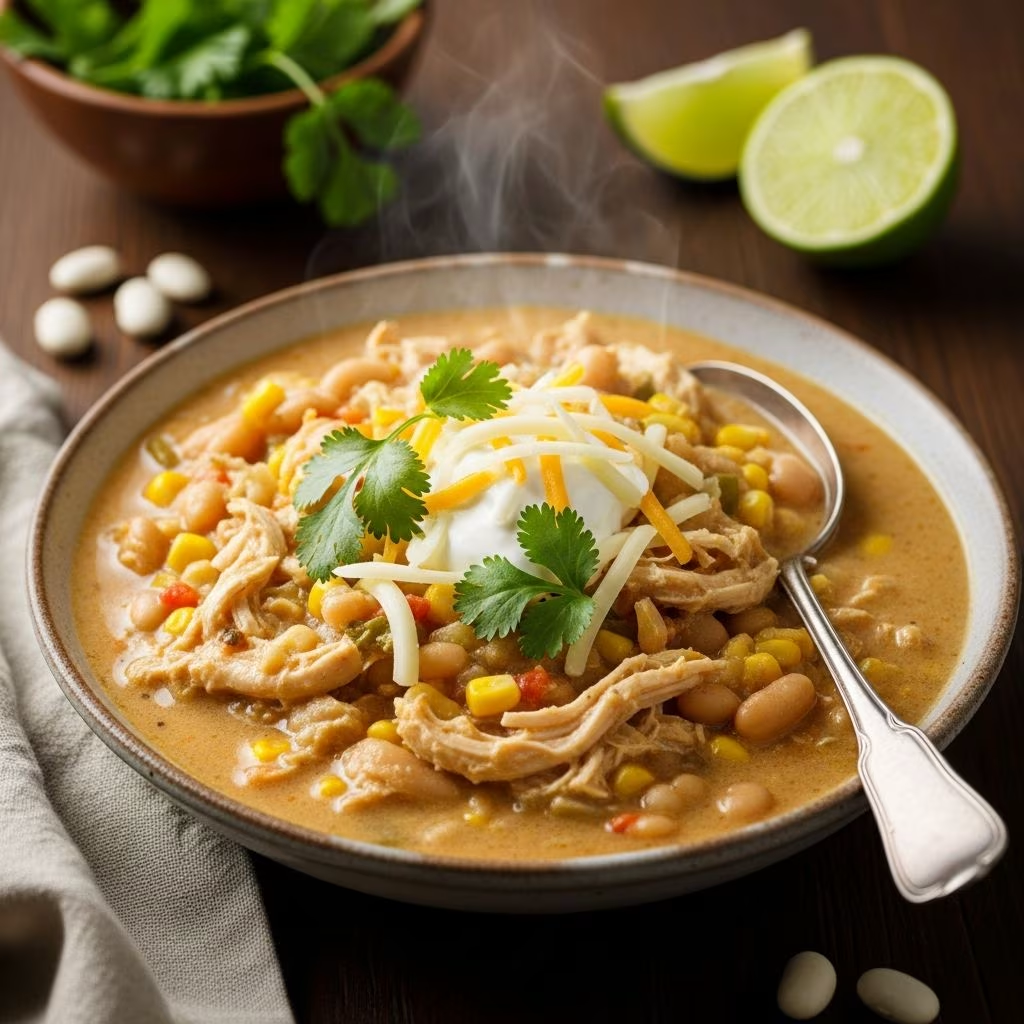
White chicken chili represents a departure from traditional red chili, offering a lighter yet equally satisfying alternative that brings together tender poultry, creamy broths, and vibrant seasonings. Unlike its tomato-based counterpart, this variation relies on a foundation of chicken stock and white beans to create a soup that feels both sophisticated and deeply comforting. The dish has gained considerable popularity in home kitchens over the past two decades, becoming a staple for family dinners, potlucks, and game-day gatherings.
What makes this dish particularly appealing is its versatility and adaptability. Whether you prefer stovetop cooking or the convenience of a slow cooker, white chicken chili accommodates various cooking methods without sacrificing flavor. The recipe also welcomes ingredient substitutions based on dietary preferences, heat tolerance, and ingredient availability, making it accessible to diverse home cooks.
Understanding the Core Components
The foundation of exceptional white chicken chili begins with understanding its key elements and how each contributes to the final dish.
The Protein Base
Chicken serves as the primary protein, with most recipes calling for either boneless skinless breasts or thighs. Breast meat tends to cook faster and provides a leaner result, while thigh meat offers richer flavor and remains moister during extended cooking times. Some cooks prefer pre-cooking chicken separately before shredding and adding it to the pot, while others add raw chicken directly to the broth and allow it to poach gently. The choice depends on your preferred texture and time constraints.
For maximum convenience, rotisserie chicken from your local grocery store eliminates cooking time entirely. Simply shred the meat and stir it into the pot during the final minutes of preparation. This approach works particularly well when time is limited or when you’re bringing chili to a gathering.
The Aromatic Foundation
Building flavor layers begins with aromatics. Onion and garlic form the essential base, typically softened in fat before other ingredients enter the pot. This process, known as sweating vegetables, releases their natural sugars and mellows their sharp edges. Most recipes begin by heating oil or butter over medium heat, then adding diced onions until they become translucent, followed by minced garlic cooked just until fragrant—typically 30 seconds to one minute to prevent burning.
The Liquid Base
Chicken broth provides the primary liquid component, with recipes typically calling for four to six cups depending on desired consistency. Low-sodium varieties allow better control over final saltiness, though standard broth works equally well if you adjust seasoning accordingly. Some adventurous cooks incorporate a splash of amber beer for additional depth, or use a combination of broth and cream-based liquids like half-and-half to create richer texture.
Bean Selection and Preparation
White beans—particularly Great Northern or cannellini varieties—provide heartiness and contribute to the soup’s creamy character. Using canned beans accelerates preparation time, though dried beans can be used if soaked and cooked in advance. Some recipes puree a portion of the beans and combine them with whole beans, creating a thicker, more cohesive texture while maintaining visual interest.
Spice Profiles and Heat Management
The spice selection distinguishes white chicken chili from standard chicken soup. A typical spice profile includes cumin, oregano, chili powder, cayenne pepper, and sometimes paprika. These seasonings work synergistically to create warmth and depth without overwhelming the palate.
| Spice | Purpose | Typical Amount |
|---|---|---|
| Ground Cumin | Earthy warmth and signature chili flavor | 1-2 teaspoons |
| Dried Oregano | Herbaceous depth and Mediterranean notes | ½-1 teaspoon |
| Chili Powder | Mild heat and complex spice character | 1-2 teaspoons |
| Cayenne Pepper | Sharp heat and peppery bite | ¼-½ teaspoon |
| Paprika | Subtle sweetness and color enhancement | ½ teaspoon |
Green chiles and jalapeños provide fresh heat alongside floral and grassy notes. Canned mild green chiles deliver consistent flavor with minimal heat, while fresh jalapeños offer brighter flavor and variable spiciness depending on their maturity and growing conditions. For a smoky depth, some recipes incorporate roasted poblano peppers, which add complexity without overwhelming heat.
Creating Creamy Richness
The creamy component distinguishes this soup from brothy chicken and bean soups. Several approaches achieve this texture:
- Cream Cheese Method: Softened cream cheese stirred into the finished chili creates silky richness and helps bind flavors together. This method works particularly well for stovetop cooking.
- Half-and-Half Addition: A combination of equal parts milk and cream creates a lighter creaminess than heavy cream alone while maintaining luxurious texture.
- Blended Beans Technique: Pureeing a portion of white beans with broth creates natural creaminess from starch and protein without additional dairy products.
- Flour Roux: Traditional cooking methods employ a roux—equal parts fat and flour cooked together—to thicken the broth naturally while creating a silky mouthfeel.
Step-by-Step Preparation Methods
Stovetop Cooking Approach
Begin by heating oil or butter in a large pot over medium-high heat. Add diced onions and cook for approximately five minutes until they begin softening. Introduce minced garlic and cook for one minute until fragrant. For recipes incorporating flour, sprinkle it over the aromatics now, stirring constantly for two minutes to cook out the raw flour taste and create a roux base.
Gradually add chicken broth while stirring continuously to prevent lumps from forming. Increase heat to bring the mixture to a simmer, then add all seasonings, green chiles, and raw chicken if using that method. Reduce heat to maintain a gentle simmer and cook for 15-20 minutes, allowing the chicken to poach thoroughly. Add white beans, corn if desired, and any additional vegetables, continuing to simmer for another 10-15 minutes until all ingredients are heated through.
In the final minutes before serving, stir in cream cheese, half-and-half, or other creaminess additions until fully incorporated. Taste and adjust seasonings, adding salt, pepper, or additional spices as needed. The entire process typically requires 45 minutes to one hour from start to finish.
Slow Cooker Adaptation
For hands-off cooking, combine all ingredients except dairy additions in your slow cooker. The layering of ingredients matters less in this method since extended cooking times allow thorough flavor development regardless of addition order. Cook on low for six to eight hours or high for three to four hours. Add cream cheese and any dairy components during the final 15 minutes of cooking to prevent separation or curdling from prolonged heat exposure.
Ingredient Variations and Customizations
White chicken chili welcomes numerous variations based on personal preference and available ingredients. Corn adds sweetness and textural contrast, though it’s entirely optional. Some cooks incorporate diced potatoes for additional heartiness, while others add spinach for nutritional value and color. Roasted poblano peppers provide smoky depth, while fresh cilantro stirred in at the end contributes brightness and herbaceous notes.
For those preferring vegetarian versions, chickpeas or additional white beans can replace chicken while maintaining protein content and satisfying texture. Vegetable broth substitutes for chicken stock without losing substantial flavor complexity.
Serving Suggestions and Accompaniments
White chicken chili pairs beautifully with various toppings that add textural contrast and flavor enhancement. Crispy tortilla strips provide crunch, while fresh lime juice brightens the overall flavor profile. Sour cream or Greek yogurt dollops add cool creaminess, and fresh cilantro contributes herbaceous notes. Sliced jalapeños deliver heat to individual taste preferences, and shredded cheese adds savory richness.
Cornbread represents the traditional pairing, though crusty bread, flour tortillas, or even rice serve equally well. For lighter accompaniments, a simple green salad with lime vinaigrette provides refreshing balance to the soup’s richness.
Storage and Make-Ahead Strategies
White chicken chili maintains quality when refrigerated for three to four days in an airtight container. The flavors actually deepen upon standing, making it ideal for make-ahead preparation. Freeze portions in individual containers for up to three months, thawing overnight in the refrigerator before reheating gently on the stovetop or in the microwave.
For meal planning purposes, you can prepare the soup through the point of adding cream cheese, then refrigerate or freeze at that stage. Complete the recipe by adding creaminess components and final seasonings when ready to serve, ensuring optimal texture and fresh flavor.
Frequently Asked Questions
Can I make white chicken chili without dairy?
Yes. Use blended white beans combined with vegetable or chicken broth to create creaminess without dairy products. Coconut milk also works beautifully, adding subtle sweetness and richness while maintaining a completely plant-based approach.
What’s the best way to shred chicken?
Allow cooked chicken to cool slightly, then place it on a cutting board. Use two forks—one to hold the meat stable and one to pull shreds away—or use an electric mixer on low speed with the paddle attachment for larger quantities.
How do I adjust spice levels?
Start conservatively with cayenne and fresh jalapeños, tasting as you go and adding more if desired. It’s easier to increase heat than to decrease it. For mild versions, use canned mild green chiles and eliminate jalapeños, reducing cayenne to a pinch or omitting it entirely.
Can I use rotisserie chicken?
Absolutely. Shred rotisserie chicken and stir it into the pot during the final 10 minutes of cooking. This eliminates active cooking time and works particularly well for busy schedules.
What’s the ideal consistency?
White chicken chili should be thicker than broth but pourable. If too thick, add additional broth gradually until reaching desired consistency. If too thin, simmer uncovered to allow liquid to reduce naturally.
References
- Creamy White Chicken Chili — Tastes Better From Scratch. Accessed April 2026. https://tastesbetterfromscratch.com/creamy-white-chicken-chili/
- Best White Chicken Chili Recipe — Delish. Accessed April 2026. https://www.delish.com/cooking/recipe-ideas/a57946/easy-white-chicken-chili-recipe/
- White Chicken Chili — The Cozy Cook. Accessed April 2026. https://thecozycook.com/white-chicken-chili/
- Healthy White Chicken Chili — Ambitious Kitchen. Accessed April 2026. https://www.ambitiouskitchen.com/healthy-white-chicken-chili/
- Award Winning White Chicken Chili — Panning The Globe. Accessed April 2026. https://www.panningtheglobe.com/award-winning-white-chicken-chili/