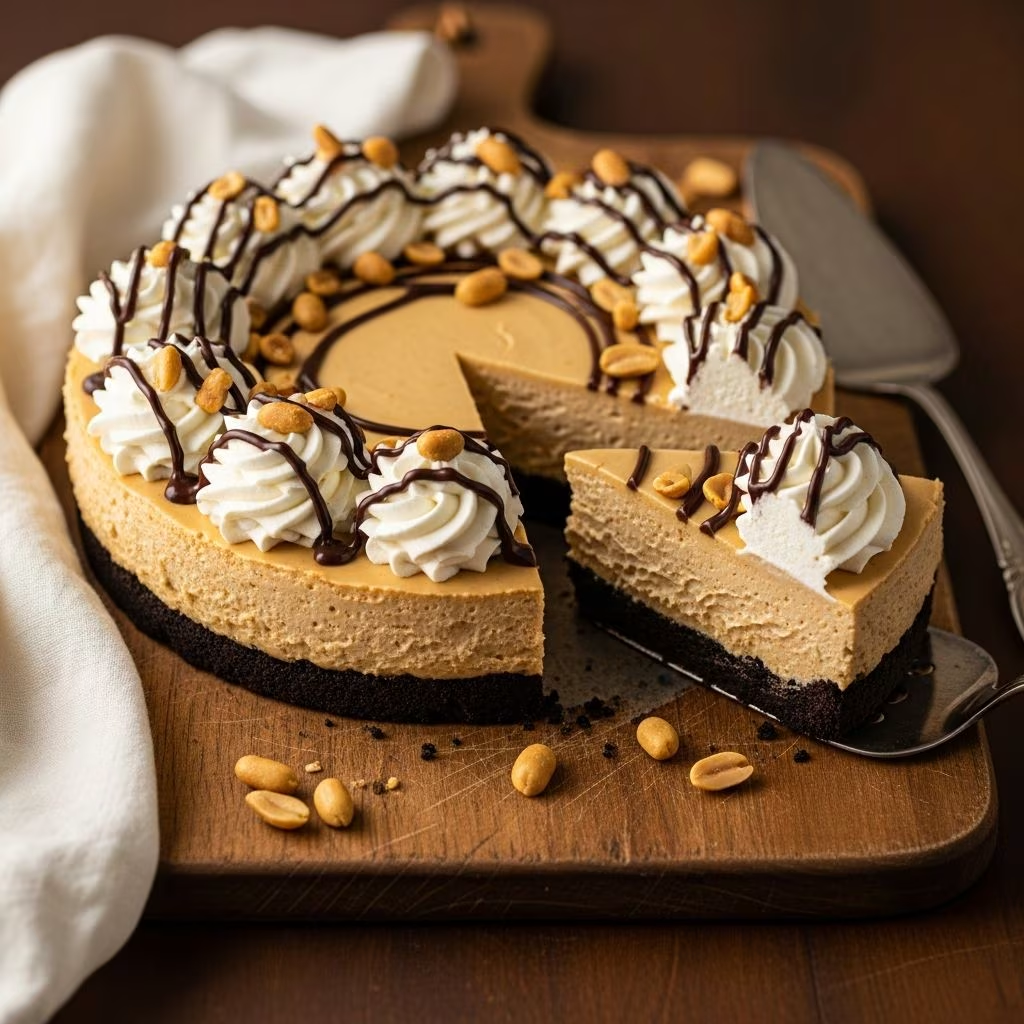
The appeal of peanut butter pie lies in its simplicity and indulgence. This beloved dessert combines the richness of peanut butter with the lightness of whipped cream, creating a texture that melts on your tongue. Best of all, most versions require no oven time, making them ideal for warm weather entertaining or when you want a sophisticated dessert without the fuss.
Understanding the Foundation: Why No-Bake Works
No-bake peanut butter pies have become increasingly popular because they offer several distinct advantages. The absence of baking means your kitchen stays cool, there’s minimal active cooking time, and the results are consistently creamy and luxurious. The foundation of these pies typically rests on a prepared pie crust whether graham cracker, chocolate cookie, or store-bought options which provides the necessary structure to hold the filling.
The filling itself relies on a combination of cream cheese, peanut butter, powdered sugar, and whipped topping. This trinity of ingredients creates a mousse-like consistency that’s both decadent and surprisingly light. The cream cheese provides tanginess and structure, while the peanut butter delivers the signature flavor, and the whipped topping introduces airiness and prevents the pie from becoming too dense.
Essential Ingredients and Their Roles
Success with peanut butter pie depends on understanding what each ingredient contributes to the final product:
- Cream Cheese: Softened to room temperature, cream cheese forms the base of your filling. It should be genuinely soft before mixing to ensure a smooth, lump-free texture. Cold cream cheese can result in an uneven filling with visible lumps.
- Peanut Butter: Use creamy peanut butter rather than natural varieties with separated oils. The consistency matters too runny and your pie won’t set properly; too thick and it becomes difficult to blend smoothly.
- Powdered Sugar: This ingredient sweetens the filling while maintaining its smooth texture. The fine powder dissolves easily into the cream cheese mixture without creating grittiness.
- Whipped Topping: Commercially prepared whipped topping like Cool Whip is preferred because it’s stable when folded into the filling. Freshly whipped cream can work but may deflate over time, affecting the pie’s texture after refrigeration.
- Pie Crust: Pre-made crusts save time and effort. Graham cracker crusts provide a classic sweet base, while chocolate cookie crusts add richness and pair beautifully with peanut butter.
The Classic Preparation Method
Creating your peanut butter pie follows a straightforward process that yields professional-quality results:
- Begin with softened cream cheese: Use an electric mixer to beat the cream cheese until it becomes light and fluffy, typically two to three minutes. This step incorporates air into the mixture, which contributes to the final texture.
- Incorporate the peanut butter: Add your chosen peanut butter to the cream cheese and continue beating until the mixture is homogeneous and well-combined.
- Add sweetness and smoothness: Gradually incorporate powdered sugar while beating. This prevents lumps and ensures even sweetness distribution throughout the filling.
- Fold gently: When adding whipped topping, use a gentle folding motion rather than vigorous mixing. Overmixing deflates the whipped topping and results in a denser pie.
- Transfer and chill: Pour the filling into your prepared crust and smooth the top with a spatula. Refrigerate for at least four hours, though overnight chilling allows flavors to meld completely.
Flavor Variations and Enhancements
While the classic version is beloved, numerous variations exist to suit different preferences:
| Variation | Key Addition | Best For |
|---|---|---|
| Chocolate Layer | Ganache or fudge layer beneath filling | Chocolate-peanut butter lovers |
| Oreo Crust Version | Cookie crumb crust made with Oreos | Cookie enthusiasts |
| Decadent Drizzle | Hot fudge and peanut butter drizzle topping | Over-the-top indulgence |
| Candy Mix-in | Chopped Reese’s pieces or peanut butter chips | Textural complexity |
| Vanilla Enhanced | Vanilla extract added to filling | Subtle flavor depth |
Achieving the Perfect Texture
The texture of your peanut butter pie should be creamy yet firm enough to slice cleanly. Achieving this balance requires attention to several factors. The ratio of cream cheese to peanut butter influences density more cream cheese results in a tangier, denser pie, while higher peanut butter ratios produce an earthier flavor with lighter texture.
The amount of whipped topping also affects the final result. Pies with higher whipped topping ratios tend to be fluffier but may become less stable after several days. Those with less whipped topping are denser and maintain their structure longer during storage.
Chilling time plays a crucial role in texture development. Pies chilled for four hours will slice adequately, but those refrigerated overnight develop a firmer, more stable consistency that holds its shape better when plated.
Crust Considerations
The crust provides both structure and flavor foundation. Graham cracker crusts offer a subtle sweetness and sandy texture that contrasts pleasantly with the creamy filling. These crusts work especially well if slightly buttered before filling, which adds richness and prevents sogginess.
Chocolate cookie crusts, made from crushed Oreos or similar cookies bound with butter, provide deeper flavor and complement the peanut butter filling beautifully. These crusts benefit from refrigeration before filling to ensure they hold the filling securely without slumping.
If using a store-bought frozen crust, allow it to thaw completely and ensure it’s cold before adding your filling. A cold crust prevents the filling from sliding around and helps maintain proper pie structure.
Storage and Make-Ahead Strategy
One significant advantage of no-bake peanut butter pie is its make-ahead friendly nature. The pie can be prepared up to two days in advance, making it ideal for entertaining. Store covered in the refrigerator to prevent the filling from absorbing odors from other foods.
Freezing is also possible—pies can be frozen for up to one month. Thaw in the refrigerator for several hours before serving. Note that freezing may slightly alter the whipped topping’s texture, making it slightly denser upon thawing.
For individual portions, peanut butter pie can be served directly from the refrigerator or frozen, depending on your preferred texture. Some prefer the lighter, mousse-like consistency achieved with refrigeration, while others enjoy the more solid texture of frozen pie.
Serving and Presentation Ideas
Transform your peanut butter pie from simple dessert to showstopper with thoughtful presentation. Garnish with chopped peanuts scattered across the top for visual interest and textural contrast. A drizzle of hot fudge or peanut butter added just before serving creates elegant presentation and enhances flavor.
For plating individual slices, warm your knife under hot water and wipe dry between cuts for clean edges. Serve with whipped cream on the side or top each slice with a dollop. Coffee pairs excellently with peanut butter pie, so consider offering it alongside this dessert at dinner parties.
Common Mistakes to Avoid
Several pitfalls can compromise your peanut butter pie experience. Using cold cream cheese straight from the refrigerator results in lumpy filling—always soften it first. Adding whipped topping to warm filling causes deflation and density issues. Overmixing the filling incorporates too much air initially, which then collapses during chilling.
Insufficient chilling time results in a pie that’s difficult to slice and serves as more mousse than pie. Conversely, using peanut butter that’s too liquidy or natural-style with separated oil creates a greasy filling that won’t set properly. Finally, rushing the process by using ingredients straight from cold storage compromises texture and mixing ability.
Frequently Asked Questions
Can I use natural peanut butter instead of creamy?
Natural peanut butter with separated oils can create texture issues in no-bake pies. If you prefer it, thoroughly stir it first to recombine the oil and peanut solids, creating a more stable consistency. Some recipes accommodate natural peanut butter by reducing other liquid ingredients slightly.
What’s the difference between refrigerating and freezing?
Refrigerated pies maintain a mousse-like consistency, while frozen pies become more solid and firm. Both are valid—choose based on your texture preference and serving timeline. Frozen pies take longer to thaw but slice more cleanly.
How can I prevent a soggy crust?
Allow the crust to chill thoroughly before filling. If using a graham cracker crust, a thin layer of melted chocolate spread on the bottom before adding filling creates a moisture barrier.
Can I make this pie nut-free?
Yes, though the flavor profile changes significantly. Sunflower seed butter or tahini can substitute for peanut butter, though they produce different flavor characteristics.
How long does homemade peanut butter pie last?
Properly stored in the refrigerator, peanut butter pie lasts three to four days. The filling may absorb refrigerator odors if not well-covered, so store in an airtight container or covered tightly with plastic wrap.
Nutritional Considerations
Peanut butter pie is indulgent by nature, combining full-fat cream cheese, peanut butter, and whipped topping. A typical slice contains significant calories from both fat and sugar, making it best enjoyed in moderation as part of a balanced diet. For those seeking lighter alternatives, using reduced-fat cream cheese or whipped topping creates a less decadent but still satisfying version.
Why This Dessert Remains Popular
Peanut butter pie’s enduring popularity stems from multiple factors: the beloved flavor combination of peanut butter and chocolate, the impressive yet achievable preparation method, and the no-bake convenience factor. It satisfies serious dessert cravings without requiring oven space or advanced baking skills. The pie also adapts easily to ingredient availability and personal preferences, making it accessible to home cooks with varying experience levels.
References
- Cream Cheese Composition and Food Safety — U.S. Food and Drug Administration (FDA). https://www.fda.gov/food/people-risk-foodborne-illness/listeria-and-food-safety
- Peanut Butter Nutritional Profile and Health Implications — National Institutes of Health, National Center for Biotechnology Information. https://pubmed.ncbi.nlm.nih.gov/
- Dessert Food Storage Guidelines — U.S. Department of Agriculture (USDA), Food Safety and Inspection Service. https://www.fsis.usda.gov/food-safety/safe-food-handling-and-preparation/food-safety-basics/safe-food-handling-faq
- Whipped Cream and Whipped Topping Production Methods — International Dairy Federation. https://www.idf.org/
- Temperature Effects on Food Texture and Consistency — Institute of Food Technologists. https://www.ift.org/