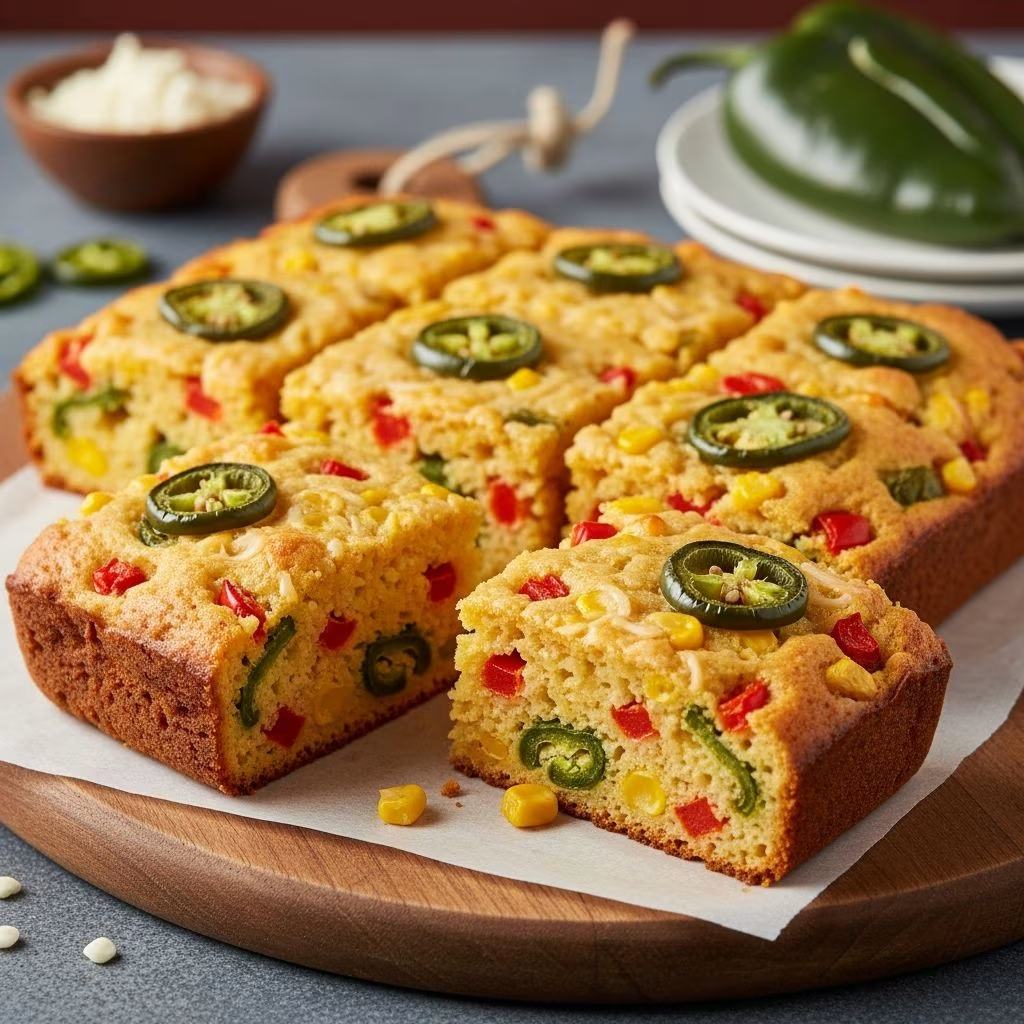
Mexican cornbread represents a delicious fusion of traditional American cornbread with vibrant Southwestern flavors. This beloved dish combines the comforting texture of classic cornbread with the bold notes of jalapeños, sharp cheddar cheese, and fresh corn kernels. Whether you’re preparing a weeknight dinner or hosting a gathering, understanding how to create this dish from scratch will elevate your baking repertoire and impress your guests with homemade goodness.
Understanding the Foundation: Essential Ingredients
The success of Mexican cornbread begins with selecting quality ingredients that work harmoniously together. The base of this recipe relies on a combination of cornmeal and all-purpose flour, which create the distinctive texture that makes cornbread so appealing. The cornmeal should ideally be medium-grind for optimal texture, though fine-grind cornmeal can be substituted if that’s what you have available in your pantry.
The leavening agents—baking powder and baking soda—work together to create a light, tender crumb structure. These ingredients react during mixing and baking to produce carbon dioxide bubbles that give cornbread its characteristic fluffy interior.
Wet Ingredients That Create Richness
Buttermilk serves as the primary liquid component, contributing both moisture and a subtle tangy flavor that complements the cornmeal. Real buttermilk produces superior results compared to milk or buttermilk substitutes, though alternatives can work in a pinch. Large eggs bind the ingredients and add richness, while butter—typically a full stick—ensures the cornbread remains moist and tender with well-developed flavor.
Many recipes incorporate creamed corn or frozen corn kernels, which add textural interest and natural sweetness. The corn pieces provide pleasant surprises with each bite while contributing moisture to the overall mixture.
Flavor Amplifiers: Cheese and Peppers
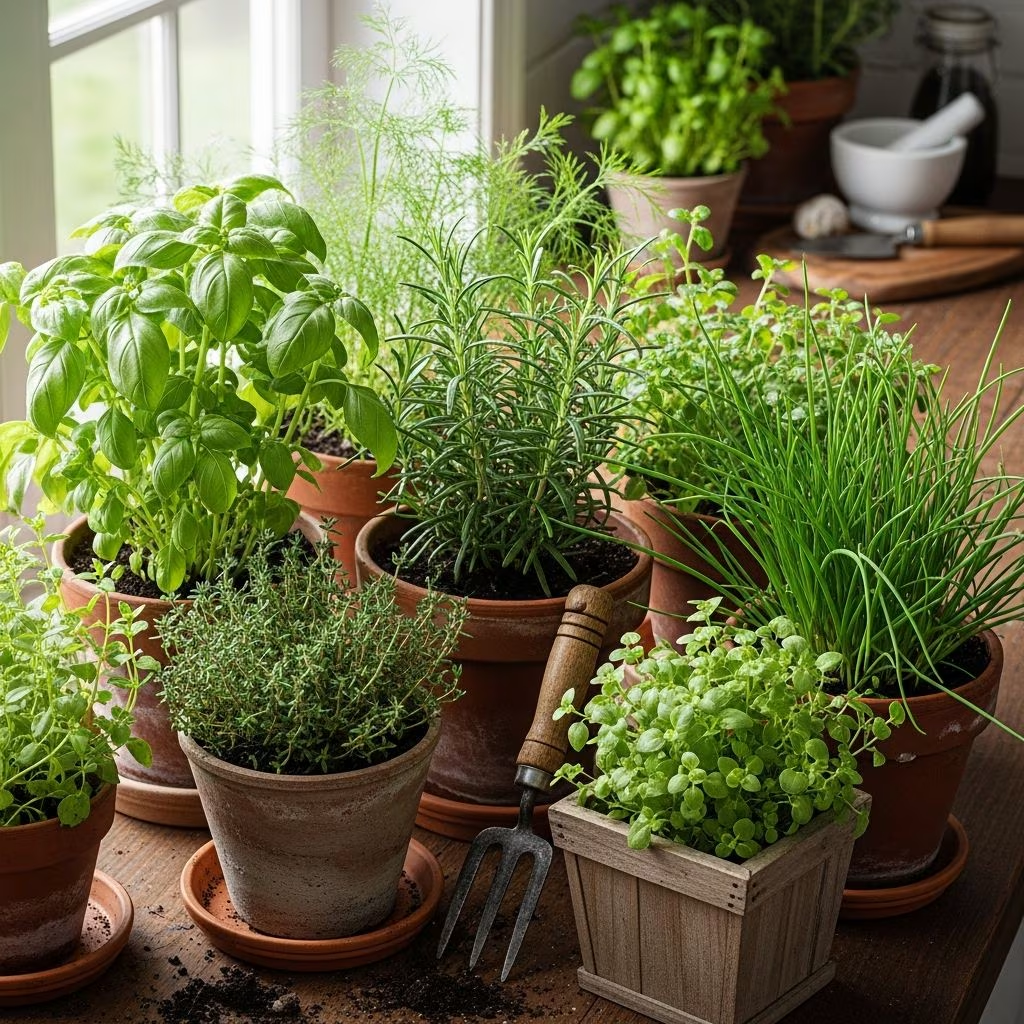
Sharp cheddar cheese or Monterey Jack represents the star ingredient that defines Mexican cornbread. These cheeses melt slightly during baking, distributing their tangy, robust flavor throughout the bread. Fresh jalapeño peppers add heat that can be controlled by removing seeds and membranes, allowing you to customize the spice level to your preference. Green onions contribute a mild onion flavor and visual appeal with their vibrant green color.
Preparation Techniques for Optimal Results
The Dry Ingredient Strategy
Begin by combining all dry ingredients—cornmeal, flour, baking powder, baking soda, salt, and sugar—in a large mixing bowl. Whisking these components together ensures even distribution of the leavening agents, which is critical for uniform rising throughout the cornbread. This step prevents pockets of unrisen dough and ensures consistent texture from edge to center.
Wet Ingredient Combination
In a separate bowl, combine eggs, melted butter, and buttermilk. Some recipes suggest blending the corn with buttermilk and eggs before adding to create a smoother batter, though this step is optional. The key is ensuring the wet ingredients are well combined before introducing them to the dry mixture.
The Folding Method
Rather than vigorous mixing, carefully fold the wet ingredients into the dry ingredients using a rubber spatula or wooden spoon. Overmixing develops gluten in the flour, which can result in tough, dense cornbread rather than the tender crumb you desire. Continue folding until ingredients are just combined—some small lumps in the batter are perfectly acceptable and actually desirable.
Incorporating Mix-Ins
After combining the basic batter, gently fold in jalapeños, green onions, and shredded cheese. These ingredients should be distributed throughout without excessive stirring. Some recipes recommend allowing the batter to rest at room temperature for 20 minutes before baking, which can enhance flavor development and moisture retention.
Baking Methods and Equipment Choices
Cast Iron Skillet Approach
The traditional method employs a 10-inch cast iron skillet preheated in the oven to 400°F. This approach creates notably crispy, golden edges while maintaining a tender interior—the contrast between exterior crispness and interior moisture is highly prized. After preheating, add a small amount of oil to the hot skillet and swirl to coat, then pour in the batter. The hot skillet immediately begins cooking the bottom of the cornbread, creating that desirable crust.
Baking Dish Alternative
An 8×8-inch square baking dish or springform pan offers a convenient alternative to cast iron. This method typically requires baking at 350°F for approximately 45 minutes. Line the baking dish with parchment paper for easy removal, or coat it generously with nonstick spray to prevent sticking.
Temperature and Timing Considerations
Oven temperatures vary between recipes, ranging from 300°F to 450°F depending on the cooking vessel and desired results. Cast iron methods typically use higher temperatures (400-450°F) and shorter baking times (25-30 minutes), while baking dishes usually employ moderate temperatures (350°F) and longer times (40-45 minutes). The cornbread is finished when a toothpick or knife inserted in the center comes out clean and the top achieves a light golden brown color.
Recipe Variations and Customizations
Protein-Enhanced Versions
Some recipes incorporate browned ground beef mixed with onions into the batter, transforming cornbread from a side dish into a more substantial component of a meal. This variation adds savory depth and creates a heartier finished product that can serve as a main course alongside salad or soup.
Vegetable Modifications
Beyond jalapeños and green onions, creative cooks often add diced bell peppers—red, green, or yellow—for additional color, sweetness, and nutrition. Minced garlic enhances the overall flavor profile, while canned green chiles provide a milder pepper flavor compared to fresh jalapeños.
Corn Options
While frozen corn is convenient and maintains good texture, canned cream-style corn creates a moister, more luxurious cornbread. Mexican-style corn blends offer authentic flavor variations. The choice between whole kernel corn and creamed corn significantly impacts the final texture, with creamed corn producing denser, more moist results.
Cheese Variations
While sharp cheddar and Monterey Jack dominate most recipes, experimenting with pepper jack cheese adds extra heat, while mild cheddar provides milder flavor. Some recipes suggest using multiple cheese types for complexity.
Comparison of Popular Methods
| Method | Baking Vessel | Temperature | Time | Best For |
|---|---|---|---|---|
| Traditional Cast Iron | 10-inch cast iron skillet | 400°F | 25-30 minutes | Crispy edges, rustic presentation |
| Square Baking Dish | 8×8-inch dish | 350°F | 40-45 minutes | Even cooking, easy serving |
| Meat-Enhanced | Cast iron or baking dish | 350°F | 45 minutes | Complete meal preparation |
Troubleshooting Common Challenges
Dense or Dry Cornbread
Dense texture typically results from overmixing the batter or using too much flour. Ensure you’re folding ingredients gently and measuring flour by weight when possible for accuracy. Overbaking also produces dry results, so check for doneness a few minutes before the recipe suggests.
Insufficient Rise or Flat Appearance
This issue often stems from expired leavening agents or incorrect oven temperature. Baking powder and baking soda lose potency over time, so verify expiration dates. Use an oven thermometer to confirm your oven maintains the correct temperature, as many home ovens run hotter or cooler than indicated.
Uneven Browning
Rotate the baking vessel halfway through cooking if you notice uneven browning. If the top browns too quickly while the center remains undercooked, tent the cornbread loosely with aluminum foil to protect it while the interior finishes cooking.
Storage and Make-Ahead Strategies
Freshly baked Mexican cornbread tastes best served warm, but proper storage extends its enjoyment. Cool the cornbread completely on a wire rack before wrapping tightly in plastic wrap or storing in an airtight container. Room temperature storage works for up to two days, while refrigeration extends shelf life to five days. For longer storage, freeze wrapped cornbread for up to three months; thaw at room temperature or reheat in a 350°F oven.
The batter itself can be prepared several hours in advance and refrigerated, though baking powder and baking soda may lose some potency over time. For best results, bake the cornbread within a few