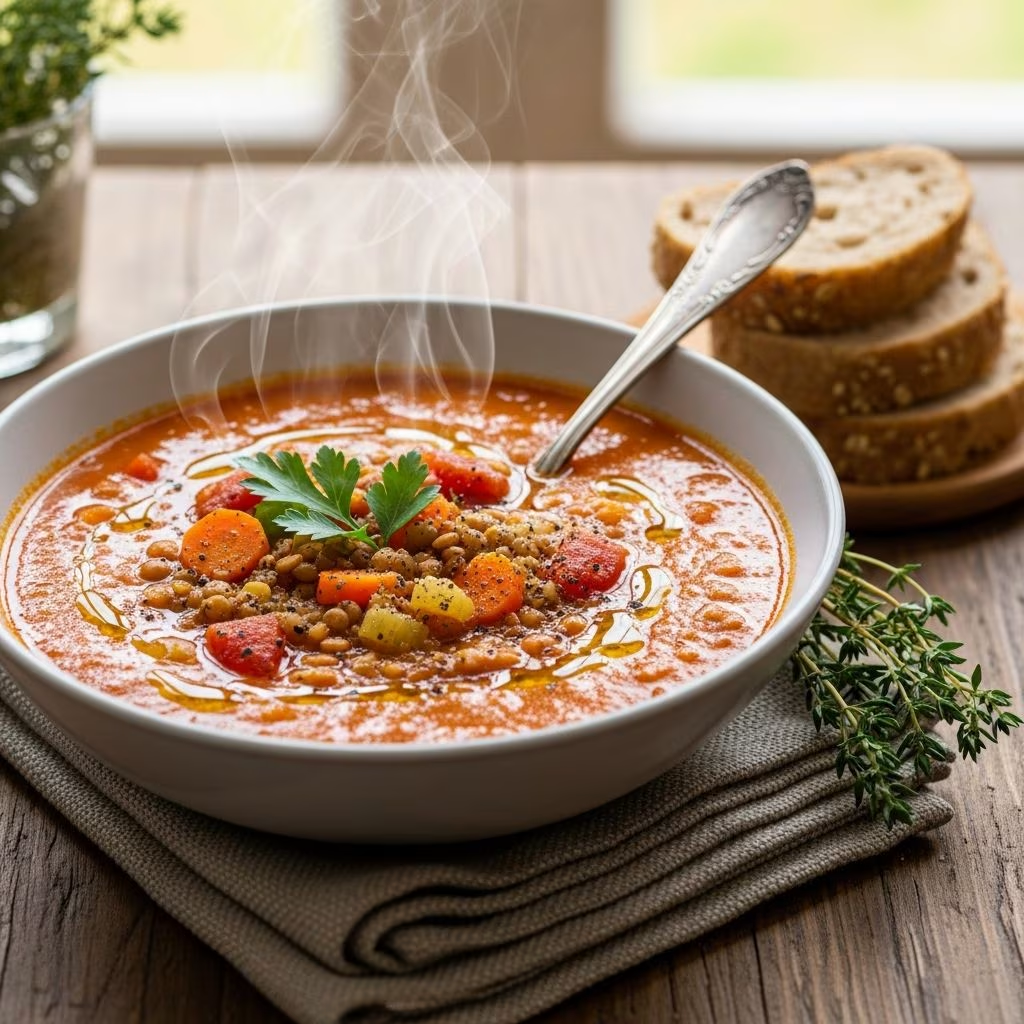
Creating a satisfying bowl of lentil soup represents one of the most accessible and rewarding cooking projects for both novice and experienced home cooks. This versatile legume-based dish combines the nutritional benefits of dried legumes with fresh produce, offering a meal that satisfies hunger while delivering substantial nutritional value. The beauty of this preparation lies in its simplicity: straightforward ingredients, minimal equipment requirements, and a straightforward cooking process that yields impressive results.
Why Lentil Soup Deserves a Place in Your Regular Meal Rotation
Legume-based soups have sustained human populations across numerous cultures for centuries, and modern culinary traditions continue to celebrate these humble yet nourishing preparations. Beyond their culinary appeal, lentils provide exceptional nutritional density, offering fiber, plant-based protein, and essential minerals that contribute to a balanced dietary intake. The cooking process transforms individual components into a unified dish where flavors meld and develop, creating complexity that belies the recipe’s fundamental simplicity.
The accessibility factor cannot be overstated. Most ingredients required for this preparation remain shelf-stable, meaning you can assemble this meal using pantry staples supplemented with fresh aromatics and vegetables. This characteristic makes lentil soup an reliable option for meal planning, budget-conscious cooking, and situations where grocery availability varies.
Essential Components: Understanding Your Ingredients
The Legume Foundation
The dried lentils serve as the structural and nutritional backbone of this preparation. Brown lentils, distinguished by their robust flavor profile and firm texture retention during cooking, represent the preferred choice for traditional preparations. Before incorporating them into your pot, rinsing the dried legumes removes dust particles and surface impurities that accumulate during harvesting and packaging. This preliminary step requires only a fine-mesh strainer and cool water—a quick rinse of approximately thirty seconds suffices.
Unlike larger legumes such as chickpeas or kidney beans, lentils do not require soaking before cooking. This characteristic reduces overall preparation time significantly, making lentil-based dishes practical for weeknight meal planning. The cooking duration for lentils varies slightly depending on specific variety and age of the legume, but typically ranges between thirty-five and fifty minutes when simmered in properly seasoned broth.
Aromatic Vegetables: Building Flavor Foundation
The aromatic vegetables—garlic, onion, and celery—create the flavor foundation that distinguishes mediocre soup from exceptional preparations. These components require mincing or fine chopping to maximize surface area exposure during the sautéing process, which encourages development of savory compounds through the Maillard reaction. Six garlic cloves, one medium onion, and two to three celery stalks provide appropriate proportions for a soup that serves six to eight people comfortably.
The sautéing process deserves particular attention. Heating two tablespoons of olive oil over medium-high temperature until it shimmers—approximately two minutes—establishes proper conditions for cooking aromatics. Adding the minced garlic, onion, and celery to this prepared oil and stirring occasionally over four to five minutes allows flavors to develop without burning. Proper heat management prevents bitterness while encouraging the subtle sweetness that emerges as natural sugars caramelize slightly.
Supporting Vegetables: Textural Variety and Nutrition
Carrots contribute natural sweetness, beta-carotene, and appealing color to the finished soup. Five to six large carrots, peeled and sliced into approximately one-quarter inch rounds before cutting into quarters, provide visual interest and pleasant textural variation. The consistent sizing ensures uniform cooking—a practical consideration that prevents some pieces from remaining crunchy while others become mushy.
Preparation Methods: Step-by-Step Execution
Pre-Cooking Organization
Mise en place—the culinary practice of organizing all ingredients before cooking begins—streamlines the cooking process and reduces the likelihood of errors. Before beginning, measure all dried lentils, chop all vegetables, and measure all liquid and seasonings. This organizational approach transforms cooking from a rushed, stressful experience into a controlled, enjoyable process.
The Cooking Sequence
Begin by placing your cooking vessel—preferably a Dutch oven or heavy-bottomed soup pot with a capacity of at least six quarts—on the stovetop and adjusting the heat to medium-high. Add olive oil and allow it to heat until it ripples slightly when you tilt the pot. Once properly heated, introduce the minced garlic, onion, and celery, stirring frequently to prevent sticking or burning. After approximately four to five minutes, the vegetables should soften and become translucent, releasing aromatic compounds that perfume the kitchen.
Add the carrot pieces along with one-quarter teaspoon each of kosher salt and black pepper. Continue cooking for five to six minutes, stirring occasionally, allowing the carrots to soften slightly while incorporating the seasonings. This staged approach to adding vegetables ensures that each component reaches optimal tenderness by the final cooking time.
Introduce the rinsed brown lentils to the pot, stirring constantly for approximately one minute. This brief cooking period allows the legumes to toast slightly, deepening their flavor profile. Pour in five cups of vegetable broth—or chicken broth if you prefer a non-vegetarian preparation—along with two cups of crushed tomatoes. Add one teaspoon each of Italian seasoning and sugar, plus an additional one-quarter teaspoon each of kosher salt and black pepper.
The Simmering Phase
Increase the heat to bring the mixture to a rolling boil, then immediately reduce the temperature to achieve a gentle boil. Cover the pot partially or fully, depending on whether you prefer additional liquid reduction, and maintain this cooking level for approximately forty-five minutes. Check the soup every twenty minutes, stirring occasionally and ensuring the lentils and vegetables are cooking appropriately without sticking to the bottom of the pot.
The soup reaches completion when the lentils have become tender but maintain their structural integrity—they should not disintegrate into a puree unless that represents your intentional preference. The vegetables should similarly be soft enough to cut easily with a spoon but retain enough firmness to be distinguishable in the finished product. If additional cooking time seems necessary, continue simmering for two to three additional minutes before evaluating again.
Customization and Texture Adjustment
Achieving Your Preferred Consistency
Recipes provide guidelines, but individual preferences vary regarding soup thickness and texture. If your finished preparation seems excessively thick or stew-like, you can adjust the consistency by adding additional vegetable broth or filtered water in quarter-cup increments, stirring thoroughly between additions until you achieve the desired texture. Conversely, if the soup seems too thin, allowing it to simmer uncovered for an additional ten to fifteen minutes permits some liquid to evaporate, concentrating flavors and thickening the overall preparation.
Flavor Enhancement Opportunities
After the lentils and vegetables have reached appropriate tenderness, you may wish to taste the preparation and adjust seasonings. A small amount of freshly ground black pepper often enhances the overall flavor profile, as does a modest quantity of apple cider vinegar or fresh lemon juice, which adds brightness and complexity. Fresh herbs such as parsley, cilantro, or dill can be stirred in immediately before serving, contributing aromatic notes that make the dish feel more refined.
Nutritional Considerations and Health Benefits
Lentils represent one of the most nutrient-dense foods available in most grocery stores. A single cup of cooked brown lentils provides approximately eighteen grams of protein and approximately fifteen grams of dietary fiber, making this preparation particularly satisfying and supportive of sustained energy levels. The combination of legumes with fresh vegetables extends the nutritional profile, introducing vitamins, minerals, and phytonutrients that support overall health and wellness.
The tomato component contributes lycopene, an antioxidant compound that research suggests may provide cardiovascular benefits. Carrots supply beta-carotene, which the body converts to vitamin A, supporting eye health and immune function. This combination of ingredients creates a nutritionally complete meal that addresses multiple dietary needs within a single preparation.
Storage and Meal Preparation Applications
Refrigeration Guidelines
Properly stored lentil soup maintains quality in the refrigerator for four to five days when placed in airtight glass containers. The soup’s flavors often develop and intensify after the initial preparation, making day-two or day-three consumption particularly rewarding. Before reheating, stir the soup thoroughly, as some settling may occur during storage.
Freezing for Extended Storage
For longer-term storage, freeze cooled soup in freezer-safe containers, leaving approximately one inch of headspace to accommodate expansion as the liquid freezes. Properly frozen lentil soup maintains quality for up to three months. Defrost overnight in the refrigerator before reheating gently on the stovetop over medium heat, stirring occasionally and adding a splash of broth or water if the mixture seems too concentrated.
Serving Suggestions and Complementary Accompaniments
A steaming bowl of lentil soup benefits from various accompaniments that enhance the eating experience. Crusty bread, whether a simple baguette or artisanal sourdough, provides textural contrast and offers a vehicle for enjoying any remaining broth at the bottom of the bowl. Fresh green salads featuring bitter greens such as arugula or radicchio provide brightness and nutritional balance.
For those seeking additional protein or heartiness, a dollop of plain Greek yogurt or a sprinkle of grated cheese creates richness while maintaining the dish’s fundamental character. Fresh herbs such as cilantro, dill, or basil scattered over the surface immediately before serving add visual appeal and aromatic complexity that elevates the casual nature of soup into something more refined.
Frequently Asked Questions About Lentil Soup Preparation
Can I use red or green lentils instead of brown lentils?
Red lentils cook more quickly—typically requiring only fifteen to twenty minutes—but break down more readily, creating a creamier, less textured result. Green lentils maintain their shape admirably but require slightly longer cooking times. Either option works, depending on your texture preferences, though brown lentils represent the traditional choice for preparations emphasizing individual ingredient distinction.
Is this soup suitable for vegan dietary requirements?
Yes, this preparation naturally accommodates vegan preferences when prepared with vegetable broth rather than chicken or beef broth. No animal-derived ingredients appear in the standard preparation, making it an excellent choice for plant-based meal planning.
How can I make this soup less thick?
Thin lentil soup by adding vegetable broth in quarter-cup increments until achieving your preferred consistency. Alternatively, if you prefer maintaining the current liquid quantity, reduce the amount of lentils by one-quarter cup in future preparations.
Can I prepare this soup in a slow cooker or pressure cooker?
Yes, both alternative cooking methods work well. For slow cooker preparation, sauté aromatics and vegetables for the first five minutes on the stovetop before transferring all ingredients to the slow cooker and cooking on low for four to five hours. Pressure cooker methods reduce cooking time to approximately twenty minutes once pressure has been achieved.
References
- Hearty Lentil Soup — The Rustic Foodie. 2024. https://www.therusticfoodie.com/hearty-lentil-soup/
- Hearty Lentil Soup – The Peasant’s Daughter — The Peasant’s Daughter. 2024. https://thepeasantsdaughter.net/lentil-soup/
- Mediterranean Lentil Soup (Healthy + High-Fiber) — The Plant Based School. 2024. https://theplantbasedschool.com/mediterranean-lentil-soup/
- Lentil Soup Recipe — Love and Lemons. 2024. https://www.loveandlemons.com/lentil-soup/
- Easy Lentil Soup Recipe — Sweet Peas and Saffron. 2024. https://sweetpeasandsaffron.com/greek-lentil-soup/
- Best Lentil Soup Recipe – Cookie and Kate — Cookie and Kate. 2024. https://cookieandkate.com/best-lentil-soup-recipe/