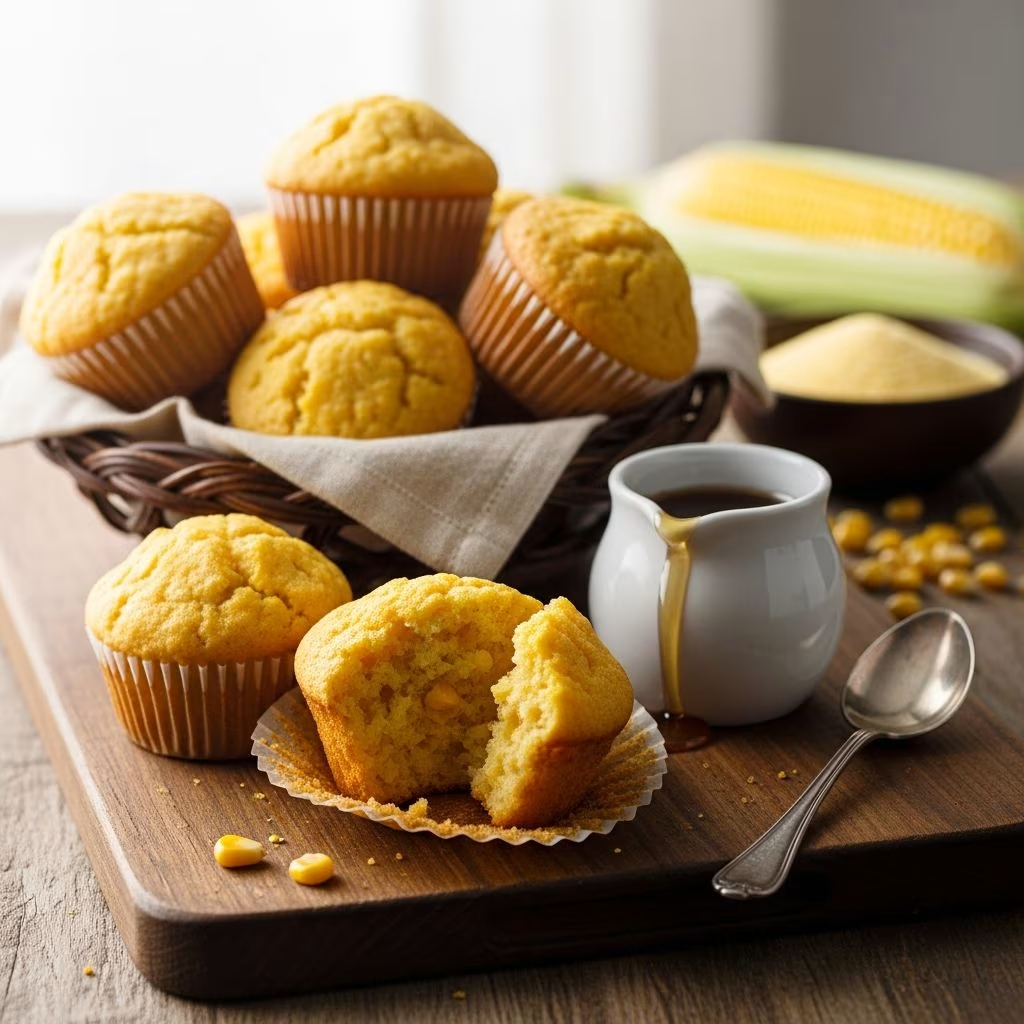
Corn muffins represent one of the most accessible baking projects for home cooks of all skill levels. Whether you’re preparing a quick breakfast, looking for a satisfying side dish to complement your dinner, or seeking a wholesome snack option, corn muffins deliver consistent, delightful results with minimal effort. The beauty of this baked good lies in its simplicity—the recipe requires only basic pantry staples and straightforward preparation techniques that yield impressive outcomes in less than half an hour from start to finish.
Understanding the Fundamentals of Corn Muffin Baking
Before diving into the preparation process, it’s helpful to understand what makes corn muffins distinct from traditional wheat-based muffins. The primary distinction stems from the inclusion of cornmeal, a ground corn product that imparts both a distinctive flavor and unique textural qualities. Cornmeal contributes a slightly grainy, tender crumb structure while delivering a subtle sweetness that appeals to diverse palates. The ratio of cornmeal to all-purpose flour significantly influences the final product’s character—recipes with higher cornmeal concentrations yield a more pronounced corn flavor and denser crumb, while those emphasizing flour tend toward a lighter, more delicate structure.
The leavening agents used in corn muffin recipes—typically baking powder and sometimes baking soda—create the rise and airiness characteristic of well-made muffins. These chemical leaveners release gas bubbles when combined with moisture and heat, producing the desired fluffy interior. Understanding this interaction helps explain why proper mixing technique and timely baking prove essential to success.
Essential Ingredients for Your Muffin Creation
Successful corn muffin baking begins with quality ingredients proportioned appropriately. The fundamental dry components include:
- Cornmeal (preferably fine-ground for optimal texture)
- All-purpose flour (provides structure)
- Baking powder (primary leavening agent)
- Salt (enhances flavor)
- Sweeteners (typically sugar, brown sugar, or honey)
- Optional baking soda (used in specific recipes requiring acidic counterbalance)
The wet ingredient component encompasses:
- Eggs (bind ingredients and add structure)
- Milk or buttermilk (provides moisture and tenderness)
- Butter or oil (contributes richness and aids moisture retention)
- Optional honey or additional sweeteners
Many recipes incorporate optional flavor-enhancing additions such as fresh or frozen corn kernels, diced peppers, chopped herbs, or dairy alternatives like sour cream. These variations allow for customization based on personal preferences and dietary requirements.
The Two-Bowl Mixing Method: Technique Matters
The traditional approach to corn muffin preparation involves separating wet and dry ingredients, combining them strategically, and maintaining careful control over mixing intensity. This methodological approach serves multiple purposes: it ensures even distribution of leavening agents throughout the batter, prevents overdevelopment of gluten (which would produce tough, dense muffins), and creates an optimal texture in the finished product.
Dry Ingredient Preparation: In your first mixing vessel, whisk together cornmeal, flour, baking powder, baking soda (if using), salt, and sugar. Whisking the dry ingredients separately before combining with wet components aerates the mixture and ensures uniform distribution of leavening agents and salt. This step takes merely two to three minutes but substantially impacts final results.
Wet Ingredient Combination: In a separate bowl, combine your melted butter or oil with milk, beaten egg, and any additional sweeteners. Some recipes suggest melting butter directly in warm milk to save time. Mix these components thoroughly until they achieve a homogeneous consistency before introducing the dry mixture.
The Critical Fold: The moment when wet and dry components meet represents the most delicate phase of preparation. Pour the wet mixture into the center of your dry ingredients, then use a rubber spatula or wooden spoon to gently fold the components together with a downward and sweeping motion. Continue until just barely combined—small streaks of flour may remain visible, and this represents the ideal stopping point. Overmixing develops gluten strands, resulting in tough, chewy muffins rather than the desired tender crumb. Resist the temptation to achieve perfect uniformity; slightly lumpy batter produces superior muffins.
Pan Preparation and Temperature Control
Proper pan preparation significantly influences whether your muffins release cleanly and develop attractive, evenly-browned tops. Line your muffin tin with paper liners for easy removal and minimal cleanup, or spray each cup with nonstick cooking spray. Some bakers prefer lightly brushing each cup with melted butter. Regardless of your chosen method, ensure complete coverage to prevent sticking.
The Preheating Advantage: Preheating your oven to the specified temperature (typically 375°F to 425°F depending on the recipe) ensures that muffins encounter immediate heat, which rapidly sets the structure while creating that prized golden-brown top. Some advanced bakers employ a temperature manipulation technique: baking muffins at 425°F for the first five minutes, then reducing temperature to 350°F for the remaining bake time. This initial blast of high heat quickly lifts the muffin crown upward, creating an attractive peaked appearance before the reduced temperature gentles the baking process to prevent over-browning.
Filling and Baking Your Muffins
Distribute batter into prepared muffin cups, filling each approximately three-quarters full for standard muffins or slightly fuller if using mini-muffin tins. The thickness of your batter—characteristically quite thick in corn muffin recipes—allows you to fill cups generously without fear of overflow. A spring-loaded cookie scoop or measuring spoon makes this process efficient and ensures relatively uniform sizing across the batch.
Baking duration varies based on muffin size and your specific recipe formulation. Standard muffins typically require 15 to 20 minutes, while mini-muffins finish in approximately 12 to 15 minutes. The muffins achieve doneness when a toothpick inserted into the center emerges clean or with only a few crumbs clinging to it, and the tops display light to medium golden-brown coloration. The baking process should happen relatively quickly—most corn muffin recipes complete within the 30-minute total time frame (including prep and baking combined).
Cooling and Serving Considerations
Remove the muffin tin from the oven using appropriate oven mitts or protective equipment. Allow the muffins to cool in the tin for approximately five minutes—this brief rest period permits the crumb to set slightly, making removal easier. After this initial cooling phase, transfer muffins to a wire rack to cool completely or until they reach a comfortable temperature for eating. Many people enjoy corn muffins served still warm, accompanied by butter, honey, or jam.
Ingredient Variations and Dietary Adaptations
The basic corn muffin formula accommodates numerous creative variations and dietary modifications. For dairy-free versions, substitute plant-based milk (such as almond or rice milk) for dairy milk and use plant-based butter alternatives. Those following specific dietary protocols might replace traditional sweeteners with dates or date honey for specialized nutritional needs. Adding fresh corn kernels, diced jalapeños, shredded cheese, or herbs creates savory variations suitable for dinner accompaniment rather than breakfast consumption.
Sweetness levels prove entirely customizable—recipes typically employ six to eight tablespoons of sugar, though you may adjust this according to personal preference and intended use. Slightly less sugar yields muffins suitable for savory applications, while additional sweetness satisfies those preferring dessert-like treats.
Troubleshooting Common Baking Challenges
Dense, Heavy Muffins: Overmixing represents the primary culprit behind dense crumb structure. Additionally, verify that your baking powder remains fresh and active—expired leavening agents cannot produce adequate rise.
Uneven Browning: Rotate your muffin tin halfway through baking if your oven demonstrates hot spots. Some ovens heat unevenly, and rotation promotes uniform browning.
Muffins Sticking to the Pan: Ensure adequate nonstick preparation through liners, spray, or butter. Allow a brief five-minute cooling period in the pan before attempting removal.
Collapsed or Sunken Muffin Tops: This typically indicates underbaking. Extend baking time slightly, or verify your oven’s actual temperature using an oven thermometer, as many home ovens operate hotter or cooler than their dial indicates.
Storage and Make-Ahead Options
Corn muffins store remarkably well, making them ideal for meal planning and batch preparation. At room temperature in an airtight container, they remain fresh for two to three days. For extended storage, freeze cooled muffins in freezer bags or containers for up to three months. Simply thaw at room temperature or briefly warm in your oven when ready to enjoy.
Frequently Asked Questions About Corn Muffin Baking
Can I use cornmeal substitutes?
While cornmeal provides the characteristic texture and flavor of these muffins, polenta (a coarser corn product) can work as a substitute, though it will produce slightly larger grains and different mouthfeel. Avoid using cornstarch as a direct replacement, as it lacks the structural properties of cornmeal.
What’s the difference between cornmeal and corn flour?
Cornmeal contains larger granules and provides a grainy texture, while corn flour consists of finely ground corn and produces smoother results. Most traditional corn muffin recipes specifically call for cornmeal rather than corn flour.
How can I make my muffins more flavorful?
Consider adding vanilla extract (½ to 1 teaspoon), fresh corn kernels, diced peppers, or chopped fresh herbs. Sweetening with honey instead of sugar adds subtle complexity, while melted butter contributes richness that enhances overall flavor perception.
Are mini-muffins and standard muffins made with identical batter?
Yes—the same batter serves both purposes, though baking time differs significantly. Mini-muffins bake considerably faster than standard-sized versions, typically completing in 12 to 15 minutes compared to 18 to 20 minutes for regular muffins.
Can I prepare the batter in advance?
Prepared batter should be used immediately after mixing for optimal rise and texture. Wet baking powder begins reacting as soon as moisture is introduced, so delay significantly diminishes leavening effectiveness.
Why Homemade Corn Muffins Excel
Creating corn muffins from scratch offers numerous advantages over packaged mixes or store-bought alternatives. Homemade versions provide superior flavor, better texture, and complete control over ingredient quality and sweetness levels. The entire process takes approximately 25 to 35 minutes from start to eating, making this an entirely practical weeknight project. The minimal equipment required—basic mixing bowls, a whisk, and a standard muffin tin—means virtually anyone can succeed with this straightforward baking endeavor.
Whether you’re a novice baker seeking an approachable first project or an experienced cook looking for a reliable, crowd-pleasing recipe, corn muffin baking rewards your efforts with warm, buttery, delicious results. The versatility of the basic formula permits endless creative interpretation while maintaining foolproof simplicity, making corn muffins a permanent fixture in the home baker’s repertoire.
References
- Corn Muffin Recipe – Ultimate Daniel Fast Friendly — Ultimate Daniel Fast. 2024. https://ultimatedanielfast.com/daniel-fast-corn-muffins/
- Easy Homemade Corn Muffins – Erren’s Kitchen — Erren’s Kitchen. 2024. https://www.errenskitchen.com/classic-corn-muffins/
- Homemade Sweet Cornbread Muffins – The Speckled Palate — The Speckled Palate. 2024. https://www.thespeckledpalate.com/sweet-cornbread-muffins/
- Corn Muffins (Perfectly sweet!) – Sugar Spun Run — Sugar Spun Run. 2024. https://sugarspunrun.com/corn-muffins/
- Easy Cornbread Muffins Recipe – Sally’s Baking Addiction — Sally’s Baking Addiction. 2024. https://sallysbakingaddiction.com/cornbread-muffins-recipe/