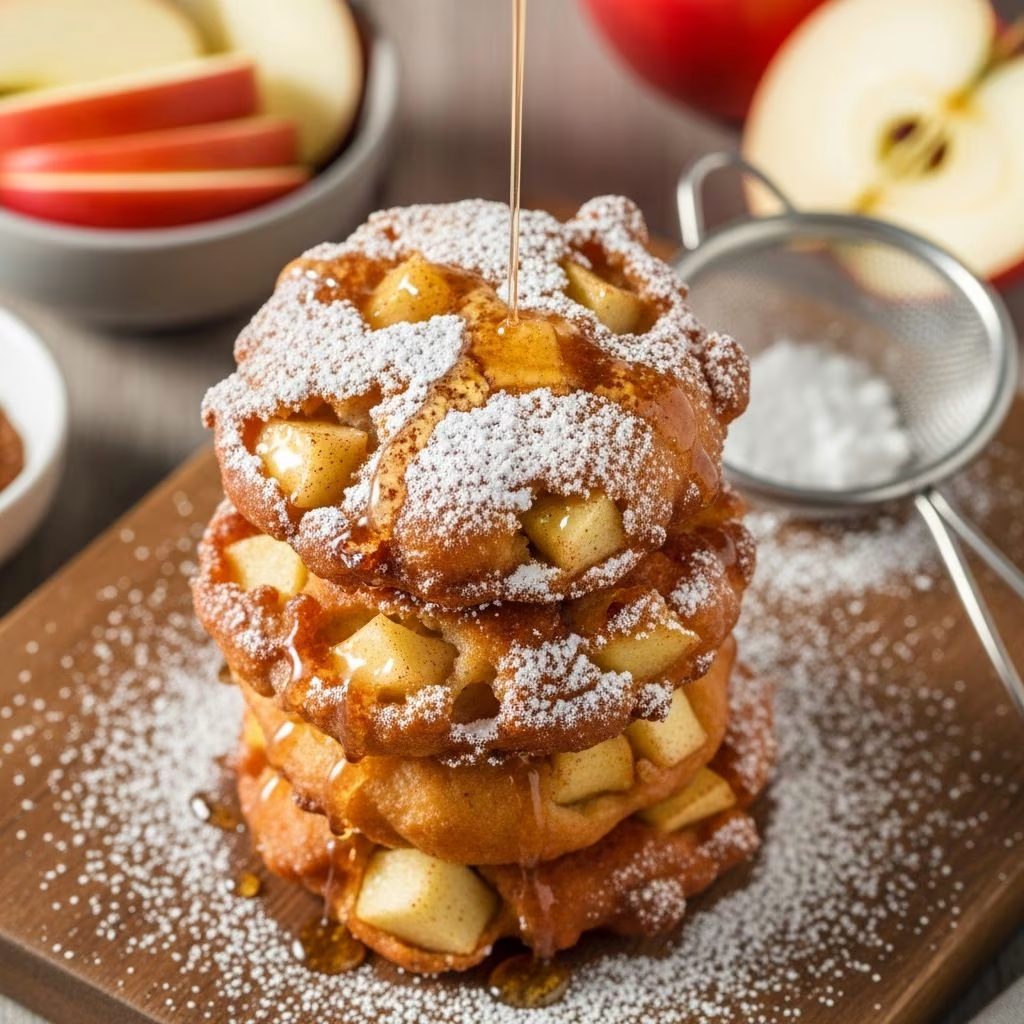
Apple fritters represent a timeless treat that combines the comfort of warm, tender apples with the indulgence of crispy, golden-fried batter. These delightful pastries have been cherished across generations as a versatile dessert that works equally well for breakfast, brunch, or an afternoon snack. Whether you’re seeking to recreate a childhood favorite or exploring the art of homemade fried pastries for the first time, this comprehensive guide will equip you with everything necessary to craft exceptional apple fritters in your own kitchen.
Understanding the Foundation: Essential Ingredients
Creating perfect apple fritters begins with understanding the role each ingredient plays in developing texture, flavor, and structure. The foundation of your batter relies on a carefully balanced combination of dry components that provide structure and lift during the frying process.
The Dry Ingredient Base
All-purpose flour serves as the primary structural ingredient, typically ranging from one to one and a half cups depending on the desired thickness and density of your fritters. The flour creates a framework that holds the apples in place while achieving an appealing texture that’s neither dense nor overly crumbly. Baking powder functions as your leavening agent, introducing tiny air pockets throughout the batter that create that distinctive light, airy crumb structure characteristic of exceptional fritters. Most recipes call for approximately two teaspoons of baking powder per cup of flour, which helps the batter expand during cooking.
Flavor Enhancement Components
Cinnamon emerges as the signature spice that defines the apple fritter experience, contributing warmth and depth that complements the natural tartness of apples. Ground cinnamon should be measured at roughly one to one and a half teaspoons, thoroughly whisked into the dry ingredients to ensure even distribution. Sugar, added in quantities of two to four tablespoons, balances the tartness of the apples while caramelizing during frying to create those prized golden-brown exterior surfaces. Salt, typically a quarter teaspoon, shouldn’t be overlooked—it heightens all the other flavors without introducing any noticeable saltiness.
Wet Ingredients That Bind
Eggs provide both moisture and binding power, with most recipes utilizing one to two eggs depending on batch size. They contribute to the structure while helping distribute moisture evenly throughout the batter. Milk serves as the hydrating component, with quantities typically ranging from one-third to one-half cup. Some recipes incorporate applesauce or melted butter to add richness and enhance moisture retention during the frying process. Vanilla extract, though not always included, adds subtle depth to the overall flavor profile when used at approximately one teaspoon per batch.
The Star Ingredient: Apples
Selecting the right apple varieties proves crucial for achieving optimal results. Granny Smith apples remain the most popular choice due to their tartness, which cuts through the sweetness of the batter and glaze while maintaining structural integrity during cooking. Honeycrisp and Fuji apples offer sweeter profiles that appeal to those preferring less tart flavors. Prepare apples by peeling and dicing them into pieces measuring between one-quarter and one-half inch in size, which allows adequate apple flavor in each bite while ensuring proper integration with the batter.
Preparation Techniques That Make a Difference
Combining Dry Components Efficiently
Begin your fritter-making process by whisking together all dry ingredients—flour, baking powder, salt, cinnamon, and sugar—in a medium-sized bowl. This step proves more important than simply mixing; whisking thoroughly distributes the baking powder evenly and prevents clumping, which ensures consistent rise throughout each fritter. This whisking action also aerates the flour slightly, contributing to a lighter finished product.
Preparing Wet Ingredients
In a separate bowl, combine your milk, eggs, and any additional wet ingredients like applesauce or melted butter. Whisk this mixture until ingredients are fully incorporated and the texture becomes uniform. Some recipes suggest beating the eggs with sugar before adding other liquid components, which creates a fluffier base that translates to lighter fritters with an airier interior texture.
The Critical Folding Method
The combining of wet and dry ingredients requires a gentle touch. Rather than vigorous mixing, pour the wet mixture into the dry ingredients and fold them together using a spatula or large spoon with a series of gentle, sweeping motions. Overmixing develops gluten in the flour, which creates a tough, dense texture rather than the tender crumb desired in fritters. The batter should appear slightly lumpy at this stage, which is exactly correct. Only after reaching a rough consistency should you fold in the diced apples with the same gentle touch, ensuring apples distribute throughout without being crushed or over-worked into the batter.
The Frying Process: Achieving Golden Perfection
Oil Selection and Temperature Control
Vegetable oil stands as the standard choice for frying apple fritters due to its neutral flavor and high smoke point. Canola oil serves as an equally suitable alternative. Heat your chosen oil in a heavy skillet, dutch oven, or dedicated deep fryer to a temperature between 370 and 375 degrees Fahrenheit. This precise temperature range proves critical—oil that’s too cool produces greasy, soggy fritters that absorb excessive oil, while overly hot oil burns the exterior before the interior cooks through. Use a thermometer to monitor temperature accurately rather than relying on visual cues alone.
Proper Frying Technique
When your oil reaches the correct temperature, carefully drop batter portions into the hot oil using a heaping tablespoon or small ice cream scoop. Each fritter should be roughly one-quarter to one-third cup in volume. Gently spread the batter slightly as it hits the oil, which helps achieve even cooking and promotes that desirable flat, disk-like shape. Work in small batches to prevent crowding the pan, which would lower the oil temperature and compromise texture. Each fritter requires approximately two to three minutes of cooking per side, turning only once to ensure both surfaces develop that characteristic golden-brown color.
Draining and Cooling
Upon achieving golden-brown coloration, remove fritters using a slotted spoon designed for deep frying, allowing excess oil to drip back into the pan. Transfer fritters to a cooling rack with paper towels underneath to catch any remaining oil drips. This setup prevents fritters from sitting in pooled oil, which would continue softening the exterior. Allow fritters to rest for a few minutes before applying glaze or powdered sugar.
Creating and Applying Simple Glazes
Three-Ingredient Basic Glaze
A simple glaze elevates apple fritters from good to exceptional. Combine two cups of powdered sugar with three to four tablespoons of milk and one teaspoon of vanilla extract in a shallow bowl, whisking until achieving a smooth consistency. The mixture should be pourable yet thick enough to coat without running off immediately.
Alternative Glaze Options
For a lighter glaze, reduce the powdered sugar to one and a half cups and add four teaspoons of water mixed with one-quarter teaspoon of lemon juice, which adds subtle brightness that complements apple flavors beautifully. Those preferring deeper flavor complexity might incorporate cinnamon directly into the glaze by whisking in an additional one-quarter teaspoon of ground cinnamon into the standard recipe.
Application Method
While fritters remain slightly warm, dip each one individually into the glaze, allowing excess to drip back into the bowl. Place glazed fritters on parchment paper or a clean baking sheet. The warmth of the fritters helps the glaze adhere while remaining pliable, creating an elegant, thin coating that hardens slightly as everything cools.
Ingredient Variations and Substitutions
| Ingredient | Standard Amount | Alternative Options | Notes |
|---|---|---|---|
| Apple Variety | Granny Smith | Honeycrisp, Fuji, Pink Lady | Sweet varieties make fritters less tart; mix varieties for complexity |
| Milk | 1/3 to 1/2 cup | Buttermilk, plant-based milk | Buttermilk adds subtle tang; non-dairy options work equally well |
| Eggs | 1 to 2 large | Egg substitutes (3 tbsp aquafaba per egg) | Substitutes work but may affect texture slightly |
| Fat Component | None or 2 tbsp butter | Applesauce, Greek yogurt | Adds richness and moisture; use at 2 tbsp per egg |
| Spices | Cinnamon only | Add nutmeg, allspice, or ginger | Use sparingly—1/8 to 1/4 tsp additional spices maximum |
Troubleshooting Common Issues
Fritters Turn Out Greasy
Excessive greasiness typically indicates oil temperature was insufficient. If oil hasn’t reached 370 degrees, fritters will absorb oil rather than forming a crispy exterior. Additionally, resting fritters directly on paper without elevation allows continued oil absorption. Use a cooling rack arrangement instead, and always verify oil temperature before beginning the frying process.
Interior Remains Undercooked
This issue usually stems from cooking temperature being too high, which browns the exterior rapidly while leaving the center raw. Reduce heat slightly and allow longer cooking times per side. Additionally, avoid creating extremely thick fritters, as their dense volume prevents heat from penetrating the center adequately. Stick to approximately one-third cup portions for optimal cooking.
Batter Breaks Apart During Frying
Insufficient binding typically causes this problem. Ensure eggs and milk have been properly incorporated, and verify that dry ingredients have been thoroughly whisked. Additionally, overmixing when combining wet and dry components can develop excessive gluten, paradoxically making batter brittle. Gentle folding movements throughout the preparation process prevent this issue.
Apple Pieces Sink to the Bottom
Overly dense apples or excessive apple quantity can cause settling. Dice apples into uniform, smaller pieces rather than large chunks, and ensure they’re folded in gently just before frying to maximize suspension. Some recipes pre-coat apples with cinnamon-sugar mixture before folding in, which may help them distribute more evenly throughout the batter.
Storage and Reheating Strategies
Freshly made apple fritters taste best consumed within a few hours of preparation, while they retain optimal texture and flavor. However, leftovers can be stored in an airtight container for up to two days at room temperature. For extended storage beyond two days, refrigerate fritters in sealed containers for up to four days or freeze for up to two months.
To revitalize stored fritters, preheat an oven to 350 degrees Fahrenheit and place fritters directly on a baking sheet for approximately eight minutes, which restores crispness to the exterior while gently warming the interior. Avoid using a microwave, as microwaving typically results in a rubbery, soggy texture. For frozen fritters, thaw them at room temperature for one hour before reheating using the oven method.
Frequently Asked Questions About Apple Fritters
Can apple fritters be made ahead?
Yes, fritter batter can be prepared up to two hours before frying, though allowing the batter to rest at room temperature for 15-30 minutes before frying yields superior results. The resting period allows flour to hydrate fully and creates a lighter, more tender finished product. However, don’t prepare batter significantly in advance, as baking powder begins losing effectiveness over time.
What’s the difference between fritters and donuts?
Fritters utilize a thicker, chunkier batter incorporating whole fruit pieces, while traditional donuts feature a smoother, more uniform batter and achieve distinctive shapes through specific molds or piping equipment. Fritters also typically include leavening agents like baking powder, whereas many donuts rely on yeast for rise.
Can I bake apple fritters instead of frying them?
While baked versions are possible, they lack the characteristic crispy exterior and tender interior that define authentic fritters. Baking at 375 degrees for approximately 12-15 minutes produces acceptable results but yields a different texture more similar to muffins than traditional fritters.
How many servings does a typical batch yield?
A standard batch using the measurements provided typically yields 8-12 fritters depending on portion size. One-third cup scoops produce approximately 10-12 generous portions, while heaping tablespoon portions yield about 16-18 smaller pieces.
Conclusion: Mastering Your Apple Fritter Craft
Creating delicious apple fritters at home requires attention to detail combined with patience and practice. By understanding the purpose of each ingredient, following proper preparation techniques, and maintaining careful temperature control during frying, you’ll consistently produce exceptional results that rival professional bakery offerings. Whether sharing these treats with family or enjoying them personally, homemade apple fritters represent a worthwhile culinary endeavor that delivers both satisfaction and joy.
References
- Old Fashioned Apple Fritters — Small Town Woman. Accessed 2026. https://www.smalltownwoman.com/apple-fritter/
- Apple Fritters Recipe | Donut Recipe — Deliciously Seasoned. Accessed 2026. https://www.deliciouslyseasoned.com/apple-fritters/
- Best Apple Fritters Recipe — The Pioneer Woman. Accessed 2026. https://www.thepioneerwoman.com/food-cooking/recipes/a8907/apple-fritters/
- Homemade Apple Fritters Recipe — Kitchen Fun With My 3 Sons. Accessed 2026. https://kitchenfunwithmy3sons.com/apple-fritters-recipe/
- Apple Fritters (Extra Easy) — Momsdish. Accessed 2026. https://momsdish.com/apple-fritters