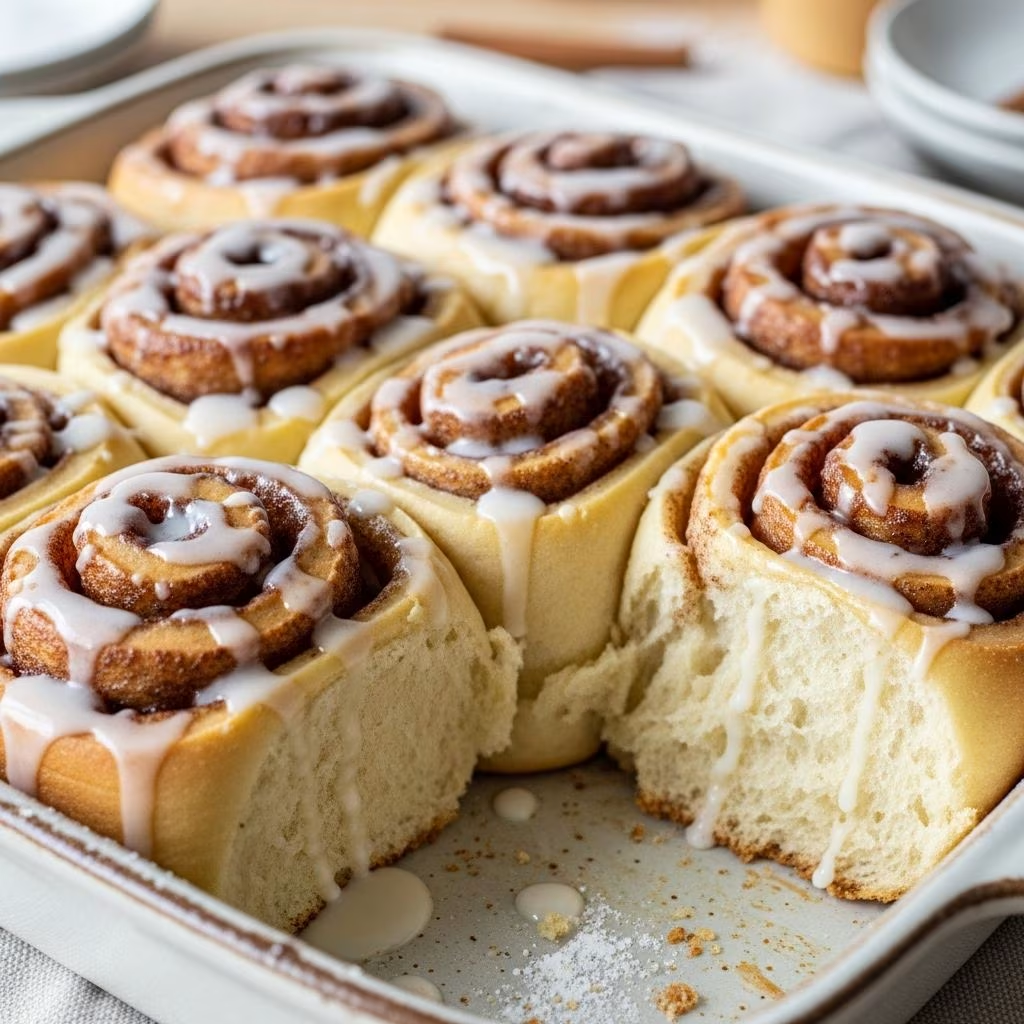
When you’re craving the warm, comforting flavor of freshly baked cinnamon rolls but lack the time or patience for traditional yeast-based dough, Hawaiian roll cinnamon rolls offer the perfect solution. This clever shortcut transforms soft, slightly sweet store-bought rolls into an indulgent treat that tastes remarkably similar to homemade pastries. The combination of buttery brown sugar filling, creamy frosting, and tender roll texture creates a dessert that appeals to both seasoned bakers and kitchen novices alike.
Why Hawaiian Rolls Make the Perfect Base
Hawaiian rolls have become a staple in American kitchens, prized for their pillowy softness and subtle sweetness. These rolls possess unique characteristics that make them ideal candidates for transformation into cinnamon rolls. Their tender crumb structure absorbs flavors exceptionally well, while their built-in sweetness complements cinnamon and brown sugar beautifully. Unlike dense sandwich breads, Hawaiian rolls maintain their soft texture even after being sliced and baked, creating that coveted gooey center that makes cinnamon rolls so satisfying.
The convenience factor cannot be overstated. By eliminating the need to proof yeast dough, knead, and wait for rising periods, this recipe compresses the traditional cinnamon roll process into a manageable 30-minute timeframe. This makes Hawaiian roll cinnamon rolls an excellent choice for busy mornings, holiday entertaining, or when you want to impress guests with minimal effort.
Essential Ingredients and Their Roles
Creating memorable Hawaiian roll cinnamon rolls requires understanding how each component contributes to the final product. Quality ingredients ensure the best results, even though the ingredient list remains refreshingly simple.
The Foundation: Hawaiian Rolls
A standard 12-count package of King’s Hawaiian Rolls serves as the foundation for this recipe. These rolls contain approximately 70-80 calories each and offer a slight pineapple undertone that adds complexity to the finished dish. The rolls arrive pre-cooked and require no proofing, making them fundamentally different from scratch baking.
The Filling: Butter, Brown Sugar, and Cinnamon
The filling represents the flavor backbone of the recipe. Softened butter provides richness and helps the cinnamon and brown sugar adhere to the roll surfaces. Brown sugar, whether light or dark varieties, brings molasses notes and moisture to the filling. Ground cinnamon should be fresh and fragrant, as older cinnamon can taste dusty and lack the warm spice punch essential to the recipe’s character.
The Frosting: Cream Cheese and Confectioners’ Sugar
Cream cheese frosting elevates these rolls from simple baked goods to dessert-quality treats. The tangy richness of cream cheese balances the sweetness of the rolls and filling, while confectioners’ sugar provides smooth spreadability. Some recipes incorporate vanilla extract for additional depth, though this remains optional based on personal preference.
Preparation Methods: Multiple Approaches
Different techniques for assembling Hawaiian roll cinnamon rolls offer varying results and complexity levels. Understanding these methods allows you to choose the approach that best suits your schedule and skill level.
The Horizontal Slice Method
This straightforward approach involves slicing rolls horizontally to create two flat surfaces. Position the rolls on a baking sheet, then carefully cut each roll in half while keeping the top and bottom connected. Spread approximately three-quarters of your cinnamon-sugar filling on the bottom half, then replace the top. Apply the remaining filling to the exposed top surface. This method creates an attractive presentation and distributes filling evenly throughout the rolls.
The Spiral Technique
For those seeking visual drama, the spiral cutting method creates an impressive appearance. Using a sharp paring knife, start at the center of each roll and cut in a circular pattern toward the edge, creating a spiral groove. Brush or spread the cinnamon-sugar mixture into these grooves, allowing the filling to seep deep into the roll structure. Allow the rolls to rest for 10-15 minutes after filling to maximize absorption of the buttery filling.
The Custard Dip Method
This more involved technique transforms the rolls into something approaching French toast in execution. After filling the rolls using the horizontal slice method, combine half-and-half, eggs, vanilla extract, and cinnamon to create a custard mixture. Briefly dip each chilled roll into this custard, then sear them in a buttered skillet over medium-low heat until golden brown on at least three sides. This method produces an exceptionally rich, moist interior with crispy exterior elements.
Step-by-Step Preparation Guide
Preparing Your Workspace and Equipment
- Preheat your oven to 350°F and adjust racks to the middle position
- Line a quarter-sheet baking pan with nonstick aluminum foil or parchment paper
- Gather all ingredients and measure them into small bowls before beginning
- Ensure butter reaches room temperature for easy spreading
- Have a sharp serrated bread knife available for cutting rolls
Making Your Cinnamon-Sugar Filling
Combine softened butter with packed brown sugar and ground cinnamon in a small bowl. Use a fork or whisk to beat the mixture until it achieves a smooth, creamy consistency. This creates a spreadable paste that adheres well to roll surfaces. The texture should resemble frosting rather than grainy sugar. If the mixture seems too thick, add butter in small increments. If too soft, incorporate additional brown sugar.
Filling and Arranging the Rolls
Remove rolls from their package and arrange them on your prepared baking sheet without breaking them apart. Using your chosen cutting method, prepare the rolls for filling. Spread the cinnamon-sugar mixture evenly, taking care to avoid overfilling, which can cause the mixture to leak during baking. Replace tops if using the horizontal slice method, ensuring rolls are still connected along the bottom edge.
Baking to Perfection
Place the prepared rolls in the preheated 350°F oven for 15-20 minutes, depending on your preferred level of browning. The rolls are finished when the tops turn golden brown and any exposed filling begins to bubble slightly. Remove from the oven and allow the rolls to cool for 5 minutes before applying frosting. This brief cooling period allows the filling to set slightly while remaining warm enough to accept the frosting.
Creating the Perfect Cream Cheese Frosting
While rolls bake, prepare the frosting to ensure it’s ready immediately after baking. This timing allows you to spread frosting onto warm rolls, promoting slight melting that creates a luxurious texture.
Beat together softened cream cheese and softened butter until well combined and creamy. Gradually add confectioners’ sugar, one-quarter cup at a time, beating between additions to avoid lumps. Include vanilla extract if desired. If the frosting seems too thick, add milk or cream in small amounts until you achieve a spreadable consistency. The frosting should flow slightly when warmed but hold its shape on the spoon.
Timing and Temperature Considerations
| Method | Preparation Time | Baking Time | Total Time | Oven Temperature |
|---|---|---|---|---|
| Basic Horizontal Slice | 10 minutes | 15-20 minutes | 25-30 minutes | 350°F |
| Spiral Technique | 10 minutes + 10-15 minute rest | 10 minutes | 30-35 minutes | 350°F |
| Custard Dip Method | 15 minutes + 20 minute chill | 10 minutes skillet time | 45 minutes | N/A – Skillet cooked |
Frequently Asked Questions
Can I prepare Hawaiian roll cinnamon rolls the night before?
Yes, you can assemble the rolls up to 24 hours ahead. Cover the filled rolls tightly with plastic wrap and refrigerate. Add 3-5 minutes to the baking time if baking from a cold state. Alternatively, bake the rolls, cool completely, and store in an airtight container at room temperature for up to two days. Warm gently before serving and apply frosting just before eating.
What if I don’t have cream cheese for frosting?
Several alternatives produce excellent results. A simple butter and confectioners’ sugar glaze works well, or use only confectioners’ sugar mixed with milk for a lighter version. Mascarpone cheese creates an even richer frosting. For a completely different approach, dust warm rolls with cinnamon sugar instead of using frosting.
How should I store leftover rolls?
Store cooled, unfrosted rolls in an airtight container at room temperature for up to two days. Frost rolls as needed before serving. For longer storage, freeze unfrosted rolls in a freezer-safe container for up to one month. Thaw at room temperature and warm briefly in a 300°F oven before frosting and serving.
Can I double this recipe?
Absolutely. Double all filling ingredients and use two 12-count packages of rolls. Use a larger baking sheet or divide rolls between two standard quarter-sheet pans. Add approximately 5 minutes to the baking time, checking for golden browning before removing from the oven.
Are there flavor variations I can try?
Yes, numerous variations offer delicious results. Add nutmeg or cardamom to the filling for warm spice complexity. Mix chocolate chips into the filling or drizzle finished rolls with chocolate sauce. Create a pecan or walnut topping by combining chopped nuts with butter and brown sugar. For a maple variation, substitute maple syrup for a portion of the brown sugar.
Serving and Presentation Ideas
Hawaiian roll cinnamon rolls work beautifully in various settings and can be presented in multiple ways. Serve warm from the oven with cold milk for a classic brunch option. Arrange rolls on a platter garnished with fresh mint or edible flowers for a more elegant presentation. These rolls pair wonderfully with coffee drinks, making them ideal for morning entertaining.
Consider serving rolls at holiday gatherings, potlucks, or casual family breakfasts. Their familiar appearance appeals to both children and adults, making them excellent conversation starters. The minimal preparation time makes them perfect for last-minute entertaining when you want homemade-quality treats without extensive effort.
Nutritional Information and Dietary Considerations
Each roll contains approximately 180-220 calories, depending on frosting application and filling amount. The rolls provide some carbohydrates from the bread base and fillings, along with fats from butter and cream cheese. These treats should be enjoyed in moderation as part of a balanced diet.
For dietary restrictions, several modifications enable inclusion. Use dairy-free butter and vegan cream cheese to accommodate vegan diets. Gluten-free Hawaiian rolls work excellently with this recipe for gluten-sensitive individuals. Nut-free versions eliminate chopped nuts from toppings.
Why This Recipe Has Become a Kitchen Favorite
The enduring popularity of Hawaiian roll cinnamon rolls stems from their remarkable balance of convenience and indulgence. They prove that shortcuts need not compromise on flavor or satisfaction. The recipe democratizes homemade pastry creation, allowing anyone to produce bakery-quality treats regardless of baking experience.
The versatility appeals to different occasions and preferences, while the quick timeframe accommodates busy schedules. Whether you’re feeding a crowd or satisfying a personal craving, these rolls deliver consistent, delicious results that feel special without requiring extensive effort.
References
- King’s Hawaiian Rolls Official Recipe Collection — King’s Hawaiian Company. 2024. https://www.kingshawaiian.com/recipes
- Cream Cheese Storage and Food Safety Guidelines — U.S. Food and Drug Administration (FDA). 2023. https://www.fda.gov/food/foodborneillnesscontaminants/foodsafetybasics/ucm078081.htm
- Baking Science: Temperature Effects on Pastry Development — International Association of Culinary Professionals. 2023. https://www.iacponline.org
- Cinnamon: Composition and Culinary Applications — Journal of Culinary Science & Technology, published by Taylor & Francis. 2022. https://www.tandfonline.com/toc/wcst20
- Freezer Storage Guidelines for Baked Goods — United States Department of Agriculture (USDA). 2024. https://www.usda.gov/fsis/food-safety