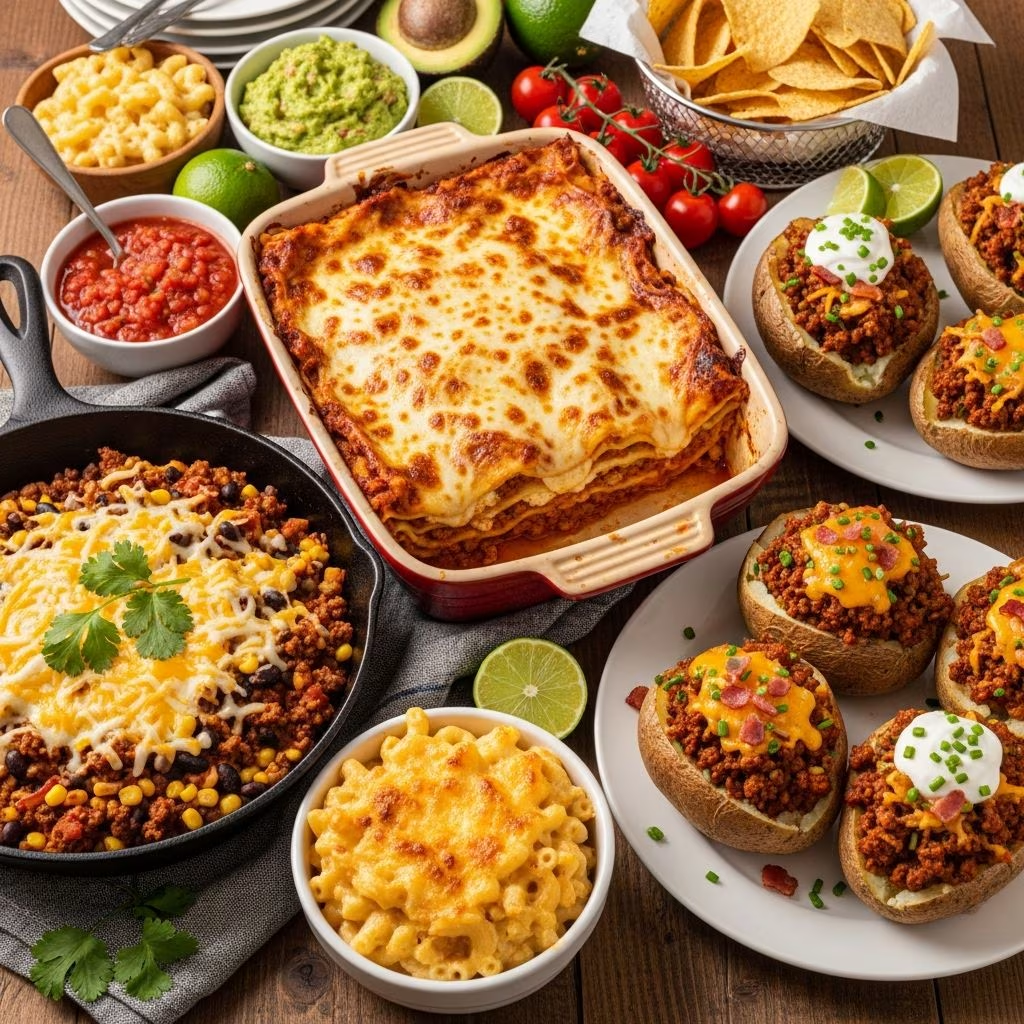
Ground beef remains one of the most versatile proteins available for home cooks, offering affordability, ease of preparation, and compatibility with countless flavor profiles. When combined with cheese, this humble ingredient transforms into satisfying meals that appeal to both adults and children. Whether you’re planning weeknight dinners or preparing meals for social gatherings, ground beef and cheese pairings provide reliable solutions for time-conscious cooks seeking flavorful results without extensive preparation.
Why Ground Beef and Cheese Create the Perfect Dinner Foundation
The combination of ground beef and cheese represents a culinary pairing rooted in both practicality and taste. Ground beef cooks quickly, requires minimal ingredient prep, and absorbs seasoning flavors effectively. Cheese adds richness, umami depth, and textural contrast that elevates simple preparations into memorable meals. This combination also offers remarkable flexibility—the same base ingredients can transform into entirely different dishes depending on preparation method, additional components, and cooking technique.
Nutritionally, ground beef provides essential proteins, iron, and B vitamins, while cheese contributes calcium and additional protein. The fat content in both ingredients creates satisfying dishes that leave diners feeling full and content, making these recipes particularly suited for families with varying appetites.
One-Pot Pasta Solutions for Minimal Cleanup
Single-pot cooking methods have revolutionized home cooking by reducing both preparation time and dishwashing responsibilities. Ground beef pasta dishes exemplify this efficiency, combining protein, carbohydrates, and dairy in one vessel.
Building a One-Pot Beef and Pasta Base
Begin by browning ground beef with aromatics like onions and garlic in a large pot. Once the meat reaches complete doneness, incorporate tomato paste—this concentrated ingredient adds depth without requiring additional cooking time. Season with Italian herbs, garlic powder, and paprika for classic flavor development. Add beef broth and heavy cream to create a silky sauce that coats pasta evenly. The liquid reduces as pasta cooks directly in the sauce, creating concentrated flavors and eliminating the need for separate cooking vessels.
Quality pasta shapes matter in one-pot preparations. Shells, rotini, and similar medium-sized pastas trap sauce effectively, while smaller varieties like ditalini can become mushy. Add pasta directly to the broth mixture and maintain gentle heat to prevent sticking or scorching on the pot bottom.
Finishing Techniques for Maximum Flavor
Incorporate shredded cheese directly into the hot pasta mixture, stirring gently to create even distribution. Worcestershire sauce adds savory complexity without identifiable flavor, while fresh cracked pepper provides finishing brightness. Allow the mixture to rest briefly before serving, permitting flavors to meld and cheese to set slightly.
Casserole Approaches for Baked Ground Beef Dishes
Casseroles offer make-ahead convenience and impressive presentation with minimal effort. These baked dishes accommodate various ingredient combinations while maintaining consistent cooking parameters.
Rice-Based Casseroles
Combining ground beef with uncooked rice simplifies preparation by eliminating separate cooking steps. Brown seasoned ground beef in a skillet, then transfer to a baking dish alongside uncooked long-grain rice, vegetables like carrots or peas, and liquid—typically broth with cream of mushroom soup. The rice absorbs liquid while cooking in the oven, emerging tender and flavorful. A generous layer of cheddar cheese melts across the top, providing visual appeal and creamy texture. This method reduces active cooking time to approximately 15 minutes, with the oven handling the remaining preparation.
Variations include substituting beef broth with chicken broth, adding diced bell peppers for sweetness, or incorporating frozen mixed vegetables for convenience. The flexibility of this approach makes it suitable for adaptation based on available ingredients or family preferences.
Egg Noodle and Tomato Casseroles
Egg noodles provide tender texture distinct from standard pasta shapes, creating comforting casseroles that evoke nostalgic family dinners. Combine cooked egg noodles with browned ground beef, tomato sauce, and both mozzarella and cheddar cheese for flavor complexity. The tomato sauce prevents excessive dryness while the dual-cheese combination creates depth unavailable from single cheese sources. Bake at moderate temperature until the cheese melts and sauce bubbles at edges, approximately 25-30 minutes.
Skillet Methods for Quick Weeknight Solutions
Skillet cooking concentrates flavors through reduced surface area while maintaining moisture through covered cooking when needed. These preparations transition from stovetop to oven seamlessly, offering cooking flexibility.
Cast Iron Skillet Advantages
Cast iron distributes heat evenly, reducing hot spots that cause uneven browning. The seasoning layer built up over time adds subtle flavor complexity. Additionally, cast iron transitions smoothly from stovetop searing to oven finishing, making it ideal for dishes requiring both cooking methods. A skillet meal combining medium pasta, seasoned ground beef, jarred pasta sauce, and sharp cheddar cheese can move directly from stovetop simmering to oven finishing for cheese melting, creating efficiency in preparation and serving.
Flavor Development Through Spice Layering
Building layers of flavor transforms simple ingredients into complex-tasting dishes. Begin with garlic powder and crushed red pepper flakes when seasoning the meat, adding initial flavor depth. Incorporate pasta sauce with its own herb blend, then finish with additional seasoning adjustments after tasting. This progressive approach reveals developing flavors, permitting refinement before serving rather than attempting correction after plating.
Roasted Vegetable Integration for Nutritional Balance
Incorporating roasted vegetables adds nutritional density, textural variety, and visual appeal to ground beef and cheese dishes. Hearty vegetables withstand oven cooking without becoming mushy, maintaining structural integrity.
Strategic Vegetable Selection
Potatoes, bell peppers, and root vegetables contribute substance and satiety to meals. Dice potatoes uniformly to ensure even roasting—larger pieces remain firm while smaller pieces risk over-browning. Toss with olive oil, salt, pepper, and smoked paprika before roasting at high temperature until edges crisp and interiors soften. This pre-roasting develops caramelization that amplifies inherent sweetness.
Bell peppers, when diced into bite-sized pieces, add sweetness and vibrant color. The natural sugars caramelize slightly during roasting, creating complexity beyond raw vegetable flavor. Red and green peppers together provide visual contrast while their flavor profiles complement each other—red peppers offer sweetness while green varieties provide slightly grassy notes.
Comparison Table: Popular Ground Beef and Cheese Preparations
| Dish Type | Primary Starch | Cooking Method | Approximate Time | Cheese Type |
|---|---|---|---|---|
| Skillet Pasta | Medium pasta shapes | Stovetop then oven | 50 minutes | Sharp cheddar |
| Rice Casserole | Long-grain white rice | Oven baking | 45 minutes | Colby jack |
| One-Pot Pasta | Pasta shells | Single pot stovetop | 30 minutes | Mixed (mozzarella/cheddar) |
| Noodle Casserole | Egg noodles | Oven baking | 45 minutes | Cheddar and mozzarella |
Seasonings and Flavor Development Strategies
The difference between memorable dishes and forgettable ones often comes down to seasoning strategy rather than ingredient quality. Ground beef serves as a canvas for flavor development, absorbing surrounding seasonings while contributing its own richness.
Building Flavor Complexity
- Start with aromatics: sauté onions and garlic to develop foundational sweetness and depth
- Add tomato paste early to allow concentrating and caramelizing in hot fat, intensifying umami
- Layer dried herbs like Italian seasoning, providing multiple herb notes simultaneously
- Include smoked paprika for subtle smokiness and color depth
- Finish with fresh cracked pepper and salt, added after tasting to control intensity
- Consider Worcestershire sauce for savory complexity and subtle fermented notes
Tasting throughout cooking allows real-time adjustment rather than attempting correction after plating. Ground beef dishes particularly benefit from this approach since flavors continue intensifying as liquids reduce.
Frequently Asked Questions About Ground Beef and Cheese Dishes
What ground beef percentage should I select for these recipes?
Ground beef labeled 80/20 (80% lean, 20% fat) provides optimal balance for most recipes. The fat content renders during cooking, adding flavor and moisture without excessive grease. Leaner varieties (85/15 or 90/10) work but may produce drier results. Drain excess fat if using 80/20, reserving about one tablespoon for sauce richness.
Can I prepare these dishes ahead and refrigerate?
Casseroles and skillet dishes benefit from make-ahead preparation. Assemble without final cheese topping, cover, and refrigerate up to 24 hours. Bake from cold, adding 10-15 minutes to cooking time. One-pot pasta dishes are best prepared fresh but can be reheated gently, adding a splash of broth if sauce has thickened excessively during storage.
How do I prevent cheese from becoming grainy or breaking?
Cheese breaks when exposed to extremely high heat or acidic conditions without stabilizing ingredients. Add cheese to hot (not boiling) mixtures, stirring gently to incorporate evenly. Cream-based sauces provide fat that protects cheese proteins from seizing. If cheese appears grainy, whisk in additional cream or milk to restore smoothness.
What cheese varieties work best for these preparations?
Sharp cheddar provides pronounced flavor that stands up to other ingredients without being overwhelmed. Colby jack adds creaminess and slight sweetness. Mozzarella contributes melting capability and mild flavor. Combining varieties—such as cheddar for flavor and mozzarella for melting—creates superior results to single-cheese approaches.
Can I substitute ground beef with other proteins?
Ground turkey, ground pork, or plant-based ground meat replacements can substitute for ground beef, though cooking times and fat renders may vary. Ground turkey and pork cook similarly to beef, while plant-based options often contain more moisture. Adjust liquid quantities accordingly to prevent excessive sauce.
Storage and Reheating Guidelines for Optimal Quality
Ground beef and cheese dishes maintain quality through proper storage techniques. Allow cooked dishes to cool slightly before refrigerating in airtight containers—warmth creates condensation that softens textures. Most preparations store safely for 3-4 days at proper refrigeration temperature.
Reheating requires gentle methods to prevent cheese from becoming tough or separating. Stovetop reheating over medium-low heat, stirring occasionally and adding liquid as needed, preserves texture better than microwave methods. Cover during reheating to prevent excessive moisture loss.
Frozen storage extends shelf life to 2-3 months. Cool completely, transfer to freezer-safe containers leaving minimal headspace, and label with contents and date. Thaw overnight in refrigeration before reheating rather than thawing at room temperature, which risks bacterial growth.
Serving Suggestions and Complementary Sides
Ground beef and cheese dishes often function as complete meals, particularly when incorporating vegetables. However, simple additions enhance presentation and nutritional completeness. Fresh green salads with acidic vinaigrettes provide brightness against rich dairy components. Steamed or roasted asparagus adds elegant vegetable presence without competing for attention. Garlic bread complements pasta-based preparations, though restraint prevents excessive richness.
For family-style service, garnish with fresh parsley or chives to add color and subtle herbal notes. A light dusting of additional grated cheese indicates richness and encourages second helpings without adding substantial quantity.
References
- Cheesy Ground Beef Skillet Pasta Recipe — The Hungry Hutch. Accessed 2026. https://www.thehungryhutch.com/cheesy-ground-beef-skillet-pasta-recipe/
- Cheesy Ground Beef Casserole — Cookies and Cups. Accessed 2026. https://cookiesandcups.com/cheesy-ground-beef-casserole/
- One Pot Cheesy Beef and Shells — Salt & Lavender. Accessed 2026. https://www.saltandlavender.com/one-pot-cheesy-beef-and-shells/
- Cheesy Ranch Ground Beef and Rice Casserole — Hidden Valley. Accessed 2026. https://www.hiddenvalley.com/recipe/cheesy-ground-beef-and-rice-casserole/
- Easy Cheesy Ground Beef Pasta — Cook the Story. Accessed 2026. https://cookthestory.com/easy-cheesy-ground-beef-pasta/