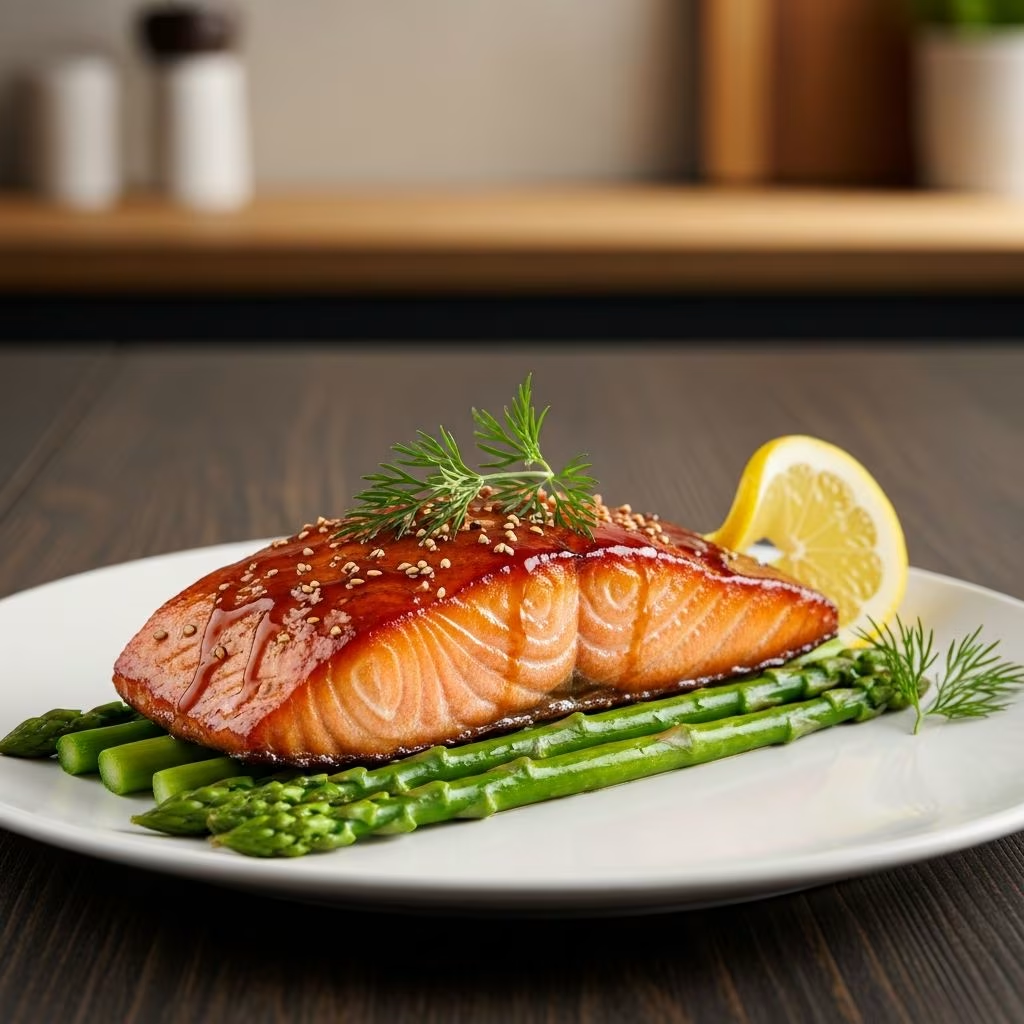
Preparing salmon with a glossy, caramelized glaze doesn’t require professional culinary skills or hours in the kitchen. This versatile fish preparation technique combines simple ingredients to produce restaurant-quality results in roughly 20 to 30 minutes. Whether you’re cooking for a weeknight family meal or impressing dinner guests, glazed salmon offers an elegant solution that satisfies even the most discerning palates.
Understanding the Foundation of Glazed Salmon
The appeal of glazed salmon lies in its balance of flavors and textures. The cooking method—typically baking or pan-searing—brings out the fish’s natural moisture while the glaze creates a caramelized exterior that locks in flavor. The glaze itself typically combines four to six core ingredients that work together harmoniously. These elements create a sauce that’s both sweet and savory, with depth coming from umami-rich components like soy sauce and garlic.
The salmon itself should be of good quality, with firm flesh and a fresh appearance. Fillets ranging from four to eight ounces per serving work best for even cooking. The thickness of your fillets will influence cooking time, making this an important consideration when planning your meal preparation.
Essential Ingredients for the Perfect Glaze
Several key components form the backbone of an exceptional glazed salmon preparation:
- Honey: Provides natural sweetness and helps create the characteristic glossy finish through caramelization during cooking
- Soy sauce: Adds saltiness and umami depth, balancing the honey’s sweetness and creating complexity in the flavor profile
- Butter: Creates richness and helps bind the glaze components while adding a velvety texture
- Garlic: Contributes aromatic flavor and works synergistically with other ingredients to build depth
- Acidic components: Lemon juice or similar acids brighten the glaze and prevent it from becoming cloying
- Optional heat: Red pepper flakes, sriracha, or similar additions can introduce complexity and a subtle warming sensation
Each ingredient plays a specific role in creating a balanced glaze. The honey and soy sauce work in opposition—one sweet, one savory—creating a compelling contrast. Butter smooths these flavors together, while garlic adds aromatic qualities that tie everything into a cohesive whole. Acidic elements prevent the glaze from becoming overwhelmingly sweet, maintaining palate interest throughout the meal.
Preparing Your Salmon: The Critical First Steps
Success begins before cooking even starts. Allow salmon fillets to reach room temperature for approximately 20 minutes while you prepare other components. This approach promotes even cooking throughout the flesh, preventing the exterior from overcooking while the interior remains undercooked.
Pat the salmon dry with paper towels before seasoning. Moisture on the surface prevents proper browning and interferes with glaze adhesion. For fillets with skin, place them skin-side down in your cooking vessel. Season both sides with basic seasonings like salt, pepper, and garlic powder. These foundational flavors enhance rather than mask the salmon’s natural taste.
Creating the Glaze: Technique Matters
Combining glaze ingredients on the stovetop before applying them to the salmon yields superior results compared to mixing raw ingredients. Heat a medium saucepan over medium to medium-high heat and add butter first. Once melted, incorporate minced garlic and cook for approximately 30 seconds until fragrant but not browned.
Pour in honey, soy sauce, and any acidic components. Whisk constantly and allow the mixture to bubble and simmer for one to three minutes. This cooking process thickens the sauce slightly and allows flavors to meld. The glaze will continue thickening as it cools, so avoid cooking it too long at this stage, or it may become overly thick.
If your recipe includes heat-based additions like sriracha, add these toward the end of cooking. This preserves their potency and prevents the heat from dissipating through prolonged cooking.
Cooking Methods: Baking Versus Pan-Searing
Two primary cooking approaches work exceptionally well for glazed salmon, each offering distinct advantages.
Oven-Based Preparation
Preheat your oven to between 400 and 425 degrees Fahrenheit. Line a baking sheet with parchment paper or aluminum foil for easy cleanup. Arrange prepared salmon fillets skin-side down on the prepared surface. Brush a thin layer of glaze over the top of each fillet, reserving remaining glaze in the saucepan.
Bake for 10 to 12 minutes depending on fillet thickness. Thicker fillets may require up to 18 minutes, while thin fillets cook in as little as 8 minutes. Midway through cooking, remove the baking sheet, brush additional glaze over the salmon, and return to the oven. Repeat this basting process once more before the salmon reaches doneness.
Salmon is fully cooked when the internal temperature reaches 145 degrees Fahrenheit. The flesh should flake easily with a fork and show an opaque appearance rather than translucent.
Stovetop and Broiler Method
For a more hands-on approach, heat an oven-safe skillet over medium-high heat. Add butter and oil, then incorporate your prepared glaze ingredients directly in the pan. Once the sauce is heated through, place salmon fillets skin-side down in the skillet. Cook for approximately three minutes on the stovetop, frequently basting the exposed surface with the glaze using a spoon.
Transfer the skillet to a preheated broiler positioned at the middle rack (not too high, or the glaze may burn). Broil for five to eight minutes until the salmon achieves a slight char and caramelized appearance. Continue basting once during this stage.
Timing Considerations and Doneness Assessment
| Fillet Thickness | Oven Baking Time | Stovetop + Broil Time | Total Preparation Time |
|---|---|---|---|
| ½ inch | 8-10 minutes | 8-10 minutes | 15-20 minutes |
| ¾ inch | 10-12 minutes | 10-12 minutes | 20-25 minutes |
| 1 inch | 12-15 minutes | 12-15 minutes | 25-30 minutes |
| Over 1 inch | 15-18 minutes | 15-18 minutes | 30-35 minutes |
The table above provides general guidelines, but individual ovens vary in temperature accuracy. Always rely on internal temperature readings and visual cues rather than time alone. The salmon should appear opaque throughout and flake gently when tested with a fork.
Flavor Variations and Creative Adaptations
While the honey-soy-garlic combination forms a classic foundation, numerous variations expand the possibilities. Brown sugar can replace honey for a deeper, molasses-forward sweetness. Low-sodium soy sauce helps prevent the glaze from becoming excessively salty. Ginger adds warmth and complexity, particularly appealing in Asian-inspired variations.
Red pepper flakes introduce gentle heat that crescendos on the palate. Lemon juice brightens the glaze considerably, cutting through richness and preventing flavor fatigue. Sesame oil contributes nutty undertones that enhance the umami qualities contributed by soy sauce. Fresh herbs like thyme or dill can be sprinkled over the finished dish for aromatic elevation.
Serving Suggestions and Complementary Sides
Glazed salmon pairs beautifully with numerous side dishes that either complement or contrast its rich, sweet-savory profile. Roasted vegetables such as broccoli, Brussels sprouts, or asparagus provide textural contrast and earthiness that balances the glaze’s sweetness. Rice pilaf or quinoa offer grain-based options that absorb any residual glaze pooling on the plate.
For a lighter accompaniment, simple green salads with vinaigrette-based dressings cut through richness and refresh the palate between bites. Roasted potatoes or root vegetables provide heartiness and substance that rounds out the meal into a complete dining experience.
Storage and Leftover Management
Cooked glazed salmon stores well in airtight containers in the refrigerator for up to three days. Reheat gently in a 275-degree oven for approximately 10 minutes to avoid drying out the delicate flesh. Alternatively, eat leftovers cold as part of salads, grain bowls, or served alongside fresh vegetables.
Uncooked glazed salmon should not be prepared more than a few hours in advance, as the fish’s quality diminishes with time. If marinating, limit this to no more than four hours to prevent the flesh from becoming mushy.
Frequently Asked Questions
Can I prepare glazed salmon ahead of time?
The glaze can be prepared up to two days in advance and stored in the refrigerator. Prepare the salmon and glaze it just before cooking for optimal results.
Is skin-on or skinless salmon better for this preparation?
Both work well, though skin-on fillets provide additional protection against overcooking and can be easily removed after cooking. The choice depends on personal preference.
What if my glaze burns during cooking?
Ensure your broiler rack is positioned at the middle level rather than too high. Apply glaze judiciously—thin layers are better than thick ones that are prone to burning.
How do I know when the salmon is perfectly cooked?
Use a meat thermometer to verify the internal temperature reaches 145 degrees Fahrenheit. The flesh should be opaque and flake easily with gentle pressure.
Can I use frozen salmon?
Thaw salmon completely in the refrigerator overnight before cooking. Frozen salmon will cook unevenly and may become dry.
What if I don’t have soy sauce?
Tamari, coconut aminos, or even Worcestershire sauce can substitute for soy sauce, though the flavor profile will shift slightly.
References
- Honey Glazed Salmon Recipe — Simply Quinoa. Accessed April 2026. https://www.simplyquinoa.com/honey-glazed-salmon/
- Honey Glazed Salmon Recipe — Kristine’s Kitchen Blog. Accessed April 2026. https://kristineskitchenblog.com/honey-glazed-salmon/
- Honey Garlic Soy Glazed Salmon — Sally’s Baking Addiction. Accessed April 2026. https://sallysbakingaddiction.com/honey-garlic-salmon/
- Honey Garlic Glazed Salmon (20 min. recipe!) — The Chunky Chef. Accessed April 2026. https://www.thechunkychef.com/honey-garlic-glazed-salmon/
- Easy Brown Sugar Glazed Salmon in the Oven — Mary DiSomma. Accessed April 2026. https://marydisomma.com/blogs/recipes/easy-brown-sugar-glazed-salmon-in-the-oven
- Roasted Soy and Honey Glazed Salmon — Ronnie Fein. Accessed April 2026. https://www.ronniefein.com/recipes/roasted-soy-and-honey-glazed-salmon