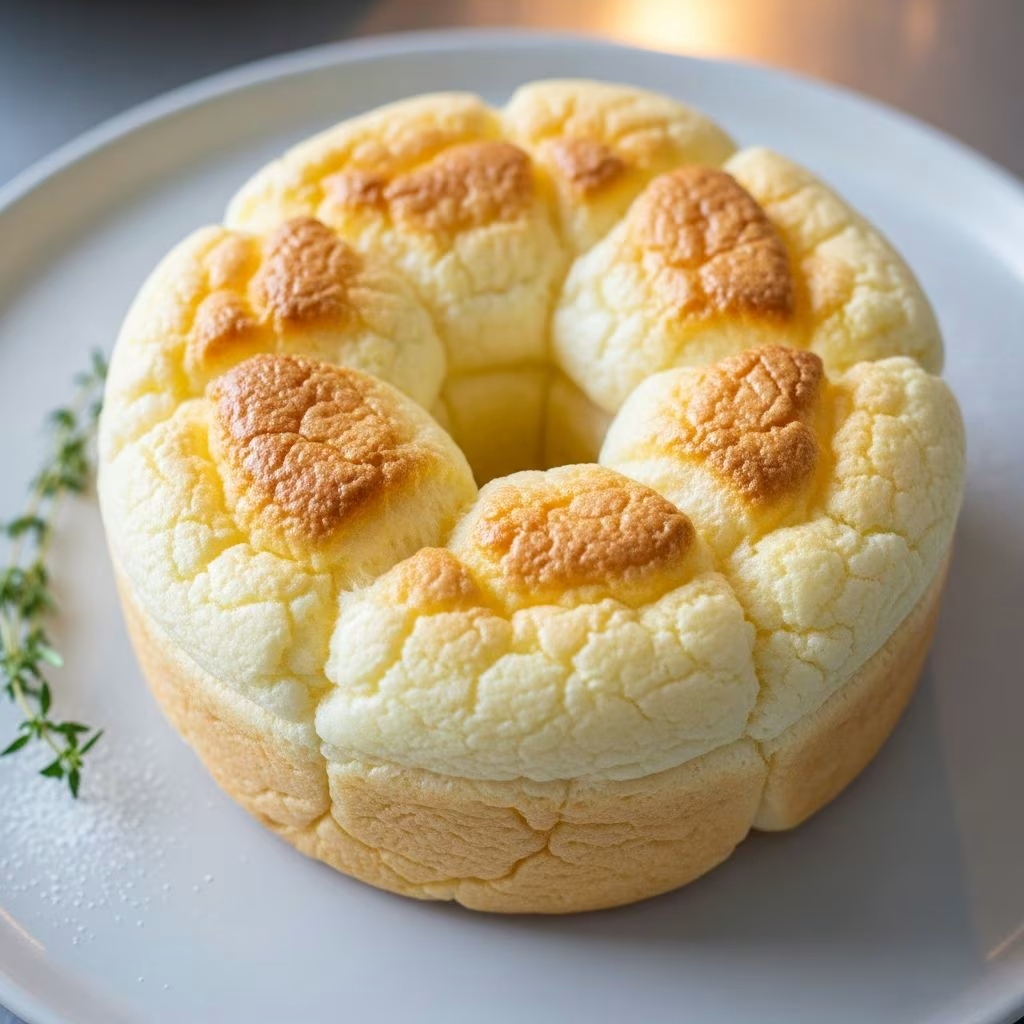
Cloud bread has emerged as one of the most popular low-carb alternatives to traditional bread, gaining particular traction on social media platforms as a viral sensation. Despite its whimsical name and cloud-like appearance, creating this delightful bread is remarkably straightforward. The beauty of cloud bread lies in its simplicity—requiring only a handful of basic pantry staples that most home cooks already have available. This guide will walk you through everything you need to know to master this airy bread alternative.
Understanding the Science Behind Cloud Bread
At its core, cloud bread is fundamentally a baked meringue that has been reimagined and rebranded for modern culinary enthusiasts. The transformation of simple egg whites into a fluffy, bread-like structure involves understanding a few key scientific principles. When egg whites are beaten vigorously, proteins unfold and trap air bubbles, creating the characteristic foam that forms the foundation of this bread. The addition of sugar serves a dual purpose: it stabilizes the egg white foam by dissolving into the liquid components of the eggs, creating a more resilient structure that can withstand the folding process and oven heat. Meanwhile, cornstarch plays a crucial role in absorbing excess moisture that might otherwise cause the bread to collapse or become soggy.
The baking process itself occurs at a low temperature, approximately 300°F, which allows the meringue to set gradually without browning too quickly or creating a hard exterior. This gentle heat encourages even cooking throughout the bread while maintaining the delicate, airy texture that makes cloud bread distinctive.
Essential Ingredients for Success
The minimalist ingredient list of cloud bread is one of its greatest advantages:
- Egg Whites – The foundation of your cloud bread. Always use large eggs for consistent results, as medium or jumbo eggs will throw off the ratio. Separate the whites carefully to avoid any yolk contamination, as even a small amount of fat will prevent proper whipping.
- Sugar – Regular white granulated sugar is ideal. This ingredient does more than sweeten; it stabilizes your meringue and helps create the glossy, thick texture necessary for structural integrity.
- Cornstarch – A small amount helps absorb excess moisture and contributes to the bread’s shine and texture. If you don’t have cornstarch on hand, acceptable substitutes include all-purpose flour, tapioca starch, potato starch, or arrowroot powder.
Preparation and Setup
Before you begin mixing, proper preparation ensures success. Preheat your oven to 300°F—this lower temperature is critical for preventing the exterior from setting before the interior fully cooks. Line your baking sheet with parchment paper, which serves as both a release agent and a heat conductor. Some bakers prefer to lightly grease the parchment paper with cooking spray for additional insurance against sticking.
Equally important is ensuring your mixing bowl is completely clean and free of any grease or residue. Even microscopic traces of fat can compromise your egg whites’ ability to whip properly. If you’ve recently used your mixing bowl for other purposes, wash it thoroughly and dry it completely before use. Some professional bakers recommend wiping the bowl with vinegar or lemon juice as an extra precaution against hidden oils.
The Whipping Process: Creating the Perfect Meringue
The foundation of successful cloud bread begins with properly whipped egg whites. Separate your eggs carefully, ensuring no yolk gets into the whites. Place the egg whites in your clean, dry mixing bowl. Using either a hand mixer or stand mixer fitted with a whisk attachment, begin beating the egg whites on medium-low speed. Within a minute or two, they should become frothy and pale, indicating that air is being incorporated into the mixture.
Gradually increase the mixer speed to medium-high. Begin adding your sugar slowly—about one tablespoon at a time—while continuing to beat. This gradual incorporation allows the sugar to dissolve completely and prevents the meringue from becoming grainy. As you add sugar, the mixture will transition from a loose foam to something increasingly substantial and glossy.
Once all sugar has been incorporated, continue beating at high speed. Using a fine-mesh sieve or sifter, gently sift the cornstarch over the egg white mixture. Resume beating on high speed for another 5-6 minutes until you achieve stiff peaks. At this stage, when you lift your whisk or beater, the peaks should stand straight up without drooping. The meringue should resemble freshly whipped shaving cream—thick, glossy, and voluminous.
Shaping and Baking Techniques
With your meringue prepared, carefully spoon portions onto your prepared baking sheet. Using a rubber spatula or the back of a spoon, form each portion into a cloud-like shape approximately 3 inches in diameter. You can either create fluffy, irregular mounds that resemble actual clouds, or gently flatten the tops to form more structured bread rounds. Both approaches work equally well; the choice is purely aesthetic.
Leave adequate space between each cloud bread—approximately 2-3 inches—as the meringue will spread slightly during baking. Place the baking sheet in your preheated 300°F oven and bake for 25-35 minutes. The exact timing depends on your oven’s characteristics and the size of your cloud bread pieces. Look for a light golden-brown color on the surface and a springy feel when gently pressed with your finger. The bread should feel firm but not rock-hard.
Cooling and Storage Considerations
Resist the temptation to remove your cloud bread from the oven immediately after the timer sounds. Allow the pieces to cool on the baking sheet for 5-10 minutes, which helps them set and become less fragile. Transfer them to a wire cooling rack to cool completely. As cloud bread cools, its flavor and texture actually improve, becoming more pronounced and satisfying.
Once fully cooled, cloud bread can be stored in an airtight container at room temperature for up to three days. For longer storage, keep cloud bread in the refrigerator for up to one week, or freeze for up to three months. When thawing frozen cloud bread, allow it to come to room temperature gradually to prevent condensation from making it soggy.
Troubleshooting Common Issues
Even experienced bakers occasionally encounter challenges with cloud bread. If your meringue refuses to whip to stiff peaks, the most common culprit is fat contamination in your egg whites. Even microscopic amounts of yolk or bowl residue can prevent proper whipping. Start fresh with new eggs and a thoroughly cleaned bowl. If the meringue whips but feels grainy, your sugar likely wasn’t dissolved completely; ensure you’re adding it gradually and beating thoroughly between additions.
Cloud bread that collapses during baking typically indicates either insufficient beating of the egg whites or overmixing when folding. Aim for stiff peaks that truly stand upright, and use a gentle hand when incorporating any add-ins or toppings. If your cloud bread becomes too dark on the outside before cooking through inside, reduce your oven temperature by 25°F and add 5-10 minutes to the baking time.
Flavor Variations and Creative Additions
While the basic three-ingredient cloud bread is satisfying on its own, numerous variations allow for creative customization. For savory applications, sprinkle Italian seasoning, garlic powder, or grated cheese over the meringue before baking. A light coating of everything bagel seasoning creates an unexpected gourmet touch perfect for sandwiches.
Sweet variations might include a dusting of cinnamon sugar on top, or adding vanilla extract to the meringue for additional depth. Some bakers enjoy creating a chocolate version by folding in a small amount of cocoa powder, though this requires careful handling to maintain the meringue’s structure. For those avoiding added sugars, sugar substitutes like erythritol or stevia can be used, though the final texture may differ slightly from traditional versions.
Comparing Cloud Bread Variations
| Variation | Key Ingredient | Best Use | Prep Difference |
|---|---|---|---|
| Classic Cloud Bread | Egg whites, sugar, cornstarch | Snacking, breakfast | None |
| Savory Cloud Bread | Add Italian seasoning, garlic powder | Sandwiches, savory applications | Sprinkle toppings before baking |
| Cream Cheese Cloud Bread | Substitute cream cheese for cornstarch | Higher protein option | Blend cream cheese first |
| Sweet Flavored Version | Add vanilla extract or cinnamon | Dessert, breakfast | Fold in during mixing |
Nutritional Benefits and Dietary Considerations
Cloud bread has become particularly popular among individuals following ketogenic, low-carb, and gluten-free diets. A single piece of cloud bread typically contains fewer than 40 calories and less than one gram of carbohydrates, making it an excellent bread substitute for those monitoring carbohydrate intake. The primary macronutrient comes from eggs, which are excellent sources of complete protein and various B vitamins.
For those with specific dietary restrictions, cloud bread offers a naturally gluten-free option that requires no special flour substitutes. The absence of grains means no concerns about celiac disease or gluten sensitivity. Individuals with egg allergies should note that cloud bread is fundamentally an egg-based product and cannot be made without eggs.
Frequently Asked Questions
Q: Can I make cloud bread without a stand mixer?
A: Yes, a hand mixer works perfectly well for whipping egg whites. The process may take slightly longer, but the results are equally successful. Whisk attachment by hand is also possible but requires considerable arm strength and patience.
Q: Why did my cloud bread turn out dense instead of fluffy?
A: Dense cloud bread usually results from either insufficiently whipped egg whites or deflation during folding. Ensure your peaks are truly stiff and glossy before proceeding, and fold very gently to preserve air bubbles.
Q: Can I prepare cloud bread in advance?
A: The meringue batter should be used immediately after preparation for best results. However, fully baked and cooled cloud bread stores well in airtight containers or the refrigerator for several days.
Q: What’s the difference between cloud bread and angel food cake?
A: While both are egg white-based, cloud bread typically contains less sugar and cornstarch instead of cake flour, resulting in a less sweet, bread-like consistency rather than a cake texture.
Q: Can I freeze cloud bread dough?
A: Cloud bread dough (meringue) doesn’t freeze well, as the whipped air deflates during thawing. It’s best to bake fresh and then freeze the finished product.
Serving Suggestions and Practical Applications
Cloud bread’s versatility extends beyond simple snacking. Use cooled pieces as sandwich bread for lunchtime meals, topped with your preferred proteins, vegetables, and condiments. The mild flavor profile allows the fillings to shine without overpowering competition from the bread itself. For breakfast applications, consider topping cloud bread with butter and jam, or creating a breakfast sandwich with eggs and cheese.
As an afternoon snack, cloud bread pairs beautifully with spreadable toppings like cream cheese, almond butter, or honey. Some bakers enjoy using cloud bread as a base for small pizzas by adding sauce and toppings before a quick bake. The possibilities are genuinely limited only by your imagination and dietary preferences.
References
- I Am A Food Blog – Cloud Bread Recipe: How to make that viral TikTok bread — I Am A Food Blog. Accessed April 2026. https://iamafoodblog.com/how-to-make-tiktok-cloud-bread-recipe/
- Wholesome Yum – Cloud Bread (Easy Recipe) — Wholesome Yum. Accessed April 2026. https://www.wholesomeyum.com/recipes/4-ingredient-mascarpone-cloud-bread-low-carb-gluten-free/
- The Suburban Soapbox – Easy Cloud Bread — The Suburban Soapbox. Accessed April 2026. https://thesuburbansoapbox.com/easy-cloud-bread/
- A Spicy Perspective – The BEST Cloud Bread Recipe — A Spicy Perspective. Accessed April 2026. https://www.aspicyperspective.com/best-cloud-bread-recipe/
- Spend With Pennies – Cloud Bread — Spend With Pennies. Accessed April 2026. https://www.spendwithpennies.com/cloud-bread/