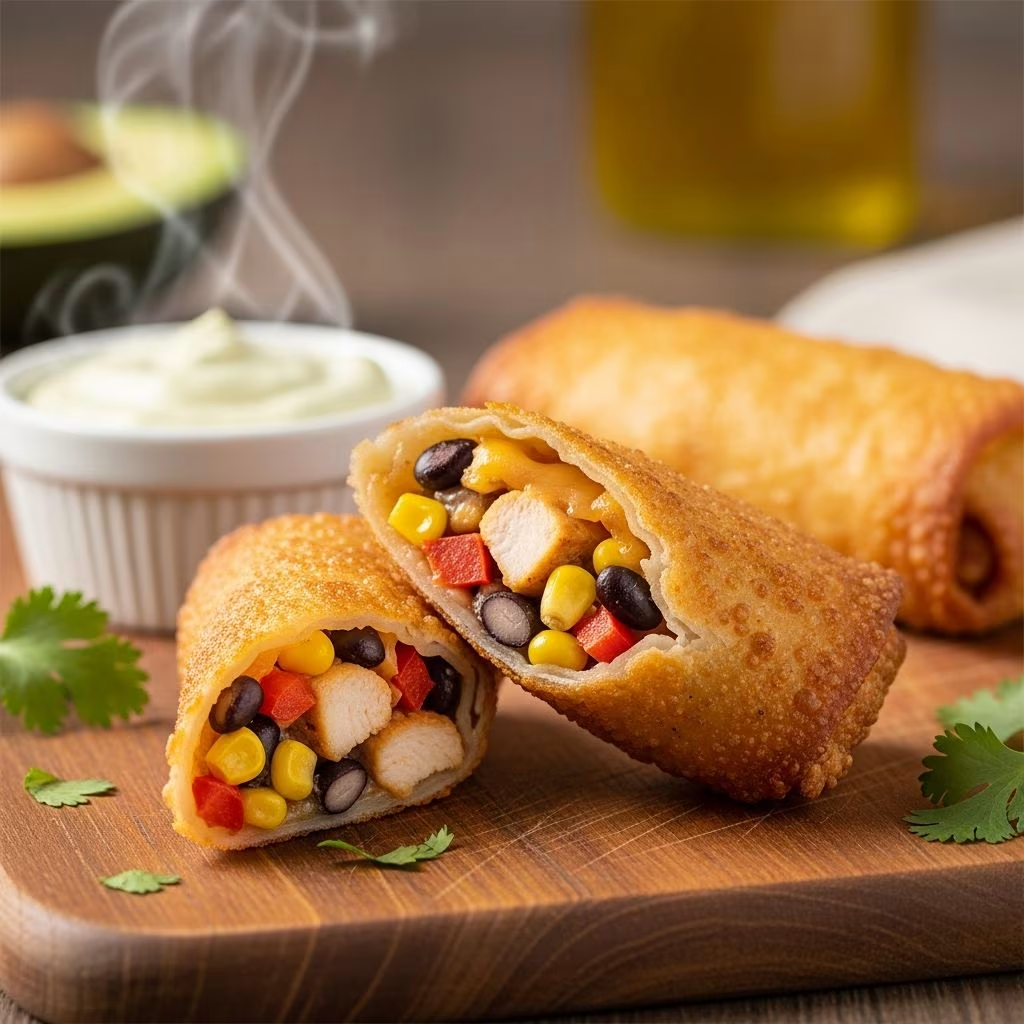
Southwestern egg rolls represent a delightful fusion of Asian-inspired preparation techniques with Tex-Mex flavors. These crispy appetizers feature a golden, shatter-resistant wrapper encasing a savory filling loaded with seasoned chicken, legumes, fresh vegetables, and melted cheese. Whether you’re preparing them for a casual family gathering or an elegant dinner party, mastering the art of making southwestern egg rolls will elevate your appetizer repertoire.
Understanding the Essential Components
Creating exceptional southwestern egg rolls begins with understanding each component’s role in the final dish. The wrapper serves as the structural foundation, providing the satisfying crunch that defines a quality egg roll. The filling is where flavor complexity emerges, combining multiple textures and tastes that harmonize into a cohesive experience.
The Wrapper Foundation
Egg roll wrappers are thin sheets of dough typically made from wheat flour, water, and eggs. These wrappers differ from spring roll wrappers in their thickness and texture—egg roll wrappers are slightly thicker, which contributes to their characteristic crispiness when cooked. A standard batch calls for approximately 20 wrappers, providing generous portions for a family gathering or party appetizer spread.
Building Your Filling Base
The foundation of the filling combines protein and legumes that provide substance and satisfaction. These components work together to create a filling that holds together when wrapped and maintains its integrity during cooking.
- Cooked Chicken: Approximately two cups of shredded or finely chopped cooked chicken serves as the primary protein. Rotisserie chicken offers exceptional convenience and already-developed flavor, requiring only simple chopping before incorporation.
- Black Beans: One 15-ounce can of black beans, thoroughly rinsed and drained, contributes earthiness and fiber. These legumes provide textural contrast while adding nutritional density to your appetizer.
- Corn: One cup of corn—whether fresh, frozen, or canned—introduces subtle sweetness and bright color. Frozen corn requires thawing and draining before use; canned varieties should be rinsed to remove excess sodium.
Vegetable Components and Their Contributions
Fresh vegetables add textural variety and nutritional value to the filling while introducing aromatic compounds that enhance overall flavor complexity.
| Vegetable | Preparation | Quantity | Flavor Profile |
|---|---|---|---|
| Red Bell Pepper | Finely diced | 1 cup | Mild sweetness with subtle vegetal notes |
| Red Onion | Finely diced | 1/4 to 1/2 cup | Sharp, pungent undertones that mellow during cooking |
| Fresh Spinach | Chopped | 1 cup | Earthy, mineral-forward notes |
| Green Onions | Sliced | 4 stalks | Bright, onion flavor with herbaceous finish |
| Jalapeño Peppers | Finely diced, seeds removed | 1/4 cup | Moderate heat with fruity undertones |
The beauty of this vegetable combination lies in how each component responds to cooking. Diced bell peppers soften while retaining their sweetness, onions develop caramelized notes, and fresh spinach wilts into the mixture, creating pockets of earthy flavor throughout.
Cheese Selection and Integration
Cheese performs multiple functions within the filling: it adds richness, helps bind ingredients together, and provides creamy texture contrast to the crispy wrapper. Monterey Jack cheese proves exceptionally suitable due to its mild flavor and excellent melting properties. Mexican blend cheese offers a convenient alternative, combining Monterey Jack with other complementary varieties. Traditional cheddar works well for those preferring sharper, more pronounced cheese flavor.
Approximately half to three-quarters cup of shredded cheese suffices for a full batch. Shredding cheese from a block immediately before use yields better texture than pre-shredded varieties, which contain anti-caking agents that can interfere with proper melting.
Spice Profile and Seasoning Strategy
Southwestern flavoring derives from a carefully calibrated spice blend that creates warmth without overwhelming heat.
- Chili Powder: One tablespoon provides foundational Tex-Mex character. This spice delivers moderate heat alongside fruity, slightly sweet undertones.
- Ground Cumin: Half to full teaspoon contributes earthy, nutty notes that deepen complexity. Cumin serves as a flavor anchor that ties the entire composition together.
- Garlic Powder: One teaspoon introduces savory depth without requiring fresh garlic preparation, though freshly minced garlic can replace this for more robust flavor.
- Salt and Black Pepper: Three-quarters teaspoon of salt and one-quarter teaspoon of freshly ground black pepper provide essential seasoning balance.
These seasonings should be combined with the filling ingredients and stirred thoroughly to ensure even distribution. Tasting and adjusting seasonings before wrapping allows for personalized flavor calibration.
The Wrapping Technique: A Step-by-Step Process
Proper wrapping determines both the structural integrity of your egg rolls and their final appearance. This technique requires practice but becomes intuitive with repetition.
Preparing Your Workspace
Begin by placing egg roll wrappers on a dry, clean surface. A slightly damp kitchen towel placed over unused wrappers prevents them from drying out during the wrapping process. Position a small bowl of water within arm’s reach—this water acts as an adhesive to seal wrapper edges.
The Wrapping Sequence
Place a single wrapper on your work surface in a diamond orientation, with one corner pointing toward you. Position approximately two to three tablespoons of filling slightly below the center of the wrapper. This quantity ensures adequate filling without excessive bulk that prevents proper sealing.
Fold the corner nearest you over the filling, creating a triangular enclosure. Roll the wrapper tightly over the filling once, creating firm compression. Next, fold in the left and right corner points, bringing them toward the center in a triangular configuration. Continue rolling the wrapper away from you until you reach the final corner. Dab this final corner with water and press firmly to seal. The complete roll should be approximately four inches long with tapered ends.
Cooking Methods: Frying Versus Baking
Two primary cooking approaches deliver excellent results, each offering distinct advantages depending on your dietary preferences and available equipment.
Deep-Frying for Maximum Crispiness
Deep-frying produces the characteristic golden-brown exterior and supremely crispy texture associated with restaurant-quality egg rolls. Heat approximately two to three inches of neutral oil—peanut, vegetable, or avocado oil work well—in a heavy-bottomed pot or deep fryer to 350 degrees Fahrenheit. This temperature creates rapid exterior browning while allowing internal ingredients to heat through.
Carefully place egg rolls into the hot oil, working in batches to avoid crowding and temperature fluctuation. Cook for approximately 90 seconds, turning occasionally to ensure even browning. The wrappers should achieve a deep golden-brown color without developing dark spots or burning. Remove cooked egg rolls using a slotted spoon and transfer immediately to paper towels for oil drainage.
Baking for a Lighter Approach
Baking provides a reduced-fat alternative without significantly compromising texture when proper technique is employed. Line a baking sheet with parchment paper and arrange wrapped egg rolls seam-side down. Lightly spray rolls with nonstick cooking spray or brush with a thin coating of oil.
Bake at 425 degrees Fahrenheit for approximately 15 minutes, checking at the 12-minute mark. The wrappers should achieve golden-brown color with crispy texture comparable to shallow-fried versions. While baked egg rolls may not achieve the intense crispiness of deep-fried varieties, they remain thoroughly crispy and satisfying.
Dipping Sauces to Complement Your Creation
Dipping sauces elevate the egg roll experience by adding complementary flavors and textural interest. An avocado ranch combines fresh avocado, lime juice, and ranch seasoning blend, creating a creamy sauce with bright, citrusy notes. Sour cream provides a simple, cooling counterpoint to the Tex-Mex spicing. Guacamole offers creamy richness with distinctive avocado flavor. Commercial salsa varieties add bright acidity and heat that complement the filling’s richness.
Make-Ahead and Storage Considerations
Wrapped but uncooked egg rolls freeze exceptionally well. Arrange prepared rolls on a baking sheet in a single layer, freeze for two hours, then transfer to freezer-safe containers or bags. Frozen egg rolls maintain quality for up to three months and cook directly from frozen without requiring thawing. Simply add 15-20 seconds to cooking time when using frozen rolls.
Cooked egg rolls store in airtight containers in the refrigerator for up to four days. Reheating in a 375-degree oven for five minutes restores crispiness better than microwave reheating.
Customization Options for Creative Variations
The southwestern egg roll template accommodates numerous creative modifications. Cilantro-lime rice or Spanish rice can replace or supplement the vegetable base. Cooked quinoa introduces protein and interesting texture. Different cheese varieties such as Pepper Jack provide increased heat. Pre-cooked chorizo or carnitas offer alternative proteins to chicken. Fresh cilantro stirred into the filling adds herbaceous brightness.
Troubleshooting Common Issues
Wrappers that crack or split during cooking typically indicate either insufficient moisture during wrapping or oil temperature that is too high. Ensure proper sealing and maintain consistent oil temperature using a reliable thermometer. Filling that leaks during cooking often results from overstuffing—maintain the recommended two to three tablespoon quantity. Rolls that fail to crisp adequately usually indicate insufficient oil temperature or baking temperature set too low.
Serving Suggestions and Presentation Ideas
Southwestern egg rolls shine as appetizers arranged on platters with complementary dipping sauces arranged in small bowls nearby. They perform equally well as components within composed salads, providing textural contrast to fresh greens. Serving immediately after cooking maximizes crispiness, though room-temperature egg rolls remain acceptable for casual gatherings.
References
- Taste and Tell Blog – Southwest Egg Rolls Recipe — Taste and Tell Blog. 2024. https://www.tasteandtellblog.com/southwestern-egg-rolls/
- The Defined Dish – Southwestern Egg Rolls — The Defined Dish. 2024. https://thedefineddish.com/southwestern-egg-rolls/
- Tastes Better From Scratch – Southwest Egg Rolls — Tastes Better From Scratch. 2024. https://tastesbetterfromscratch.com/southwest-egg-rolls/
- Six Sisters’ Stuff – Baked Southwest Egg Rolls Recipe — Six Sisters’ Stuff. 2024. https://www.sixsistersstuff.com/recipe/baked-southwest-egg-rolls/
- This Silly Girl’s Kitchen – Copycat Southwest Egg Rolls Recipe — This Silly Girl’s Kitchen. 2024. https://thissillygirlskitchen.com/southwest-egg-rolls/
- Love Made Low – Southwest Chicken Rolls — Love Made Low. 2024. https://lmld.org/southwest-chicken-rolls/