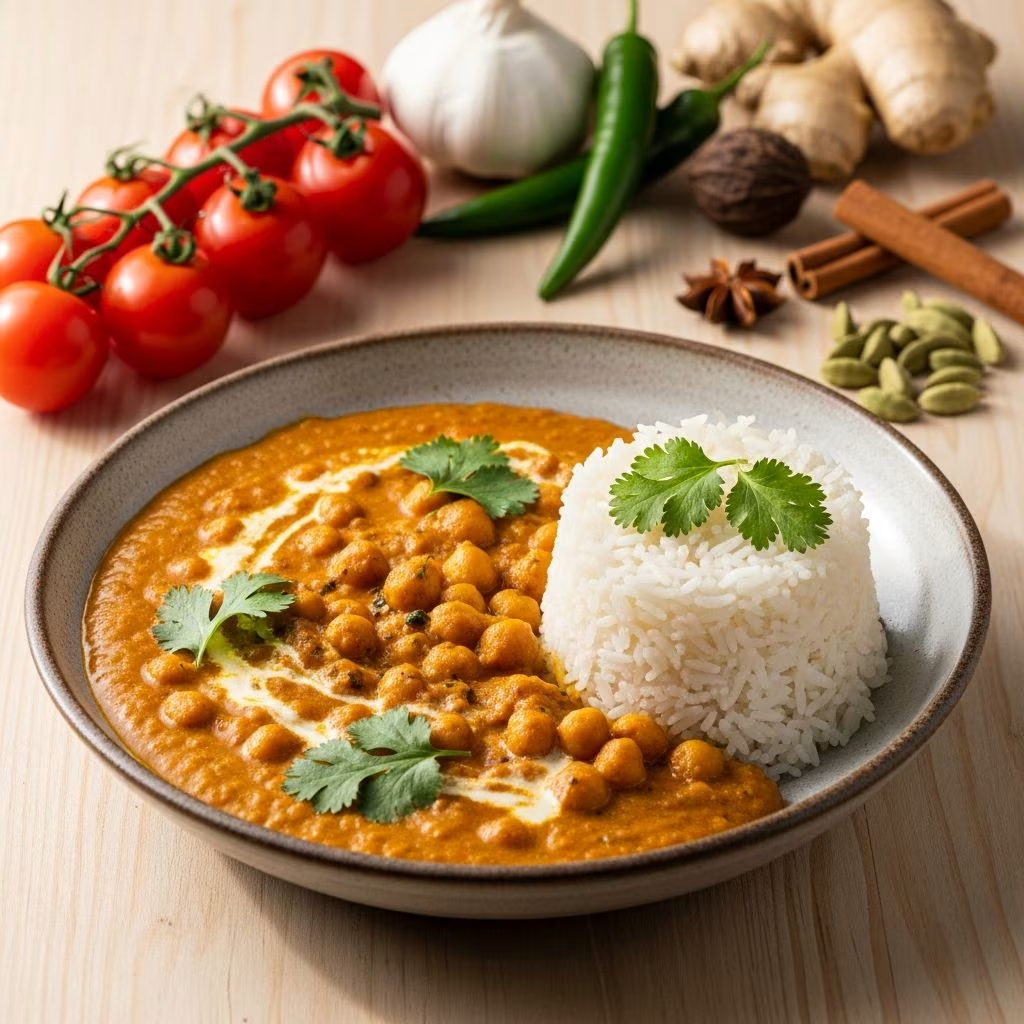
Chickpea curry represents one of the most accessible and rewarding plant-based dishes you can prepare in your own kitchen. This versatile recipe combines humble legumes with aromatic spices and creamy coconut milk to create a satisfying meal that works equally well for casual weeknight dinners or entertaining guests. Whether you’re a seasoned home cook or just beginning to explore vegetarian cuisine, mastering the fundamentals of chickpea curry opens doors to countless variations and personalized adaptations.
Understanding the Essential Components
The foundation of any successful chickpea curry rests on understanding how its core components work together. At its heart, this dish represents a harmonious balance between protein-rich legumes, aromatic flavor builders, and a silky sauce that brings everything into cohesion. Each element serves a specific purpose in creating the final dish’s texture, taste, and overall appeal.
The chickpeas themselves provide substantial heartiness and nutritional value while absorbing the surrounding flavors during cooking. Canned varieties offer convenience without sacrificing quality, though dried chickpeas that have been pre-cooked deliver superior texture control. Regardless of your choice, ensuring proper preparation—draining and rinsing canned varieties thoroughly—prevents an overly starchy sauce and unwanted metallic flavors.
The Aromatic Foundation
Building layers of flavor starts with the aromatic base of onions, garlic, and ginger. This trio forms the flavor bedrock upon which all subsequent ingredients build. The cooking process matters significantly here: sautéing onions until they achieve a golden hue rather than remaining translucent allows natural sugars to develop, creating deeper, more complex flavor notes. This step typically requires four to five minutes over medium-high heat, during which you’ll want to stir occasionally to encourage even browning and prevent burning.
Once onions reach their golden state, adding minced garlic and freshly grated or minced ginger creates an intensely aromatic mixture. This combination should cook for approximately one to two minutes, just long enough to become fragrant but not so long that the garlic begins to brown and turn bitter. The aroma that fills your kitchen during this step signals that volatile compounds are being released, preparing your palate for the complexity ahead.
Spice Selection and Toasting
The spice profile defines your curry’s character entirely. A well-constructed chickpea curry typically incorporates curry powder as its dominant spice, supplemented by garam masala for warmth and complexity, ground cumin for earthiness, and often a touch of turmeric or red chili powder for depth and color. The quantities matter—approximately two tablespoons of curry powder, one and a half teaspoons of garam masala, and one teaspoon of ground cumin create a balanced profile, though personal preference should guide final adjustments.
Many curry recipes benefit from briefly toasting these spices in the residual heat of the aromatic vegetables before introducing wet ingredients. This technique, which takes roughly one minute, awakens the spices’ essential oils and intensifies their flavor contributions. You’ll notice the spices becoming fragrant and slightly darkening in color—this visual and olfactory cue indicates they’ve reached their optimal activation point.
Building Your Sauce Structure
The sauce represents the curry’s defining characteristic, transforming individual ingredients into a cohesive dish. Traditional chickpea curry achieves its sauce through a combination of coconut milk, vegetable broth, and often tomato-based components that contribute acidity and additional body.
Coconut Milk’s Critical Role
Coconut milk forms the sauce’s creamy foundation, providing richness that makes the dish satisfying and luxurious despite containing no animal products. Most recipes call for approximately one to one and a quarter cups of coconut milk, though some variations include higher proportions for extra creaminess. When selecting coconut milk, full-fat varieties produce superior results compared to reduced-fat alternatives, offering better flavor development and more naturally silky textures. Stirring the can thoroughly before measuring ensures even distribution of the cream and liquid components.
Broth and Moisture Balance
Vegetable broth contributes depth while controlling the sauce’s consistency. Typically, three-quarters to one cup of low-sodium vegetable broth prevents the curry from becoming too thick while allowing flavors to concentrate through simmering. Some recipes substitute water or chickpea cooking liquid if broth isn’t available, though broth’s subtle savory notes enhance the overall composition.
Tomato’s Flavor Contribution
Tomatoes add crucial acidity and body to the sauce. Some recipes use canned diced tomatoes with their juices, while others incorporate tomato paste or tomato puree for concentrated flavor and thickening properties. Tomato paste, when used, typically requires brief cooking in the spiced oil before introducing other liquids, allowing its flavors to caramelize and intensify. Fresh tomato components develop their flavors more fully when given time to cook down, releasing their natural juices and mellowing any sharp raw-tomato notes.
Step-by-Step Preparation Method
Initial Cooking Phase
Begin by heating two tablespoons of vegetable or coconut oil in a large skillet or pot over medium-high heat. Once the oil reaches proper temperature—it should shimmer and move freely across the pan—introduce your diced onions. Maintain medium-high heat for four to five minutes, stirring every couple of minutes to encourage even browning and prevent uneven cooking. The onions should transition from translucent to light golden, indicating the Maillard reaction is developing deeper flavors.
Next, reduce heat slightly and add your minced garlic and ginger to the softened onions. Stir constantly for one to two minutes while the mixture becomes increasingly fragrant. This moment marks an important transition—you’re moving from building aromatics to preparing for spice incorporation.
Spice Integration
With heat reduced to medium, add your curry powder, garam masala, ground cumin, and any other dry spices to the aromatic mixture. Stir continuously for approximately one minute, allowing the spices to warm and their essential oils to activate. The kitchen will fill with complex aromas—this sensory feedback indicates successful spice blooming. If using tomato paste, introduce it now and stir for another minute, allowing it to darken slightly and develop deeper caramelized flavors.
Liquid Incorporation and Simmering
Add your drained and rinsed chickpeas to the spiced mixture, stirring well to coat them completely with the aromatic oil and spice blend. Pour in your coconut milk and vegetable broth, stirring thoroughly to combine all components. If using canned tomatoes, add them along with their juices at this stage. Bring the entire mixture to a boil, then immediately reduce heat to medium-low, establishing a gentle simmer rather than a vigorous rolling boil.
Maintain this simmer for ten to fifteen minutes, stirring occasionally to prevent sticking and ensure even flavor distribution. The sauce will gradually thicken as it reduces, and the chickpeas will continue absorbing surrounding flavors. If you have additional time available, extending the simmer to twenty or even thirty minutes deepens flavor complexity considerably without risk of overcooking.
Flavor Enhancement and Finishing Touches
The final phase of curry preparation involves adjusting flavors to match your preferences and adding fresh elements that brighten the dish. Taste the curry carefully and consider each element: Does it need additional salt for depth? Would more curry powder or garam masala enhance the spice profile? Should lime juice provide brightness, or would sriracha add welcome heat?
Fresh cilantro, added either during cooking or as a finishing garnish, contributes herbaceous notes that complement the warm spices beautifully. Lime juice squeezed in just before serving adds brightness that cuts through the richness of coconut milk while refreshing your palate. Some variations include spinach or kale, which wilts directly into the curry in the final minutes of cooking, adding nutritional value and subtle earthiness.
Serving Suggestions and Accompaniments
Chickpea curry becomes a complete meal when paired with appropriate starches and sides. Basmati rice represents the classic choice, its delicate flavor providing a neutral canvas that doesn’t compete with the curry’s complexity. Prepare it separately according to package directions, allowing it to remain fluffy and individual grains distinct rather than becoming mushy.
For those seeking alternatives, quinoa offers interesting texture contrast and complete protein complementarity, while naan or other flatbreads prove perfect for scooping and enjoying every drop of sauce. Millet and other whole grains can also showcase this versatile dish beautifully.
Fresh accompaniments enhance the eating experience substantially. A simple cucumber salad with fresh lime juice provides cooling contrast, while quick pickled onions add brightness. Yogurt-based sauces offer creaminess for those including dairy, though the coconut milk already provides satisfying richness for vegan preparations.
Common Variations and Adaptations
The chickpea curry framework welcomes numerous creative interpretations. Some cooks incorporate additional vegetables such as bell peppers, which add color and textural variety, or mushrooms for umami depth. Adjusting spice heat through increased red chili powder or fresh jalapeños accommodates different heat preferences without compromising the dish’s essential character.
Texture modifications represent another variation approach—some prefer leaving chickpeas whole and firm, while others mash them slightly with the back of a spoon during cooking, creating a creamier sauce that clings more completely to accompanying grains. Brown sugar or honey in small quantities can balance excessive heat from spices if needed, while additional coconut milk creates a thinner, more soup-like consistency.
Storage and Make-Ahead Considerations
Chickpea curry improves after a day or two as flavors continue melding and developing. Store leftovers in airtight containers in the refrigerator for up to four days, or freeze for several months with minimal quality loss. The dish reheats beautifully on the stovetop with a splash of broth or water if the sauce has thickened excessively.
Make-ahead preparation becomes straightforward with this recipe—complete all steps through the initial simmer phase, cool thoroughly, and refrigerate until needed. When ready to serve, gently reheat and add fresh garnishes for optimal presentation and flavor.
Frequently Asked Questions
Can I use dried chickpeas instead of canned?
Yes. Soak dried chickpeas overnight, then cook until tender (approximately one and a half hours) before incorporating them into the curry. This approach requires additional planning but often delivers superior texture control and potentially fresher flavor.
What if my curry becomes too thick?
Add vegetable broth or water in small increments, stirring between additions until you achieve the desired consistency. The curry should pour easily but maintain enough body to coat the chickpeas.
How can I make this dish spicier?
Increase red chili powder, add fresh jalapeños during the aromatic phase, or finish with sriracha or hot sauce according to your heat tolerance. Remember that spice compounds develop throughout cooking, so adjust carefully.
Is this recipe naturally vegan?
Yes, as written using coconut milk and vegetable broth. Ensure your curry powder and garam masala don’t contain animal products if strict vegan compliance matters.
Can I prepare this in a slow cooker?
Yes. Complete the aromatic and spice phases on the stovetop, then transfer everything to a slow cooker and cook on low for four to six hours or high for two to three hours. Reduce liquid slightly as slow cooking minimizes evaporation.
References
- Easy Chickpea Curry Recipe — Downshiftology. Accessed 2026. https://downshiftology.com/recipes/chickpea-curry/
- Creamy Vegan Coconut Chickpea Curry — Jessica in the Kitchen. Accessed 2026. https://jessicainthekitchen.com/coconut-chickpea-curry-recipe/
- Chickpea Curry Recipe with Detailed Steps — Indian Healthy Recipes. Accessed 2026. https://www.indianhealthyrecipes.com/chickpea-curry/
- Easy, Creamy Chickpea Curry — It Doesn’t Taste Like Chicken. Accessed 2026. https://itdoesnttastelikechicken.com/chickpea-curry/
- Chickpea Curry Recipe — The Pioneer Woman. Accessed 2026. https://www.thepioneerwoman.com/food-cooking/recipes/a57629/chickpea-curry/
- Easy Chickpea Curry Guide — Host the Toast. Accessed 2026. https://hostthetoast.com/easy-chickpea-curry/