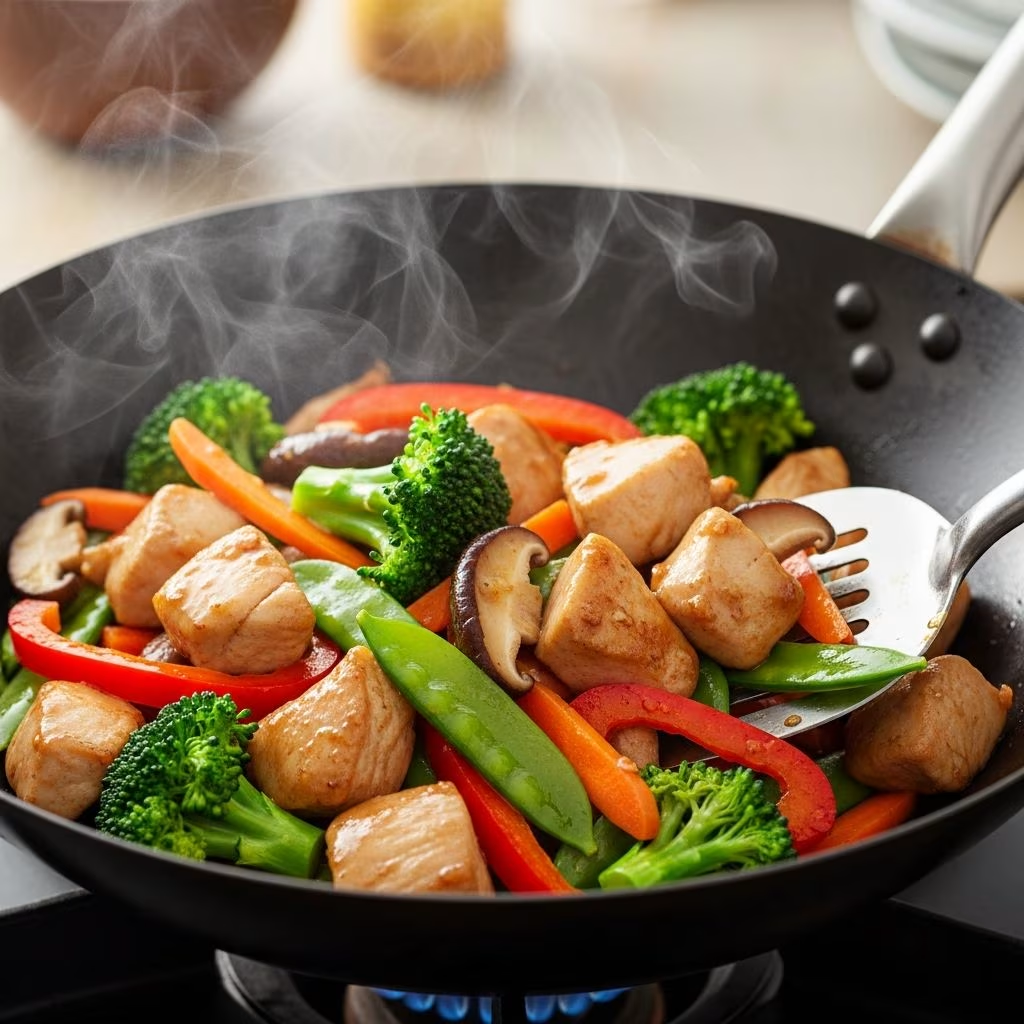
Stir-fry cooking represents one of the most efficient and satisfying approaches to preparing a complete meal within a tight timeframe. This cooking technique, which originates from Asian culinary traditions, combines lean protein, nutrient-dense vegetables, and flavorful sauces into a single, harmonious dish. Whether you’re preparing a weeknight dinner for your family or impressing guests with your culinary skills, understanding the fundamentals of stir-fry preparation ensures consistent, delicious results.
Understanding the Foundation of Stir-Fry Cooking
The essence of stir-fry cooking lies in its combination of speed, heat, and precision. This method requires constant motion and attention, which prevents ingredients from sticking to the pan while ensuring even cooking throughout. The term “stir-fry” itself describes the continuous stirring and tossing of ingredients in a hot wok or skillet, creating a dynamic cooking environment where flavors meld together seamlessly.
The success of any stir-fry dish depends on three critical elements: proper ingredient preparation, appropriate heat management, and strategic sequencing. When these components work together harmoniously, the result is a dish featuring tender protein, vegetables with a satisfying crunch, and sauce that coats every bite.
Selecting and Preparing Your Chicken
Chicken serves as an ideal protein for stir-fry preparations because it cooks quickly and absorbs flavors readily. For optimal results, choose boneless chicken thighs or breasts and cut them into uniform bite-sized pieces. Consistency in size ensures that all chicken pieces cook at the same rate, preventing some portions from becoming dry while others remain undercooked.
When trimming chicken thighs, remove excess fat to promote even cooking and reduce excess oil in the final dish. Cutting against the grain creates more tender pieces and improves the overall texture of your finished stir-fry. Aim for pieces approximately one centimeter thick for optimal cooking time and texture.
Some cooks prefer marinating chicken before cooking to enhance tenderness and flavor. A simple marinade of oyster sauce, chicken bouillon powder, sugar, and cornstarch can be applied 15 to 20 minutes before cooking, though this step remains optional for quick weeknight preparations.
Vegetable Selection and Preparation Strategies
The beauty of stir-fry cooking lies in its flexibility regarding vegetable choices. Common selections include broccoli florets, bell peppers in various colors, carrots, snap peas, mushrooms, zucchini, and onions. A typical stir-fry dish utilizes approximately six cups of assorted vegetables, though this quantity can be adjusted based on serving requirements.
Proper vegetable preparation involves cutting all pieces to roughly uniform sizes, matching the dimensions of your chicken pieces. This consistency promotes even cooking and creates a visually appealing final presentation. Additionally, certain vegetables benefit from pre-cooking before joining the stir-fry, particularly dense vegetables like carrots and broccoli.
Some recipes recommend blanching harder vegetables like carrots and broccoli in boiling salted water for approximately two minutes, draining them in a colander before adding them to the wok. This pre-cooking step ensures these vegetables reach the ideal tenderness level without overcooking softer vegetables that are added later.
The Crucial Role of Cooking Oil and Heat Management
Oil selection significantly impacts the final flavor profile and cooking performance of your stir-fry. High-heat oils such as canola oil or vegetable oil withstand the elevated temperatures required for proper stir-frying without breaking down or imparting undesirable flavors. Sesame oil, while aromatic and delicious, typically serves as a finishing touch rather than a primary cooking medium due to its lower smoke point.
Heat management distinguishes successful stir-fry preparations from mediocre attempts. Initial chicken cooking typically occurs over medium-high heat with approximately one teaspoon of oil. Once the chicken completes cooking and is removed from the wok, increase the heat to high and add the remaining oil before introducing vegetables. This temperature adjustment allows vegetables to develop a slight caramelization while maintaining their crisp texture.
Sequencing Ingredients for Perfect Texture and Flavor
The order in which you add ingredients to your wok directly affects the final texture and overall success of your dish. Beginning with chicken allows you to build a flavorful foundation and ensure the protein cooks thoroughly. Removing the chicken before adding vegetables prevents overcooking and keeps the meat tender.
Vegetable sequencing depends on cooking time requirements. Longer-cooking vegetables like broccoli and carrots enter the wok first, followed by medium-cooking vegetables like bell peppers and onions approximately two minutes later. Fast-cooking vegetables such as snap peas or zucchini are added toward the end to preserve their crispness and vibrant color.
Aromatic ingredients like garlic and ginger are typically added after initial vegetable cooking, requiring only one minute of cooking time to prevent burning while still infusing their flavors into the dish. This timing ensures these potent flavoring agents contribute depth without becoming bitter or overpowering.
Creating and Incorporating the Stir-Fry Sauce
The sauce binds all ingredients together while adding umami depth and complementary flavors. A basic stir-fry sauce typically combines soy sauce, chicken stock, cornstarch, and a sweetening agent such as honey or brown sugar. The cornstarch serves as a thickening agent, creating a silky coating that clings to the chicken and vegetables.
Preparation of the sauce before cooking begins ensures smooth incorporation once cooking reaches the final stages. Whisking sauce components together until no lumps remain prevents clumping of the cornstarch when the sauce meets the hot wok. Common sauce variations include additions of sesame oil for nuttiness, ginger and garlic for aromatic depth, or red pepper flakes for heat.
Once all ingredients have achieved the desired doneness level, the sauce is poured over the chicken and vegetables and brought to a gentle boil. This boiling allows the sauce to thicken slightly as the cornstarch activates and coats the ingredients evenly. Typically, one to two minutes of simmering suffices to achieve proper sauce consistency.
Equipment Considerations and Cooking Vessels
A traditional wok provides the ideal vessel for stir-fry cooking due to its curved sides and capacity to maintain high heat while allowing easy ingredient movement. However, a large nonstick skillet or cast iron skillet serves as a capable alternative when a wok is unavailable. The key consideration involves selecting a vessel large enough to accommodate all ingredients without overcrowding, which prevents proper heat circulation and ingredient movement.
Regardless of the vessel choice, ensure adequate surface area for the single-layer cooking of chicken, which promotes proper browning and even heat exposure. A crowded skillet steams ingredients rather than stir-frying them, resulting in less appetizing texture and flavor development.
Timing and Serving Recommendations
The entire stir-fry preparation typically requires less than thirty minutes from start to finish, making this cooking method ideal for busy schedules. Most of this time involves ingredient preparation rather than active cooking, which occupies only ten to fifteen minutes of concentrated effort.
Stir-fry dishes are best served immediately upon completion while vegetables maintain their crisp texture and all components are at optimal temperature. Serving over steamed rice or with chow mein noodles creates a complete, satisfying meal. Garnishing with green onions and sesame seeds adds visual appeal and textural contrast.
Ingredient Quantity and Serving Guide
| Ingredient | Typical Quantity (for 4 servings) | Notes |
|---|---|---|
| Chicken (thighs or breasts) | 1-1.5 pounds | Cut into bite-sized pieces |
| Assorted vegetables | 6 cups total | Mix hard and soft vegetables |
| High-heat cooking oil | 3 teaspoons total | 1 tsp for chicken, 2 tsp for vegetables |
| Chicken stock | 3/4 to 1 cup | Adjust for desired sauce thickness |
| Cornstarch | 2 teaspoons | Mix with sauce components |
| Soy sauce | 3-4 tablespoons | Primary flavoring agent |
| Honey or brown sugar | 2 tablespoons | Balances savory flavors |
Frequently Asked Questions About Stir-Fry Preparation
What prevents vegetables from becoming mushy during stir-frying?
Vegetable texture depends on careful timing and heat management. Adding harder vegetables first and softer ones later ensures each reaches the desired crisp-tender state simultaneously. Avoiding overcooking is essential, as vegetables continue softening slightly after the sauce is added.
Can I prepare ingredients ahead of time for quick cooking?
Yes, preparing all vegetables and chicken several hours in advance and storing them in the refrigerator allows for rapid cooking when needed. Keep prepared ingredients separate to prevent moisture absorption and maintain texture until cooking begins.
What adjustments work best for dietary preferences?
Vegetable combinations remain infinitely customizable based on personal preferences and dietary restrictions. Substituting chicken with tofu, shrimp, or beef accommodates various protein preferences. Adjusting sauce ingredients such as reducing sodium or using tamari instead of soy sauce addresses dietary needs.
How thick should the stir-fry sauce be?
Sauce consistency is largely a matter of personal preference. More cornstarch creates a thicker sauce that coats ingredients more heavily, while less cornstarch produces a lighter, more brothy sauce. Adjusting chicken stock quantity also influences final consistency.
Professional Tips for Stir-Fry Excellence
- Mise en place approach: Arrange all ingredients and equipment before heat application ensures smooth, uninterrupted cooking without scrambling to find items
- Consistent heat: Maintain medium-high heat for chicken and high heat for vegetables to achieve proper browning and texture development
- Avoid crowding: Work in batches if necessary to ensure every piece receives direct contact with the hot wok surface
- Rest cooked chicken: Allow removed chicken to rest on a plate temporarily, allowing residual heat to complete cooking without drying out the meat
- Sauce balance: Taste sauce components before cooking and adjust sweetness, saltiness, and acidity to personal preference
- Fresh aromatics: Minced fresh garlic and ginger offer superior flavor compared to pre-minced varieties that have begun oxidizing
- Finishing touches: Drizzle sesame oil over the completed stir-fry immediately before serving to maximize its aromatic qualities
Variations and Flavor Explorations
While the fundamental stir-fry method remains consistent, numerous variations allow creative expression and flavor exploration. Asian-inspired versions incorporate ingredients like oyster sauce, fish sauce, and star anise for authentic depth. Western adaptations might include cashews or other nuts for added richness and textural complexity.
Spice enthusiasts can adjust heat levels through red pepper flakes, fresh chilies, or sriracha additions. Those preferring subtle flavors can reduce or eliminate spicy components while emphasizing savory and slightly sweet flavor profiles through adjusted sauce ratios.
Storage and Reheating Guidance
Stir-fry dishes can be stored in airtight containers in the refrigerator for up to four days, though vegetables gradually soften over time. Reheating occurs most successfully on the stovetop over medium heat with a splash of water added to refresh the sauce and restore vegetable texture. Microwave reheating is possible but may result in less appetizing texture compared to stovetop methods.
For optimal eating experience, stir-fry is best consumed immediately after preparation while all components maintain their ideal textures and temperatures. However, the convenience of make-ahead capability still makes this dish practical for meal planning and busy schedules.
Conclusion
Stir-fry chicken and vegetables represents an accessible yet impressive cooking method that delivers nutrition, flavor, and satisfaction in a remarkably efficient timeframe. By understanding ingredient selection, proper sequencing, heat management, and sauce preparation, any home cook can consistently produce restaurant-quality results. The flexibility of this cooking approach accommodates various preferences, dietary needs, and ingredient availability, making it an invaluable skill for any kitchen.
References
- Chicken and Vegetable Stir Fry – Healthy + Easy — Iowa Girl Eats. Accessed 2026. https://iowagirleats.com/chicken-and-vegetable-stir-fry/
- Chicken Stir Fry Recipe — Natasha’s Kitchen. Accessed 2026. https://natashaskitchen.com/chicken-stir-fry-recipe/
- Chicken Vegetable Stir Fry Recipe — SueBee Homemaker. Accessed 2026. https://suebeehomemaker.com/chicken-vegetable-stir-fry-recipe/
- Stir Fry Chicken and Vegetables — African Bites. Accessed 2026. https://www.africanbites.com/stir-fry-chicken/
- Easy Chicken Stir Fry Recipe — Mom On Timeout. Accessed 2026. https://www.momontimeout.com/easy-chicken-stir-fry-recipe/
- Grandma’s Chicken and Vegetable Stir Fry — Wok and Kin. Accessed 2026. https://www.wokandkin.com/chicken-and-vegetable-stir-fry/