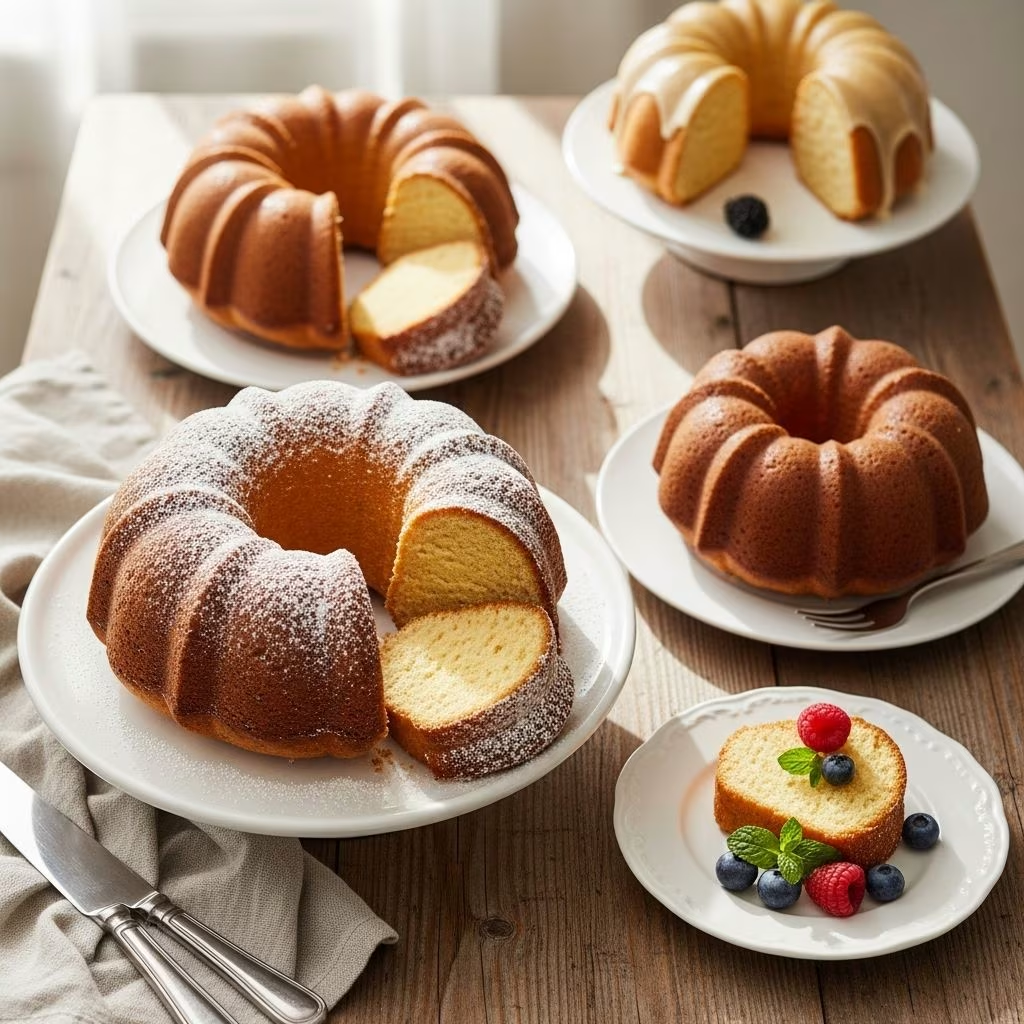
The Bundt cake has long been a staple in home kitchens and bakeries alike, offering a beautiful presentation without requiring advanced decorating skills. What makes these ring-shaped cakes so appealing is their elegant appearance combined with surprisingly straightforward preparation methods. Whether you’re a beginner just starting your baking journey or an experienced baker seeking reliable recipes, Bundt cakes provide the perfect canvas for experimentation and creativity.
Why Choose Bundt Cakes for Your Next Baking Project
Bundt cakes stand out from other desserts for several compelling reasons. Their distinctive shape creates visual interest automatically, eliminating the need for elaborate frosting or complicated decorative techniques. The ring-shaped pan distributes heat evenly during baking, resulting in consistently moist cakes with a tender crumb structure. Additionally, the ridged design of the pan creates an impressive presentation straight from the oven, making these cakes ideal for entertaining guests or bringing to potlucks.
The versatility of Bundt cakes cannot be overstated. You can adapt nearly any cake flavor profile to fit the Bundt pan, from traditional vanilla and chocolate to more adventurous combinations featuring citrus, nuts, and spices. Many recipes come together quickly with minimal ingredients, making them accessible for bakers at all skill levels.
Essential Techniques for Bundt Cake Success
Understanding fundamental preparation methods ensures your Bundt cakes turn out perfectly every time. Proper pan preparation is the foundation of success—this step deserves careful attention to prevent sticking and achieve that attractive finish the pan is designed to provide.
Preparing Your Bundt Pan
Begin by thoroughly coating your Bundt pan with a neutral oil, working the oil into all the ridges and crevices with a pastry brush or paper towel. Don’t skip any corners; even small gaps can cause portions of your cake to stick. After oiling, dust the entire pan generously with granulated sugar. This creates a sparkly, protective layer that prevents sticking while adding a pleasant crunch to the cake’s exterior. Some bakers prefer using flour instead of sugar for this step, but sugar provides superior results both functionally and aesthetically.
Ingredient Combining Methods
The method you use to combine ingredients significantly impacts your final cake’s texture. The creaming method, which involves beating butter and sugar together until light and fluffy, incorporates air throughout the batter and creates a tender crumb. This technique typically takes about three minutes with an electric mixer at medium-high speed.
When working with the creaming method, add your wet ingredients—typically eggs and vanilla extract—gradually to the creamed mixture. This ensures proper emulsification and prevents the batter from becoming curdled or separated. Adding ingredients in small batches creates a more stable emulsion than dumping everything in at once.
For the dry ingredients, many traditional recipes employ an alternating addition method. Start by adding one portion of dry ingredients to the wet mixture, followed by a portion of liquid (usually buttermilk or milk), then repeat this pattern. This technique prevents overworking the batter and ensures even distribution of leavening agents. Fold the final additions gently with a rubber spatula rather than using an electric mixer to maintain the airiness you’ve already incorporated.
Classic Vanilla Foundation Recipe
A reliable vanilla Bundt cake serves as your foundation for understanding the techniques and ratios necessary for successful baking. This base recipe requires minimal ingredients and straightforward steps, making it perfect for learning.
Ingredient Requirements
- Two and one-half cups all-purpose flour
- Half cup cornstarch
- One teaspoon baking powder
- One-quarter teaspoon baking soda
- Half teaspoon salt
- One cup unsalted butter at room temperature
- One-quarter cup vegetable oil
- Two and one-quarter cups granulated sugar
- One cup cream cheese at room temperature
- Six large eggs at room temperature
- One tablespoon vanilla extract
- Half cup whole milk at room temperature
Mixing and Baking Process
Begin by preheating your oven to 350 degrees Fahrenheit. While the oven reaches temperature, sift your flour, cornstarch, salt, baking powder, and baking soda into a bowl, whisking until thoroughly combined. In a separate large mixing bowl, cream together the butter, oil, and sugar for approximately three minutes on medium-high speed until the mixture becomes light and fluffy in appearance and consistency.
Next, incorporate the cream cheese, mixing on low to medium speed until well combined. Scrape down the bowl’s sides periodically to ensure all ingredients are incorporated evenly. Add eggs one at a time, waiting for each egg to be fully incorporated before adding the next. Stir in the vanilla extract, then proceed with the alternating addition method for the dry ingredients and milk.
Pour the batter into your prepared Bundt pan and bake for approximately 55 to 65 minutes, until a toothpick inserted into the thickest portion comes out clean or with just a few moist crumbs. Allow the cake to cool in the pan for 15 minutes before carefully inverting it onto a wire cooling rack.
Simplified Cake Mix Variation
Not every situation calls for baking entirely from scratch. Boxed cake mixes provide an excellent starting point for quick, reliable results when time is limited or you’re baking with children.
Enhanced Mix Method
Begin with two packages of your preferred cake mix flavor and one package of instant pudding in any complementary flavor. Combine these dry ingredients in a bowl, then add one cup of water, one-half cup of applesauce or oil, and three eggs. Stir until just combined, being careful not to overmix. Optional add-ins like chocolate chips, nuts, or peanut butter chips add texture and flavor interest to the final result.
Pour into a prepared Bundt pan and bake at 350 degrees Fahrenheit until a toothpick inserted into the cake comes out clean, typically 35 to 40 minutes. This approach transforms basic ingredients into an impressive dessert that tastes far more homemade than the box suggests.
Creative Flavor Variations
Once you’ve mastered the basic technique, experimenting with flavor combinations becomes an enjoyable part of the baking process. The Bundt cake format accommodates nearly unlimited variations while maintaining its characteristic elegance.
Marble Pattern Creation
Divide vanilla batter between two bowls and sift cocoa powder into one portion, folding until the chocolate is evenly distributed. Spoon the batters alternately into your prepared pan, creating dramatic visual contrast as the cake bakes. The resulting marble effect requires no additional decorating effort yet impresses everyone who sees it.
Citrus Variations
Replace buttermilk in your vanilla recipe with fresh orange juice to create a bright, refreshing orange-flavored cake. Alternatively, add finely grated lemon or lime zest directly to your batter for a more subtle citrus presence. These variations pair beautifully with simple glazes made from powdered sugar and matching citrus juice.
Spice-Forward Options
Incorporate warm spices like cinnamon, nutmeg, and ginger to create autumn-inspired flavors that work particularly well during fall gatherings. Add these spices to your dry ingredient mixture, adjusting quantities to taste. These versions pair wonderfully with coffee and work well for breakfast gatherings or afternoon tea service.
Glazing and Finishing Touches
While a properly baked Bundt cake stands beautifully on its own, a simple glaze adds moisture and visual appeal. Basic vanilla glaze requires only powdered sugar, milk, and vanilla extract mixed to drizzling consistency. Pour the glaze over the cooled cake, allowing it to cascade down the ridges naturally.
For citrus-flavored cakes, substitute matching citrus juice for milk in your glaze recipe. Cocoa-based cakes benefit from chocolate glaze made with cocoa powder, butter, powdered sugar, and milk. These simple finishes enhance rather than mask the cake’s flavor while requiring minimal additional effort.
Troubleshooting Common Baking Challenges
Sticky or Crumbly Results
Inadequate pan preparation stands as the primary cause of cakes sticking to Bundt pans. Ensure you’ve thoroughly oiled and sugared the entire pan, paying special attention to the center post. If your cake does stick, try running a thin knife around the edges and center post while the cake is still warm.
Dense Texture
Overmixing the batter after adding flour causes gluten development, resulting in dense, tough cakes. Once you add dry ingredients, mix only until barely combined. Alternatively, if your cakes consistently turn out dense, ensure your baking powder and baking soda haven’t expired, as these leavening agents lose potency over time.
Uneven Baking
Bundt pans can occasionally bake unevenly, with certain areas browning faster than others. Rotating your pan halfway through baking helps ensure even browning. If your oven runs hot, reduce the temperature slightly and extend baking time accordingly.
Storage and Make-Ahead Tips
Properly stored Bundt cakes remain fresh and moist for several days. Once completely cooled, wrap unfrosted cakes tightly in plastic wrap and store at room temperature for up to three days. For longer storage, refrigerate wrapped cakes for up to a week, or freeze for up to three months.
Many Bundt cake recipes benefit from sitting overnight before serving, as this allows flavors to meld and the crumb to set more firmly, making slicing easier and cleaner. Glazed cakes can be made a full day ahead, providing convenient options for entertaining.
Serving Suggestions and Presentation
Bundt cakes adapt beautifully to various serving contexts. Slice and serve with fresh berries and whipped cream for elegant dessert plating. Pair with vanilla ice cream for casual family desserts. For morning gatherings, serve with coffee alongside fresh fruit. The versatile nature of Bundt cakes makes them suitable for any time of day or occasion.
Equipment Needs and Recommendations
Beyond the Bundt pan itself, successful baking requires a few basic tools. An electric mixer, whether handheld or stand model, simplifies the creaming process and ensures proper mixing. Measuring cups and spoons allow accurate ingredient portioning. A rubber spatula, whisk, and pastry brush complete your essential Bundt baking toolkit. Quality pans conduct heat more evenly than cheaper alternatives, so investing in good Bundt pans pays dividends in baking results.
Frequently Asked Questions
Why does my Bundt cake stick to the pan?
Insufficient pan preparation remains the most common cause of sticking. Ensure complete coverage with oil, working into every ridge, then dust generously with sugar. Some bakers find that using baker’s spray with flour simplifies this step while providing excellent results.
Can I make Bundt cakes without cream cheese?
Yes, omit cream cheese and increase butter to one and one-quarter cups. The resulting cake will be slightly less dense but still moist and flavorful. Some bakers prefer the lighter texture this creates.
How do I know when my Bundt cake is done?
A toothpick inserted into the thickest portion should come out clean or with just a few moist crumbs. The cake should also spring back when lightly pressed and pull away slightly from the pan’s edges.
Can I double Bundt cake recipes?
Yes, though you’ll need two pans and may need to adjust baking time slightly. Bake both pans together if your oven accommodates them, rotating the pans halfway through for even baking.
What’s the best way to invert a warm Bundt cake?
Place your wire cooling rack directly over the cake, hold both together firmly, then flip in one confident motion. Let it rest for a few seconds before carefully lifting away the pan.
References
- Easy Classic Vanilla Bundt Cake — Bake with Zoha. 2024. https://bakewithzoha.com/classic-vanilla-bundt-cake/
- The Easy Bundt Cake Recipe They’ll Never Guess Came From a Box — Andrea Dekker. 2024. https://andreadekker.com/my-favorite-from-a-box-bundt-cake/
- Easy Vanilla Bundt Cake Recipe — Preppy Kitchen via YouTube. 2024. https://preppykitchen.com/vanilla-bundt-cake/
- Easy Old-Fashioned Pound Cake Recipe — Beyond Frosting. 2024. https://beyondfrosting.com/classic-pound-cake/
- Classic Bundt Cake (Super Moist!) — Cakes by MK. 2024. https://cakesbymk.com/recipe/bundt-cake-recipe/
- 50 Favorite Bundt Cake Recipes — My Cake School. 2024. https://www.mycakeschool.com/25-favorite-bundt-cake-recipes/
- 7 Must-Try Bundt Cakes That Are as Easy as They Are Impressive — The Cafe Sucre Farine. 2024. https://thecafesucrefarine.com/7-easy-bundt-cake-recipes/