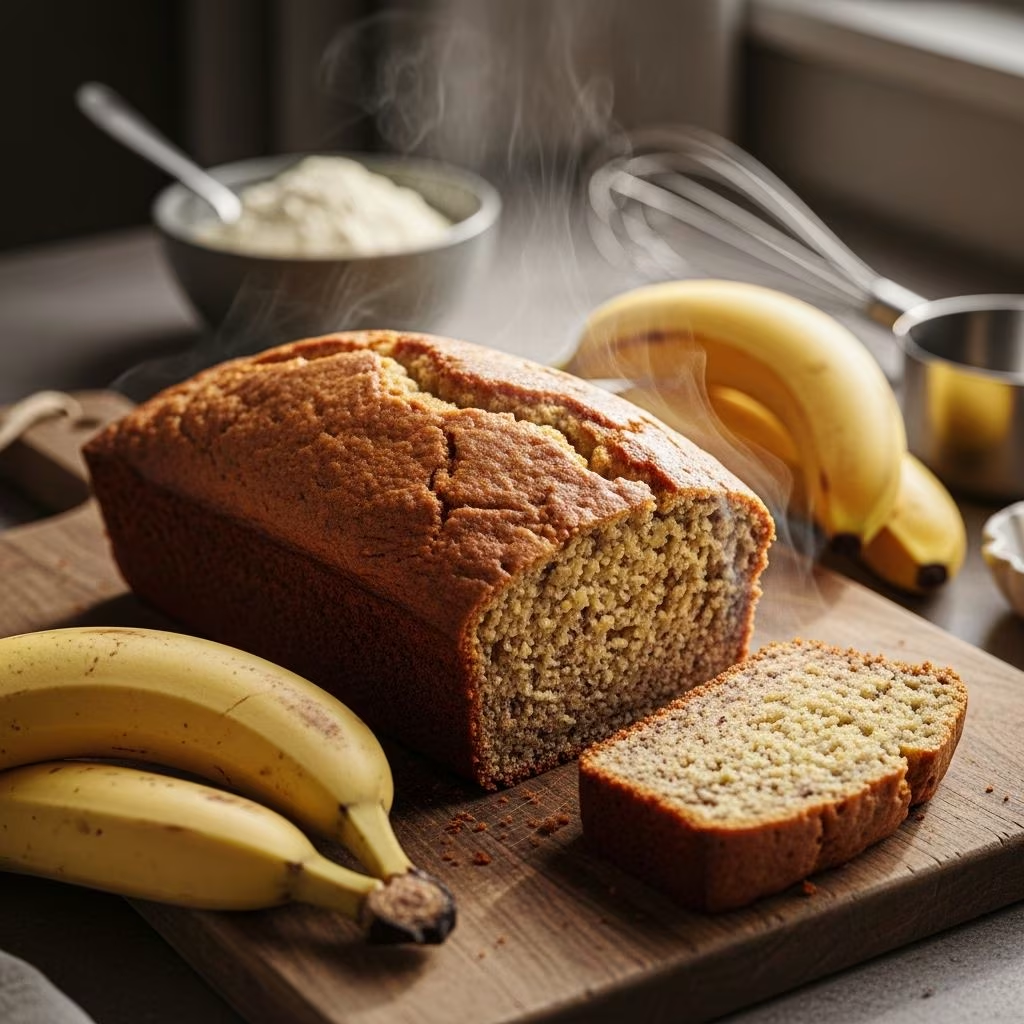
Banana bread holds a special place in home baking traditions across many households. The aroma of this beloved treat baking in the oven is unmistakable, yet traditional recipes often demand significant time and numerous ingredients. For those who love banana bread but lack the patience for conventional methods, a modern shortcut exists that delivers exceptional results without compromising on taste or texture. This approach leverages a pantry staple to streamline the entire baking process.
Understanding the Foundation of This Baking Method
The cornerstone of this simplified banana bread technique involves using yellow cake mix as the primary dry ingredient base. This substitution fundamentally changes the preparation timeline while maintaining the familiar, comforting flavor profile that makes banana bread so appealing. The cake mix contains pre-measured leavening agents, flavorings, and other essential dry components that would typically require individual measuring and combining. By starting with this foundation, home bakers eliminate numerous steps while achieving consistent, predictable results.
The beauty of this approach lies in its flexibility. Different brands of cake mix produce slightly different textures and flavor intensities, allowing bakers to customize their final product based on personal preferences. Some prefer the straightforward vanilla notes, while others experiment with different cake mix varieties to introduce subtle flavor variations.
Essential Ingredients for Your Quick Banana Bread
Creating this simplified banana bread requires surprisingly few components. The basic ingredient list includes:
- Three ripe bananas – The ripeness level directly impacts the final product’s sweetness and moisture content
- Two eggs – These provide structure, binding, and additional moisture to the batter
- One box of yellow cake mix – The primary dry ingredient foundation
- Optional enhancements – Chocolate chips, nuts, or peanut butter chips for added texture and flavor complexity
The minimal ingredient list represents one of the primary advantages of this baking method. Traditional banana bread recipes often require butter, sugar, flour, baking soda, salt, and multiple other components that demand precise measuring and careful integration. This streamlined approach reduces both preparation complexity and the likelihood of measurement errors.
Selecting the Perfect Bananas
Banana selection significantly influences the quality of your finished bread. The ideal candidates display extensive brown spotting across their skin, indicating optimal ripeness. At this stage, the fruit’s starches have converted to sugars, maximizing both sweetness and moisture content in your batter. Underripe bananas result in less flavorful, drier bread, while bananas with only slight browning won’t provide adequate sweetness or moisture to complement the cake mix.
The conversion of starches to sugars represents a natural ripening process that occurs over several days. This process is why banana bread is often considered the ideal use for bananas that have passed their ideal eating stage but remain perfectly suitable for baking purposes.
The Mixing Process: Simplicity Meets Success
The preparation method for this banana bread is remarkably straightforward. Begin by peeling your selected bananas and breaking them into manageable 1 to 2-inch pieces. If using a stand mixer, fit it with the flat beater attachment and add the banana pieces to the bowl. Process on speed 2 to 4 until the bananas reach your desired consistency. Some texture variations are perfectly acceptable; complete smoothness is not required.
Once the bananas have reached an appropriate consistency, add the two eggs to the same bowl. Continue mixing on a similar speed until the bananas and eggs are thoroughly combined. This integration creates a cohesive base that will absorb the dry ingredients evenly.
The next step involves gradually adding the yellow cake mix to the banana-egg mixture. Adding the cake mix incrementally rather than all at once promotes more uniform distribution and prevents lumps from forming in the final batter. This gradual approach allows the mixer to thoroughly incorporate each addition before the next one begins.
Customization Opportunities and Add-Ins
While the basic recipe delivers satisfying results, numerous customization options exist to suit various taste preferences and dietary interests. Chocolate chips represent a popular choice that adds richness and pleasant texture variation throughout the loaf. Nuts provide a contrasting crunch, though nut preferences vary significantly among bakers and consumers.
Peanut butter chips offer an interesting middle-ground option that introduces subtle flavor complexity without overwhelming the traditional banana bread taste. Dried fruits such as raisins or cranberries introduce both texture and natural sweetness. The key principle when incorporating add-ins involves gentle folding with a spatula rather than vigorous mixing, which could develop the gluten and create an undesirably dense, rubbery crumb structure.
Temperature considerations matter when adding mix-ins. If using chocolate chips, some bakers reserve a portion to sprinkle atop the batter before baking, creating an appealing presentation and additional chocolate in the upper portions of the finished loaf.
Baking Vessels and Oven Preparation
This banana bread batter adapts well to various baking container options. Traditional loaf pans produce a classic presentation, while 9×13-inch rectangular baking dishes accommodate larger batches and create thinner, more uniform slices. The choice between these options depends on your serving needs and preferred slice thickness.
Regardless of your chosen vessel, proper preparation is essential. Grease the selected baking container thoroughly using shortening, cooking oil, or butter applied with a clean paper towel or kitchen cloth. This prevents sticking while allowing for easier removal once baking is complete.
Preheat your oven to 350°F (175°C) before introducing the batter. Beginning with a fully preheated oven ensures even, consistent baking throughout the loaf. Starting banana bread in a cold oven can result in uneven rising, dry exteriors, and dense crumb structures. Allow adequate preheating time before proceeding with baking.
The Baking Process and Doneness Assessment
Pour your prepared batter into the greased pan or pans, smoothing the surface with a spatula or knife. The batter will expand during baking as the leavening agents in the cake mix activate, so avoid filling the pan to the brim. Leave approximately one-half inch of space at the top to accommodate this rise.
Place the filled pan in the center of your preheated oven. This central positioning ensures equal distance from both the top and bottom heating elements, promoting even browning and consistent baking. Banana bread typically requires 45 to 55 minutes of baking time, though this duration varies based on your oven’s characteristics and the thickness of your batter layer.
To verify doneness, insert a toothpick into the center of the loaf. When the toothpick is withdrawn, it should emerge either clean or with just a few moist crumbs clinging to it. If wet batter is visible on the toothpick, return the loaf to the oven and check again in five-minute intervals until the toothpick test yields appropriate results.
Post-Baking Cooling and Storage Considerations
Allowing proper cooling time enhances the final texture and flavor of your banana bread. Remove the loaf from the oven and permit it to cool within the baking pan for approximately 10 to 15 minutes. This resting period allows the structure to set slightly, making removal easier. Subsequently, transfer the loaf to a wire cooling rack where air can circulate freely around all surfaces, preventing moisture from accumulating on the bottom or sides.
Complete cooling ensures that internal moisture distributes evenly throughout the loaf, creating consistent texture from the edges to the center. Attempting to slice banana bread while still warm can result in crumbly, uneven pieces, whereas properly cooled loaves slice cleanly and uniformly.
Frequently Asked Questions About Cake Mix Banana Bread
Can I use different brands of yellow cake mix interchangeably?
Yes, different brands are generally interchangeable, though slight variations in flavor intensity and texture may occur. Brand-specific differences usually relate to ingredient ratios and sweetness levels rather than fundamental baking chemistry. Experimenting with different brands helps you discover your preferred result.
What if I want to avoid overmixing the batter?
Overmixing develops gluten strands, resulting in tough, dense banana bread with an undesirable crumb structure. Mix ingredients just until combined, stopping as soon as you no longer see streaks of dry mix visible in the batter. This approach maintains a tender, moist loaf.
How does the moisture content compare to traditional banana bread?
The cake mix version typically produces slightly moister bread due to the eggs and bananas providing ample moisture without additional liquid requirements. Traditional recipes sometimes require added water or buttermilk to achieve comparable moisture levels.
Can frozen bananas substitute for fresh ones?
Frozen bananas work adequately after thawing, though they may produce slightly mushier batter due to water released during freezing. Pat them dry before processing to remove excess moisture that could alter the batter’s consistency.
Practical Tips for Consistent, Excellent Results
Measuring ingredients accurately makes a substantial difference in baking outcomes. Invest in a kitchen scale for precise measurements, particularly with bananas, as their size varies considerably. This precision eliminates guesswork and promotes reproducible results across multiple baking attempts.
Use room-temperature eggs whenever possible. Room-temperature eggs integrate more smoothly into batter compared to cold eggs, promoting a more homogeneous mixture. Remove eggs from refrigeration approximately 15 to 20 minutes before beginning your recipe.
Store cooled banana bread in an airtight container at room temperature for up to three days. For extended storage, freeze wrapped loaves for up to three months. Thaw frozen banana bread at room temperature for several hours before serving to restore its original texture and flavor intensity.
Why This Method Remains Popular Among Home Bakers
The cake mix approach to banana bread appeals to busy individuals, novice bakers, and experienced cooks seeking efficient shortcuts. The method combines convenience with reliable results, eliminating the trial-and-error often associated with developing from-scratch recipes. The minimal ingredient list reduces shopping complexity while the shortened preparation timeline accommodates modern schedules.
Despite its simplicity, this banana bread delivers impressive flavor and texture that satisfies both casual consumers and more discerning palates. The combination of ripe bananas, eggs, and pre-formulated cake mix creates a product indistinguishable from much more complex preparations to most taste testers. This remarkable outcome-to-effort ratio explains the enduring popularity of this technique among diverse baking communities.
References
- Easy banana bread hack! — YouTube. https://www.youtube.com/watch?v=LbGdGNTAzqs
- How to make banana bread with a stand mixer — KitchenAid US. https://www.kitchenaid.com/countertop-appliances/pinch-of-help/how-to-make-banana-bread
- Easy Blender Banana Bread Recipe — Wonderchef Blog. https://blog.wonderchef.com/blender-banana-bread/
- The Best Banana Bread Recipe — The Squeaky Mixer. https://thesqueakymixer.com/the-best-banana-bread-recipe/