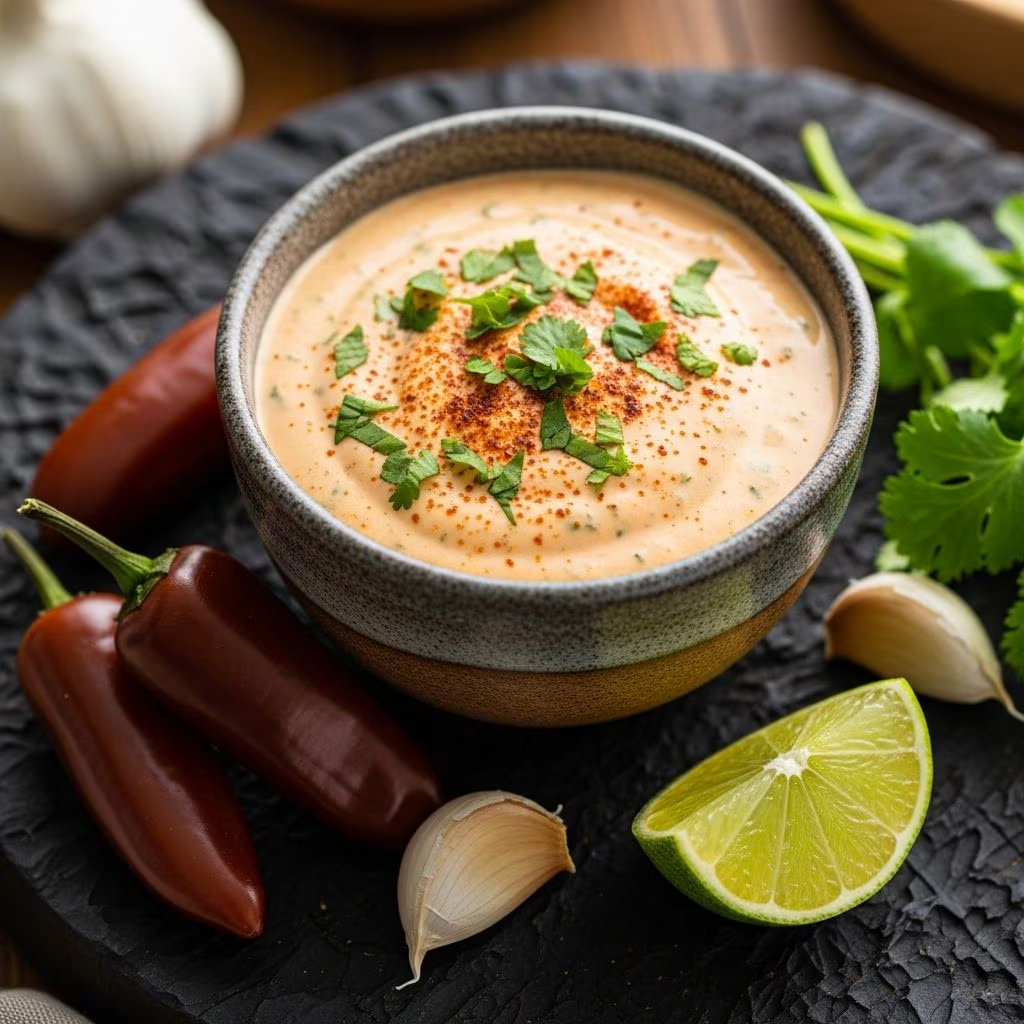
Baja sauce represents a beloved culinary creation that has transcended regional boundaries to become a staple in kitchens across North America. This creamy, tangy condiment draws inspiration from the Baja California region of Mexico and has gained significant recognition through commercial adoption by major fast-food chains. The sauce’s popularity stems from its perfect balance of richness and brightness, making it an ideal accompaniment for various dishes ranging from seafood preparations to vegetable-based meals.
Understanding the Essence of Baja Sauce
Baja sauce is fundamentally a creamy emulsion that combines dairy-based ingredients with acidic components and aromatic seasonings. Unlike heavy cream sauces or oil-based dressings, this condiment achieves its distinctive character through the interaction of mayonnaise, sour cream, and fresh citrus juice. The result is a sauce that provides both richness and brightness, coating foods while enhancing their natural flavors rather than overwhelming them.
The sauce’s versatility lies in its ability to adapt to different flavor profiles. While maintaining its creamy foundation, Baja sauce can be customized to accommodate various spice levels and ingredient preferences. This adaptability has contributed to its widespread adoption across different culinary traditions and dietary preferences.
Core Ingredients and Their Functions
Creating an authentic Baja sauce requires understanding how each ingredient contributes to the final product. The primary components work synergistically to develop texture, flavor, and functionality:
- Mayonnaise: Serves as the structural foundation, providing emulsification and creamy body. Light varieties reduce caloric content without sacrificing texture.
- Sour Cream: Adds tanginess and smoothness while reducing the heaviness of mayo alone. Can be substituted with Greek yogurt for a lighter alternative.
- Fresh Lime Juice: Delivers brightness and prevents the sauce from becoming monotonously rich. Creates the signature tang that defines Baja sauce.
- Jalapeño Peppers: Introduces heat and fresh flavor. Seeds control spice intensity, allowing personalization based on preference.
- Red Bell Pepper: Contributes sweetness and a subtle vegetal note that balances the acidic and spicy elements.
- Garlic and Onion: Provide aromatic depth and savory undertones. Using garlic powder and onion powder offers convenience while maintaining flavor impact.
- Spice Blends: Cumin, chili powder, oregano, and mustard powder create complexity and warmth that distinguishes Baja sauce from simple mayo-based dressings.
Step-by-Step Preparation Method
Creating Baja sauce involves straightforward preparation that requires minimal equipment and technique:
Preparation Phase
Begin by gathering and preparing all components. If using fresh vegetables, roughly chop jalapeños, red bell peppers, onions, and garlic cloves. This initial preparation sets the foundation for even blending and consistent texture throughout the finished sauce.
Combining Ingredients
Transfer the chopped vegetables into a blender or food processor bowl. Add the mayonnaise, sour cream, and lime juice. Include all dry seasonings—garlic powder, onion powder, cumin, chili powder, oregano, and mustard powder—along with salt and pepper according to taste preferences. Some recipes incorporate additional flavor elements like hot sauce, sriracha, or adobo sauce to enhance complexity.
Processing Technique
Pulse the blender or food processor for approximately 30 to 60 seconds. The goal is achieving a smooth, homogeneous consistency without over-processing. Some people prefer a slightly chunky texture with visible pepper pieces, while others favor complete smoothness. Stop processing once your desired consistency is reached, as excessive blending can break down the emulsion and create a grainy appearance.
Taste Refinement
After initial processing, transfer a small amount to a spoon for tasting. This crucial step allows you to adjust seasoning before final storage. Add additional salt, lime juice, or spices as needed to match your flavor preferences.
Flavor Variation Techniques
Baja sauce’s foundation remains consistent, but numerous variations allow creative expression and accommodation of different dietary requirements:
| Variation Type | Ingredients to Adjust | Flavor Profile |
|---|---|---|
| Spicy Enhancement | Add sriracha, cayenne pepper, or extra jalapeño seeds | Hot and complex with lingering heat |
| Herb-Forward | Include fresh cilantro, increase lime juice | Bright and garden-fresh |
| Smoky Depth | Add adobo sauce or smoked paprika | Warm and sophisticated |
| Light Version | Replace mayo with Greek yogurt, use light sour cream | Tangy with reduced richness |
| Vegan Adaptation | Use vegan mayo, cashew cream, or aquafaba mayo | Creamy while maintaining ethical preferences |
Storage and Shelf Life Considerations
Proper storage extends the usability of homemade Baja sauce significantly. Once prepared, transfer the sauce into clean glass jars or food-grade containers with tight-sealing lids. Refrigerate immediately and keep at temperatures below 40°F. Under these conditions, Baja sauce maintains optimal quality for approximately five to seven days, though the flavor profile may gradually shift as ingredients intermingle.
The acidic component (lime juice) acts as a natural preservative, slowing bacterial growth. However, do not leave prepared sauce at room temperature for extended periods. If you prepare larger batches intending to use portions over time, consider freezing individual portions in ice cube trays for convenient thawing.
Ideal Culinary Applications
Baja sauce’s versatility extends across numerous dishes and cuisines. Its primary application centers on seafood preparations, particularly fish and shrimp tacos, where its creamy richness balances the lightness of the protein. The sauce also complements chicken tacos, grilled vegetables, burritos, and even salads as a sophisticated dressing.
Beyond traditional Mexican fare, Baja sauce works exceptionally well as a dipping sauce for fried appetizers, a topping for grilled proteins, and an accompaniment to vegetable crudités. Its adaptable nature makes it suitable for casual weeknight dinners or elegant entertaining situations.
Nutritional Considerations and Modifications
Traditional Baja sauce contains substantial amounts of mayonnaise and sour cream, contributing to its caloric content. For health-conscious applications, several substitutions maintain flavor while reducing nutritional impact:
- Replace half the mayonnaise with Greek yogurt to reduce fat while increasing protein content
- Use light or reduced-fat mayonnaise without significant flavor compromise
- Incorporate additional fresh vegetables like garlic and onion instead of powdered versions to increase volume without adding calories
- Reduce sour cream quantities by substituting a portion with non-fat Greek yogurt
- Adjust salt levels carefully when using reduced-sodium versions of base ingredients
These modifications allow enjoyment of Baja sauce while accommodating various dietary goals and restrictions. The sauce remains compatible with ketogenic, low-carbohydrate, and gluten-free dietary approaches.
Equipment and Tools for Optimal Results
While Baja sauce preparation remains relatively straightforward, specific equipment produces superior results. A food processor or blender provides consistent texture and efficient blending of all components. Stand blenders offer excellent control for achieving precise consistency, while immersion blenders work adequately for smaller batches in individual bowls.
Beyond blending equipment, keep clean glass jars or airtight containers available for storage. Measuring spoons and cups ensure accurate proportioning, particularly important when first preparing the recipe or scaling batches upward or downward.
Frequently Asked Questions
Can I prepare Baja sauce without a blender?
Yes, you can finely mince all vegetables and whisk ingredients together in a bowl. While texture will be less uniform, the sauce remains flavorful and usable. An immersion blender provides an alternative if whole blenders are unavailable.
How do I control the spice level?
Adjust heat by removing jalapeño seeds before processing for milder sauce, or adding sriracha and cayenne for increased spiciness. Start with minimal additions and gradually increase until reaching desired intensity.
Is store-bought mayo acceptable?
Absolutely. Quality store-bought mayonnaise works perfectly for Baja sauce preparation. Choose brands that appeal to your taste preferences, as mayo quality directly impacts the final sauce.
Can I make this sauce ahead for events?
Yes, Baja sauce actually improves when made 24 hours in advance, allowing flavors to meld. Prepare the day before your event and refrigerate until serving time.
What are viable dairy-free alternatives?
Vegan mayonnaise combined with cashew cream or aquafaba-based mayo creates excellent non-dairy versions. The resulting sauce maintains creamy texture and flavor profile while accommodating plant-based diets.
Troubleshooting Common Issues
Understanding potential problems and their solutions ensures consistent success. If your sauce appears grainy or separated, you likely over-processed the ingredients or blended at excessive speed. Remedy this by adding a small amount of sour cream and gently whisking by hand. If the sauce tastes too tangy, add more mayonnaise or reduce lime juice quantity. Conversely, increase lime juice if the sauce seems too rich or heavy.
Should your sauce be too thin, incorporate additional mayo incrementally until achieving desired consistency. If too thick, slowly add lime juice or a small amount of water while blending. These adjustments allow correction without starting over.
Conclusion: Embracing Homemade Baja Sauce
Creating Baja sauce at home elevates everyday meals while providing complete ingredient control and flavor customization unavailable in commercial versions. The combination of simple techniques, accessible ingredients, and infinite variation possibilities makes this sauce an essential addition to any home cook’s repertoire. Whether preparing casual family meals or impressing dinner guests, homemade Baja sauce delivers restaurant-quality results with minimal effort and investment.
References
- Contentedness Cooking — Contentedness Cooking. 2026. https://www.contentednesscooking.com/baja-sauce/
- Baja Sauce or White Sauce Recipe — Personal Chef Ana, The Woodlands TX. 2026. https://personalchefana.com/recipes/baja-sauce/
- Easy Baja Cream Sauce — The Kitchen Whisperer. 2025-05-20. https://www.thekitchenwhisperer.net/2025/05/20/easy-baja-cream-sauce/
- Creamy Baja Sauce Recipe (Taco Bell Copycat) — JZ Eats. 2026. https://jz-eats.com/baja-sauce/
- Easy Baja Sauce Recipe (Taco Bell Copycat) — Garlic Salt & Lime. 2026. https://garlicsaltandlime.com/baja-sauce/
- Baja Sauce (Delicious Creamy Sauce for Fish Tacos) — Foodess. 2026. https://foodess.com/baja-sauce-delicious-creamy-sauce-for-fish-tacos/
- BEST Baja Fish Taco Recipe — Carlsbad Cravings. 2026. https://carlsbadcravings.com/baja-fish-tacos-recipe/