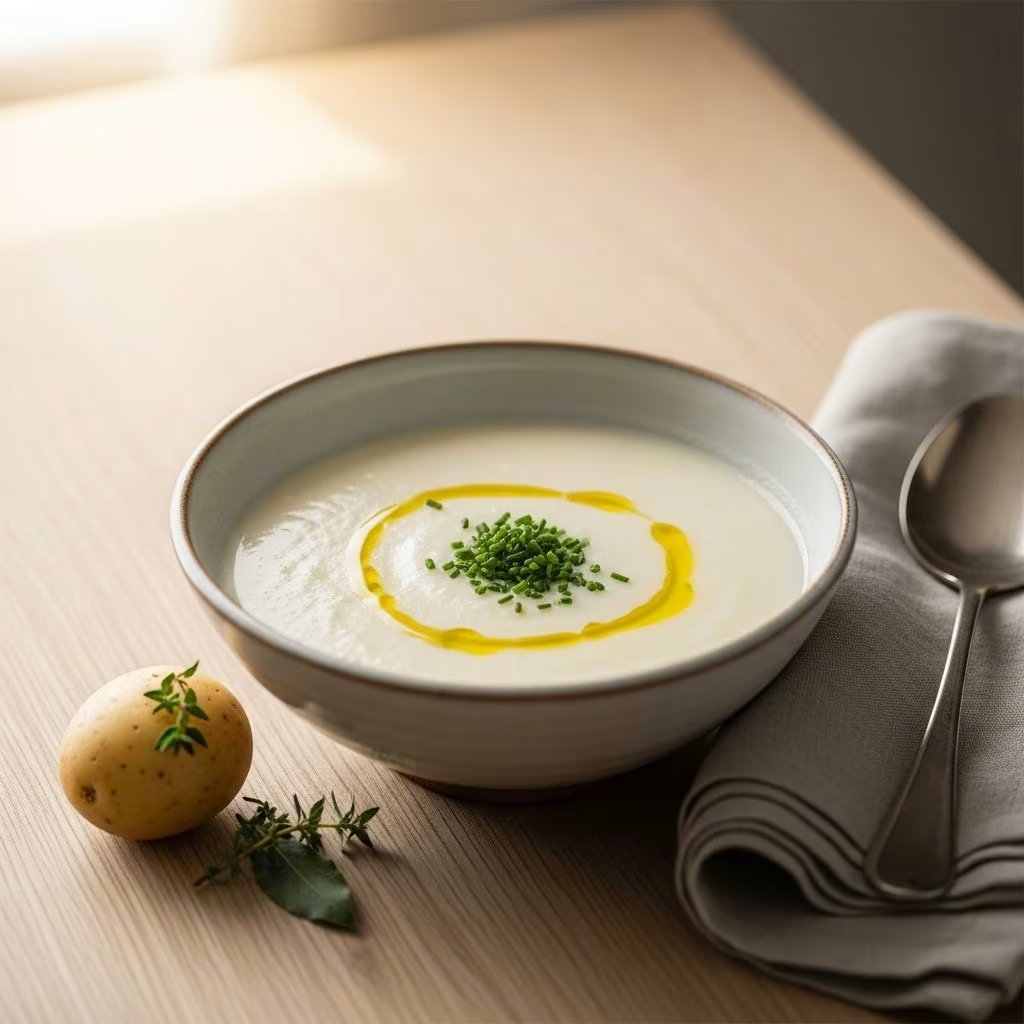
When cooking feels overwhelming, sometimes the best approach is to strip away everything unnecessary. A properly executed three-ingredient potato soup demonstrates that culinary satisfaction doesn’t require a lengthy shopping list or complex techniques. This approach to soup-making celebrates the natural flavors and textures of whole foods while respecting the time constraints of modern home cooks.
Why This Simplified Approach Works
The philosophy behind minimal-ingredient cooking isn’t about limitation—it’s about intentionality. Each component you include must earn its place in the dish by contributing meaningfully to flavor, texture, or nutrition. When you remove the noise of excessive ingredients, the quality of what remains becomes paramount. This means selecting premium potatoes, flavorful broth, and a strategic third ingredient that transforms the basic elements into something genuinely craveable.
Home cooks often discover that fewer ingredients actually provide more creative freedom. Rather than being constrained by a rigid recipe with fifteen components, you can focus on technique, timing, and the interplay between core flavors. The result is a soup that feels both intentional and approachable.
Understanding Your Three Core Components
Foundation: Potatoes
The potato serves as your foundation—the element that provides body, substance, and natural starch that contributes to creaminess. Yukon Gold potatoes are particularly well-suited to this application because they contain higher starch content than waxy potatoes, breaking down more readily during cooking to create a naturally thickened broth. Their buttery flavor profile also complements the simple preparation method. Select potatoes that are firm and free from soft spots, as these will cook more evenly and maintain better texture during the cooking process.
Preparation matters significantly. Cutting potatoes into uniform one-inch cubes ensures even cooking—pieces that are too large may remain hard at the center while the edges disintegrate, while chunks that are too small can become mushy and break apart entirely. Consistency in your prep work directly correlates to consistency in your final result.
Liquid Base: Broth
Broth represents your liquid medium and primary source of savory flavor. The choice between chicken broth, vegetable broth, or bone broth affects the final character of your soup. Chicken broth offers a mild, neutral canvas that pairs well with numerous garnishing options. Vegetable broth provides a lighter profile suitable for vegetarian preparations. Bone broth contributes deeper, more complex flavors due to its extended cooking process and higher collagen content, which also enhances natural body and mouthfeel.
The quantity of broth matters for achieving your desired consistency. Starting with three to four cups allows flexibility—you can always add more broth if your soup becomes too thick after pureeing, but removing excess liquid requires more work. Quality matters here: opt for low-sodium varieties if possible, as this gives you control over final seasoning levels rather than fighting against excessive salt from commercial broths.
Flavor Amplifier: The Third Ingredient
This is where variations emerge among different three-ingredient approaches. The third component should deliver concentrated flavor and contribute to the soup’s final texture. Common choices include cheese products like Boursin (a packaged herb and garlic cheese that adds both richness and aromatics), alfredo sauce (which combines cream, butter, and cheese for an ultra-creamy result), or gravy mix (which thickens while adding savory depth). Each transforms the base potato-and-broth combination into something distinctly different.
Step-by-Step Preparation Method
Initial Setup
Begin by washing your potatoes under cool running water to remove any surface dirt. Using a vegetable peeler, remove the skin in thin strips—you’re not trying to remove a thick layer, just the outer layer where most dirt accumulates. Once peeled, chop your potatoes into one-inch cubes and place them in a large pot. Pour your broth over the potatoes, ensuring they’re completely submerged. This typically requires three to four cups of broth, depending on your potato quantity and desired final consistency.
Cooking Phase
Place your pot over medium-high heat and bring the contents to a rolling boil. You’ll notice the broth becoming slightly cloudy as starches release from the potatoes—this is exactly what you want, as these starches will contribute to your soup’s natural creaminess. Once boiling, reduce heat to maintain a gentle simmer and cook for approximately ten to fifteen minutes, or until a fork easily pierces the potato pieces all the way through with no resistance. The potatoes should be completely soft but not yet falling apart.
Incorporation of the Third Ingredient
Turn off the heat before adding your chosen third ingredient. If using cheese like Boursin, crumble it into the hot soup and stir gently for several minutes to allow it to melt and distribute evenly. If using alfredo sauce, stir it in thoroughly, ensuring no lumps remain. The residual heat from the soup is sufficient to incorporate these ingredients without scorching them.
Texture Development
Using an immersion blender, puree the soup to your preferred consistency. Some cooks prefer completely smooth soup with no trace of potato chunks, while others prefer leaving some texture for a rustic presentation. A useful approach is partial pureeing—blend until mostly smooth but with occasional small potato pieces remaining for visual interest and varied mouthfeel. This technique provides the best of both approaches without requiring separate steps.
Final Seasoning
Taste your completed soup and adjust seasoning as needed. Salt and freshly ground black pepper are the most likely additions, though some preparations might benefit from other seasonings depending on your broth choice and third ingredient. Add seasonings gradually, tasting after each addition to avoid oversalting.
Timing and Efficiency Considerations
| Step | Duration | Notes |
|---|---|---|
| Preparation (washing, peeling, chopping) | 5 minutes | Can be done while water comes to temperature |
| Initial heating to boil | 3-5 minutes | Depends on pot size and stove power |
| Simmering potatoes | 10-15 minutes | Test with fork for doneness |
| Adding third ingredient and blending | 3-5 minutes | Keep heat off during this phase |
| Total active cooking time | 20-25 minutes | Much of this is passive simmering |
Variations on the Three-Ingredient Theme
The Cheese-Forward Approach
Using Boursin cheese or a similar herb-and-garlic cheese product creates a soup with pronounced savory, herbaceous notes. This version benefits from minimal additional seasoning, as the cheese already contains salt and aromatic compounds. The soup has a velvety texture and pairs well with crispy bread or potato-based side dishes.
The Sauce-Based Method
Incorporating alfredo sauce results in a richer soup with cream notes and additional butter content. This approach is particularly forgiving because the alfredo sauce contains balanced seasonings already. The soup emerges from this method slightly thicker, which some cooks prefer for a more substantial dish.
The Gravy-Mix Option
Using country-style gravy mix creates a soup with deeper savory notes and natural thickening power. This version typically requires slightly less pureeing because the gravy mix adds body to the broth. The result tastes traditional and satisfying, reminiscent of older potato soup preparations.
Garnishing and Serving Strategies
While your core soup contains only three ingredients, the finishing stage welcomes creative embellishment. Traditional garnishes include chopped fresh chives, crispy bacon bits, shredded cheese, crumbled herb croutons, or a dollop of sour cream. These additions introduce textural contrast and fresh flavor elements that elevate the minimalist base into something more complex on the plate.
Serve your soup immediately after preparing it, while the heat and creaminess are at their peak. Ladle into warmed bowls to help maintain temperature longer. The soup reheats well, though you may need to add additional broth when warming, as the mixture tends to thicken slightly as it cools and sits.
Scaling and Storage Considerations
This recipe scales easily—double or triple the quantities to create larger batches without adjusting cooking times significantly. The beauty of the three-ingredient approach is that doubling ingredients doesn’t complicate your process; you simply use a larger pot and perhaps add two to three minutes to the simmering time.
Refrigerate cooled soup in airtight containers for up to three days. The soup thickens as it cools due to starch setting; this is normal and doesn’t indicate a problem. When reheating, warm gently over medium heat, stirring occasionally and adding additional broth if the consistency becomes too thick. Most cooks find this soup freezes reasonably well for up to two months, though the texture may become slightly grainier upon thawing—blending again after thawing helps restore smoothness.
Frequently Asked Questions
Can I use russet potatoes instead of Yukon Gold?
Yes, though results will differ slightly. Russet potatoes contain even higher starch content, resulting in a thicker soup that may require more broth to achieve your preferred consistency. They’re equally valid; adjust your broth quantity accordingly.
What if I don’t have an immersion blender?
You can transfer cooled soup to a regular blender in batches, blending until smooth before returning to the pot. This takes more time but produces identical results. Be cautious when blending hot liquids, as steam builds pressure inside the blender; always allow soup to cool slightly first.
How can I make this vegetarian?
Substitute vegetable broth for chicken broth and choose a vegetarian third ingredient like Boursin cheese (which is vegetarian), alfredo sauce, or vegetarian gravy mix.
Is this soup suitable for meal prep?
Absolutely. Prepare soup in large batches and portion into containers. The soup maintains quality in the refrigerator for up to three days and freezes successfully for longer storage.
Understanding the Science Behind Simplicity
The reason three-ingredient potato soup works lies in starch gelatinization and protein denaturation. As potatoes cook, their cell walls break down, releasing starches into the cooking liquid. These starches absorb moisture and swell, naturally thickening the broth without requiring additional thickeners like flour or cornstarch. The protein in your broth (whether from chicken, vegetable, or bone sources) denatures from heat and contributes body and mouthfeel. When you blend this combination, you’re creating an emulsion—tiny potato particles suspended throughout the liquid create a creamy texture that mimics the sensation of cream without necessarily containing added dairy.
Your third ingredient amplifies these natural processes. Cheese adds fat (which carries flavor and contributes richness), additional salt (which enhances all other flavors), and proteins that further develop body and mouthfeel. Alfredo sauce accomplishes similar goals through combinations of butter, cream, and cheese. Gravy mix thickens through additional starches and adds savory compound flavors developed through the manufacturing process.
Concluding Thoughts on Minimal-Ingredient Cooking
The three-ingredient potato soup represents more than just a convenient weeknight dinner—it embodies a philosophy that quality over quantity creates better cooking experiences. By eliminating unnecessary ingredients, you focus on technique, ingredient quality, and the fundamental flavors that make soup satisfying. This approach applies beyond soup to countless other dishes, teaching home cooks that restriction sometimes sparks creativity rather than limiting it. Whether you choose the cheese-forward route, the sauce-based method, or the gravy-mix approach, you’re participating in a cooking tradition that values simplicity, efficiency, and genuine flavor.
References
- Yukon Gold Potatoes: Starch Content and Cooking Properties — Potato Goodness, University of Idaho Extension. 2024. https://www.potatogoodness.com/nutrition-recipes/cooking-guide/
- Starch Gelatinization in Cooking — The Kitchn. 2023. https://www.thekitchn.com/cooking-basics-starch-gelatinization-175906
- Food Safety and Proper Storage of Soups — U.S. Department of Agriculture (USDA) FoodSafety.gov. 2024. https://www.foodsafety.gov/keep-food-safe/storage
- Emulsions in Cooking: Science and Application — Serious Eats. 2022. https://www.seriouseats.com/how-to-make-perfect-emulsified-sauces
- Salt in Cooking: Flavor Enhancement and Food Chemistry — America’s Test Kitchen. 2023. https://www.americastestkitchen.com/articles/how-salt-works