Duck à l’orange stands as one of the most refined and recognizable dishes in French culinary tradition. This elegant preparation showcases the natural richness of duck meat combined with the brightness of citrus, creating a sophisticated balance of flavors that has captivated diners for generations. The dish represents both the technical skill and creative vision that define classic French cooking, making it an ideal choice for special occasions or when you want to impress at the dinner table.
Understanding the Roots of This Iconic Dish
The origins of duck à l’orange trace back to French gastronomic history, where chefs discovered that the assertive flavors of duck could be beautifully complemented by citrus elements. The dish gained significant prominence in modern cuisine during the twentieth century, becoming a staple of French restaurant menus and home cooking alike. This preparation method demonstrates how traditional cooking techniques can transform simple ingredients into something extraordinary through careful technique and thoughtful flavor pairing.
The relationship between duck and orange works on multiple levels: the acidity of the orange cuts through the richness of duck fat, the citrus brightness provides visual appeal through garnishes, and the complex sauce builds depth through careful reduction and layering of flavors. Understanding this flavor interplay helps you appreciate why this particular combination has endured for so long in culinary tradition.
Selecting and Preparing Your Bird
The success of duck à l’orange begins with selecting the right bird. Quality matters significantly when working with duck, as you want meat that will remain succulent while developing crispy, rendered skin. Farmed ducks, particularly breeds like Pekin or Long Island ducks, offer reliable quality and consistent fat content. These birds typically weigh between four and six pounds, providing enough meat for four to six servings while remaining manageable for home cooks.
Before roasting, proper preparation ensures superior results. Begin by piercing the skin all over with a sharp needle or knife tip, being careful not to penetrate the meat itself. This crucial step allows fat to render and escape during cooking, resulting in that coveted crispy exterior that contrasts beautifully with tender meat. Some cooks prefer a quick blanching in boiling water before roasting, which helps tighten the skin and promote even cooking.
Salt the duck generously both inside and outside, allowing the seasoning to penetrate the meat. Some recipes suggest placing citrus elements inside the cavity—either orange halves or a combination of aromatics like shallots and orange zest. This internal flavoring infuses the meat during cooking and contributes subtle complexity to the finished dish.
The Roasting Process and Temperature Control
Successful duck cookery requires understanding how temperature affects the final result. Most recipes employ a two-stage roasting method that allows you to render fat completely while developing color and crispness.
- Initial roasting phase: Begin at a moderate temperature (around 325-350°F), which allows fat to render slowly and evenly without burning the exterior. This stage typically lasts 60-90 minutes, depending on duck size.
- Finishing phase: Increase heat to 425°F and roast for 15-20 additional minutes, creating that final crispness and golden-brown color that makes the dish visually appealing.
- Internal temperature target: Aim for 170°F measured at the thickest part of the thigh, ensuring the meat is fully cooked while remaining moist.
Positioning the duck properly during cooking influences the outcome. Propping the bird on celery leaves, a vegetable rack, or even crumpled foil allows air circulation underneath, promoting even browning of the skin and preventing the bird from sitting in its own rendered fat.
Crafting the Distinctive Orange Sauce
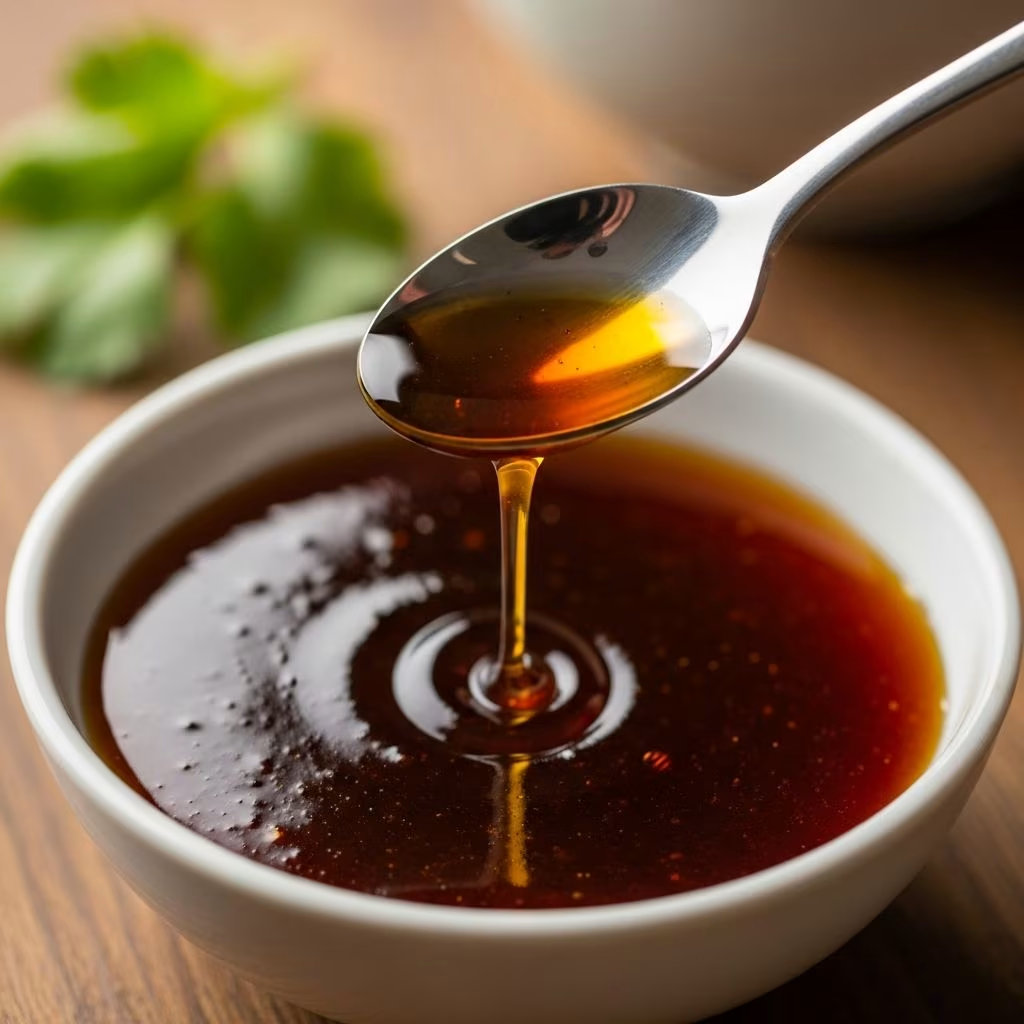
The sauce represents the soul of this dish, requiring careful attention to balance and technique. The foundation typically begins with creating a caramelized sugar base, which provides depth and complexity beyond simple citrus juice.
The sauce-building process involves several steps:
- Combine sugar with a small amount of vinegar or lemon juice in a heavy-bottomed saucepan
- Heat over moderate flame until the mixture caramelizes to a deep amber color
- Gradually add quality stock (duck, veal, or chicken) while stirring constantly to prevent the caramel from hardening
- Incorporate fresh orange juice, allowing the mixture to reduce to concentrate flavors
- Season with optional liqueur such as Grand Marnier or Cointreau for additional complexity
- Strain through a fine sieve to remove any solids and create a silky texture
The key to sauce perfection lies in the reduction process. As the liquid simmers, it concentrates, intensifying flavors while developing a glossy consistency that coats the duck meat beautifully. The sauce should taste bright and assertive from citrus, rich from the stock base, and slightly sweet with subtle caramel notes.
Essential Ingredients for Authentic Results
| Ingredient | Purpose | Quality Considerations |
|---|---|---|
| Duck | Main protein | Choose farmed, whole birds weighing 4-6 pounds for best results |
| Fresh Oranges | Sauce base and garnish | Use juicy varieties; aim for 2 cups fresh juice minimum |
| Stock | Sauce body | Quality homemade stock yields superior results to store-bought |
| Sugar | Caramel base | Standard granulated sugar works perfectly for this purpose |
| Vinegar or Lemon Juice | Acid component | Helps prevent crystallization and adds tartness to sauce |
| Optional Liqueur | Flavor complexity | Grand Marnier or triple sec adds elegance to finished sauce |
Techniques for Orange Presentation
The visual presentation of oranges distinguishes truly impressive duck à l’orange. Cooks typically employ several preparation methods depending on intended use:
- Zest: Remove fine strips of orange peel using a microplane or zester, incorporating into the sauce for aromatic intensity without bitter pith
- Segments: Carefully section oranges, removing the white pith to create pristine citrus pieces for elegant garnish
- Slices: Cut thin rounds for decorative presentation, sometimes caramelized briefly in the pan with rendered duck fat
- Juice: Extract maximum juice for sauce components, pressing to extract every drop of flavorful liquid
Finishing and Plating the Dish
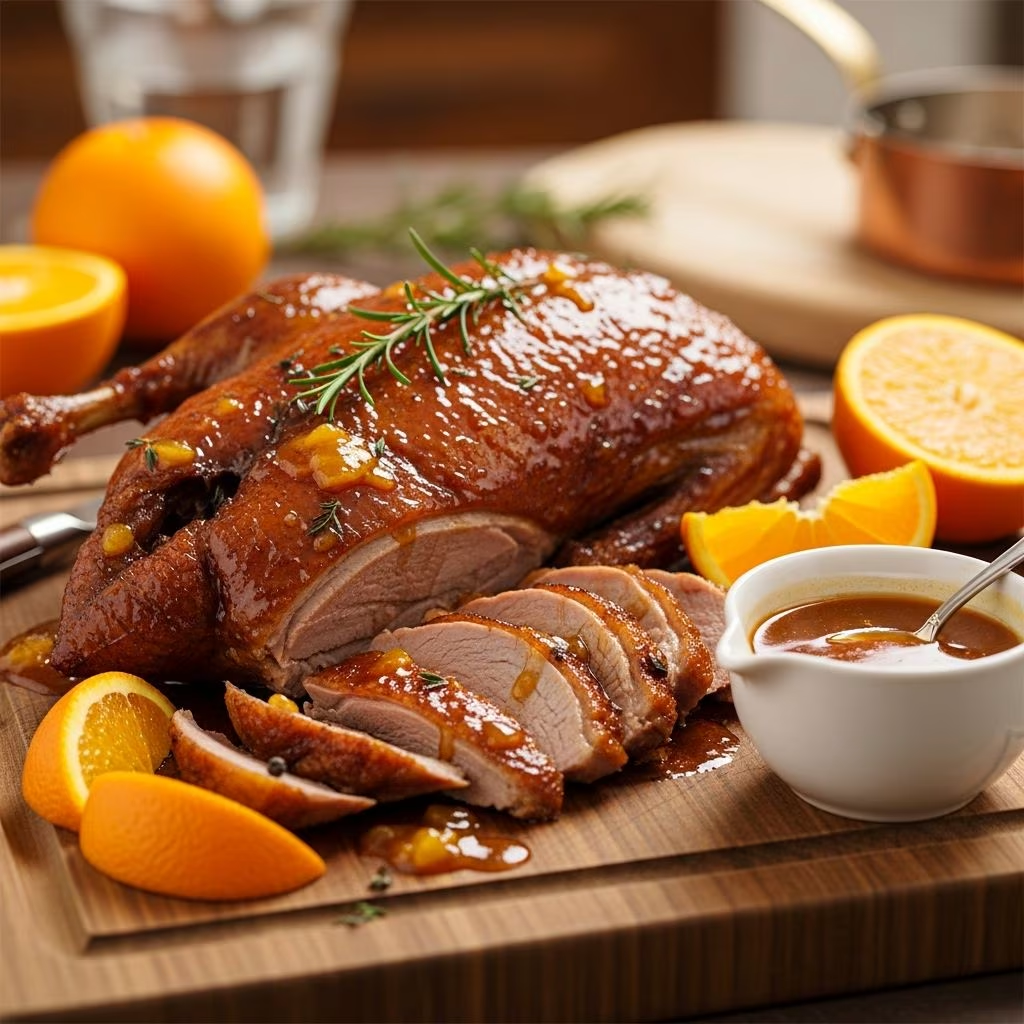
Once the duck emerges from the oven, allow it to rest on a cutting board for ten to fifteen minutes. This resting period permits internal juices to redistribute throughout the meat, resulting in a juicier final product. Use a sharp knife to carve the duck into legs, breasts, and wings, or slice the breast meat into attractive pieces.
Plate the duck with care, positioning pieces to show off the contrast between crispy skin and tender meat. Spoon the warm sauce generously over and around the duck. Arrange orange garnishes—whether segments, slices, or zest—to add color and visual sophistication. Consider simple vegetable accompaniments like roasted potatoes, sautéed spinach, or steamed green beans to round out the plate and provide textural variety.
Variations and Modern Interpretations
Contemporary cooks have developed several approaches to duck à l’orange, adapting the classic formula for different preferences and ingredients:
Simplified Duck Breast Version: Using boneless duck breasts instead of whole birds significantly reduces cooking time. Sear skin-side down in a hot pan to render fat and create crispness, then finish in the oven. This method suits modern home cooks seeking elegant results within 30-40 minutes.
Marinated Approach: Some recipes incorporate extended marinating in orange juice and spice mixtures, which intensifies flavor and tenderizes the meat before roasting. This technique works particularly well with game birds or tougher specimens.
Confit Variation: Preparing duck legs using the confit method—slow cooking in fat—offers a different textural experience while the breast receives quick searing. This approach showcases multiple cooking techniques within a single dish.
Spiced Preparations: Adding warming spices like star anise, cinnamon, or caraway seeds creates aromatic complexity beyond traditional formulas. These additions work particularly well when toasted before incorporating into marinades or sauces.
Troubleshooting Common Issues
Understanding how to address common challenges ensures success:
- Dry meat: This typically results from overcooking. Maintain careful temperature monitoring and use a meat thermometer to avoid exceeding 170°F
- Greasy exterior: Insufficient skin piercing or inadequate high-temperature finishing prevents proper rendering. Ensure you pierce the skin thoroughly
- Bitter sauce: Over-reduction or burnt sugar causes bitterness. Monitor caramelization carefully and add stock gradually to prevent burning
- Thin sauce: Insufficient reduction means the sauce lacks body and concentrating power. Continue simmering until achieving desired consistency
- Uneven cooking: Improper positioning or temperature fluctuations create undercooked areas. Use consistent oven temperature and position duck for even heat exposure
Frequently Asked Questions
Can I prepare duck à l’orange ahead of time?
Yes, you can prepare components in advance. Make the sauce completely one day ahead and refrigerate. Roast the duck closer to serving time to ensure crispy skin, though you can prepare it up to four hours in advance and reheat gently. The combination of fresh and prepared elements works well for entertaining.
What wine pairs well with this dish?
The rich duck and bright orange sauce pair beautifully with medium-bodied red wines like Pinot Noir or Côtes du Rhône. Alternatively, white wines with good acidity and some body, such as Alsatian Riesling or Burgundy Chardonnay, complement the citrus elements wonderfully.
How many people does one duck serve?
A four to six-pound duck typically serves four to six people comfortably as a main course with accompanying sides. Half a duck per person represents a generous portion size.
Can I use frozen duck?
Frozen duck works perfectly if thawed completely before cooking. Allow 24-48 hours in the refrigerator for safe thawing. Ensure the bird is completely thawed before proceeding with skin piercing and roasting.
What’s the difference between duck à l’orange and duck bigarade?
Duck bigarade represents an older French preparation using bitter orange or Seville oranges. Modern duck à l’orange typically uses sweeter orange varieties, creating a more balanced, less astringent sauce. The techniques are similar, though bigarade may include additional bitter components.
Conclusion: Creating a Restaurant-Quality Experience at Home
Duck à l’orange represents an achievable luxury dish for home cooks willing to invest time and attention to technique. The interplay between rendered duck fat, crispy skin, tender meat, and bright citrus sauce creates a dining experience worthy of special occasions. By understanding the cooking principles, selecting quality ingredients, and executing each step with care, you can create a dish that rivals restaurant preparations while enjoying the satisfaction of home cooking. This classic French preparation transcends being merely a recipe—it becomes an expression of culinary skill and appreciation for flavor harmony.
References
- Julia Child’s Duck a l’Orange Recipe — Serious Eats/Honest Food. Accessed April 2026. https://honest-food.net/duck-lorange-recipe/
- Duck à l’Orange: Orange Duck Made Easy — The Eating Emporium. Accessed April 2026. https://theeatingemporium.com/duck-a-lorange/
- Easy Duck A L’Orange Recipe — Luv-a-Duck Australia. Accessed April 2026. https://www.luvaduck.com.au/recipe/easy-duck-a-lorange/
- Duck à l’Orange — Andrew Zimmern. Accessed April 2026. https://andrewzimmern.com/recipes/duck-a-lorange/
- Easy Duck a L’Orange Recipe — D’Artagnan Foods. Accessed April 2026. https://www.dartagnan.com/easy-duck-a-lorange-recipe.html
- Classic Duck a l’Orange — Tastes & Treks. Accessed April 2026. https://www.tastesandtreks.com/blog-3/duck-a-la-orange-5z26j