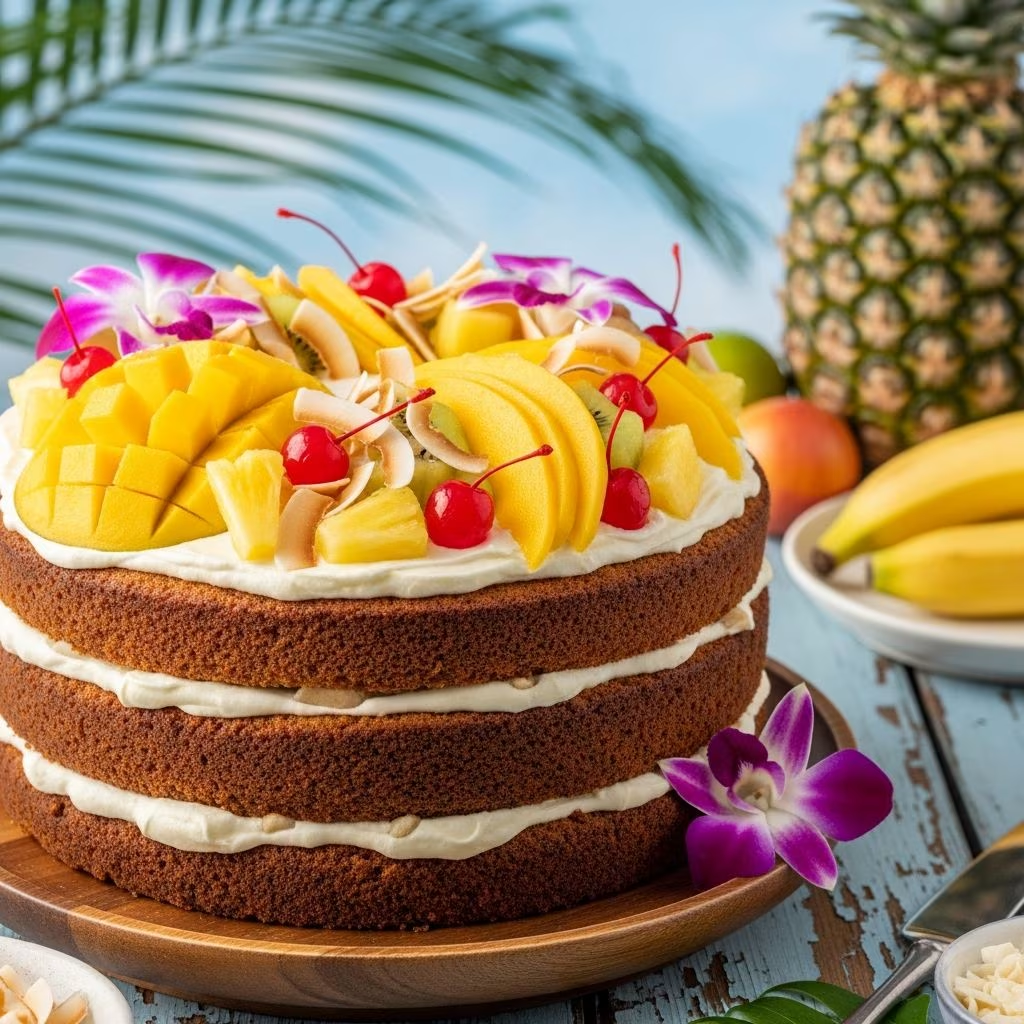
The Dr. Bird Cake represents a delightful intersection of tropical flavors and classic baking traditions. This moist, flavorful dessert combines the natural sweetness of bananas and pineapple with warm cinnamon spicing, creating a cake that transcends typical occasion boundaries. Whether you’re preparing breakfast entertainment or a formal dessert course, this versatile creation adapts seamlessly to your culinary needs. The cake’s popularity stems from its ability to deliver impressive results without requiring advanced pastry skills or specialized equipment.
The Heritage and Evolution of This Beloved Cake
The origins of Dr. Bird Cake trace back to tropical regions where these ingredients flourish naturally. This dessert emerged from culinary traditions that emphasized maximizing local produce while creating memorable eating experiences. The cake gained particular prominence through community cookbooks and family recipe collections dating back several decades. Often appearing alongside other regional favorites, Dr. Bird Cake became synonymous with gatherings, celebrations, and everyday indulgences. The name itself carries cultural significance, with some sources attributing it to Caribbean influences where similar fruit-based cakes hold special meaning.
The relationship between Dr. Bird Cake and Hummingbird Cake deserves clarification. While sometimes used interchangeably, these names describe the same fundamental recipe that celebrates tropical ingredients. The dual naming reflects the cake’s journey through different cultural contexts and regional preferences, yet the core composition remains consistent: a tender crumb structure anchored by mashed bananas and crushed pineapple.
Essential Ingredients That Define the Cake’s Character
Building an exceptional Dr. Bird Cake requires understanding how each ingredient contributes to the final product. The ingredient list appears straightforward, yet each component plays a specific role in achieving the desired texture, flavor profile, and moisture level.
The Dry Ingredient Foundation
The dry ingredients create the structural backbone of your cake. You’ll need three cups of all-purpose flour as your base, providing gluten development that supports the moist additions. Two cups of granulated sugar not only sweetens the cake but also promotes moisture retention through its hygroscopic properties. One teaspoon each of baking soda, ground cinnamon, and salt complete the foundation. The baking soda activates when meeting acidic components like the buttermilk or pineapple juice, creating the lift necessary for an airy crumb. Cinnamon introduces warmth without overwhelming the tropical fruit flavors, while salt heightens all the sweet and spice notes present in the cake.
The Wet Ingredients and Their Functions
The wet ingredient combination distinguishes this cake from standard vanilla or chocolate varieties. You’ll require one and one-quarter cups of vegetable or canola oil, which creates a moist, tender crumb that typically outlasts butter-based cakes in freshness. Three large eggs serve multiple functions: binding ingredients together, providing structure, and contributing richness to the final product. Two teaspoons of vanilla extract adds depth and complexity to the flavor profile.
The tropical fruits represent the signature elements. Approximately two cups of mashed very ripe bananas provide natural sweetness, moisture, and subtle fruity notes. One cup of canned crushed pineapple, including its juice, introduces acidity and additional moisture while delivering concentrated pineapple flavor. Optional additions include half to one cup of finely chopped pecans or walnuts, which add textural contrast and toasty depth.
Achieving Baking Perfection: Step-by-Step Technique
Successfully executing this recipe requires attention to procedure details that might seem minor but significantly impact results.
Preparation and Initial Steps
Begin by positioning your oven rack in the center position and preheating to 350°F (or 325°F for convection ovens). This temperature range ensures even baking without excessive browning. Simultaneously, prepare your baking vessels—whether three nine-inch round pans, a thirteen-by-nine-inch rectangular pan, or a tube pan—by greasing and flouring thoroughly. This preparation prevents sticking and ensures clean cake removal.
Combining Dry and Wet Components
In a large mixing bowl, combine your flour, sugar, baking soda, cinnamon, and salt, stirring thoroughly to distribute the leavening agents and spices evenly. In a separate bowl or using a stand mixer, combine your oil, eggs, and vanilla, mixing until incorporated. Gently fold or stir the bananas and pineapple into the wet mixture—avoid aggressive mixing that might overwork the gluten and create a tough texture.
The combining of wet and dry ingredients requires a gentle touch. Add the wet mixture to the dry ingredients, folding together until just combined. Overmixing develops excessive gluten, resulting in a dense, rubbery cake rather than the tender crumb you’re pursuing. Small flour streaks remaining in the batter are preferable to an overmixed mass.
Baking and Temperature Monitoring
Pour the batter evenly into your prepared pans. For three-layer cakes, expect baking time of approximately thirty to thirty-four minutes. For a single rectangular pan, extend baking to forty-five to fifty minutes, while a tube pan may require up to one hour and twenty minutes. Test for doneness using the toothpick method—insert a toothpick into the center, and it should emerge with just a few moist crumbs, not batter.
Remove cakes from the oven and allow them to cool in their pans for ten to fifteen minutes before turning out onto wire racks. Complete cooling is essential before frosting, as warm cakes may cause frosting to slide off or melt into the crumb.
Frosting Options: From Classic to Creative
The frosting choice significantly influences the final eating experience and presentation aesthetic.
Traditional Cream Cheese Frosting
The classic approach pairs the tropical fruit cake with tangy cream cheese frosting. Beat two cups of softened cream cheese with one cup of softened butter until smooth and combined. Gradually add approximately eight cups of sifted powdered sugar, beating continuously for about four minutes until light and fluffy. Add two teaspoons of vanilla extract to finish. This frosting provides the ideal balance of sweetness and tang, complementing the cake’s fruit-forward flavors.
Citrus-Infused Cream Cheese Variation
For enhanced sophistication, incorporate citrus elements into your frosting base. Prepare the cream cheese and butter as described, then add powdered sugar gradually. Instead of using only vanilla, add one-quarter cup of fresh orange or lemon juice to the frosting, adjusting powdered sugar quantity to achieve the desired consistency. This variation creates an unexpectedly harmonious flavor combination with the pineapple and banana base.
Simple Poured Glaze Alternative
For a less formal presentation suitable for breakfast or casual gathering contexts, consider a simpler poured glaze. Combine one-half cup melted butter, two and one-half cups powdered sugar, and five tablespoons of milk, whisking until smooth. Pour this glaze over the warm cake, allowing it to settle into the warm crumb. This approach creates an almost coffee-cake appearance while reducing preparation complexity.
Creative Variations and Flavor Expansions
While the traditional formula creates an excellent cake, thoughtful modifications can personalize the recipe to your preferences or dietary considerations.
Tropical Enhancement Options
Adding one cup of canned mandarin oranges (drained) alongside the pineapple creates what some regional traditions call Bird of Paradise Cake—this modification introduces citrus complexity that brightens the overall flavor profile. For those who appreciate coconut, incorporating one cup of shredded coconut into the batter and pressing additional coconut against the frosted exterior creates a coconut-forward version.
Fruit and Nut Customizations
Ruby-throated variations involve adding half to one cup of coarsely chopped maraschino cherries or fresh strawberries to the batter, creating visual interest and introducing berry notes. Nut preferences can be customized based on availability and taste—walnuts offer earthier profiles than pecans, while macadamia nuts introduce buttery Hawaiian influences.
Modified Base Cake Approach
The Preacher Cake variation omits bananas entirely while increasing pineapple to two and one-half cups and baking soda to two teaspoons. This creates a more intensely pineapple-forward cake suitable for those who prefer different texture or flavor emphasis.
Practical Storage and Longevity Guidance
Proper storage extends your cake’s enjoyment period and maintains optimal quality. Store unfrosted cooled cakes wrapped in plastic wrap at room temperature for up to two days. Once frosted, keep the completed cake in an airtight container at room temperature for up to three days. For extended storage, wrap individual cake layers or slices in plastic wrap and then aluminum foil, freezing for up to two months. Thaw frozen cake layers at room temperature for approximately two hours before serving or frosting.
Serving Suggestions Across Different Contexts
The Dr. Bird Cake’s versatility extends to serving occasions and presentations. Serve generous rectangular slices directly from the baking pan for casual breakfast entertaining, accompanied by coffee or tea. For more formal occasions, layer cake presentations on individual plates garnished with additional nuts or fresh fruit. The cake pairs exceptionally well with light beverages like iced tea, coffee, or fresh-squeezed citrus juices.
Frequently Asked Questions
- Can I prepare this cake without eggs for vegan purposes?
- Yes, replacing three eggs with three-quarters cup of aquafaba (chickpea liquid) or commercial egg substitute produces satisfactory results, though the crumb texture may be slightly less tender.
- What oil alternative works best if I don’t have vegetable oil?
- Canola oil, peanut oil, or light coconut oil serve as suitable one-to-one substitutes. Avoid strong-flavored oils like extra-virgin olive oil or sesame oil.
- How do I prevent my cake from becoming dry?
- Ensure ripe bananas and avoid overbaking. The pineapple juice contributes significant moisture, so don’t drain it completely before mixing.
- Can I make this in a bundt pan instead of round pans?
- Absolutely. A twelve-cup bundt pan works perfectly; expect baking time of approximately one hour and ten to twenty minutes. Cool for fifteen minutes before turning out onto a rack.
- Is this cake suitable for advance preparation?
- Yes, unfrosted cake layers freeze beautifully for up to two months. Frost after thawing for optimal texture and appearance.
Conclusion: Mastering This Tropical Classic
The Dr. Bird Cake represents accessible sophistication in home baking, combining straightforward techniques with impressive flavor development. Understanding the role each ingredient plays and respecting the procedural steps yields consistent, delicious results suitable for any occasion. Whether you follow the traditional formula or explore creative variations, this tropical-inspired dessert delivers satisfaction to bakers and diners alike.
References
- Dr. Bird Cake — Cookies and Cups. Accessed April 2026. https://cookiesandcups.com/dr-bird-cake/
- Hummingbird Cake Recipe and History — Tori Avey, Food Historian. Accessed April 2026. https://toriavey.com/hummingbird-cake-history-recipe/
- What’s the Word? It’s Dr. Bird (Cake) — South by Southeast. April 2012. https://southbyse.com/2012/04/12/whats-the-word-its-dr-bird-cake/
- Dr. Bird Cake (aka Hummingbird Cake) — Bat Week, Diane Moffat of Mimi’s Kitchen. Accessed April 2026. https://batweek.org/dr-bird-cake-aka-hummingbird-cake/