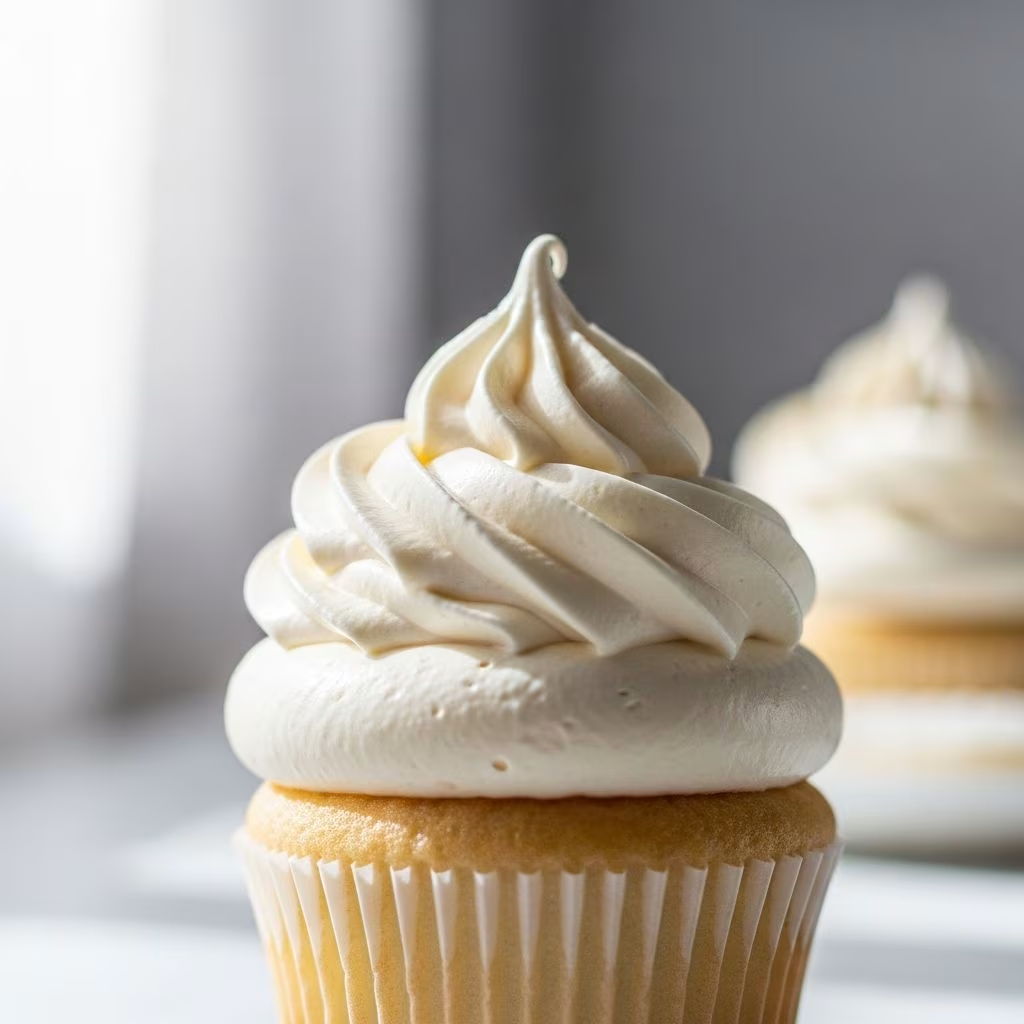
Boiled frosting, often called seven-minute frosting or Italian meringue, stands out as a timeless choice for bakers seeking a topping that’s both ethereal and enduring. This frosting achieves its signature lightness through a clever combination of cooked sugar syrup and whipped egg whites, resulting in a glossy, stable spread that holds peaks without weeping. Unlike buttercreams, it offers a fat-free profile with a subtle sweetness reminiscent of marshmallows, making it ideal for summer cakes or delicate sponge layers.
Understanding the Magic Behind Boiled Frosting
The appeal of boiled frosting lies in its unique preparation method, which cooks sugar into a hot syrup before merging it with beaten egg whites. This process, rooted in classic patisserie techniques, pasteurizes the eggs for safety while creating volume through aeration. The result is a frosting that pipes beautifully, spreads smoothly, and maintains structure under warm conditions—perfect for outdoor events or layered desserts.
Historically, this style of icing gained popularity in American home baking during the early 20th century, praised for its simplicity despite requiring precise timing. Its snow-white hue complements chocolate, fruit, or vanilla cakes, adding visual drama without overpowering flavors.
Essential Ingredients for Success
Core components include granulated sugar for sweetness and structure, water to form the syrup, egg whites for lift, cream of tartar as a stabilizer, salt for balance, and vanilla for aroma. Variations might incorporate corn syrup for extra gloss or adjust sugar ratios for yield.
- Granulated sugar: Provides the syrup base; fine or caster sugar dissolves faster.
- Egg whites: Room-temperature whites whip to greater volume; use fresh for best results.
- Cream of tartar: Acidifies whites, preventing over-beating and collapse.
- Water: Controls syrup thickness; precise measurement is key.
- Flavorings: Vanilla extract enhances taste; alternatives like almond suit themed bakes.
These elements interact via heat and mechanical action: the syrup reaches soft-ball stage (around 240°F), then tempers the whites, cooking them gently while incorporating air.
Classic Boiled Frosting Recipe
This foundational recipe yields about 4-6 cups, enough for a two-layer 9-inch cake. Prep time: 10 minutes; total time: 20 minutes.
Ingredients
| Ingredient | Quantity |
|---|---|
| Granulated sugar | 1 ½ cups |
| Water | ⅔ cup |
| Egg whites (large) | 3 |
| Cream of tartar | ⅛ tsp |
| Salt | Pinch |
| Vanilla extract | 1 tsp |
Step-by-Step Directions
- Combine sugar, water, and cream of tartar in a saucepan. Heat over medium without stirring once boiling to avoid crystallization. Cook to 245°F using a candy thermometer.
- Meanwhile, beat egg whites and salt to stiff peaks in a stand mixer with whisk attachment.
- Slowly stream hot syrup into whites on low speed, then increase to high for 7 minutes until thick, glossy, and cooled.
- Mix in vanilla. Use immediately for best texture.
Pro tip: Brush pan sides with a wet pastry brush during boiling to dissolve sugar crystals.
Variations to Suit Every Occasion
Adapt the base recipe for diversity. For chocolate lovers, fold in 4 oz melted unsweetened chocolate post-whipping. Lemon zest and juice create a citrus burst, ideal for pound cake. Coconut extract with toasted shreds adds tropical flair.
- Marshmallow-style: Add ¼ cup light corn syrup to syrup for chewiness.
- Larger batch: Double ingredients for sheet cakes; scale egg whites carefully.
- Double boiler method: Whisk whites with sugar over simmering water for 5-7 minutes, bypassing syrup for simplicity.
These tweaks maintain the frosting’s stability while introducing new profiles, ensuring it pairs with everything from red velvet to angel food.
Mastering the Technique: Tools and Timing
Success hinges on equipment: a reliable candy thermometer prevents under- or over-cooking syrup; a stand mixer excels at sustained whipping. Hand mixers work but tire quickly—consider a double boiler alternative for beginners.
Key timing: Syrup must hit exact temperature (238-248°F) for proper consistency. Undercooked syrup yields runny frosting; overcooked results in graininess. Beat precisely 7 minutes to cool and set without deflating. Clean tools prevent oil contamination, which collapses foam.
Troubleshooting Common Issues
Bakers often face challenges, but most are fixable:
| Problem | Cause | Solution |
|---|---|---|
| Runny texture | Undercooked syrup or overbeating | Remix with ¼ tsp meringue powder; chill briefly |
| Weeping liquid | High humidity or underwhipped | Store airtight; remake in dry conditions |
| Grainy feel | Crystallized sugar | Avoid stirring; use corn syrup next time |
| No volume | Cold eggs or fat traces | Start with room-temp whites; grease-free bowl |
Humidity affects stability—refrigerate frosted items in warm climates.
Perfect Pairings and Storage Advice
This frosting shines on light cakes like chiffon or white velvet, contrasting denser options like devil’s food. Pipe rosettes on cupcakes or fill macarons for elegance. It complements fruit tarts, enhancing berries’ tartness.
Store frosted cakes covered at room temp for 2 days; refrigerate up to 5, though condensation may dull shine. Unfrosted batches keep in airtight containers for 24 hours. Freeze piped designs on parchment, then transfer.
Nutrition and Dietary Notes
Per 2 tbsp serving (base recipe): ~100 calories, 25g carbs, 1g protein, negligible fat. Fat-free appeal suits lighter diets, but note raw egg risks—proper cooking mitigates salmonella. For vegans, aquafaba substitutes egg whites effectively.
Frequently Asked Questions
Can I make boiled frosting without a thermometer?
Yes, test soft-ball stage: drop syrup in ice water; it forms a pliable ball. But thermometer ensures precision.
How long does it take to make?
About 20 minutes total, with 7 minutes whipping defining its name.
Is it safe with raw eggs?
The hot syrup cooks whites to 160°F+; verify with thermometer for safety.
Why does my frosting deflate?
Overmixing separates proteins; stop once glossy and cooled.
Can I color it?
Gel colors work best post-whipping; liquids thin texture.
Does it crust over?
Slightly, forming a soft shell while staying fluffy inside.
Advanced Tips from Seasoned Bakers
For ultra-stable results, age egg whites overnight in fridge. Incorporate gelatin for humidity resistance. Experiment with brown sugar for caramel notes. Always frost cooled cakes to prevent melting.
This versatile frosting transforms ordinary bakes into showstoppers, blending nostalgia with reliability. Practice refines the skill, rewarding with professional finishes at home.
References
- Easy and Delicious Fluffy Boiled Icing Recipe Video — Everyday Dishes. 2023-05-15. https://everydaydishes.com/simple-food-recipes/fluffy-boiled-icing-video/
- Italian Meringue Boiled Icing (7 Minute Frosting) — Baked Bree. 2022-11-10. https://bakedbree.com/fluffy-boiled-icing
- Old Fashioned Boiled Icing — Sweet and Savoury. 2024-02-20. https://www.sweetandsavoury.ca/post/old-fashioned-boiled-icing
- Old Fashioned Fluffy Frosting — Home in the Finger Lakes. 2023-08-05. https://homeinthefingerlakes.com/old-fashioned-fluffy-frosting/
- 7 Minute Frosting — YouTube (The Stay at Home Chef). 2023-12-01. https://www.youtube.com/watch?v=zJIh02lDahw
- Seven Minute Frosting — My Country Table. 2024-01-15. https://mycountrytable.com/seven-minute-frosting/