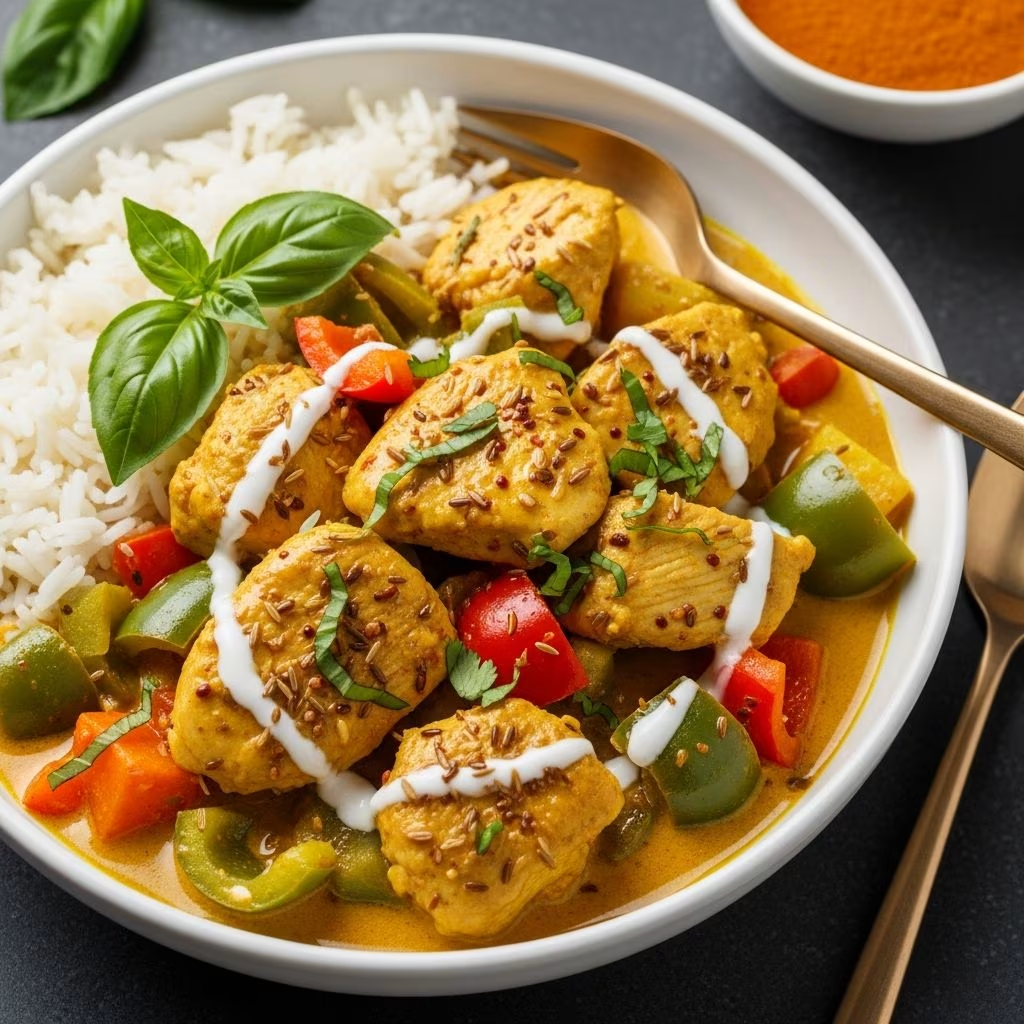
Curried coconut chicken represents one of the most versatile and approachable dishes in Asian-inspired cuisine. This one-pan wonder combines tender chicken breast with aromatic spices and creamy coconut milk to create a dish that feels indulgent yet comes together in approximately thirty minutes. Whether you’re a seasoned home cook or exploring curry dishes for the first time, understanding the fundamentals of this recipe unlocks countless variations and flavor possibilities.
Understanding the Core Components of This Dish
The beauty of curried coconut chicken lies in its simple foundation built upon four primary elements: protein, vegetables, spices, and the signature coconut-based sauce. Each component plays a crucial role in developing the complex flavor profile that makes this dish so satisfying.
The protein foundation typically features chicken breast cut into bite-sized pieces, which allows for even cooking and makes the dish more convenient to consume. The vegetables usually include aromatics like onions and garlic, along with complementary ingredients such as bell peppers or cauliflower. The spice blend forms the aromatic backbone, while coconut milk provides both richness and subtle sweetness that balances the savory elements.
Essential Ingredients for Building Authentic Flavors
Creating curried coconut chicken begins with gathering quality ingredients that will contribute meaningfully to the final dish. The ingredient list remains intentionally modest, focusing on items that deliver maximum flavor impact without unnecessary complexity.
- Chicken breast: Approximately 1.3 to 1.5 pounds, cut into consistent bite-sized pieces to ensure uniform cooking throughout the pan
- Coconut milk: One standard can (approximately 13.5 ounces or 400 milliliters) provides the creamy base and subtle sweetness
- Curry powder: Yellow curry powder serves as the primary spice, though some recipes incorporate red curry paste for additional depth
- Onions: One large onion, diced, provides aromatic foundation and natural sweetness as it caramelizes
- Bell peppers: One or two peppers in any color contribute sweetness, texture, and visual appeal
- Garlic and ginger: Fresh minced garlic (3-4 cloves) and ginger (1 teaspoon grated) add pungent, warming notes
- Cooking oil: Two to three tablespoons total, split between cooking stages
- Supplementary spices: Garam masala, ground coriander, paprika, and turmeric enhance complexity and warming qualities
- Finishing elements: Fresh lime juice, fish sauce (optional), and fresh cilantro provide brightness and final flavor adjustments
Fundamental Cooking Technique and Execution
The methodology behind curried coconut chicken follows a logical progression that builds flavor systematically. Understanding the reasoning behind each step enables you to adapt and troubleshoot as needed.
Establishing the Aromatic Base
Begin by heating oil in a large skillet over medium heat and adding diced onions. Allow the onions to cook for approximately 7-10 minutes, stirring occasionally, until they become translucent and develop light browning on the edges. This extended cooking period breaks down the onion’s structure and develops natural sugars, creating a sweet flavor foundation. Following the onion’s transformation, add minced garlic and ginger, stirring constantly for about one minute until the raw aromatics soften and their essential oils release into the oil, perfuming the pan.
Searing the Protein
Push the aromatic vegetables to the pan’s perimeter and increase heat to medium-high. Add an additional tablespoon of oil and place chicken pieces in a single layer across the pan’s surface. Sear the chicken for only 1-2 minutes per side, focusing on browning the exterior rather than cooking through completely. This searing step develops fond—those flavorful browned bits—that will eventually dissolve into the sauce, contributing depth and complexity.
Building the Spiced Sauce
Reduce heat back to medium and add your primary spice blend: curry powder, garam masala, ground coriander, and any additional warming spices like turmeric, cinnamon, or paprika. Stir this spice mixture constantly for approximately 30-60 seconds, allowing the heat to awaken the spices’ flavors while preventing burning. The spices will release their aromatic compounds, signaling they’ve been properly activated.
Add tomato paste (typically 1-3 tablespoons depending on preference) and stir thoroughly to distribute it throughout the mixture. Tomato paste contains glutamates that enhance overall savoriness and contribute body to the final sauce. Follow with your coconut milk, chicken broth or stock (typically ½ to 1 cup), and any additional ingredients like diced tomatoes or vegetables you’re incorporating.
The Simmering Stage
Bring the mixture to a gentle simmer, then reduce heat to maintain a steady but not aggressive bubble. This stage lasts approximately 12-15 minutes, allowing the chicken to cook through completely while the sauce reduces and thickens. The reduction process concentrates flavors and melds the individual elements into a cohesive whole. The chicken is finished cooking when it reaches an internal temperature of 165°F (74°C) and juices run clear when pierced.
Flavor Enhancement and Customization Strategies
While the basic recipe provides a satisfying meal, numerous adjustments accommodate different preferences and ingredient availabilities. Understanding how individual components influence the final flavor allows for intentional customization rather than random experimentation.
| Flavor Adjustment | Technique | Ingredient or Method |
|---|---|---|
| Increased Heat | Spice Level Enhancement | Red chili flakes, fresh red chilies, or red curry paste |
| Additional Sweetness | Balancing Richness | Brown sugar, coconut sugar, or mango chutney |
| Brightness and Acidity | Flavor Balance | Lime juice or lemon juice added at the end |
| Umami Depth | Savory Dimension | Fish sauce or soy sauce (1/2 to 1 teaspoon) |
| Herbal Complexity | Fresh Notes | Fresh cilantro, Thai basil, or mint |
Ingredient Selection and Quality Considerations
The caliber of ingredients directly impacts the final dish’s quality. Coconut milk quality varies significantly among brands; opt for varieties with minimal additives and a higher fat content for richness. Full-fat coconut milk (approximately 13-14% fat) creates a more luxurious sauce than light versions. Fresh ginger and garlic provide superior flavor compared to powdered alternatives, particularly when the recipe depends on aromatic intensity.
Curry powder quality matters substantially, as premixed blends vary in their spice ratios and freshness. Purchasing from sources with higher turnover ensures fresher spice blends with more vibrant flavor profiles. If possible, create custom blends by combining turmeric, coriander, fenugreek, and other components in proportions that align with your taste preferences.
Serving Suggestions and Complementary Accompaniments
Curried coconut chicken traditionally serves alongside steamed basmati rice, which provides neutral texture and absorbs the flavorful sauce. White jasmine rice offers a more aromatic alternative, while brown rice contributes earthiness and nutritional density.
Naan bread presents another excellent pairing, offering textural contrast to the creamy sauce while providing a vehicle for sauce consumption. Other worthy accompaniments include:
- Fresh lime wedges for additional brightness and acid adjustment
- Mango slices or mango chutney for tropical sweetness and complexity
- Roasted cashews for crunch and richness
- Yogurt dollops for cooling creaminess and tangy contrast
- Fresh herbs including cilantro, Thai basil, or mint for aromatic freshness
- Crispy fried shallots for textural contrast and allium depth
Common Challenges and Solutions
Understanding frequent difficulties allows for proactive prevention. If the sauce separates during cooking, this typically indicates the coconut milk’s natural fat separation—a normal occurrence that doesn’t impact flavor or texture. Gentle stirring reincorporates the components. If the sauce appears too thin after the simmering period, increase heat slightly to accelerate reduction, or mix cornstarch with water to create a slurry that thickens without affecting flavor.
Overcooked chicken results from prolonged cooking or high heat. Since chicken breast continues cooking even after flame removal, removing it slightly before complete doneness prevents dryness. If the spices taste raw or harsh, they haven’t bloomed adequately in fat; ensure sufficient oil coats the spice mixture before adding liquids.
Storage and Make-Ahead Preparation
Curried coconut chicken stores effectively in the refrigerator for 3-4 days in an airtight container, with flavors actually intensifying as ingredients meld overnight. Reheat gently over medium heat or in the microwave, adding a splash of water or broth if the sauce has thickened excessively. The dish freezes well for up to two months; cool completely before freezing in individual portions for convenient future meals.
Nutritional Perspective and Dietary Considerations
This dish provides substantial protein from chicken breast while offering beneficial compounds from spices and aromatics. Coconut milk contributes medium-chain triglycerides, a fat form some research suggests may provide metabolic benefits. The recipe easily accommodates dietary restrictions: substitute coconut aminos for fish sauce in soy-free preparations, use vegetable broth instead of chicken stock for vegetarian versions, or replace chicken with tofu or chickpeas for plant-based variations.
Frequently Asked Questions
Can I use coconut cream instead of coconut milk?
Coconut cream, which represents the thicker top layer of canned coconut milk, will produce an even richer, more luxurious sauce. Use it as a one-to-one replacement, though you may need to thin the sauce slightly with broth since coconut cream contains higher fat content than standard coconut milk.
What’s the difference between curry powder and curry paste?
Curry powder represents ground dried spices mixed into a powder form, while curry paste combines these spices with oil and sometimes fresh ingredients. Pastes generally deliver more intense flavor and work best when bloomed in oil before liquid addition. You can substitute paste for powder using a 1:1 ratio, though you may need to adjust quantities based on paste intensity.
How can I make this dish less spicy?
Reduce or eliminate chili flakes and red curry paste, use mild curry powder instead of hot varieties, and increase coconut milk to dilute spice concentration. Adding yogurt or sour cream after cooking also provides cooling effects.
Can I prepare this dish in a slow cooker?
Yes, though the cooking method differs. Sauté aromatics and sear chicken using stovetop method, then transfer to a slow cooker with remaining ingredients. Cook on low for 4-5 hours or high for 2-3 hours. This method develops flavors through extended cooking but sacrifices some textural contrast.
References
- Coconut Curry Chicken Recipe — Downshiftology. Accessed April 2026. https://downshiftology.com/recipes/coconut-curry-chicken/
- Coconut Chicken Curry Recipe — The Pioneer Woman. Accessed April 2026. https://www.thepioneerwoman.com/food-cooking/recipes/a44039542/coconut-chicken-curry-recipe/
- Quick Coconut Chicken Curry Recipe — Simple Home Edit. Accessed April 2026. https://simplehomeedit.com/recipe/quick-coconut-chicken-curry/
- Coconut Chicken Curry (Easy 30-Min Recipe) — Wholesome Yum. Accessed April 2026. https://www.wholesomeyum.com/chicken-curry/
- Coconut Curry Chicken {30 Minutes!} — Chelsea’s Messy Apron. Accessed April 2026. https://www.chelseasmessyapron.com/coconut-chicken-curry/