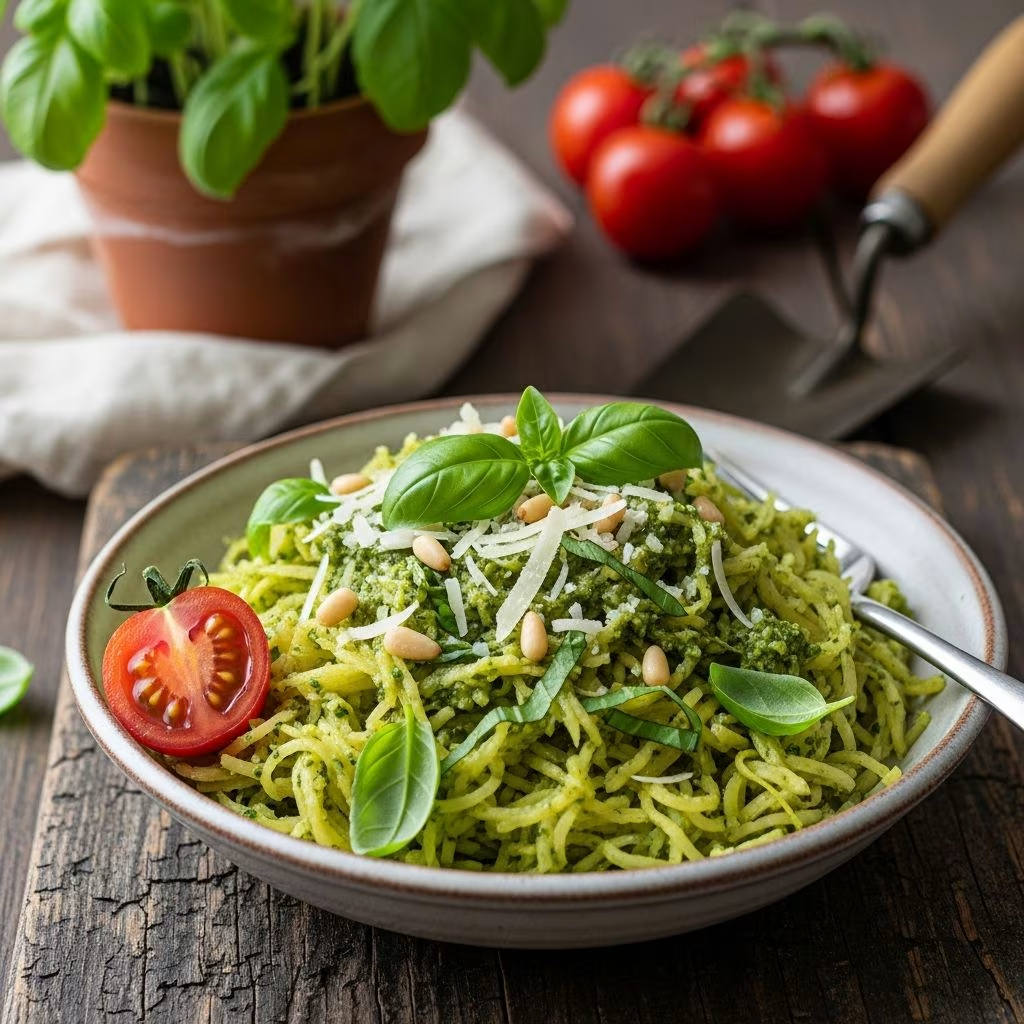
When searching for innovative ways to incorporate more vegetables into your weekly meal planning, few dishes deliver the satisfaction and versatility of pesto-dressed spaghetti squash. This humble autumn vegetable transforms into delicate, pasta-like strands when roasted, making it an excellent foundation for bold herb-based sauces. The combination of naturally sweet squash flesh with aromatic basil pesto creates a harmonious balance that appeals to both health-conscious diners and those simply seeking a delicious, memorable meal.
Unlike traditional pasta dishes that rely on refined grains, this plant-forward preparation celebrates the nutritional benefits of whole vegetables while maintaining that comforting, satisfying quality we crave from dinner plates. Whether you’re exploring grain-free options, managing carbohydrate intake, or simply looking to expand your cooking repertoire, mastering this recipe opens doors to countless variations and flavor combinations.
Understanding Your Main Ingredient: The Spaghetti Squash
Before diving into preparation techniques, it’s worth taking a moment to understand what makes spaghetti squash such a remarkable culinary ingredient. Unlike butternut or acorn squashes that develop soft, creamy flesh when roasted, spaghetti squash creates naturally occurring fibrous strands that remarkably resemble cooked pasta. This unique characteristic stems from the squash’s internal structure, where the flesh is composed of parallel bundles of cellulose that separate when heat is applied.
When selecting a spaghetti squash at the market, look for specimens that feel heavy for their size and display a deep, uniform yellow or cream-colored skin. A squash weighing approximately three to four pounds yields enough strands to serve two to three people comfortably. The skin should be firm and unblemished, with no soft spots or signs of mold. Smaller squashes often produce more tender, delicate strands than their larger counterparts, though cooking time adjustments may be necessary.
Preliminary Preparation and Safe Handling
The initial preparation of spaghetti squash requires patience and proper technique, as the raw vegetable presents a formidable cutting challenge. Before attempting to slice the squash, consider this valuable preparation step: microwave the whole, uncut squash on high power for approximately five minutes. This brief heat exposure softens the outer skin and inner flesh just enough to make cutting significantly easier without partially cooking the vegetable.
After microwaving, allow the squash to cool slightly until it’s comfortable to handle. Using a sharp chef’s knife, carefully cut the squash in half lengthwise, working from the stem end toward the base. The knife should meet minimal resistance once the microwaving step is complete. After halving, use a sturdy spoon to scoop out all seeds and stringy material from the center cavity, similar to preparing a pumpkin for carving. Discard these seeds or reserve them for roasting separately as a nutritious snack.
The Foundation: Roasting Techniques for Optimal Results
Roasting represents the most reliable method for transforming raw spaghetti squash into tender, properly textured strands. Begin by preheating your oven to 400°F, allowing the cooking chamber to reach full temperature before introducing the squash. This ensures even heat distribution and consistent cooking throughout.
Arrange the halved squash pieces cut-side up on a parchment-lined baking sheet, creating a single layer with adequate spacing between halves. Lightly brush the interior surface of each squash half with extra-virgin olive oil, then season generously with sea salt, freshly ground black pepper, and a hint of garlic powder. These preliminary seasonings infuse the squash with flavor during cooking, enhancing its natural sweetness.
Roast the prepared squash for approximately 30 to 35 minutes, until the flesh becomes tender and easily separates into strands when prodded with a fork. The exact timing depends on individual oven characteristics and the size of your squash. The squash is properly cooked when the strands release easily from the skin with minimal pressure and display a tender-crisp texture rather than mushy consistency.
Crafting Traditional Basil Pesto From Fresh Ingredients
While store-bought pesto offers undeniable convenience, preparing fresh pesto at home requires only minutes and elevates the entire dish dramatically. True basil pesto begins with premium ingredients: fresh basil leaves, garlic, Parmigiano-Reggiano cheese, pine nuts (or alternative nuts), and excellent extra-virgin olive oil.
Essential Pesto Components:
- Fresh basil leaves (lightly packed): 3 cups
- Garlic cloves, peeled: 2 cloves
- Parmigiano-Reggiano cheese, finely grated: 1/3 cup
- Pine nuts: 1/4 cup
- Fresh lemon juice: 1 tablespoon
- Extra-virgin olive oil: 1/2 cup
- Sea salt: 1/4 teaspoon
- Freshly ground black pepper: 1/8 teaspoon
Combine the peeled garlic cloves and pine nuts in a food processor, pulsing until roughly chopped. Add the fresh basil leaves in batches, pulsing between additions to prevent oxidation and maintain the vibrant green color. Once the basil is incorporated, add the grated Parmigiano-Reggiano and pulse briefly to combine. Finally, add the lemon juice and begin streaming in the olive oil while continuing to pulse. Process until reaching your preferred consistency—some prefer a chunky texture while others favor a smoother paste. Season with salt and pepper, tasting and adjusting as needed.
Assembly and Integration Techniques
Once both components—the roasted squash and prepared pesto—reach completion, the final assembly requires thoughtful technique to ensure even distribution and flavor absorption. Remove the roasted squash from the oven and allow it to cool for approximately five minutes until comfortable to handle. Using a sturdy fork, begin scraping the interior flesh, working from the sides toward the center. The squash flesh should separate readily into strand-like pieces that closely resemble cooked spaghetti.
For optimal flavor distribution, transfer the separated squash strands into a large mixing bowl rather than combining them directly in the squash skin. This allows thorough tossing and ensures every strand receives adequate pesto coating. Pour your prepared pesto over the warm squash strands and gently toss using two forks or a pasta fork, working carefully to coat all pieces without breaking the delicate strands. The residual heat from the freshly roasted squash gently warms the pesto, slightly releasing its aromatic compounds and creating more intense flavor perception.
Elevation Through Complementary Additions
While the fundamental pairing of spaghetti squash and pesto stands beautifully on its own, thoughtful additions enhance complexity and satisfy various nutritional goals:
| Addition | Quantity | Flavor Profile | Nutritional Benefit |
|---|---|---|---|
| Cherry tomatoes (halved) | 1 cup | Bright, slightly tart sweetness | Lycopene, vitamin C |
| Fresh spinach leaves | 2 cups | Earthy, mild mineral notes | Iron, folate, antioxidants |
| Roasted cauliflower florets | 2 cups | Nutty, slightly sweet | Fiber, vitamin K |
| Shredded mozzarella cheese | 1/2 cup | Creamy, mild dairy richness | Calcium, protein |
| Toasted pine nuts | 1/4 cup | Buttery, subtle crunch | Healthy fats, magnesium |
| Crumbled ricotta cheese | 1/3 cup | Creamy, slightly tangy | Protein, calcium |
Each addition should be incorporated with intention, considering how flavors interact and ensuring no single component overwhelms the delicate pesto-squash foundation. When adding vegetables like fresh spinach or tender greens, introduce them while the squash remains warm so the residual heat creates gentle wilting without requiring additional cooking.
Creative Variations and Flavor Explorations
Once you master the basic preparation, numerous variations invite experimentation and personalization. Consider developing a creamy pesto version by blending your traditional pesto with softened cream cheese and a splash of milk, creating a sauce with luxurious mouthfeel and slightly milder herb intensity. This approach pairs exceptionally well with the addition of fresh spinach and roasted red peppers.
For those seeking lighter preparations, a lemon-forward variation substitutes half the pesto with fresh lemon juice, grated zest, and thinly sliced fresh herbs, creating a brighter, more acidic profile that highlights the squash’s natural sweetness. Alternatively, develop a walnut-kale iteration by replacing traditional basil with fresh kale and walnuts in your pesto formulation, yielding deeper earthiness and increased nutritional density.
Storage, Make-Ahead Planning, and Reheating Strategies
Pesto spaghetti squash presents excellent make-ahead potential, though certain components require mindful handling. Prepared roasted squash keeps refrigerated for up to five days when stored in an airtight container. Similarly, fresh pesto maintains quality for approximately three days when kept in the refrigerator, or up to three months when frozen in ice cube trays for portioned usage.
For optimal freshness, consider keeping these components separate until serving time. When you’re ready to prepare the meal, simply reheat the roasted squash gently in a low oven or microwave until warmed through, then combine with room-temperature pesto for the best flavor expression. If combining in advance, store the finished dish in an airtight container and consume within two days.
Nutritional Perspective and Dietary Considerations
This preparation method creates a nutrient-dense meal offering substantial benefits across multiple dietary approaches. Spaghetti squash contains approximately 31 calories and just seven grams of carbohydrates per cooked cup, making it suitable for ketogenic, low-carbohydrate, and calorie-conscious meal plans. The fresh pesto contributes heart-healthy monounsaturated fats from olive oil and pine nuts, while fresh basil provides beneficial plant compounds with antioxidant and anti-inflammatory properties.
The natural fiber content supports digestive health, while the mineral profile—including manganese, potassium, and magnesium—contributes to various physiological processes. When supplemented with protein-rich additions like cheese or legumes, this dish becomes a complete, satisfying meal suitable for various nutritional objectives.
Troubleshooting Common Preparation Challenges
Issue: Squash strands remain too firm or refuse to separate
Solution: Extend roasting time by five to ten minutes. The squash requires adequate heat exposure for the cellular structure to break down completely. Ensure oven temperature reaches the intended 400°F and verify using an oven thermometer for accuracy.
Issue: Pesto appears too thick or doesn’t coat strands evenly
Solution: Add additional olive oil incrementally while processing, creating a looser consistency. Alternatively, warm the pesto gently in a small saucepan before combining with squash, as heat naturally thins the mixture.
Issue: Finished dish tastes bland or lacks expected herb intensity
Solution: Verify basil freshness—older basil loses aromatic potency. Consider adding freshly grated lemon zest, increasing garlic quantity, or incorporating a small amount of nutritional yeast for umami depth. Taste-test pesto before combining with squash to ensure adequate seasoning.
Seasonal Variations and Year-Round Enjoyment
While spaghetti squash reaches peak availability during autumn months, quality specimens remain available year-round in most markets. Summer variations might incorporate heirloom tomatoes and delicate fresh herbs, while winter preparations benefit from heartier additions like roasted mushrooms or crispy garlic chips. Spring versions shine with the addition of fresh peas and tender spring onions, creating seasonal freshness regardless of time of year.
Conclusion: Embracing Vegetable-Centric Cooking
Mastering pesto spaghetti squash represents more than acquiring a single recipe—it embodies a shift toward vegetable-forward cooking that satisfies taste preferences while supporting health and wellness goals. The technique transfers easily to countless other preparations, teaching valuable skills in roasting technique, flavor development, and creative vegetable utilization. Whether you approach this dish as a grain-free pasta substitute, a low-carbohydrate dinner option, or simply a delicious way to celebrate seasonal produce, the fundamental technique remains accessible, forgiving, and endlessly variable. Your kitchen becomes a laboratory for flavor experimentation, where humble garden vegetables transform into restaurant-quality presentations that nourish both body and palate.
References
- USDA FoodData Central: Squash, Winter, Spaghetti, Raw — U.S. Department of Agriculture. https://fdc.nal.usda.gov/
- Basil: Nutritional Composition and Health Benefits — PubMed Central. https://www.ncbi.nlm.nih.gov/pmc/
- Extra Virgin Olive Oil: Extraction, Composition, and Health Effects — Journal of the American Oil Chemists’ Society. https://link.springer.com/
- Vegetable-Based Pasta Alternatives: Nutritional and Culinary Perspectives — Academy of Nutrition and Dietetics. https://www.eatright.org/
- Dietary Fiber and Metabolic Health Outcomes — National Institutes of Health. https://www.nih.gov/