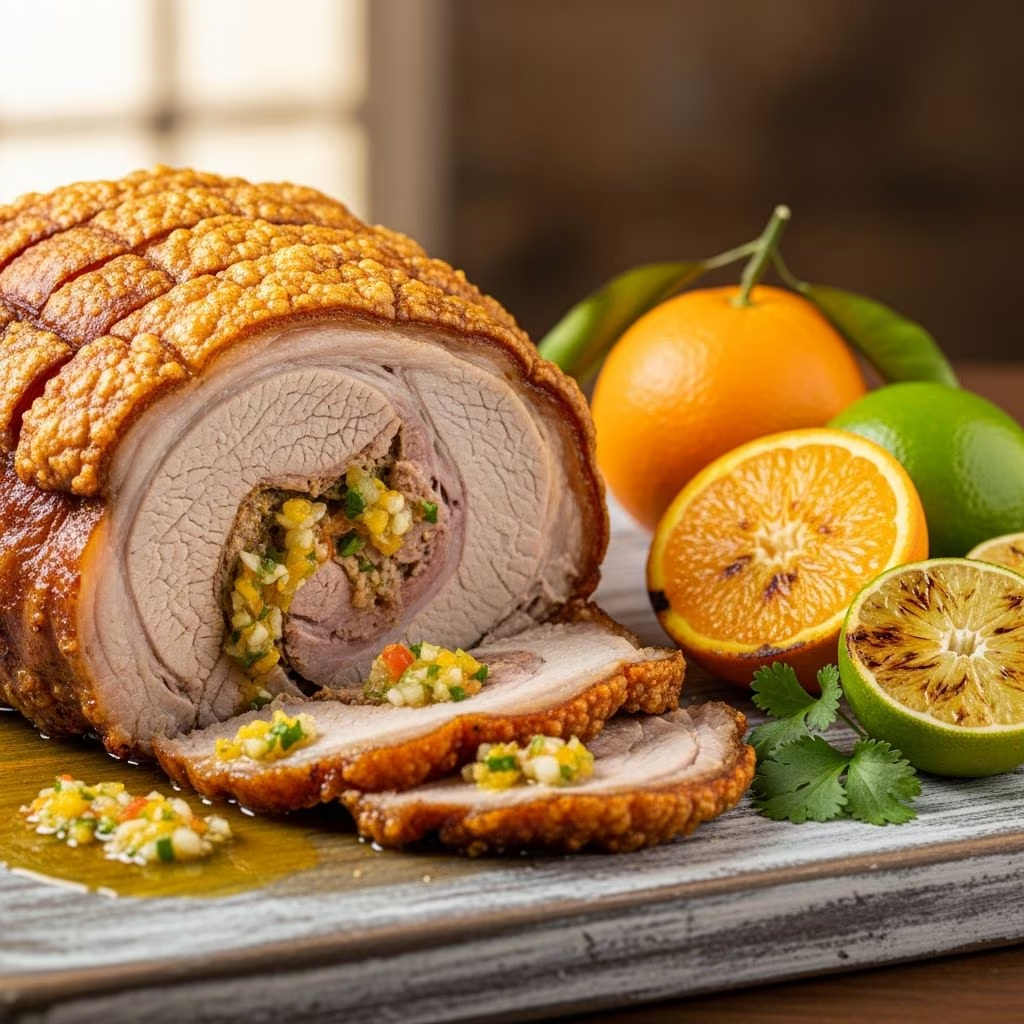
Immerse yourself in the vibrant world of Cuban cuisine with this comprehensive guide to preparing **mojo pork roast**, a dish that captures the essence of island flavors through its zesty citrus marinade and slow-roasted tenderness. Known as lechon asado in traditional settings, this pork shoulder masterpiece features a crackling skin and juicy interior, marinated in a blend of garlic, citrus juices, and aromatic herbs. Whether you’re hosting a family celebration or simply craving bold tastes, this recipe delivers restaurant-quality results at home.
The Heritage of Cuban Roast Pork
Cuban roast pork holds a cherished place in culinary traditions, especially during festive occasions like Nochebuena, where whole pigs are often roasted outdoors in a caja china box for communal feasts. This oven-adapted version maintains authenticity while being accessible for modern kitchens. The hallmark is the **mojo marinade**, a tangy emulsion of sour orange, lime, garlic, and spices that tenderizes the meat overnight.
Historically, lechon asado symbolizes abundance and family unity, with roots in Spanish influences blended with Caribbean ingredients. Families pierce the skin extensively to allow deep penetration of flavors, resulting in meat that pulls apart effortlessly. Today, home cooks replicate this using pork shoulder for its ideal fat content, ensuring succulence even after hours of roasting.
Selecting the Perfect Cut of Pork
Choose a bone-in pork shoulder, weighing 8-10 pounds, for optimal flavor and texture. This cut, also called pork butt, contains ample marbling that renders during cooking, keeping the roast moist. Avoid leaner cuts like loin or tenderloin, as they dry out easily.
- Bone-in vs. boneless: Bone-in imparts deeper flavor through marrow release.
- Fat cap: Retain the skin-on fat layer for crispy chicharrones (cracklings).
- Freshness check: Look for firm, pinkish meat without off odors.
Trim excess loose fat but preserve the outer layer, which crisps beautifully under high heat.
Crafting the Signature Mojo Marinade
The mojo marinade is the soul of Cuban pork roast, balancing acidity from citrus with savory garlic and earthy herbs. Fresh ingredients ensure vibrancy; bottled juices work in a pinch but lack intensity.
| Ingredient | Quantity | Purpose |
|---|---|---|
| Orange juice (fresh or sour orange) | 1-2 cups | Tenderness and bright acidity |
| Lime juice | ½-¾ cup | Tartness to cut richness |
| Garlic cloves | 8-10, smashed | Pungent base note |
| Olive oil | ¾ cup | Emulsifies and carries flavors |
| Oregano (dried) | 1-2 tbsp | Herbal earthiness |
| Cumin | 1 tsp | Warm, smoky depth |
| Salt & pepper | To taste | Enhances all elements |
| Optional: Mint or cilantro | ¼ cup chopped | Fresh herbal lift |
Combine in a blender until smooth. For authenticity, use a mortar and pestle for the garlic paste, incorporating peppercorns and onion powder for texture.
Marinating for Maximum Flavor
Preparation begins with scoring the pork skin in a diamond pattern, piercing deeply (over 50 times) to invite marinade absorption. Rub the garlic paste directly on the meat, then douse with mojo. Cover and refrigerate for 8-24 hours—the longer, the better.
Pro tip: Flap the skin aside during initial rubbing for even coverage, then reposition. This technique, passed down in Cuban households, ensures every bite bursts with citrus-garlic essence. Rotate the roast midway for uniform marination.
Mastering the Roasting Process
Preheat oven to 425°F (220°C) for an initial blast to crisp the skin, then lower to 325-375°F (160-190°C) for slow cooking. Place pork fat-side up in a roasting pan; no rack needed as juices self-baste.
- Roast uncovered at high heat for 30 minutes to set the skin.
- Reduce temperature and continue 3.5-4 hours, basting hourly with pan juices, until internal temperature hits 180-195°F (82-90°C) for shreddable tenderness or 160°F (71°C) for slicing.
- Rest tented in foil for 20-30 minutes; juices redistribute for supreme moistness.
For slow cooker adaptation: Layer ingredients on high for 8-10 hours, then broil skin for crispiness. Oven yields superior chicharrones.
Achieving Crispy, Irresistible Skin
The golden, crunchy skin elevates lechon asado. Pat dry thoroughly before roasting; moisture prevents crisping. High initial heat and occasional vinegar spritz aid rendering.
- Dry brine: Salt skin 24 hours ahead.
- Baking soda trick: Dust lightly for extra puffiness (optional).
- Final broil: 5 minutes post-roast if needed.
Success yields bubbly, shatteringly crisp pork rinds that rival street food.
Mojo Sauce: The Perfect Accompaniment
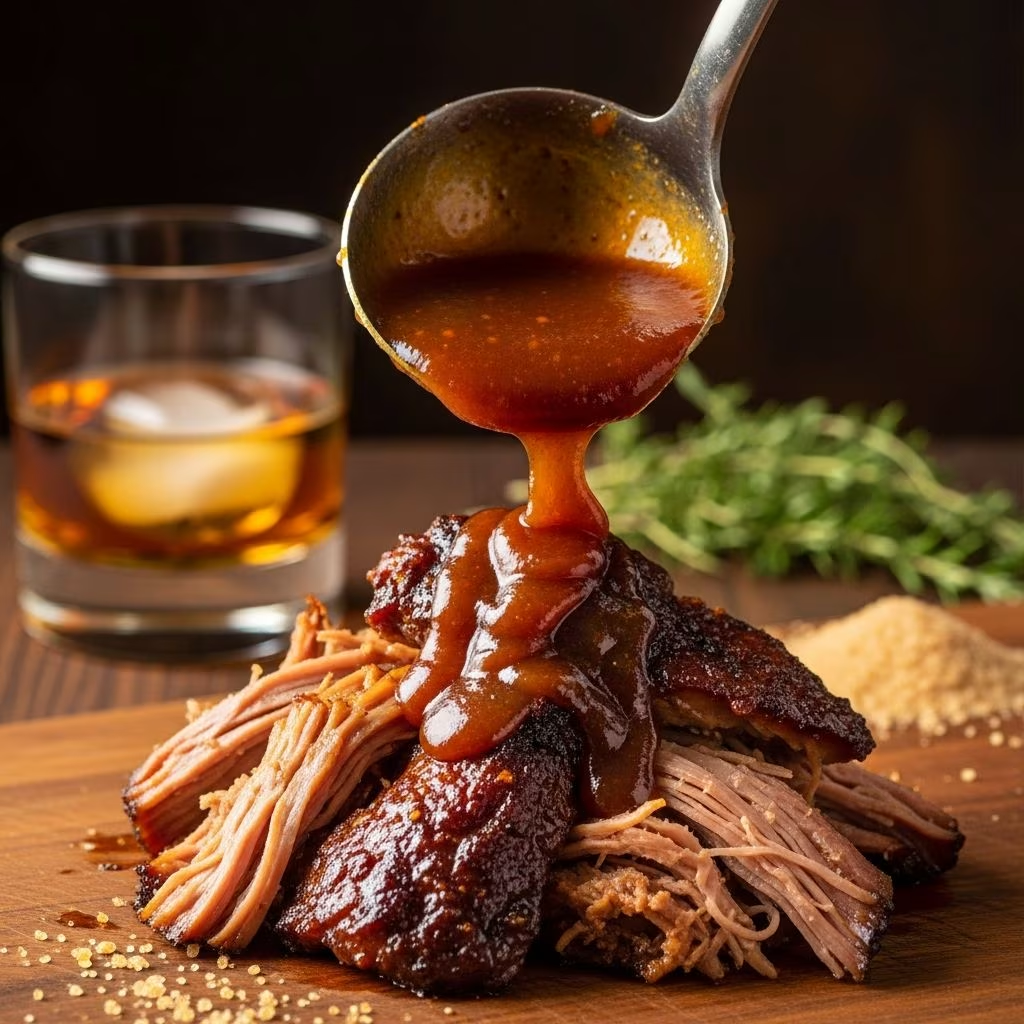
Reserve some marinade (boiled first for safety) and combine with pan drippings. Simmer with extra citrus until thickened. This vibrant sauce echoes the marinade but intensified by roasting.
Ingredients tweaks: Add reserved drippings, fresh herbs, and a sugar pinch for balance. Serve warm alongside the pork.
Classic Cuban Pairings and Sides
Complement with starchy bases to soak up juices:
- Yuca con mojo: Boiled cassava drenched in garlicky sauce.
- Moros y cristianos: Black beans and rice fusion.
- Plantains: Fried tostones or sweet maduros.
- Arroz congrí: Red beans integrated into rice.
For a full plate, add pickled onions or ensalada cubana (cucumber-tomato salad). Leftovers shine in Cuban sandwiches with Swiss cheese and pickles.
Storage, Reheating, and Freezing Tips
Store shredded pork in airtight containers with juices for up to 4 days in fridge. Reheat gently in sauce to prevent drying. Freeze portions up to 3 months; thaw overnight before warming.
Pro portioning: Shred and mix with sauce for meal prep—tacos, bowls, or rice dishes.
Common Pitfalls and Troubleshooting
| Issue | Solution |
|---|---|
| Soggy skin | Pat extra dry; start at higher temp |
| Dry meat | Marinate longer; don’t trim all fat |
| Undercooked center | Use thermometer; extend low-heat time |
| Too acidic | Balance with oil or sugar in sauce |
Variations for Every Palate
- Spicy kick: Add jalapeños or crushed red pepper.
- Quick version: Loin roast at 325°F for 40 minutes after 2-hour marinate.
- Vegan twist: Marinate jackfruit or seitan similarly.
- Smoked: Finish on grill for BBQ fusion.
Frequently Asked Questions
Can I use a different cut of pork?
Pork shoulder is best, but neck works. Avoid lean cuts.
How long does marinating take?
Minimum 2 hours, ideally overnight or up to 24 hours.
What’s the safe internal temperature?
160°F for slicing, 190°F for pull-apart.
Can this be made in advance?
Yes, refrigerate up to 2 days pre-roast or freeze marinated pork.
What if I lack sour oranges?
Mix orange and lime juice 2:1.
Nutritional Snapshot
Per 4oz serving (approximate): 350 calories, 25g fat, 30g protein. High in B vitamins from pork, vitamin C from citrus. Adjust with leaner cuts or sides for balance.
References
- Cuban-Style Roast Pork — Rachael Ray. Accessed 2026. https://rachaelray.com/blogs/recipes/cuban-style-roast-pork
- Mojo Cuban Roast Pork – RecipeTin Eats — RecipeTin Eats. Accessed 2026. https://www.recipetineats.com/juicy-cuban-mojo-pork-roast-chef-movie-recipe/
- Mojo Pork or Cuban Roast Pork {slow cooker} — Foodie With Family. Accessed 2026. https://www.foodiewithfamily.com/classic-slow-cooker-cuban-pork-make-ahead-mondays-highlight/
- Tender Lechon Asado (Cuban Roast Pork Recipe) — A Sassy Spoon. Accessed 2026. https://asassyspoon.com/cuban-roast-pork-lechon-asado/