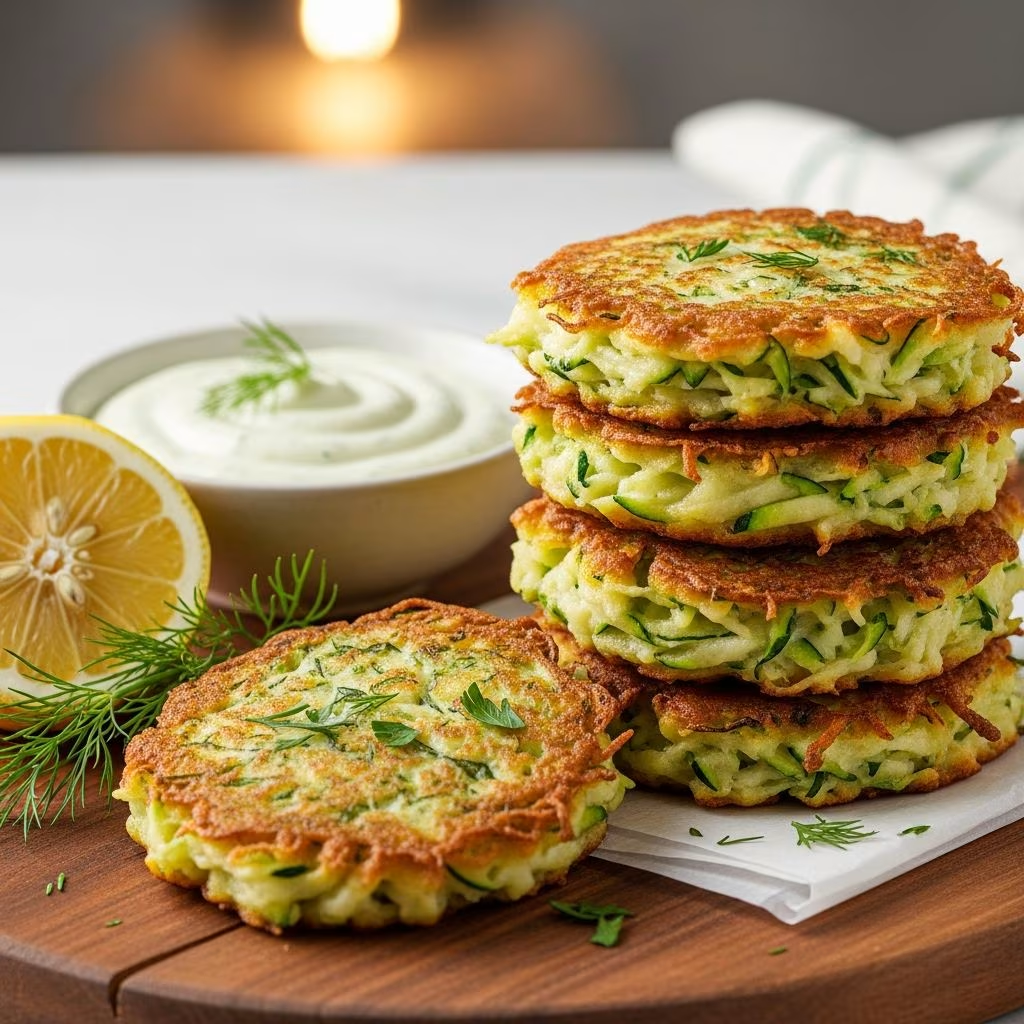
Zucchini fritters represent one of the most beloved vegetable preparations in Italian cuisine, offering a delightful combination of simplicity and sophisticated flavor. These golden-brown morsels transform humble garden vegetables into an impressive appetizer, side dish, or light meal component. Whether you’re preparing a casual family dinner or hosting an elegant gathering, understanding the fundamentals of fritter preparation ensures consistently excellent results.
Understanding the Foundation: What Makes Exceptional Zucchini Fritters
At their core, zucchini fritters are a celebration of straightforward cooking principles executed with precision. The transformation occurs when shredded zucchini combines with binding ingredients and seasonings, then meets hot oil to create textural contrast—crispy exteriors yielding to tender, moist interiors. The success of this dish hinges on understanding moisture management, batter consistency, and proper cooking temperature.
Traditional Italian zucchini fritters maintain a rustic character while delivering refined taste. Unlike heavier fried foods, these fritters showcase vegetables as the primary ingredient, with supporting components enhancing rather than overshadowing the natural zucchini flavor. This balance between simplicity and sophistication explains their enduring popularity across Mediterranean kitchens.
Essential Ingredients and Selection Criteria
Selecting Quality Zucchini
The foundation of exceptional fritters begins with proper zucchini selection. Medium-sized specimens, measuring approximately 6 to 8 inches in length, contain ideal moisture and seed distribution. Smaller zucchini tend to have thinner walls and excessive water content, while oversized specimens develop large seed cavities that compromise texture. Look for firm vegetables with unblemished skin and a vibrant green color, as these characteristics indicate freshness and optimal flavor development.
Binding Components
Eggs serve as the primary binding agent, with most recipes incorporating between one and three large eggs depending on overall batch size. Some preparations add all-purpose flour at ratios between 3 tablespoons and ¾ cup, providing structural support that allows fritters to maintain coherence during cooking. Baking powder, when included at approximately ½ to 1 teaspoon, contributes lightness and airiness to the finished product by introducing carbonation during the cooking process.
Cheese Contributions
Italian hard cheeses—particularly Parmesan and Pecorino Romano—infuse fritters with umami depth and subtle sharpness. A typical fritter batch incorporates between ⅓ cup and ½ cup grated cheese. The high melting point of these aged varieties prevents them from becoming greasy, while their crystalline structure creates pleasant textural notes. Freshly grating cheese immediately before use ensures superior flavor and optimal melting characteristics.
Aromatic Enhancement
Fresh herbs transform zucchini fritters from pleasant to memorable. Italian parsley, basil, oregano, and rosemary each contribute distinct flavor profiles. Garlic, minced to fine consistency, distributes evenly throughout the batter, providing pungent notes that complement vegetable sweetness. Most recipes call for 2 to 3 tablespoons of combined fresh herbs and 1 to 2 cloves of minced garlic per batch.
Seasoning and Oil Selection
Kosher salt and freshly ground black pepper provide foundational flavor balance. Recipes typically use between ½ and 1½ teaspoons of salt distributed strategically—partly in the salting phase and partly in the final batter mixture. For frying, neutral oils with high smoke points (350-375°F) work optimally. Canola, grapeseed, and vegetable oils maintain stability without imparting competing flavors, while olive oil suits lower-temperature cooking methods or serving drizzles.
Preparation Techniques: Building Proper Structure
The Moisture Extraction Process
Successful fritter preparation requires managing zucchini’s naturally high water content, which comprises approximately 95 percent of the vegetable’s composition. After grating zucchini using the coarse setting of a box grater, transfer it to a fine-meshed colander or strainer. Toss the shredded zucchini with salt at a ratio of approximately ¼ teaspoon per medium zucchini, then allow it to sit undisturbed for 15 to 30 minutes. During this rest period, osmotic pressure draws moisture from cellular structures, which accumulates in the bowl beneath the colander.
After the resting phase, actively extract remaining water by pressing firmly on the zucchini with the back of a wooden spoon or by wrapping it in a clean kitchen towel and squeezing with hand pressure. Thorough drying at this stage proves critical—excess moisture interferes with batter consistency, prevents proper browning during cooking, and results in greasy finished fritters. Many experienced cooks execute this extraction phase twice to ensure optimal dryness.
Batter Development and Consistency
Combine dry ingredients—flour, baking powder, salt, and pepper—in a large mixing bowl, whisking to distribute leavening agents uniformly. Create a well in the center of this dry mixture and add beaten eggs and liquid components, whisking gently to integrate wet and dry ingredients into a thick, cohesive batter. The consistency should resemble thick pancake batter—thick enough to hold shape when spooned into hot oil, yet loose enough to spread slightly during cooking.
Add the prepared zucchini along with fresh herbs, minced garlic, and grated cheese, folding these components gently into the batter until evenly distributed. Overmixing develops excessive gluten networks, resulting in tough, dense fritters rather than light, tender morsels. A few scattered streaks of unmixed flour remain acceptable—gentle folding ensures even ingredient distribution without overworking the batter.
Cooking Methodology: Achieving Perfect Texture
Oil Temperature Management
Proper oil temperature represents perhaps the single most critical variable in fritter success. Insufficient heat results in grease-soaked exteriors and raw centers, while excessive temperature creates burned surfaces concealing undercooked interiors. Target a temperature range between 350 and 375°F—hot enough to create immediate sizzle upon batter contact, yet not so hot as to char rapidly.
To assess readiness without a thermometer, observe the oil’s behavior: it should shimmer with visible movement when tilted slightly. A small amount of batter dropped into the oil should sizzle immediately, rise to the surface within 2-3 seconds, and develop a golden-brown color within 4-5 minutes. If batter sinks and remains at the pan bottom, the oil requires additional heating.
Fritter Formation and Cooking Phases
Using an ice-cream scooper, spoon, or simply two spoons, deposit batter into hot oil in 1 to 3 tablespoon portions depending on desired fritter size. Avoid overcrowding the pan—maintain spacing that allows each fritter to develop independent crust without touching neighboring pieces. Oil temperature drops significantly when cold batter enters, and overcrowding prevents temperature recovery, resulting in suboptimal browning.
Initial cooking takes 2 to 5 minutes per side until the exterior develops a golden-brown crust. Some cooks gently press fritters with the back of a spoon shortly after submersion to create flatter pancake shapes that cook more evenly. Monitor color development carefully—golden brown indicates proper doneness, while dark brown suggests either excessive heat or extended cooking time.
Draining and Finishing Touches
Transfer cooked fritters immediately to a paper towel-lined plate or cooling rack, allowing excess oil to drain while the exterior remains crispy. Many cooks season fritters with additional kosher salt or freshly grated cheese while still hot—the residual heat allows these additions to adhere and penetrate slightly into the exterior layer, enhancing final flavor.
Variations and Creative Interpretations
Texture Enhancement Through Carbonation
Innovative preparations substitute sparkling water or club soda for flat liquid components, introducing carbon dioxide that creates exceptionally light, airy fritters. This technique produces a lighter texture closer to tempura-style preparations while maintaining Italian flavor profiles. Replace approximately ½ cup of liquid with carbonated water, adding it just before frying to preserve effervescence.
Protein and Vegetable Additions
While traditional preparations focus on zucchini, creative cooks incorporate complementary vegetables. Finely diced onions, minced shallots, or chopped bell peppers add textural variety and aromatic complexity. Ground meats or sausage transform fritters into more substantial fare suitable for main course applications rather than appetizer roles.
Cheese Variations
Beyond Parmesan and Pecorino Romano, ricotta cheese can replace a portion of flour, creating creamier interiors while maintaining structural integrity. Fresh mozzarella, though less traditional, provides mild flavor that won’t overpower delicate vegetable notes when added in smaller quantities.
Serving and Presentation Strategies
Zucchini fritters display remarkable versatility across meal contexts. As an appetizer course, serve at room temperature with marinara sauce, tzatziki, or aioli for dipping. Their substantial texture satisfies appetites more effectively than lighter vegetable preparations. For side dish applications, fritters complement grilled proteins exceptionally well, providing textural contrast and vegetable nutrition in elegant, portioned formats.
Light lunch preparations pair fritters with fresh salads or grain bowls, creating nutritionally balanced meals. Some presentations nest fritters within crusty bread alongside fresh vegetables and spreads, essentially creating upscale vegetable sandwiches. Fresh lemon wedges or zest finish served fritters beautifully, adding brightness that cuts through richness.
Storage and Make-Ahead Considerations
Prepared fritter batter maintains quality for approximately 30 minutes when refrigerated, though cooking immediately after preparation generally produces superior results. Cooked fritters store well in airtight containers within refrigeration for 3 to 4 days, reheating effectively in a 350°F oven for 5 to 8 minutes until warmed through and exterior crisps slightly. Freezing prepared batter extends storage to approximately one month, though texture may suffer slightly compared to fresh preparations.
Troubleshooting Common Challenges
| Problem | Likely Cause | Solution |
|---|---|---|
| Greasy, soggy texture | Insufficient moisture extraction or insufficient oil temperature | Squeeze zucchini more thoroughly; ensure oil reaches 350-375°F |
| Dense, tough interior | Overmixing batter or excessive flour | Use gentle folding motions; verify flour measurements |
| Fritters fall apart during cooking | Insufficient binding or excess moisture in batter | Add additional egg or flour; extract more zucchini moisture |
| Pale color without browning | Oil temperature too low | Allow oil to reach proper temperature before adding batter |
| Burned exterior with raw interior | Excessive heat or overcrowding | Reduce temperature slightly; cook fritters in smaller batches |
Frequently Asked Questions
Can zucchini fritters be baked instead of fried?
Yes, though results differ from traditional fried preparations. Brush a baking sheet with oil or cooking spray, shape batter into fritters, and bake at 400°F for 12 to 15 minutes, flipping halfway through. Baked versions won’t achieve identical crispness but provide a healthier option with reduced oil content.
What substitutes work for all-purpose flour?
Gluten-free all-purpose flour performs admirably in most recipes. Chickpea flour adds protein and creates slightly denser texture. Cornstarch contributes additional crispness but may require slight adjustments to liquid ratios.
How far in advance can fritter batter be prepared?
Refrigerate prepared batter for up to 30 minutes before cooking. Extended storage times allow moisture to reaccumulate and can compromise final texture. For make-ahead convenience, prepare component ingredients separately and combine immediately before cooking.
What beverages pair well with zucchini fritters?
Light white wines such as Pinot Grigio or Vermentino complement fritter flavors gracefully. Sparkling beverages like Prosecco enhance the experience, while non-alcoholic options might include sparkling water with lemon or herbal iced teas.
Can zucchini fritters accommodate dietary restrictions?
Egg-free preparations substitute flax or chia seeds mixed with water as binding agents. Vegan versions replace Parmesan with nutritional yeast. Gluten-free adaptations use certified gluten-free flour. Adjust liquid ratios slightly when employing substitutes to maintain proper consistency.
Conclusion
Mastering zucchini fritters opens culinary possibilities extending well beyond simple appetizers. These versatile preparations showcase Italian cooking philosophy—extracting maximum flavor from humble ingredients through careful technique rather than complex methods or expensive components. By understanding moisture management, batter development, and proper cooking temperature, home cooks can consistently produce restaurant-quality fritters that impress family and guests alike. Whether served as an elegant first course, nutritious side dish, or satisfying light meal, perfectly executed zucchini fritters demonstrate that exceptional food often emerges from straightforward preparations executed with attention to detail and respect for quality ingredients.
References
- USDA FoodData Central – Zucchini (includes skin), raw — U.S. Department of Agriculture. 2023. https://fdc.nal.usda.gov/
- Food Safety Guidelines for Home Canning and Preservation — National Center for Home Food Preservation, University of Georgia. 2022. https://nchfp.uga.edu/
- Culinary Techniques: Deep Frying Temperature and Safety — The Culinary Institute of America. 2021. https://www.ciachef.edu/
- Italian Regional Cuisine and Traditional Cooking Methods — Accademia Italiana della Cucina. 2023. https://www.accademiaitalianacucina.it/
- The Science of Frying: Oil Smoke Points and Cooking Temperatures — Food & Wine Magazine / Serious Eats editorial research. 2023. https://www.seriouseats.com/