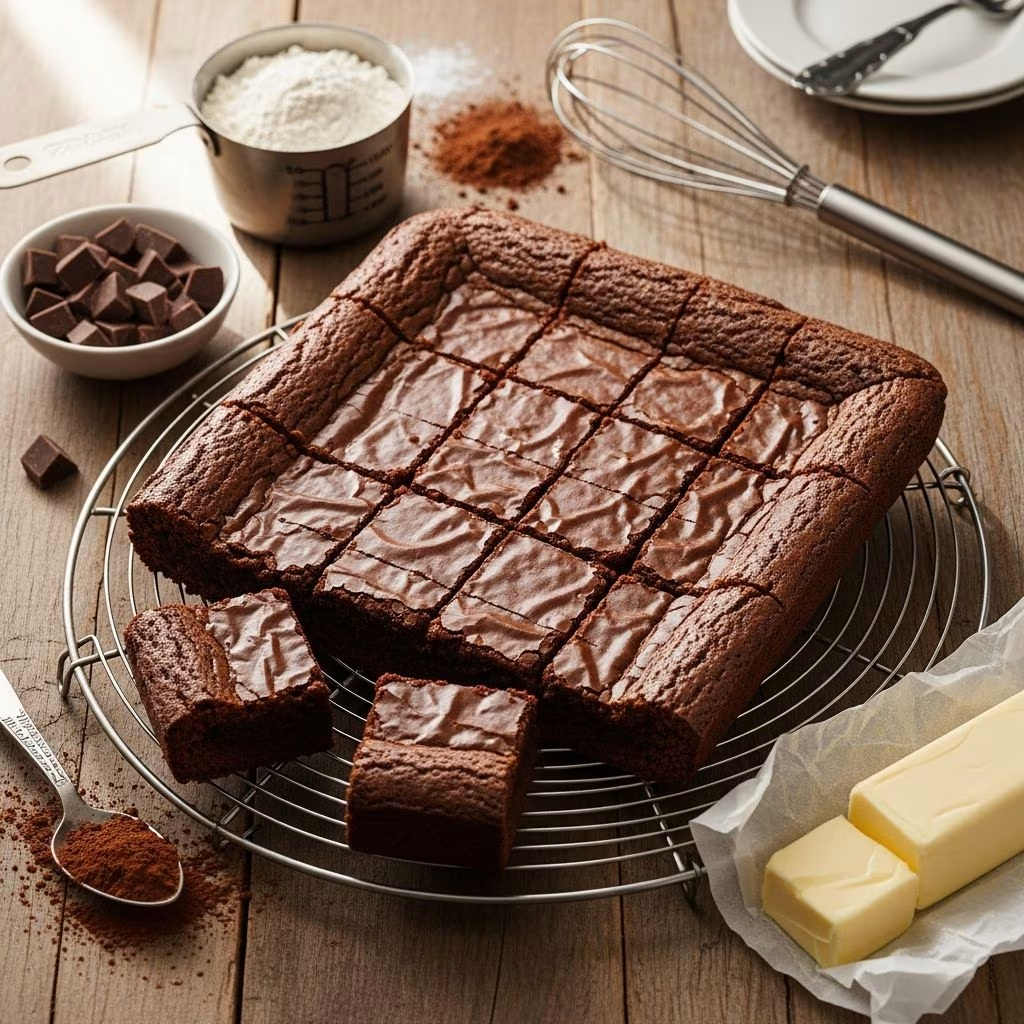
Creating exceptional brownies at home requires understanding the fundamental principles of chocolate baking, ingredient interactions, and precise technique. Whether you’re seeking decadent fudgy squares or cake-like textures with crispy edges, the science behind brownie creation offers pathways to achieve your desired result. This comprehensive guide explores everything from ingredient selection through advanced baking methods that elevate homemade brownies to professional quality.
Understanding Brownie Fundamentals
Brownies represent one of the most versatile chocolate desserts, capable of satisfying diverse preferences through ingredient adjustments and technique modifications. The fundamental appeal of brownies lies in their simplicity—requiring only basic pantry staples—combined with their capacity to deliver complex chocolate flavors and satisfying textures. Success in brownie baking depends on grasping how each component contributes to the final product’s characteristics.
The brownie category encompasses a spectrum from ultra-fudgy, nearly truffle-like creations to lighter, cake-textured options. Understanding where your preference falls on this spectrum helps guide ingredient measurements and baking duration. Many home bakers discover that achieving consistent results requires familiarity with how temperature, mixing methods, and ingredient ratios influence outcomes.
Essential Ingredients and Their Roles
Quality ingredient selection forms the foundation of exceptional brownie baking. Each component serves specific purposes in developing flavor, texture, and structure.
Chocolate Components
Chocolate serves as the primary flavor driver in brownies, and selecting the right type significantly impacts the final result. Many superior brownie recipes incorporate multiple chocolate sources to achieve complex flavor profiles and optimal texture.
- Melted Chocolate: Using chopped baking chocolate or chocolate bars provides superior flavor compared to chocolate chips alone, delivering richer cocoa solids and smoother integration into the batter
- Cocoa Powder: Adding unsweetened cocoa powder intensifies chocolate flavor without introducing excessive sweetness, contributing to a more sophisticated taste profile
- Chocolate Chips: Semi-sweet or bittersweet chips distributed throughout the batter create pockets of concentrated chocolate throughout each brownie
The combination of these three chocolate sources creates what bakers term a “triple chocolate” approach, resulting in brownies with maximum chocolate intensity and complexity.
Fats and Their Impact
Butter remains the gold standard for brownie preparation, offering superior flavor compared to vegetable oil alone. Butter contributes richness and aids in developing the characteristic dense crumb structure that distinguishes excellent brownies from mediocre versions. Some bakers experiment with butter and oil combinations, though testing consistently shows that all-butter options produce superior results.
The fat content directly influences brownie texture—higher butter ratios yield fudgier results, while reduced fat produces cakier brownies. Temperature of butter during melting also matters; combining butter with chocolate over low to medium-low heat prevents scorching and ensures smooth integration.
Sugar and Sweetness Balance
Sugar serves multiple functions beyond sweetness, including contributing to brownie texture and moisture. White granulated sugar yields chewier brownies compared to brown sugar, which adds moisture and creates softer crumbs. Reduced sugar recipes produce less sweet brownies with more pronounced chocolate flavor, appealing to those preferring sophisticated, less sugary desserts.
Some recipes incorporate powdered sugar alongside granulated sugar, enhancing smoothness and contributing to the desired mouthfeel. The total sugar quantity significantly influences brownie density and chewiness—understanding your texture preference guides appropriate sugar measurements.
Eggs at Optimal Temperature
Eggs contribute moisture, structure, and help create the desirable crackly top surface that characterizes premium brownies. Room temperature eggs integrate more smoothly into the batter compared to cold eggs directly from refrigeration, which can cause butter to seize and result in uneven distribution.
The egg-to-other-ingredients ratio influences brownie structure; recipes with higher egg proportions tend toward cake-like results, while lower egg quantities produce fudgier outcomes. Some advanced recipes whisk eggs with sugar together before combining with other ingredients, a technique that develops the surface crackle through increased air incorporation.
Flour and Structural Balance
All-purpose flour provides structure without excessive gluten development that would create tough brownies. Recipes achieving optimal fudgy texture typically use less flour relative to fat, creating a ratio that emphasizes indulgence over cake-like crumb. Careful flour measurement—preferably by weight using grams rather than volume—ensures consistency between batches.
Preparation Techniques That Matter
The Melting Process
Proper chocolate and butter melting establishes the foundation for successful brownies. Combining these ingredients over medium-low heat, stirring occasionally with a wooden spoon, prevents scorching and ensures smooth integration. Overheating chocolate causes it to become grainy and bitter; gentle heat allows proper melting without compromising flavor or structure.
After reaching smoothness, removing the mixture from heat and allowing 15 minutes cooling prevents eggs from cooking when incorporated, which would create an undesirable texture and lose moisture.
Ingredient Integration Strategy
The order of ingredient incorporation influences final brownie characteristics. Following chocolate and butter melting, adding sugar and stirring creates a homogeneous base. After cooling slightly, eggs and vanilla extract blend smoothly, developing richness. Finally, flour and salt integrate with minimal mixing—overworking at this stage develops gluten and creates tough brownies.
Pan Preparation and Placement
Proper pan preparation prevents sticking and simplifies serving. Spraying the baking pan with cooking spray followed by parchment paper lining creates an easily removable brownie block. Some bakers dampen parchment paper with water to improve adhesion and prevent shifting during baking.
Positioning the pan on the middle oven rack ensures even heat distribution, preventing bottom burning while allowing proper surface development.
Baking Parameters and Temperature Control
Oven Temperature Selection
Most superior brownie recipes bake at 325 degrees Fahrenheit rather than the conventional 350 degrees. This lower temperature allows gentler baking that develops fudgy texture while preventing overdrying. Baking duration typically extends to 50-60 minutes, though specific times vary based on oven characteristics and desired doneness level.
Recognizing Proper Doneness
Determining when brownies reach optimal baking requires understanding visual and textural cues. Unlike cakes, perfectly baked brownies appear slightly underbaked when removed from the oven—centers often jiggle slightly, indicating retained moisture and fudgy texture. This appearance concerns many home bakers, yet represents the correct endpoint for premium brownies.
A toothpick inserted into the brownie should emerge with moist crumbs attached, not completely clean. This indicates sufficient structure for slicing while maintaining moisture and fudginess.
Post-Baking Cooling
Allowing brownies to cool completely on the counter—ideally for one hour before slicing—permits structure setting and crumb development. This resting period proves critical for achieving clean slices without crumbling. Attempting to slice warm brownies typically results in messy, broken pieces.
Some bakers refrigerate completely baked brownies overnight, finding that cold brownies slice more cleanly and taste even richer after flavor development time.
Troubleshooting Common Brownie Issues
| Problem | Likely Cause | Solution |
|---|---|---|
| Dry, cakey brownies | Overbaking or excessive flour | Reduce baking time by 5 minutes; verify flour measurement by weight; use room temperature eggs |
| Undercooked center | Oven temperature too low or insufficient baking time | Verify oven temperature with thermometer; extend baking by 5-minute increments; ensure pan placement on middle rack |
| Uneven browning | Oven hot spots or improper pan positioning | Rotate pan halfway through baking; use oven thermometer; ensure middle rack placement |
| Grainy texture | Chocolate overheating during melting | Use low to medium-low heat; stir gently; allow proper cooling before egg incorporation |
| Crumbly slices | Premature slicing while warm | Allow complete cooling for minimum one hour; refrigerate overnight for optimal slicing |
Texture Variations and Customization
Achieving Ultra-Fudgy Results
Maximum fudginess develops through specific adjustments: using a 9×9 inch pan instead of larger formats, which increases brownie density; slightly underbaking; using higher butter ratios; and reducing flour quantities. These modifications push brownies toward truffle-like consistency, appealing to those seeking intensely indulgent results.
Creating Crackly-Top Brownies
The desirable tissue-thin crackly surface develops through whisking eggs and sugar together before incorporating other ingredients. This technique incorporates air, creating surface tension that cracks during baking. Using slightly higher sugar quantities and ensuring proper oven temperature also contributes to this effect.
Incorporating Mix-Ins and Variations
Beyond basic recipes, brownies accommodate numerous additions: chopped nuts, espresso powder, sea salt, bourbon, or peppermint extract create unique flavor profiles. Addition of ingredients should maintain the fat-to-flour ratio for optimal texture; additions typically incorporate into the final batter during flour integration.
Storage and Shelf Life Considerations
Properly stored brownies maintain quality for extended periods. Room temperature storage in an airtight container preserves fudginess for 3-4 days, while refrigeration extends shelf life to one week. Frozen brownies maintain quality for up to three months when wrapped individually and stored in freezer-safe containers.
Many bakers discover that brownies actually improve during storage as flavors develop and moisture distributes evenly throughout the batch.
Frequently Asked Questions
Can I substitute ingredients in brownie recipes?
Limited substitution works best for brownies. Butter should remain all-butter rather than oil for superior flavor. Chocolate type can shift between semi-sweet and bittersweet based on sweetness preferences. Flour substitutions typically result in inferior texture. Eggs cannot be replaced without significantly altering results.
Why do my brownies sink in the middle?
Center sinking typically indicates underbaking or oven temperature too low. Ensure accurate oven temperature using a thermometer. The slight jiggle during removal represents correct doneness; excessive sinking suggests removing brownies too early.
How do I know if my oven temperature is accurate?
Using an oven thermometer provides definitive temperature verification. Most home ovens vary from displayed temperatures, significantly affecting baking results. Inexpensive thermometers reveal individual oven characteristics.
What’s the difference between fudgy and cake-like brownies?
Texture differences stem from fat-to-flour ratios, flour quantities, baking duration, and pan size. Fudgy brownies use higher fat-to-flour ratios, less flour overall, and shorter baking times. Cake-like brownies incorporate more flour and bake longer, developing structure over density.
References
- What’s Gaby Cooking – Best Ever Brownie Recipe — What’s Gaby Cooking. Accessed April 2026. https://whatsgabycooking.com/best-ever-brownie-recipe/
- Sally’s Baking Addiction – Seriously Fudgy Homemade Brownies — Sally’s Baking Addiction. Accessed April 2026. https://sallysbakingaddiction.com/seriously-fudgy-homemade-brownies/
- Love and Lemons – Best Homemade Brownies Recipe — Love and Lemons. Accessed April 2026. https://www.loveandlemons.com/brownies-recipe/
- Baker by Nature – The Best Fudge Brownies — Baker by Nature. Accessed April 2026. https://bakerbynature.com/the-best-cocoa-fudge-brownies/
- The Stay at Home Chef – Best Brownie Recipe Ever — The Stay at Home Chef. Accessed April 2026. https://thestayathomechef.com/brownie-recipe/