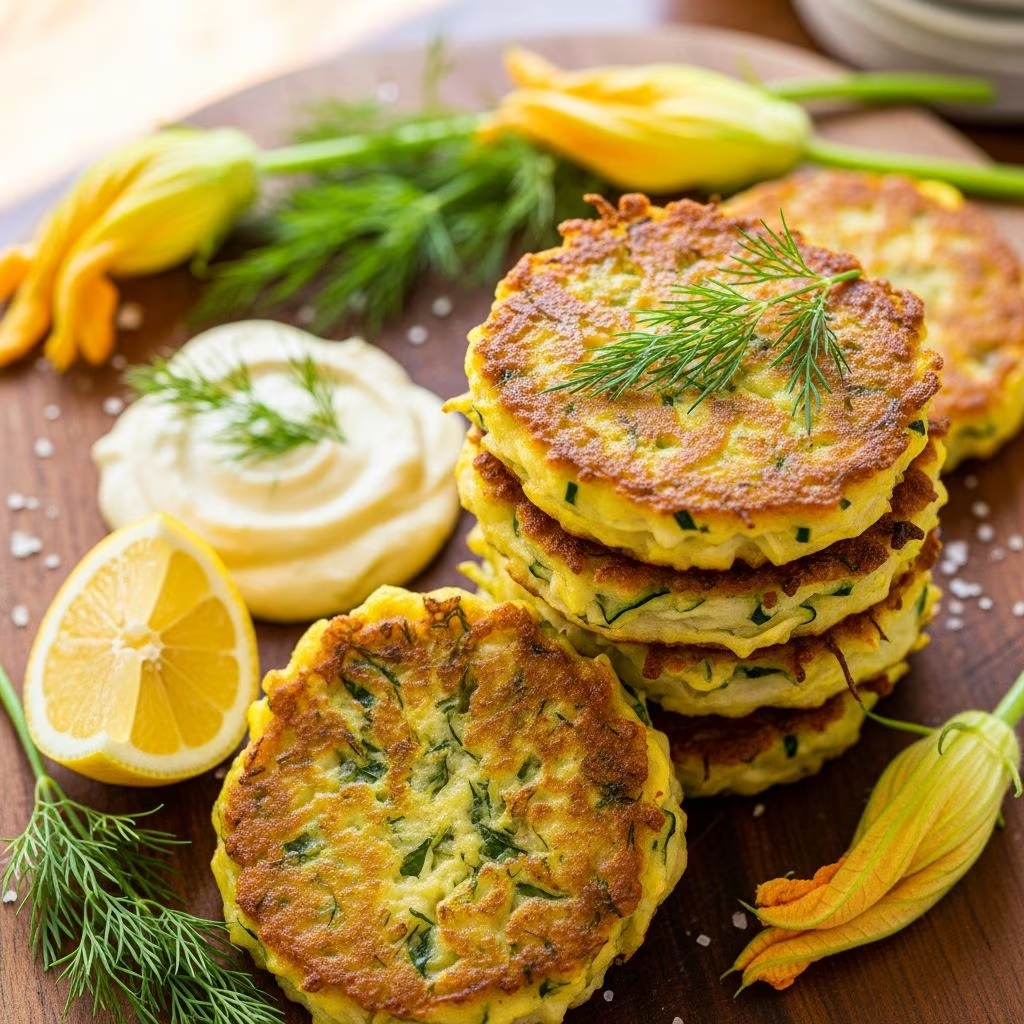
Summer squash fritters represent a delightful vegetable-forward dish that transforms fresh seasonal produce into a crispy, satisfying side or appetizer. These golden-brown patties deliver a perfect balance of textures—a crunchy exterior that gives way to tender shredded squash throughout. Whether you’re planning a casual family dinner or hosting a gathering with friends, understanding the fundamentals of making exceptional fritters will elevate your summer cooking repertoire.
Understanding Summer Squash and Its Role in Fritters
Summer squash varieties, including yellow crookneck and straightneck squash, contain significant moisture content that requires careful management during preparation. Unlike winter squash varieties that develop dense flesh, summer squash maintains a delicate texture with high water content throughout. This characteristic makes them ideal for fritter preparation when proper dehydration techniques are employed, yet problematic if moisture isn’t adequately removed before cooking. The natural mild flavor of summer squash allows fritters to serve as either a canvas for bold seasonings or a subtle complement to more assertive accompanying dishes.
The Foundation: Selecting and Preparing Your Ingredients
Choosing Quality Summer Squash
Begin with firm, medium-sized squash that feel heavy for their size. Smaller specimens tend to have thinner skin and fewer seeds, while oversized squash often develop woody texture and diminished flavor. Look for unblemished skin without soft spots, as damage indicates advanced ripeness or deterioration. If sourcing from a farmer’s market or garden, freshly harvested squash will yield superior results in terms of texture and taste.
The Critical Moisture Removal Process
The distinction between soggy, disappointing fritters and crispy, delicious ones hinges almost entirely on moisture management. When you shred summer squash, the mechanical action ruptures cell walls, releasing substantial quantities of water. This liquid must be eliminated before mixing ingredients, or the resulting fritters will absorb excess oil during cooking and become greasy rather than crispy.
Using a box grater or food processor shredding attachment, reduce your squash to consistent strand thickness. Transfer the shredded squash to a colander positioned over a bowl. Sprinkle the shredded squash generously with kosher salt—approximately one-quarter teaspoon per cup of shredded vegetable. The salt draws additional liquid through osmosis, concentrating the natural squash flavor while reducing moisture content. Allow this mixture to rest for a minimum of thirty minutes, though allowing it to sit for up to an hour or longer produces even better results. A towel placed in the colander beneath the squash can help facilitate drainage and absorb released liquid.
After the resting period, press down firmly on the squash with clean hands or wrap portions in paper towels and squeeze with considerable force to expel remaining moisture. This step cannot be overemphasized—the drier your squash, the crispier your final fritters will be.
Building Your Fritter Batter
The Essential Components
Once moisture has been adequately removed, combine your drained squash with binding and structural ingredients. A single large egg serves as the primary binder, helping to cohere the mixture and facilitate proper texture development during cooking. All-purpose flour provides structure and aids in achieving the characteristic golden crust, typically requiring between one-third and three-quarters cup depending on squash moisture content and desired thickness.
Fresh or dried aromatics significantly impact the final flavor profile. Yellow onions add sweetness and depth, while garlic powder and onion powder contribute concentrated savory notes. Italian seasoning, consisting of oregano, basil, and thyme, brings Mediterranean-inspired flavors that complement squash naturally. Kosher salt enhances overall taste perception, and freshly ground black pepper adds subtle spice without dominating other flavors.
Optional Enhancement Ingredients
Grated Parmesan cheese, added at approximately one-third cup per batch, creates sturdier fritters with enhanced savory complexity. The cheese also contains salt, so reduce your kosher salt addition accordingly when including this ingredient. Fresh or dried basil contributes herbal brightness, while red chili flakes introduce gentle heat for those preferring more assertive seasoning.
Cornmeal, incorporated at one-quarter cup quantities, adds textural complexity and creates an enhanced crispiness on the exterior. Some cooks reserve a small portion of minced fresh Italian parsley as a finishing garnish, adding visual appeal and fresh herbal notes.
Cooking Technique and Temperature Management
Selecting Your Cooking Medium
Cast iron skillets represent the traditional choice for fritter preparation, offering superior heat retention and even cooking across the cooking surface. Nonstick skillets provide modern convenience, allowing easier flipping and cleanup, though they may not develop the same level of browning. Whichever vessel you select, ensure it has been preheated adequately over medium heat—approximately three to five minutes—before adding cooking fat.
Vegetable oil and olive oil are both acceptable options, with butter providing superior flavor for those seeking richness. A combination approach—two tablespoons each of butter and oil—offers a middle ground between flavor enhancement and health considerations. The amount of fat required depends on your pan size and the number of fritters being prepared; generally, one-eighth to one-quarter inch of oil creates the optimal frying environment.
The Cooking Process
Using a spoon or cookie scoop, carefully deposit the squash mixture into the preheated pan. Avoid overcrowding, as this reduces oil temperature and results in uneven cooking. Fritters should not touch each other during the initial cooking phase. Allow the first side to cook undisturbed for three to four minutes, during which the bottom develops a golden-brown crust. Unlike pancakes, fritters won’t bubble or rise during cooking—simply watch for the exterior to achieve the desired color.
Once the bottom shows sufficient browning, carefully insert a flat spatula beneath each fritter and flip with a single decisive motion. The second side requires slightly less cooking time, typically two to three minutes, as the fritter already contains residual heat. Transfer cooked fritters to a paper towel-lined plate to allow excess oil to drain while maintaining crispiness.
Flavor Variations and Creative Additions
Mediterranean-Inspired Version
Combine fresh basil, oregano, and minced garlic with the squash mixture. Serve alongside a dollop of Greek yogurt seasoned with lemon zest and fresh dill for an elevated accompaniment.
Southwestern Interpretation
Incorporate diced jalapeño peppers, cumin, and smoked paprika into the base mixture. Serve with a lime-infused crema or salsa verde for complementary heat and brightness.
Cheese-Forward Approach
Combine equal parts Parmesan and sharp cheddar cheese in the mixture, along with a pinch of cayenne pepper. This variation creates exceptionally flavorful fritters suitable for serving as standalone appetizers.
Herb Garden Version
Incorporate minced fresh dill, chives, and parsley for a garden-fresh interpretation. Serve with cultured buttermilk or sour cream mixed with fresh herbs.
Serving Strategies and Complementary Accompaniments
Summer squash fritters adapt beautifully to numerous serving contexts. As a side dish alongside grilled proteins, they offer a lighter alternative to traditional fried potatoes or grain-based accompaniments. Their mild flavor makes them particularly suitable for pairing with assertive main courses featuring robust seasonings or spice profiles.
For appetizer presentations, arrange fritters on a platter with multiple dipping options including ranch dressing, sour cream, cultured buttermilk, and fresh salsa. Greek yogurt-based sauces provide healthful alternatives while delivering complementary coolness and tang. A squeeze of fresh lemon juice brightens the fritter’s natural flavors, while hot sauce accommodates those preferring additional heat.
Storage and Make-Ahead Considerations
Uncooked fritter batter can be prepared several hours in advance and refrigerated in an airtight container. The batter should reach room temperature before cooking for optimal texture development. Cooked fritters maintain quality for up to three days when stored in an airtight container in the refrigerator. Reheating in a 350-degree oven for approximately ten minutes restores crispiness more effectively than microwave reheating.
For freezing, arrange fully cooled fritters on a baking sheet in a single layer, freeze until solid, then transfer to freezer bags for extended storage up to three months. Frozen fritters can be reheated directly in the oven at 375 degrees for twelve to fifteen minutes without thawing.
Troubleshooting Common Fritter Challenges
Addressing Greasiness
Excessive oil absorption typically indicates insufficient moisture removal from the squash or inadequate oil temperature during cooking. Ensure the oil reaches a noticeable shimmer before adding fritter batter, and dedicate additional time to moisture removal through extended resting and vigorous squeezing.
Managing Crumbly or Falling-Apart Fritters
Batter that won’t hold together usually requires additional binding agent. Incorporate another beaten egg or reduce flour content slightly if the mixture seems too dry. Conversely, add flour gradually if the mixture appears too wet.
Achieving Consistent Browning
Uneven browning suggests inconsistent pan temperature or unequal thickness in fritter portions. Use a cookie scoop to create uniformly sized patties and maintain consistent medium heat throughout cooking. Resist the urge to increase temperature for faster cooking, as this results in burnt exteriors and undercooked centers.
Frequently Asked Questions
Can I prepare the batter in advance?
Yes, batter can be prepared up to four hours before cooking and refrigerated in an airtight container. Allow it to come to room temperature before cooking to ensure even results.
What’s the ideal squash size for fritters?
Select medium squash approximately six to eight inches long. Smaller specimens work well but require more time for shredding, while oversized squash develop woody texture and inferior flavor.
Should I peel the squash before shredding?
Leaving the skin intact provides nutritional benefits and appealing color variation. Remove only if you prefer a more refined texture, though this step isn’t necessary for fritters.
Can I substitute different cheeses in the recipe?
Absolutely. Gruyère, sharp cheddar, or Pecorino Romano all work well. Adjust salt levels accordingly, as different cheeses vary in sodium content.
How do I know when the oil is hot enough?
The oil should shimmer noticeably and cause batter to sizzle immediately upon contact. Use an instant-read thermometer if available—target approximately 350 to 375 degrees Fahrenheit.
What’s the difference between fritters and pancakes?
Fritters incorporate grated vegetables as the primary ingredient and are typically fried in oil, while pancakes use batter as the primary component and are cooked on a griddle with minimal fat.
References
- Vegetable Cookery: Summer Squash Preparation Techniques — University of California Cooperative Extension. 2023. https://ucanr.edu/sites/anrstaff/files/259152.pdf
- Food Science of Moisture Removal in Vegetables — U.S. Department of Agriculture Food Safety and Inspection Service. 2022-06-15. https://www.fsis.usda.gov/food-safety/safe-food-handling-and-preparation
- Deep Frying Oil Temperature Guidelines — The Culinary Institute of America Professional Chef Standards. 2024-03-20. https://www.ciachef.edu/
- Nutritional Composition of Yellow Summer Squash — USDA FoodData Central. 2024. https://fdc.nal.usda.gov/
- Osmoregulation in Plant Tissues During Salt Curing — Journal of Food Science and Technology. 2023-05-10. https://link.springer.com/journal/13197