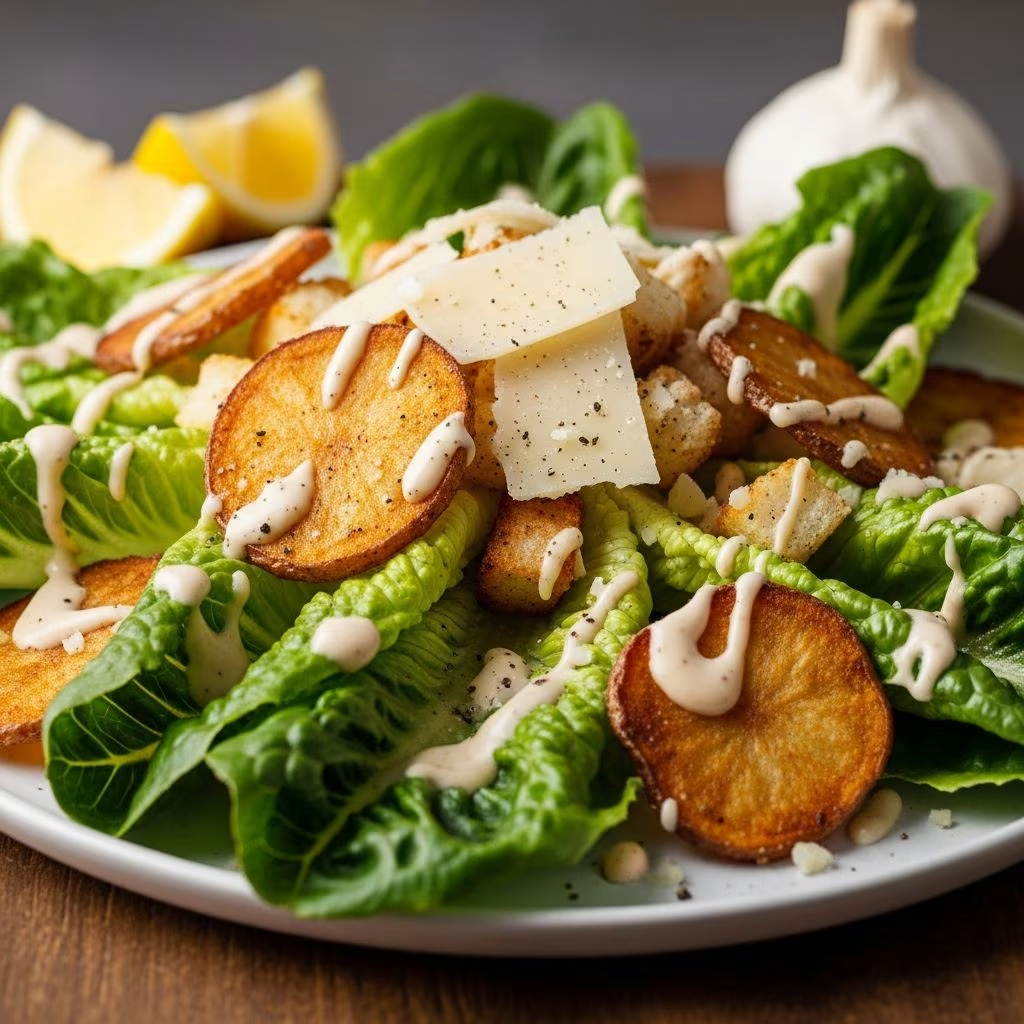
Caesar salad has long been a beloved staple of restaurant menus and home dining tables alike. However, the traditional combination of romaine lettuce, Parmesan cheese, and creamy dressing can sometimes feel predictable. What happens when you reimagine this iconic salad by incorporating an unexpected star ingredient? Enter the crispy potato Caesar salad—a contemporary interpretation that elevates the familiar formula by introducing layers of texture, richness, and satisfaction that transform a simple side salad into a complete, stand-alone meal.
This innovative approach combines the best elements of comfort food with the nutritional profile and freshness of a vegetable-forward dish. By swapping traditional croutons for golden, crunchy potatoes, you create a more substantial base that holds up beautifully to creamy dressing while providing satisfying bulk. Whether you’re seeking a weeknight dinner solution or an impressive dish to serve guests, this recipe offers remarkable versatility and visual appeal.
Understanding the Magic Behind Perfectly Crispy Potatoes
The foundation of this dish rests entirely on achieving potatoes with an ideal texture profile: a golden, crunchy exterior that shatters when bitten, coupled with a soft, fluffy interior. Many home cooks struggle with this balance, often ending up with either soggy potatoes or ones that are dry and dense. The key to avoiding these pitfalls lies in understanding the science of potato preparation.
Starting with the right potato variety makes an immediate difference. Baby potatoes—whether Yukon Gold, red, or fingerling varieties—contain less starch than their larger counterparts and maintain their shape better during cooking. Their smaller size also means more surface area relative to volume, allowing for maximum crisping when exposed to heat.
Before roasting, many recipes recommend a preparatory step that significantly enhances results. Adding baking soda to the boiling water creates an alkaline environment that breaks down the potato’s outer layer. This process, known as alkaline hydrolysis, creates a rougher surface texture with more exposed starches. When these potatoes subsequently encounter the high heat of the oven, these exposed starches undergo the Maillard reaction, producing that desirable deep golden color and crispy exterior. The interior, meanwhile, remains tender and moist because the potato’s cell structure hasn’t been compromised.
After boiling, drain the potatoes thoroughly and allow them to cool slightly. This moisture removal is crucial—excess water left on the surface will create steam during roasting, preventing the crispy texture you’re seeking. Gently pat them dry if necessary, then arrange them on a sheet pan lined with parchment paper.
Building Flavor Through Seasoning and Oil
Once your potatoes are prepared, the next critical element is seasoning and fat distribution. Coat the potatoes generously with high-quality olive oil, ensuring every surface receives coverage. This oil serves multiple purposes: it conducts heat evenly, facilitates the Maillard reaction, and adds richness to the final dish.
Season with complementary aromatics. Garlic powder, onion powder, salt, and freshly cracked black pepper create a savory foundation that won’t compete with the Caesar dressing. Some recipes incorporate paprika for subtle smokiness or Italian seasoning for herbaceous notes. The beauty of this stage is its adaptability—you can adjust seasonings based on what other components you plan to include.
Grating fresh Parmesan cheese directly onto the potatoes before roasting creates pockets of umami-rich flavor that become crispy and intensified as they bake. This cheese also helps create additional texture variation across the potato surface.
The Art of Roasting for Optimal Texture
Temperature and timing work together to determine your potatoes’ final outcome. Most recipes call for a preheated oven at 400-425°F (200-220°C). This temperature range is hot enough to evaporate surface moisture quickly and promote browning without cooking the interior too rapidly.
Bake for approximately 20-25 minutes, checking progress around the 15-minute mark. The potatoes are ready when they’ve developed a deep golden-brown color and the edges appear crispy and slightly darkened. Resist the urge to stir or flip them during cooking—leaving them undisturbed allows heat to develop a consistent crispy exterior on the bottom and sides.
Some cooks prefer air-frying this component for even superior crispiness. The air fryer’s circulating hot air produces exceptionally crunchy potatoes with minimal oil, alongside reduced cooking time and easier cleanup.
Crafting Homemade Caesar Dressing
While bottled Caesar dressing offers convenience, preparing your own dressing elevates this dish considerably. Traditional Caesar dressing derives its distinctive flavor from a combination of anchovies, garlic, lemon juice, and Worcestershire sauce, all emulsified into a creamy base.
For a classic approach, you’ll need a raw or coddled egg, anchovies (or anchovy paste), Dijon mustard, minced garlic, lemon juice, red wine vinegar, and Worcestershire sauce. Add high-quality oil—either extra-virgin olive oil or avocado oil—and blend until the mixture emulsifies into a silky consistency. The egg acts as the emulsifier, allowing oil and aqueous ingredients to combine into a stable suspension.
For those seeking a lighter version without raw egg concerns, substitute Greek yogurt as your base. Greek yogurt provides creaminess and tang while reducing the fat content substantially. The yogurt still needs the traditional Caesar flavor components: anchovies, garlic, Dijon mustard, lemon juice, and Worcestershire sauce. This variation maintains the classic taste profile while offering a slightly different mouthfeel and reduced caloric density.
Proper seasoning in your dressing is essential. Begin conservatively with salt and pepper, then taste and adjust gradually. Remember that Parmesan cheese, anchovies, and Worcestershire sauce all contribute saltiness, so account for these before adding additional seasoning.
Protein Options and Complementary Additions
While crispy potatoes and greens create a satisfying vegetable base, adding protein transforms this dish into a complete meal. Rotisserie chicken offers supreme convenience—simply shred it and toss into your salad with a portion of Caesar dressing. The chicken’s neutral flavor allows the crispy potatoes and dressing to shine while providing substantial protein content.
If preparing fresh chicken, season breasts with garlic powder, onion powder, salt, and pepper, then pan-sear until cooked through. This takes approximately 6-8 minutes per side, depending on thickness. Slice or cube the finished chicken and add it to your salad components.
For vegetarian preparations, roasted chickpeas offer a compelling alternative. Toss drained canned chickpeas with olive oil, paprika, garlic powder, and salt, then roast at 425°F for approximately 25-30 minutes until crispy throughout. These provide textural contrast, plant-based protein, and a nutty flavor that complements Caesar dressing beautifully.
Assembling Your Complete Salad
Bring together all components strategically to maintain texture and maximize flavor distribution. Begin with your lettuce base—traditionally romaine, though arugula, kale, or mixed greens offer interesting variations. Tear or chop your greens into bite-sized pieces and arrange in a large serving bowl or on individual plates.
Layer your crispy potatoes across the greens while they’re still warm. Their warmth will slightly soften the lettuce edges, creating a pleasant textural contrast between tender leaves and crispy potatoes. Add your chosen protein, whether shredded chicken, chickpeas, or tofu.
Drizzle dressing across the salad, beginning with a modest amount and adding more as needed. Underdressed salad can always receive additional dressing, while overdressed components become soggy and unappetizing. Finish with shaved or grated Parmesan cheese for additional umami depth, plus optional croutons or toasted breadcrumbs for those who enjoy extra crunch alongside the potatoes.
Creative Variations and Customizations
The beauty of this recipe lies in its foundation flexibility. While Caesar flavoring remains constant, you can modify supporting elements based on preferences, seasonal availability, or dietary restrictions.
Consider incorporating fresh herbs like parsley, dill, or chives into your greens for brightness. Roasted garlic cloves offer intense, mellowed garlic flavor compared to raw minced garlic. Sun-dried tomatoes add sweetness and depth. Crispy bacon or prosciutto provides smoky, salty contrast for non-vegetarians.
Vegetable additions might include cucumber slices, radishes for peppery crunch, bell pepper strips, or caramelized onions. Each addition should complement the core Caesar flavors rather than obscure them.
Storage and Make-Ahead Strategies
Component preparation can be completed separately, allowing flexible assembly timing. Roasted potatoes remain crispy for several hours when stored in an airtight container at room temperature, though they’re best enjoyed within a few hours of preparation. Homemade dressing keeps refrigerated for up to five days, though flavor develops and intensifies after the first day.
Pre-cook your protein the day before if desired, storing it separately until assembly time. Wash and dry greens in advance, keeping them in airtight containers to maintain freshness. When serving, assemble the salad shortly before eating to preserve potato crispiness and lettuce texture.
Nutritional Considerations
This salad offers surprising nutritional balance when thoughtfully prepared. Potatoes provide complex carbohydrates, dietary fiber, potassium, and B vitamins. Leafy greens contribute vitamins A, C, K, and various minerals alongside beneficial plant compounds. Added protein—whether chicken, legumes, or dairy—ensures satiety and supports muscle maintenance.
The dressing’s fat content, derived from olive oil or Greek yogurt, facilitates absorption of fat-soluble vitamins from the greens while providing satisfaction. Portion control of dressing ensures caloric balance, as traditional Caesar dressing is calorie-dense compared to lighter vinaigrette-based options.
Frequently Asked Questions
Can I make this recipe ahead for meal prep?
Store components separately in airtight containers for up to three days. Potatoes remain crispy at room temperature, proteins store well refrigerated, and dressing keeps for five days. Assemble shortly before serving to maintain optimal texture.
What substitutes work if I don’t have anchovies?
Worcestershire sauce or miso paste can provide umami depth, though the classic Caesar flavor profile will shift slightly. Some recipes successfully omit anchovies entirely when increasing other aromatics and seasonings.
Is this recipe gluten-free?
The salad itself is naturally gluten-free when using certified gluten-free Worcestershire sauce and avoiding crouton toppings. Verify all packaged ingredients meet your dietary needs.
How do I prevent soggy potatoes?
Ensure thorough potato drying after boiling, dress the salad immediately before serving rather than in advance, and avoid storing undressed components together long-term.
Can I use frozen potatoes?
Pre-cooked frozen potatoes won’t achieve the same crispy texture as fresh. For best results, use fresh potatoes and follow the baking soda boiling technique described.
References
- The Maillard Reaction Explained — America’s Test Kitchen. 2024. https://www.americastestkitchen.com/
- Potassium and Other Nutrients in Potatoes — United States Department of Agriculture (USDA). 2024. https://www.usda.gov/
- Food Safety Guidelines for Eggs and Raw Preparations — U.S. Food and Drug Administration (FDA). 2024. https://www.fda.gov/
- Emulsion Science in Culinary Applications — Institute of Food Technologists. 2023. https://www.ift.org/
- Plant-Based Protein Sources and Nutritional Content — Academy of Nutrition and Dietetics. 2024. https://www.eatright.org/