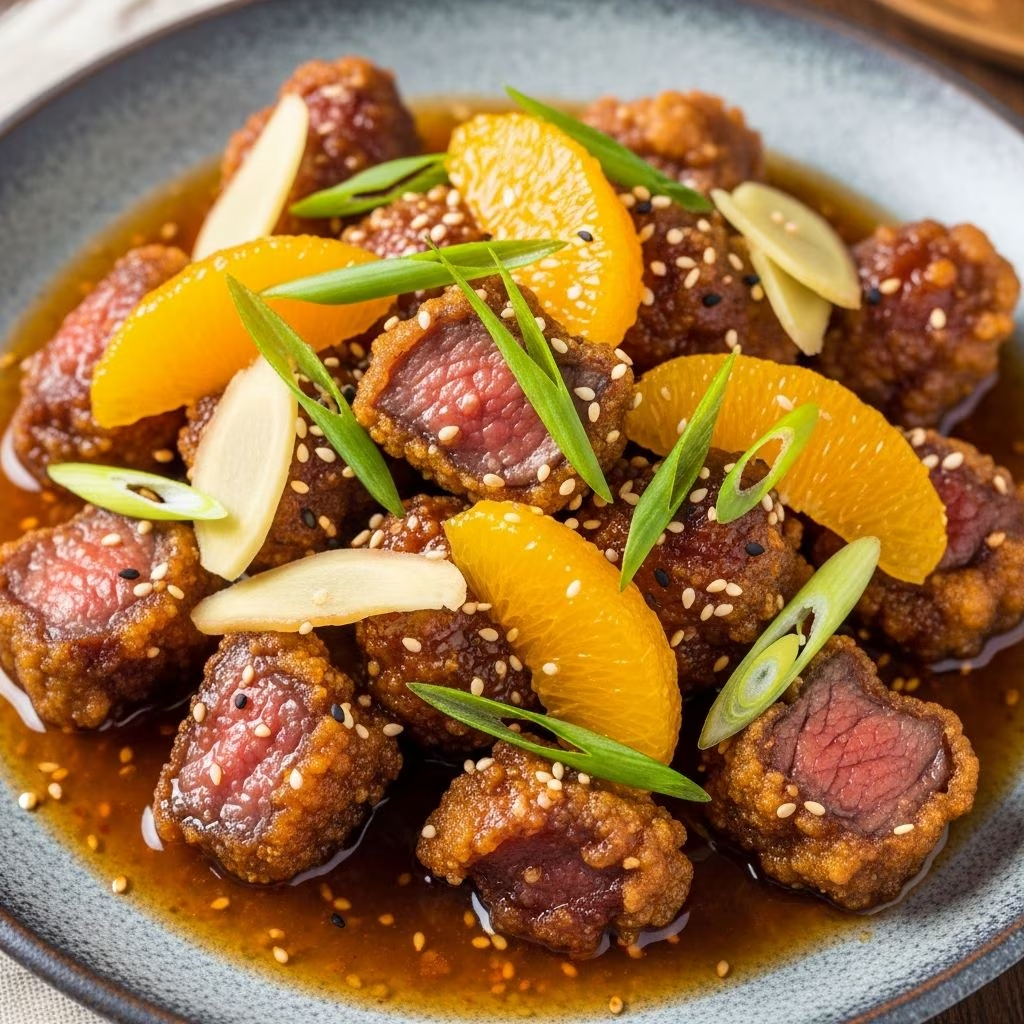
Crispy orange beef represents one of the most beloved dishes in contemporary home cooking, combining tender beef strips with a vibrant citrus sauce and an irresistibly crunchy exterior. This dish has become a staple for those seeking restaurant-quality results without leaving their kitchens. The appeal lies not only in its complex flavor profile—balancing sweet, savory, and acidic notes—but also in the satisfying textural contrast between the crispy beef and the glossy sauce. Understanding the fundamental principles behind this dish enables home cooks to achieve professional outcomes with confidence and consistency.
Understanding the Core Components
Creating exceptional crispy orange beef requires knowledge of how each ingredient contributes to the final dish. The foundation begins with selecting appropriate beef cuts, understanding the role of cornstarch in achieving crispness, and mastering the orange sauce preparation that defines the dish’s character.
Selecting the Right Beef Cut
The choice of beef cut significantly impacts both texture and cooking outcomes. Sirloin steak offers an excellent balance of tenderness and structural integrity when sliced thin and cooked quickly over high heat. Flank steak provides an alternative option with slightly more pronounced grain patterns that require careful slicing against the grain to achieve maximum tenderness. The thickness of your cuts matters considerably—slicing beef approximately one-quarter inch thick ensures that the meat cooks through while developing a crispy exterior.
Freezing beef for thirty minutes before slicing facilitates cleaner, more uniform cuts. This technique transforms the meat into a more manageable texture, allowing kitchen knives to glide through rather than tear the fibers. After slicing, some cooks choose to partially freeze the beef strips again before cooking, which helps maintain structure during frying and promotes even crisping throughout the batch.
The Science of Cornstarch Coating
Cornstarch serves as the primary agent for achieving the characteristic crispy exterior that defines this dish. When beef strips are coated with cornstarch and exposed to high heat in oil, the starch granules absorb moisture and expand, creating a protective barrier that seals in juices while developing a golden-brown crust. This coating also slightly thickens the sauce as the beef is tossed, creating a more cohesive glaze that clings to each piece.
The application technique matters as much as the ingredient itself. Patting beef dry before coating removes surface moisture that would otherwise create steam and prevent proper crisping. A light, even coating—approximately two to three tablespoons per pound of beef—provides sufficient coverage without creating an overwhelming starch flavor.
Crafting the Perfect Orange Sauce
The orange sauce represents the soul of this dish, requiring careful balance to achieve the ideal harmony between competing flavor elements.
Core Sauce Ingredients and Their Roles
The traditional orange sauce combines fresh orange juice and zest with soy sauce, vinegar, and sweetener to create layered flavor complexity. Fresh orange juice provides natural acidity and brightness, while zest adds concentrated citrus flavor without introducing additional liquid. Soy sauce contributes umami depth and saltiness that prevents the sauce from becoming one-dimensional. Rice vinegar or white vinegar adds sharpness that cuts through richness, while sugar balances acidity and adds body to the sauce.
The typical ratio includes approximately one-half cup of orange juice, two to three tablespoons of sugar, three to five tablespoons of soy sauce, and one teaspoon of rice vinegar. However, these proportions should be adjusted based on orange juice concentration and personal preference regarding sweetness levels.
Sauce Enhancement Techniques
Building additional depth into the orange sauce requires thinking beyond basic ingredients. Garlic and ginger, added to the remaining oil after beef removal, impart aromatic complexity that complements citrus notes. Jalapeño or red pepper flakes introduce subtle heat that balances sweetness. Sesame oil, added in modest quantities (one-half to one teaspoon), provides nutty undertones that elevate the sauce from simple to sophisticated.
Some variations incorporate orange marmalade, which consolidates orange juice, zest, and pectin simultaneously while adding subtle bitter notes that sophisticated palates appreciate. This adaptation requires reducing the added sugar by approximately one tablespoon to prevent excessive sweetness.
Execution: The Critical Cooking Process
Oil Selection and Temperature Control
Neutral oils with high smoke points—such as peanut, avocado, or vegetable oil—provide ideal frying mediums. The oil temperature represents one of the most crucial variables; approximately three hundred fifty to three hundred seventy-five degrees Fahrenheit produces optimal crisping without burning the coating. At this temperature range, beef develops a golden exterior in two to three minutes per batch.
Testing oil readiness without a thermometer requires careful observation: a small piece of beef or a drop of cornstarch mixture should sizzle immediately upon contact and begin browning within seconds. Insufficient heat results in oil absorption and gummy texture; excessive heat burns the exterior while leaving the interior undercooked.
Batch Frying Strategy
Crowding the pan represents one of the most common errors in home cooking this dish. When beef pieces touch excessively or overlap, residual moisture creates steam rather than crispy surfaces. Each batch should occupy no more than half the pan’s surface area, allowing air circulation and ensuring even browning. Frying approximately one-quarter to one-third of the beef per batch requires only five to seven minutes total for the entire quantity, justifying the batching approach through superior texture.
Gentle stirring during cooking—approximately three to four movements during the five-to-six-minute cooking window—prevents sticking without disrupting crust formation. Excessive stirring breaks apart the exterior coating and promotes oil absorption rather than moisture evaporation.
Sauce Integration and Service
After removing all beef to drain on paper towels, the sauce preparation begins in the same pan with minimal remaining oil. Heating garlic and ginger for thirty seconds releases aromatic compounds, creating an aromatic base for the sauce. Carefully pouring the pre-mixed sauce ingredients prevents spattering while allowing the liquid to heat and thicken slightly.
The sauce should bubble for one to two minutes before returning the beef, ensuring flavors meld and the sauce achieves the desired consistency. When the beef re-enters the pan, gentle tossing ensures every piece receives sauce coating while maintaining as much crispness as possible. Serving immediately preserves textural contrast, though the dish remains enjoyable for several minutes after final preparation.
Essential Cooking Guidelines and Warnings
| Cooking Consideration | Guidelines | Why It Matters |
|---|---|---|
| Beef Cooking Duration | 45 seconds to 3 minutes per side maximum | Longer cooking toughens the meat and reduces crispness |
| Pan Crowding | Never cook more than one-third of beef simultaneously | Prevents steaming and maintains texture contrast |
| Sauce Addition Timing | Add sauce only after beef cooking and removal | Prevents the starch coating from becoming soggy |
| Oil Temperature | 350–375°F for optimal results | Ensures golden exterior without burning |
| Beef Moisture | Pat completely dry before coating | Removes surface water that prevents crisping |
Ingredient Variations and Adaptations
Orange Juice Substitutions
While fresh orange juice provides the most authentic flavor, several alternatives accommodate different preferences or ingredient availability. Orange marmalade concentrates flavor while reducing added sugar requirements. Mandarin orange juice provides milder citrus notes with slightly higher natural sweetness. Combinations of orange and lemon juice create brighter acidity that some cooks prefer for lighter results.
Spice Level Customization
Those preferring milder versions can omit jalapeño and red pepper flakes entirely, allowing orange and ginger notes to dominate. Conversely, adventurous cooks might increase spice components or incorporate sriracha or hot chili sauce for contemporary heat that complements rather than overwhelms the citrus profile.
Sauce Consistency Adjustments
For thicker, more coat-like sauces, creating a cornstarch slurry by mixing one tablespoon of cornstarch with three tablespoons of cold water and stirring into the sauce during the final simmering phase thickens the glaze considerably. This technique proves particularly valuable for serving over rice, preventing excess liquid from pooling on plates.
Recommended Service Methods
Crispy orange beef pairs exceptionally well with steamed white rice, which provides neutral background allowing the complex sauce to shine. Fried rice offers textural contrast and absorbs sauce flavors throughout the dish. Serving alongside fresh vegetables such as steamed broccoli or stir-fried snap peas adds nutritional balance and visual appeal.
Spring onions sprinkled over the finished dish provide fresh onion flavor that brightens the overall composition. Sesame seeds add subtle nuttiness that echoes sesame oil notes if incorporated into the sauce.
Frequently Asked Questions
- Can crispy orange beef be prepared in advance?
- Yes, the sauce can be made several hours ahead and refrigerated. However, beef should be cooked and sauce added immediately before serving to maintain optimal crispness. Reheating in a hot pan for one to two minutes restores texture if necessary.
- What oil is best for frying?
- Peanut, avocado, and refined vegetable oils work well due to high smoke points reaching three hundred fifty degrees Fahrenheit or higher. Avoid butter and extra-virgin olive oil, which have lower smoke points and burn at high temperatures.
- How do I achieve maximum crispness?
- Key factors include patting beef completely dry, maintaining proper oil temperature, avoiding pan crowding, and limiting starch coating thickness. Minimal stirring during cooking and immediate sauce addition after beef removal preserve crispness.
- Can different beef cuts be used?
- Sirloin and flank steak represent optimal choices due to tenderness and texture. Skirt steak also works well. Tougher cuts like chuck should be avoided unless pre-tenderized, as high-heat cooking without proper texture foundation yields disappointing results.
- How should leftovers be stored?
- Refrigerate in airtight containers for up to three days. Reheat gently in a four hundred-degree oven for five to seven minutes rather than stovetop heating, which may cause excessive crisping loss.
Advanced Techniques for Superior Results
Professional cooks often employ techniques that elevate home kitchen results toward restaurant standards. Preparing a double-cornstarch coating by dredging beef twice creates extra-thick, ultra-crispy exterior layers. Freezing coated beef strips for thirty minutes before frying further enhances crust formation through extended starch hydration.
Temperature precision significantly impacts outcomes. Using an instant-read thermometer to monitor oil temperature throughout cooking maintains consistency that visual assessment alone cannot achieve. Maintaining three hundred fifty to three hundred sixty degrees Fahrenheit throughout the cooking process requires occasionally removing the pan from heat briefly to prevent temperature overshoot.
Some cooks deglaze the pan with reserved soy sauce mixture after beef removal but before sauce addition, creating additional depth through fond dissolution—the browned bits stuck to the pan containing concentrated beef and umami flavors.
Conclusion: Mastering This Timeless Dish
Creating restaurant-quality crispy orange beef at home requires understanding fundamental cooking principles, respecting ingredient ratios, and executing techniques with attention to detail. The balance between textural contrast—crispy exterior against tender interior—combined with sophisticated flavor complexity makes this dish endlessly rewarding. By implementing the guidance provided throughout this comprehensive guide, home cooks can reliably produce exceptional results that satisfy the most discerning palates while impressing dinner guests with apparent culinary sophistication.
References
- The Science of Good Cooking: Master 50 Simple Concepts to Enjoy a Lifetime of Success in the Kitchen — Cook’s Illustrated. 2012-09-01. https://www.cooksillustrated.com
- On Food and Cooking: The Science and Lore of the Kitchen — Harold McGee, Scribner. 2004-11-15. https://www.penguinrandomhouse.com
- Umami: Unlocking the Secrets of the Fifth Taste — Gary Beauchamp, Rediscovering Umami. 2008-03-01. https://www.umamiguru.com
- Cooking Temperatures and Food Safety Standards — United States Department of Agriculture Food Safety and Inspection Service. 2024-06-01. https://www.fsis.usda.gov