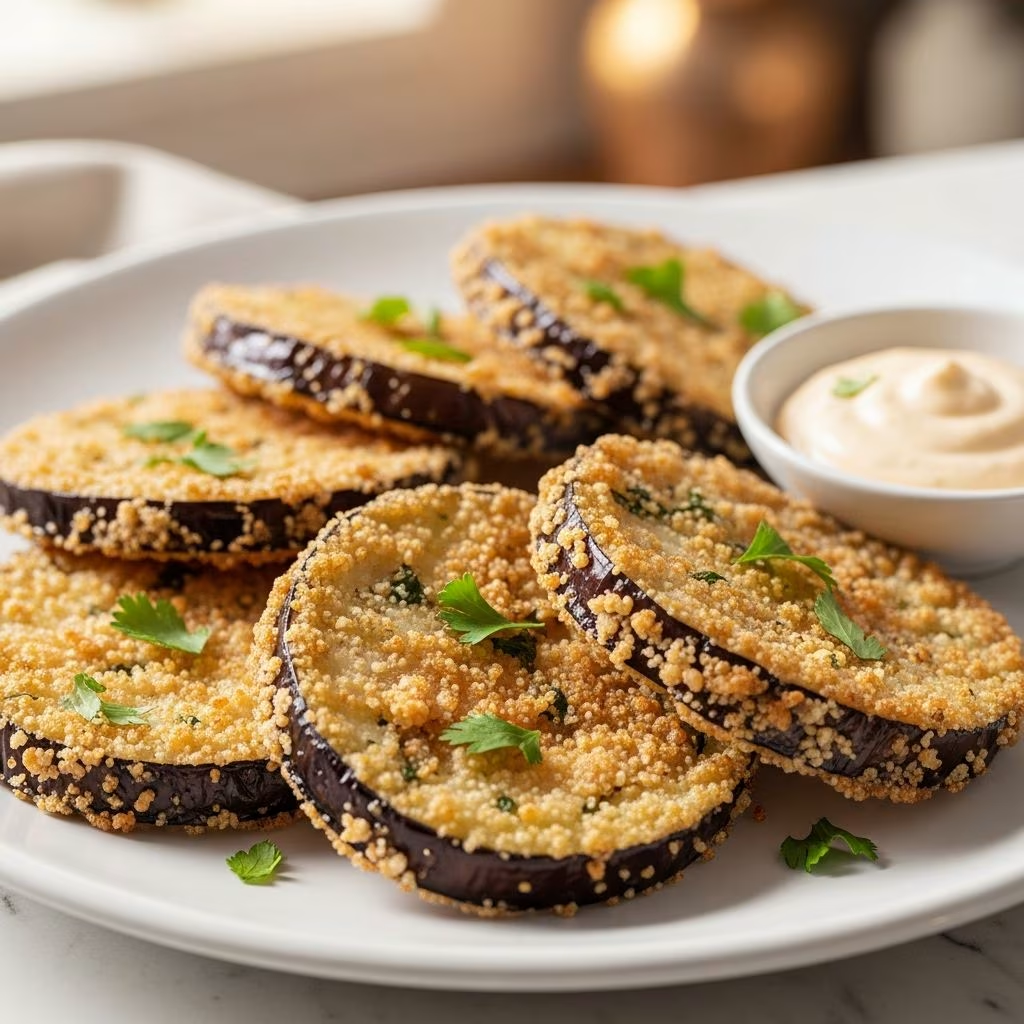
Fried eggplant stands as one of the most satisfying vegetable dishes, combining a delicate, tender interior with a shatteringly crisp exterior. This versatile preparation method transforms humble eggplant into an elegant appetizer, substantial side dish, or vegetarian main course. Whether you’re exploring Mediterranean cuisine or simply seeking new ways to enjoy seasonal vegetables, mastering the technique of frying eggplant opens up countless culinary possibilities.
Understanding Your Primary Ingredient: Selecting Quality Eggplant
The foundation of exceptional fried eggplant begins at the market. Not all eggplants perform equally when exposed to hot oil, making ingredient selection a crucial first step. The best candidates for frying display firm, unblemished skin with a glossy sheen. When you hold the eggplant, it should feel substantial and heavy for its size, indicating good water content and maturity. Avoid specimens with soft spots, wrinkled skin, or dull appearance, as these signs suggest the vegetable has begun deteriorating and will likely produce a bitter or unpleasant flavor.
Globe eggplants, the most common variety found in supermarkets, work beautifully for this preparation. Their size and relatively uniform shape make them ideal for producing consistent slices that cook evenly. Japanese or Italian varieties can also be used, though they may require adjusted cooking times due to their narrower dimensions. When possible, select medium-sized eggplants rather than extremely large ones, as they tend to have smaller seed cavities and fewer bitter compounds.
Preparation Techniques: Setting Yourself Up for Success
Proper preparation separates mediocre fried eggplant from exceptional results. Begin by washing your eggplant thoroughly under cool running water and patting it completely dry. Using a sharp knife, slice the eggplant into uniform pieces approximately 1/4 to 1/2 inch thick. Consistency in thickness ensures every slice cooks at the same rate, preventing some pieces from becoming overcooked while others remain undercooked.
Many traditional recipes recommend salting the eggplant slices and allowing them to rest for 20 to 30 minutes before cooking. This process, known as sweating, draws excess moisture from the vegetable through osmosis. Arrange your sliced eggplant on a cutting board or tray, sprinkle both sides generously with salt, and allow it to sit undisturbed. You’ll notice the eggplant begins to weep, releasing excess liquid. After the resting period, pat each slice thoroughly with paper towels to remove all surface moisture. This crucial step prevents splattering during frying and ensures the coating adheres properly to the vegetable.
Breading Strategy: Creating the Perfect Coating
The coating transforms fried eggplant from a soft vegetable into a textured delicacy. Establish a breading station with three shallow bowls arranged in sequence. This assembly-line approach streamlines the coating process and maintains organization.
The Three-Stage Breading Process
- First Stage – Cornstarch Base: Pour cornstarch into the first bowl. Some recipes substitute all-purpose flour, though cornstarch produces a slightly crispier texture. Dredge each eggplant slice thoroughly in this dry mixture, gently tapping away excess. The cornstarch layer prevents moisture from seeping into subsequent coatings.
- Second Stage – Egg Wash: Whisk eggs together with a pinch of salt in the second bowl. Some cooks add a tablespoon of water or milk to extend the mixture. This protein-rich layer acts as the primary adhesive, binding the final coating securely to the vegetable.
- Third Stage – Breadcrumb Coating: Place panko breadcrumbs in the final bowl. Panko produces superior crunchiness compared to standard breadcrumbs due to its larger, airier structure. For enhanced flavor, mix breadcrumbs with grated Parmesan cheese and Italian seasoning before coating.
Press the breadcrumb coating gently onto each slice to encourage adhesion, then transfer coated pieces to a wire rack. Allow the coating to set for 20 minutes before frying. This resting period permits the layers to bond and prevents the coating from separating during cooking.
Oil Selection and Temperature: The Critical Variables
Oil selection dramatically influences both the cooking process and the final flavor. Choose neutral, high-smoke-point oils such as vegetable, canola, or refined peanut oil. These varieties withstand the high temperatures required for frying without breaking down or imparting unwanted flavors. Extra virgin olive oil, while delicious in many applications, has a lower smoke point and can become acrid at frying temperatures.
Temperature precision separates successful frying from disappointing results. Heat oil to 350°F to 375°F, with 375°F representing the optimal sweet spot. At this temperature, the oil instantly seals the coating, creating a crispy exterior while the inside remains tender. If the oil temperature falls below 350°F, the eggplant absorbs excessive oil and becomes greasy. Conversely, oil hotter than 375°F burns the exterior before the interior softens. Use a reliable thermometer to monitor temperature accurately, as visual assessment can be misleading. Maintain oil level at approximately 1/2 inch in your cooking vessel.
The Frying Process: Technique and Timing
Working in batches prevents overcrowding, which disrupts oil temperature and results in uneven cooking. Arrange eggplant slices in a single layer without overlapping. Overcrowded skillets cause temperature to plummet, increasing cooking time and oil absorption.
Fry each side for 1 to 3 minutes, depending on thickness and oil temperature. The eggplant is ready to turn when the underside achieves a deep golden brown color. Use tongs or a slotted spatula to flip gently, protecting the coating. The second side typically requires slightly less time than the first. Once both sides achieve uniform golden-brown coloration, transfer the eggplant immediately to a paper towel-lined baking sheet or wire rack.
Drain excess oil on paper towels for just 1 to 2 minutes—extended draining causes the interior to cool and become dense. Serve fried eggplant while still warm, as this preserves the optimal contrast between crispy exterior and tender interior. If preparing large quantities, keep finished pieces warm in a 200°F oven while completing remaining batches.
Flavor Enhancement and Serving Suggestions
Plain fried eggplant serves as an excellent canvas for additional flavors. The simplest enhancement involves sprinkling warm slices with salt and freshly ground black pepper immediately after draining. For Mediterranean-inspired preparations, serve alongside warm marinara sauce for dipping or top slices with fresh mozzarella and marinara, creating an informal eggplant Parmesan presentation.
Fresh herb garnishes add brightness and complexity. Finely minced parsley, dill, or basil scattered over warm eggplant provides color contrast and aromatic appeal. A squeeze of fresh lemon juice brightens the palate and cuts through the richness of the fried exterior. Creamy accompaniments like sour cream mixed with fresh dill offer textural variety and cool contrast to warm eggplant.
Regional variations inspire additional serving options. Top fried eggplant with baba ganoush for Mediterranean flair, include it in composed vegetable platters, layer it in lasagna or sandwiches, or serve as an elegant appetizer for entertaining.
Troubleshooting Common Issues
| Problem | Cause | Solution |
|---|---|---|
| Greasy, soggy eggplant | Oil temperature too low or overcrowded pan | Maintain 375°F temperature and cook in smaller batches |
| Coating separates during cooking | Insufficient drying before coating or inadequate setting time | Pat slices thoroughly dry and allow 20-minute rest after breading |
| Burnt exterior, undercooked interior | Oil temperature too high or slices too thick | Reduce temperature to 350°F and slice to consistent 1/4-inch thickness |
| Bitter flavor | Eggplant variety or storage issues | Select firm, glossy eggplants and salt-cure before cooking |
Variations and Dietary Adaptations
While traditional fried eggplant relies on deep-frying, alternative cooking methods accommodate various dietary preferences. Air-fryer preparations involve preheating to 370°F and cooking slices for 8 to 10 minutes, flipping halfway through. This method produces satisfyingly crispy results with minimal oil.
Pan-frying offers another approach, using just 1/3 cup oil heated over medium heat in a large skillet. Cook eggplant rounds 5 minutes per side covered with a lid, which traps steam and promotes even cooking. This gentler method produces less-crispy but still delicious results with reduced oil consumption.
For gluten-free preparations, substitute all-purpose flour with gluten-free flour blends or use cornstarch exclusively. Most other ingredients remain unchanged, though checking breadcrumb labels ensures they contain no hidden gluten sources. Panko breadcrumbs are inherently gluten-free in most brands.
Storage and Make-Ahead Strategies
Fried eggplant achieves peak texture immediately after cooking, but leftovers can be stored and reheated. Refrigerate cooled eggplant in an airtight container for up to 3 days. Reheat in a 350°F oven for 5 to 7 minutes to restore crispness, as microwaving produces undesirable texture degradation.
For make-ahead convenience, prepare and bread eggplant slices several hours in advance. Refrigerate coated pieces on a wire rack, covered loosely with plastic wrap, for up to 8 hours. Fry just before serving. Alternatively, freeze breaded eggplant on a baking sheet, then transfer to freezer bags for up to 3 months. Fry frozen slices without thawing, adding 1 to 2 minutes per side to the cooking time.
Frequently Asked Questions
Can I use egg substitute or avoid eggs entirely?
While eggs provide superior adhesion, alternatives exist for dietary restrictions. Aquafaba (chickpea liquid) works reasonably well, though the coating may be slightly less durable. A slurry of cornstarch and water offers another option, though the coating will be less golden and crispy.
What oil quantity do I need?
A 1/2-inch depth in your cooking vessel typically requires 2 to 4 cups of oil, depending on skillet size. Measure oil carefully and maintain consistent depth throughout cooking by adding fresh oil as needed after each batch.
Why does my eggplant taste bitter?
Bitterness stems from alkaloid compounds concentrated in large, mature eggplants. Select smaller specimens and use the salt-curing method, which draws out these compounds along with excess moisture.
Can I prepare a large quantity in advance?
Yes, breaded eggplant slices keep refrigerated for 8 hours or frozen for 3 months. Fry from refrigerated or frozen state directly before serving, adding minimal cooking time for refrigerated pieces and 1 to 2 minutes additional time for frozen ones.
What’s the difference between panko and regular breadcrumbs?
Panko breadcrumbs derive from a specific bread variety and possess larger, airier structure, producing superior crunchiness. Regular breadcrumbs are finer and more compact, resulting in denser, less-crispy coatings. Panko provides more appealing texture for fried applications.
References
- Easy Fried Eggplant Recipe — Lil’ Luna. https://lilluna.com/fried-eggplant/
- Easy Fried Eggplant Recipe {Crispy Italian-Style Made Easy} — Gonna Want Seconds. https://www.gonnawantseconds.com/fried-eggplant/
- Fried Eggplant Slices — Peter’s Food Adventures. https://petersfoodadventures.com/fried-eggplant-slices/
- Easy Pan-Fried Eggplant with Garlic and Parsley — The New Baguette. https://thenewbaguette.com/pan-fried-eggplant/
- Fried Eggplant — The Cozy Cook. https://thecozycook.com/fried-eggplant/
- Fried Eggplant — Wholesome Yum. https://www.wholesomeyum.com/fried-eggplant/
- Easy Fried Eggplant Recipe — Dinner, then Dessert. https://dinnerthendessert.com/fried-eggplant/