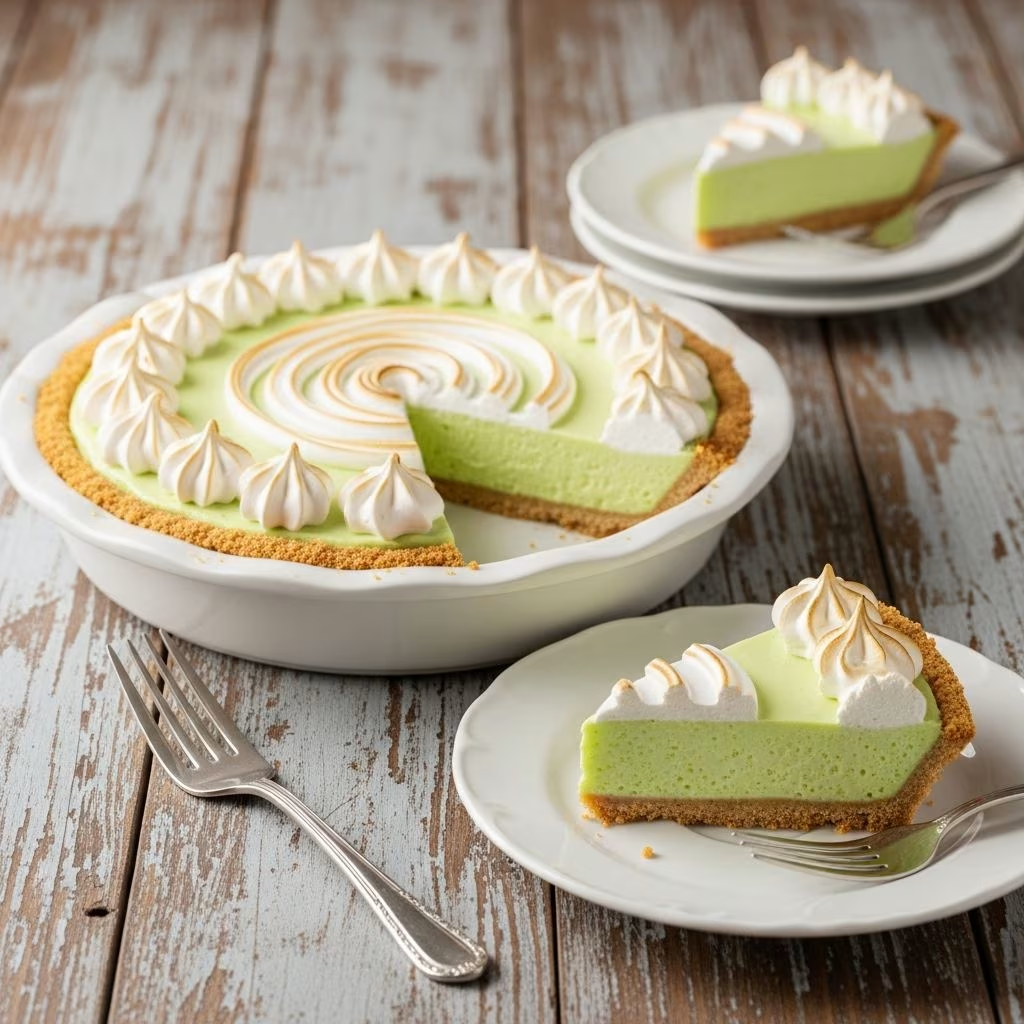
Key lime pie represents one of America’s most iconic desserts, combining tropical tartness with creamy sweetness in a deceptively simple preparation. Despite its reputation for complexity, this beloved treat requires just a handful of quality ingredients and straightforward techniques to achieve restaurant-quality results. Whether you’re a novice baker seeking an impressive yet manageable dessert or an experienced cook looking to refine your approach, understanding the fundamentals of key lime pie construction transforms this dessert from intimidating to entirely achievable.
Understanding the Chemistry Behind Key Lime Pie
The magic of key lime pie lies in its elegant simplicity of ingredient interactions. The acidity present in key lime juice naturally thickens sweetened condensed milk through a chemical reaction, while egg yolks contribute both richness and structural integrity to the filling. This natural thickening process means traditional recipes require no cornstarch, flour, or gelatin—ingredients that can compromise the silky texture enthusiasts expect. The condensed milk serves a dual purpose: it sweetens the filling while providing the necessary fat content for a luxurious mouthfeel. When combined with the tartness of key limes, these components create a perfectly balanced custard-like consistency without requiring traditional custard cooking techniques.
Understanding why these specific ingredients matter helps bakers make informed decisions about substitutions and adaptations. The egg yolks set the filling into a smooth, sliceable custard during baking and subsequent chilling, creating that signature texture that distinguishes authentic key lime pie from other citrus desserts. The lime’s acidity simultaneously acts as both a flavor driver and a chemical leavening agent, creating subtle air incorporation that contributes to the overall texture.
Building Your Foundation: Crust Selection and Preparation
The crust provides essential structural support and flavor contrast to the bright, tangy filling. Graham cracker crusts represent the traditional choice, offering a sweet, slightly buttery base that complements rather than overwhelms the delicate lime flavors. The construction process involves combining graham cracker crumbs with melted butter and sugar, creating a mixture with a breadcrumb-like consistency. This mixture is then pressed firmly into the pie dish, creating an even layer that forms the dessert’s foundation.
Pre-baking the crust before adding the filling serves critical functions beyond simple preparation convenience. This step solidifies the structure, preventing the crust from absorbing excess moisture from the filling and becoming soggy. Pre-baking also ensures the bottom and sides maintain their integrity during the subsequent baking phase, allowing for clean slicing when the finished pie is served. Typically, pie crusts are pre-baked at 350 degrees Fahrenheit for approximately 8-10 minutes until lightly golden.
For bakers seeking to elevate their creation, macadamia nuts offer an excellent enhancement to traditional graham cracker crusts. These nuts add depth, slight saltiness, and a sophisticated textural element. When finely processed and combined with graham cracker crumbs, nuts create a more complex flavor profile while maintaining structural integrity. The salted variety works particularly well, as the salt amplifies the contrast with the lime’s tartness.
Core Filling Components: Selecting and Measuring Ingredients
Quality ingredients directly impact the finished dessert’s character and flavor intensity. The primary filling components include egg yolks, sweetened condensed milk, and key lime juice, with optional sour cream additions providing tang and complexity. Different recipes vary in proportions based on desired consistency and flavor intensity, but all successful versions rely on the fundamental balance between these core elements.
Fresh Versus Bottled Key Lime Juice
Fresh key limes present a challenge for most home bakers: they’re rarely available in conventional grocery stores. Bottled key lime juice from reputable producers offers a practical alternative that maintains authentic flavor while providing consistent results. Quality bottled versions capture the lime’s essential character without the guesswork involved in fresh fruit selection and juice extraction. When fresh limes are available, they deliver superior flavor complexity, though the convenience and consistency of bottled options often justify their selection for everyday baking.
Sweetened Condensed Milk Considerations
This ingredient requires full-fat varieties to achieve the proper texture and richness. The fat content contributes essential mouthfeel and helps create that distinctive silky consistency. Using reduced-fat or skim versions compromises both flavor and texture, resulting in a filling that lacks the luxurious quality central to the dessert’s appeal.
Optional Flavor Enhancements and Variations
While traditional recipes maintain strict simplicity, thoughtful additions can enhance complexity without overwhelming the essential lime character. Sour cream additions ranging from one-half to three-quarters cup introduce tanginess that balances the sweetness of condensed milk. This addition works particularly well for those who prefer pronounced tartness. Lime zest scattered throughout the filling provides visual appeal and amplified lime flavor intensity, though it should be incorporated with restraint to avoid grittiness.
No-bake variations substitute cream cheese for egg yolks, creating a different but equally valid interpretation of this classic. These versions eliminate baking entirely, relying on refrigeration to set the filling. This approach works beautifully for warm weather entertaining or when oven space is at a premium. The cream cheese creates a denser, slightly less delicate texture compared to egg-based versions, but devotees appreciate the subtle tangy undertones this ingredient introduces.
Baking Methodology: Time, Temperature, and Texture Development
The baking phase requires careful attention to achieve the proper consistency. Most recipes call for baking at 325-350 degrees Fahrenheit, with baking times ranging from 10-25 minutes depending on filling recipe and desired final texture. The filling should be mostly set with just slight jiggling in the center when removed from the oven. This targeted endpoint prevents overcooking, which dries the custard and creates separation or cracking.
Some recipes bypass traditional baking entirely, instead relying on the lime juice’s natural acidic chemistry to set the filling through refrigeration alone. These no-bake approaches simplify preparation for cooks seeking reduced complexity, though they produce a slightly different textural outcome.
Cooling and Chilling: Achieving Perfect Consistency
Post-baking treatment proves equally important as the baking process itself. After removal from the oven, the pie should cool completely to room temperature, typically requiring 60-90 minutes of resting on a wire rack. This gradual temperature reduction prevents thermal shock and allows the custard to set properly. Once cooled, the pie requires thorough refrigeration—a minimum of three hours, though overnight chilling produces superior results. This extended chilling time allows the filling to achieve firm, sliceable consistency while developing refined flavors as ingredients continue interacting.
Finishing Touches and Presentation
The garnish transforms a simple dessert into a restaurant-quality presentation. Traditional accompaniments include freshly whipped cream, lime zest ribbons, and thin lime slices arranged strategically atop each portion. These elements provide visual contrast, textural variety, and reinforced lime flavor. Meringue topping offers an alternative, creating a cloud-like crown of browned sugar and egg whites. For no-bake variations, macadamia nuts scattered across the surface add crunch and sophistication.
Comparing Recipe Approaches: A Quick Reference
| Recipe Style | Primary Binder | Bake Time | Total Preparation | Best For |
|---|---|---|---|---|
| Traditional Baked | Egg yolks | 15-25 minutes | 3-4 hours (including chilling) | Classic results, delicate texture |
| Sour Cream Variation | Egg yolks + sour cream | 10-15 minutes | 3-4 hours (including chilling) | Enhanced tanginess preference |
| No-Bake Version | Cream cheese | None—refrigeration only | 2-3 hours (chilling) | Warm weather, simplified method |
Troubleshooting Common Issues
Watery or Runny Filling
This typically results from insufficient baking time or inadequate chilling. Ensure the filling bakes until mostly set with only slight movement in the very center. Extend chilling time to a full overnight period to achieve proper firmness.
Cracked or Separated Filling
Overbaking causes this issue. Remove the pie from the oven when it still shows slight jiggling in the center, rather than waiting for complete firmness. The filling continues setting as it cools.
Soggy Crust
Pre-baking the crust prevents this problem. Without the pre-bake step, the crust absorbs moisture from the filling, becoming unpleasantly soft. Always include this crucial preliminary step.
Excessively Tart Filling
Reduce lime juice by one to two tablespoons, or increase condensed milk slightly. Individual taste preferences vary considerably, so adjustments represent part of personalizing this recipe.
Frequently Asked Questions
Can I make key lime pie without eggs?
Yes—no-bake cream cheese versions eliminate eggs entirely, relying on cream cheese and chilling to achieve proper consistency. These alternatives produce valid but texturally distinct results.
How long does key lime pie keep?
Properly stored in an airtight container in the refrigerator, key lime pie maintains quality for up to three days. The filling may eventually separate slightly upon extended storage, but the dessert remains safe to consume.
Can I freeze key lime pie?
Freezing is possible though not ideal—the custard’s delicate texture can become grainy. If freezing becomes necessary, thaw in the refrigerator for several hours before serving.
What’s the difference between key lime and regular lime?
Key limes are smaller, yellower, and contain higher acidity than regular Persian limes. This increased acidity contributes to key lime pie’s distinctive sharp tang, though bottled juice from either variety produces acceptable results.
Is fresh key lime juice necessary?
While fresh juice offers optimal flavor complexity, quality bottled versions work beautifully for most bakers. Bottled juice provides consistency and convenience without substantially compromising the finished dessert’s character.
Storage and Make-Ahead Strategies
Key lime pie’s make-ahead qualities make it ideal for entertaining. The pie improves with overnight chilling, allowing flavors to meld and the filling to achieve ideal consistency. Prepare the pie one full day before serving for optimal results. Store in the refrigerator in an airtight container to prevent flavor absorption from surrounding foods.
Individual components may be prepared separately in advance. Pre-baked crusts keep for 2-3 days in an airtight container. Mixed filling, when refrigerated, maintains quality for up to 24 hours before baking. This staged preparation approach allows flexible scheduling for busy cooks.
Conclusion: Mastering a Timeless Dessert
Key lime pie represents an achievable triumph for bakers at any skill level. The deceptively simple ingredient list belies the sophisticated technique underlying this classic dessert. By understanding ingredient chemistry, mastering fundamental techniques, and appreciating the importance of proper cooling and chilling, even novice bakers can create impressive results that delight family and guests. Whether following traditional approaches or exploring contemporary variations, this tropical treasure demonstrates how excellent desserts emerge not from complexity, but from respecting fundamental principles and quality ingredients.
References
- Andrew Zimmern Cooks: World’s Best Key Lime Pie — Andrew Zimmern. Accessed April 2026. https://andrewzimmern.com/recipes/andrew-zimmern-cooks-the-worlds-best-key-lime-pie/
- My Best Key Lime Pie (7 Ingredients) — Sally’s Baking Addiction. Accessed April 2026. https://sallysbakingaddiction.com/key-lime-pie/
- Prize-Winning Key Lime Pie Recipe — Souffle Bombay. Accessed April 2026. https://soufflebombay.com/prize-winning-key-lime-pie-recipe/
- Best Key Lime Pie — Mom On Timeout. Accessed April 2026. https://www.momontimeout.com/best-key-lime-pie-recipe/
- Best Classic Key Lime Pie Recipe — The Pioneer Woman. Accessed April 2026. https://www.thepioneerwoman.com/food-cooking/recipes/a32972780/classic-key-lime-pie-recipe/
- Key Lime Pie Recipe (Homemade, Classic!) — Chef Billy Parisi. Accessed April 2026. https://www.billyparisi.com/key-lime-pie-recipe/
- Easy Key Lime Pie (no bake, assembly only) — A Pinch of Healthy. Accessed April 2026. https://www.apinchofhealthy.com/easy-key-lime-pie/