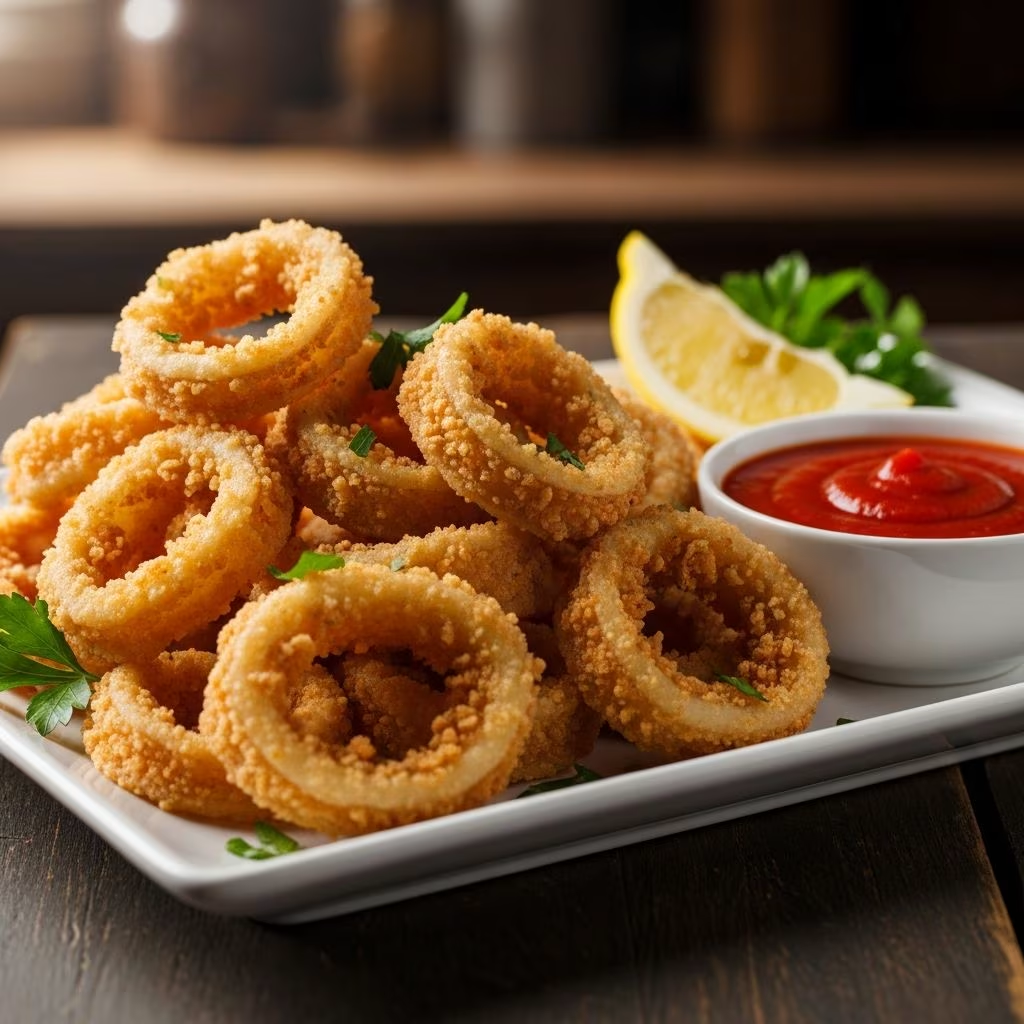
Fried calamari stands as one of the most beloved Mediterranean seafood appetizers, celebrated for its tender interior and satisfyingly crispy exterior. Despite its elegant presentation in upscale restaurants, this dish remains surprisingly accessible for home cooks willing to master a few fundamental techniques. The key to achieving restaurant-quality results lies in understanding the science behind marination, breading preparation, and precise temperature control during the frying process.
Understanding Your Ingredient: Fresh vs. Frozen Calamari
The foundation of exceptional fried calamari begins with selecting quality squid. Both fresh and frozen varieties work effectively, though each presents unique characteristics. Frozen calamari often arrives pre-cleaned, eliminating the tedious task of removing the transparent quill and ink sacs from fresh specimens. When purchasing frozen calamari, ensure the pieces are thawed thoroughly before beginning preparation, as lingering ice crystals can compromise the final texture. Fresh calamari, while requiring more initial preparation, delivers superior flavor nuance and tender texture when handled carefully. Regardless of your choice, aim for medium-sized tubes and intact tentacles, which cook more evenly than larger specimens and provide superior eating experiences.
The Marination Process: Tenderizing and Flavoring
Marination serves multiple critical functions in calamari preparation beyond simple seasoning. The primary purpose involves breaking down tough muscle fibers through enzymatic action, transforming otherwise chewy squid into delicate morsels. Buttermilk proves particularly effective for this application due to its acidic properties and lactic acid content, which gently denatures proteins without cooking the squid prematurely.
To properly marinate your calamari, combine cleaned squid tubes and tentacles with buttermilk in a substantial bowl, adding a pinch of salt to enhance the tenderizing process. Cover the mixture securely and refrigerate for a minimum of thirty minutes, though many culinary professionals recommend extending this period to two hours for maximum texture improvement. This waiting period allows the acidic buttermilk to penetrate the squid’s muscle structure gradually, ensuring even tenderization throughout.
An often-overlooked benefit of buttermilk marination involves flavor modulation. Squid naturally possesses a distinctive oceanic taste that some palates find overwhelming. The buttermilk’s subtle dairy notes and slight tanginess balance these stronger flavors, resulting in a more approachable final dish without requiring excessive seasoning to mask undesirable tastes.
Crafting the Perfect Breading Mixture
The breading layer creates the textural contrast essential to fried calamari’s appeal, providing that coveted golden crunch against tender flesh. Success requires thoughtful selection and combination of dry ingredients. All-purpose flour forms the breading foundation, but incorporating cornstarch or semolina flour significantly improves crispness. These starches absorb moisture more efficiently than wheat flour alone, resulting in superior crunchiness that persists longer after frying.
Seasoning selection transforms basic breading into a flavor vehicle. Consider incorporating these components into your dry mixture:
- Kosher salt for balanced seasoning penetration
- Freshly ground black pepper for subtle heat
- Cayenne pepper for gentle spice notes
- Garlic powder for umami depth
- Onion powder for subtle sweetness
- Paprika for color and mild earthiness
- Dried oregano for Mediterranean authenticity
- Optional baking powder for enhanced lightness
Whisk these ingredients thoroughly in a shallow bowl, ensuring even distribution before dredging. Creating two separate seasoned flour stations allows for the double-breading technique, which many professionals employ to achieve maximum crispness and superior coating adhesion.
The Double-Dredging Technique for Maximum Crispness
Professional kitchens employ a strategic double-breading process that dramatically improves textural results. This method involves coating the squid twice with seasoned flour, trapping additional moisture and creating multiple layers that fry into distinct crispy textures.
The process follows this sequence: remove marinated calamari from buttermilk, allowing excess liquid to drip away briefly. Transfer the first few pieces to your initial flour station, tossing gently until thoroughly coated, then shake away surplus flour and place in a colander. Next, dip these flour-coated pieces directly back into the buttermilk for a few seconds, then transfer to your second flour station for final coating. This secondary flour application adheres more effectively than a single coating, creating an exceptionally crispy exterior that maintains its textural integrity even after cooling.
Oil Selection and Temperature Management
Oil choice profoundly affects both flavor development and cooking success. Grapeseed oil offers an excellent neutral option with a high smoke point around 420°F, allowing for precise temperature control without risk of degradation. Extra virgin olive oil imparts subtle fruity notes that complement squid’s natural flavors, though its lower smoke point requires careful monitoring. For dietary considerations, avocado oil provides comparable smoke points to grapeseed while delivering clean taste profiles.
Achieving proper frying temperature represents perhaps the most critical success factor. Most recipes recommend maintaining oil temperatures between 350°F and 375°F, with 365°F representing an optimal middle ground for most home cooks. This temperature range ensures the exterior crisps and browns within 2-3 minutes while the interior remains tender rather than becoming rubbery from excessive cooking.
To verify oil readiness without a thermometer, employ the wooden spoon test: insert a wooden utensil into heated oil and observe bubble formation around its surface. Vigorous bubbling indicates sufficient temperature for proper frying. Alternatively, drop a single calamari ring into the oil and observe its behavior; proper temperature causes the ring to float quickly while remaining surrounded by active bubbles rather than settling or frying explosively.
The Frying Process: Timing and Technique
Calamari’s rapid cooking time demands close attention and precise execution. Cook duration typically ranges from 2-3 minutes maximum, as prolonged exposure to heat transforms tender squid into tough, chewy pieces. This vulnerability to overcooking necessitates vigilant monitoring and immediate removal once golden brown coloration appears.
Maintain consistent batch sizes, typically cooking 6-10 pieces simultaneously depending on your pot diameter. Overcrowding lowers oil temperature and prevents proper circulation, resulting in uneven cooking and excessive oil absorption. Use either a slotted spoon or spider strainer to gently stir calamari pieces occasionally during cooking, preventing adhesion without damaging delicate flesh.
Remove cooked pieces immediately upon achieving light golden brown coloration and transfer to paper towel-lined plates for drainage. The residual heat continues cooking the calamari slightly as it cools, so removing pieces when they appear slightly lighter than desired final color prevents overcooking. Season immediately with kosher salt while pieces remain hot and slightly moist, allowing salt crystals to adhere properly.
Alternative Cooking Methods
While traditional deep-frying produces superior results, alternative methods accommodate various preferences and dietary considerations. Air fryer preparation offers a reduced-fat option without substantial sacrifices to texture. Arrange breaded calamari in a single layer within the basket, spray generously with cooking oil to prevent dryness, and cook at 400°F for 6-8 minutes, shaking the basket midway through cooking. Monitor closely at the 6-minute mark, as air fryer models vary considerably in heat intensity.
Pan-frying provides another alternative for smaller quantities, using only 1-2 inches of oil in a large skillet rather than full-pot deep frying. This method requires more careful piece management to prevent sticking and demands frequent piece manipulation to ensure even cooking on both surfaces.
Serving Suggestions and Sauce Pairings
Timing proves essential for optimal calamari enjoyment, as the texture deteriorates gradually as pieces cool. Serve immediately upon completion of cooking, while exterior crispness remains supreme and interior temperature stays pleasantly warm. Presentation flexibility accommodates various occasions, from casual appetizers to elegant plated dishes.
Classic sauce pairings enhance the dining experience significantly. Marinara sauce provides the most traditional accompaniment, its acidity cutting through richness while complementary tomato flavors enhance squid’s natural sweetness. Tzatziki sauce offers Mediterranean cooling contrast, with yogurt and cucumber providing refreshing balance. Aioli delivers luxurious creaminess with garlic undertones, while fresh lemon wedges remain an essential garnish, their bright acidity clarifying flavors and cutting through the richness of fried preparations.
Fresh Italian parsley garnish adds color and subtle herbal notes, while lemon zest provides aromatic intensity without overwhelming delicate squid flavors. Arrange fried pieces on serving platters with sauce offerings alongside, allowing diners to customize their dipping preferences.
Troubleshooting Common Issues
Understanding common problems and their solutions ensures reliable success. If calamari emerges tough or rubbery, likely causes include insufficient marination time or cooking temperatures exceeding 375°F. Increase marination duration to two hours minimum and employ a reliable thermometer for accurate temperature monitoring. If breading fails to adhere properly, ensure calamari pieces aren’t excessively wet before flour application, and allow the double-breading coating to partially dry before frying for improved adhesion.
Breading that burns quickly before calamari finishes cooking indicates oil temperature exceeding safe levels; reduce heat and allow oil to cool slightly. If fried pieces absorb excessive oil and emerge greasy, temperature was likely too low, prolonging cooking duration and allowing unnecessary oil absorption. Consistently maintain 365°F for optimal results.
Frequently Asked Questions
- Can I prepare fried calamari in advance?
- Fried calamari experiences textural decline as it cools, so preparing immediately before serving yields superior results. However, you can prepare breaded calamari several hours ahead and store it refrigerated, frying just before eating.
- How do I prevent calamari from sticking together during frying?
- Avoid overcrowding your pot, maintain proper oil temperature, and gently stir occasionally using a slotted spoon. Ensure calamari pieces aren’t still wet before flour application, as excess moisture promotes sticking.
- Is frozen calamari as good as fresh?
- Quality frozen calamari performs comparably to fresh varieties once properly thawed. The freezing process actually tenderizes squid somewhat, making frozen options excellent choices for home cooks.
- What oil creates the best flavor?
- Extra virgin olive oil imparts subtle Mediterranean fruitiness but requires careful temperature monitoring due to its lower smoke point. Grapeseed oil offers neutral flavor with superior temperature stability, making it ideal for consistent results.
- How can I make this recipe healthier?
- Air frying substantially reduces oil consumption while maintaining reasonable texture. Additionally, using gluten-free flour and alternative breading bases accommodates various dietary preferences without sacrificing quality.
References
- Crispy Fried Calamari Recipe — Fifteen Spatulas. Retrieved from https://www.fifteenspatulas.com/crispy-fried-calamari/
- Crispy Fried Calamari Recipe — The Mediterranean Dish. Retrieved from https://www.themediterraneandish.com/fried-calamari-recipe/
- Flash Fried Calamari Recipe — Billy Parisi. Retrieved from https://www.billyparisi.com/fried-calamari/
- Fried Calamari Recipe — Dinner at the Zoo. Retrieved from https://www.dinneratthezoo.com/fried-calamari-recipe/
- Crispy Fried Calamari Recipe with Extra Virgin Olive Oil — Alessandra Ciuffo. Retrieved from https://alessandraciuffo.com/crispy-fried-calamari-recipe-with-extra-virgin-olive-oil/
- Crispy Fried Calamari (Gluten-Free, Paleo) — Nom Nom Paleo. Retrieved from https://nomnompaleo.com/fried-calamari