Apple pie stands as one of the most cherished desserts on the Thanksgiving table, offering timeless appeal and endless possibilities for creative interpretation. While many families maintain traditions with classic recipes passed down through generations, modern bakers continue to innovate, introducing flavor combinations and techniques that refresh this beloved dessert. Understanding the fundamentals of pie construction, selecting appropriate apple varieties, and exploring contemporary variations can transform your Thanksgiving baking experience into an exciting culinary adventure.
Selecting the Right Apples for Your Pie
The foundation of any exceptional apple pie begins with thoughtful apple selection. Different varieties contribute distinct characteristics to the final product, influencing both flavor profile and texture. Many experienced bakers recommend using a combination of apple types rather than relying on a single variety, creating a more complex and nuanced taste.
Granny Smith apples are frequently chosen for their tartness and firm texture, which holds up well during baking without turning mushy. These apples provide essential acidity that balances sweetness and prevents the filling from becoming cloying. Honeycrisp and Golden Delicious apples offer sweeter notes and contribute natural sugars that caramelize during cooking. Pinata apples bring heirloom qualities and classic apple character, delivering robust flavor suitable for traditional preparations.
When preparing apples, consistent sizing matters significantly. Slicing apples to a uniform thickness—typically between one-quarter inch and one-half inch—ensures even cooking and prevents some pieces from becoming overly soft while others remain firm. Before slicing, treating apples with lemon juice prevents oxidation and browning, preserving their appearance and maintaining fresh flavor notes.
Traditional Double-Crust Construction
The classic double-crust apple pie remains a centerpiece of Thanksgiving celebrations, representing comfort and tradition in dessert form. This construction method creates textural contrast between the tender filling and the crispy, golden crust.
Beginning with proper preparation, approximately 3.5 pounds of apples from roughly seven medium apples yields sufficient filling for a standard nine-inch pie. After peeling, coring, and slicing, apples are combined with sweeteners and spices. A combination of granulated and brown sugar provides depth—brown sugar contributes molasses notes while granulated sugar offers bright sweetness.
The filling should rest, allowing apples to macerate in sugar and spices. This resting period, lasting anywhere from thirty minutes to three hours, permits the apples to release their natural juices and absorb flavoring compounds. Just before assembling the pie, cornstarch is incorporated to thicken the filling and create a saucy consistency that coats each apple slice without creating a starchy texture.
Baking temperatures and times significantly impact the final result. Many recipes recommend starting at 425 degrees Fahrenheit for the initial twenty minutes, then reducing to 375 degrees for an additional forty minutes or until the top crust achieves deep golden-brown coloring. This two-stage approach creates a well-set filling while ensuring the crust doesn’t over-brown.
Spice Blending and Flavor Development
Spice selection transforms apple pie from simple to exceptional. Ground cinnamon provides the foundational warm spice note, typically used at a ratio of one and one-half to two teaspoons for a nine-inch pie. Ground ginger adds subtle heat and complexity, while nutmeg contributes earthy undertones that enhance the apple’s natural character. Some recipes include allspice for additional depth.
Beyond traditional spices, orange zest introduces brightness and citrus notes that complement tart apples. Orange juice can replace some water in the filling, creating subtle fruity undertones throughout. These additions don’t overpower the filling but rather amplify the apples’ inherent flavors through complementary seasoning strategies.
Contemporary Fruit Combinations
Modern bakers frequently expand beyond pure apple fillings, incorporating additional fruits that add complexity and visual interest. Cranberry-apple combinations represent a particularly appealing variation for Thanksgiving. The tartness and slight astringency of fresh or frozen cranberries create excellent contrast with sweet apples, while the deep red color provides visual appeal.
A cranberry-apple filling might contain approximately 700 grams of sliced apples combined with 200 grams of fresh or frozen cranberries. This ratio prevents cranberries from overwhelming the filling while ensuring their distinctive flavor remains evident. Ground cinnamon, ginger, and nutmeg work harmoniously with both fruits, while a quarter teaspoon of kosher salt enhances overall flavor complexity without introducing saltiness.
The addition of orange elements—both zest and juice—particularly complements cranberry-apple combinations. The citrus brightness ties the fruits together while adding aromatics that evoke holiday traditions. Cold butter dotted across the filling before adding the top crust enhances richness and promotes even cooking.
Alternative Topping Options
While double-crust design represents the traditional approach, alternative toppings offer visual variety and textural interest. Streusel toppings provide contrasting crunch compared to baked pastry crust. A streusel typically combines flour, brown sugar, cold butter, and sometimes oats or nuts, creating a crumbly texture that browns beautifully in the oven.
When using streusel toppings, the filling bakes uncovered until nearly set, then the streusel is added to the top. If browning occurs too quickly, the topping can be tented with aluminum foil to prevent excessive darkening while the filling continues setting. This approach reduces baking complexity compared to managing a full top crust while maintaining the visual appeal of a finished pie.
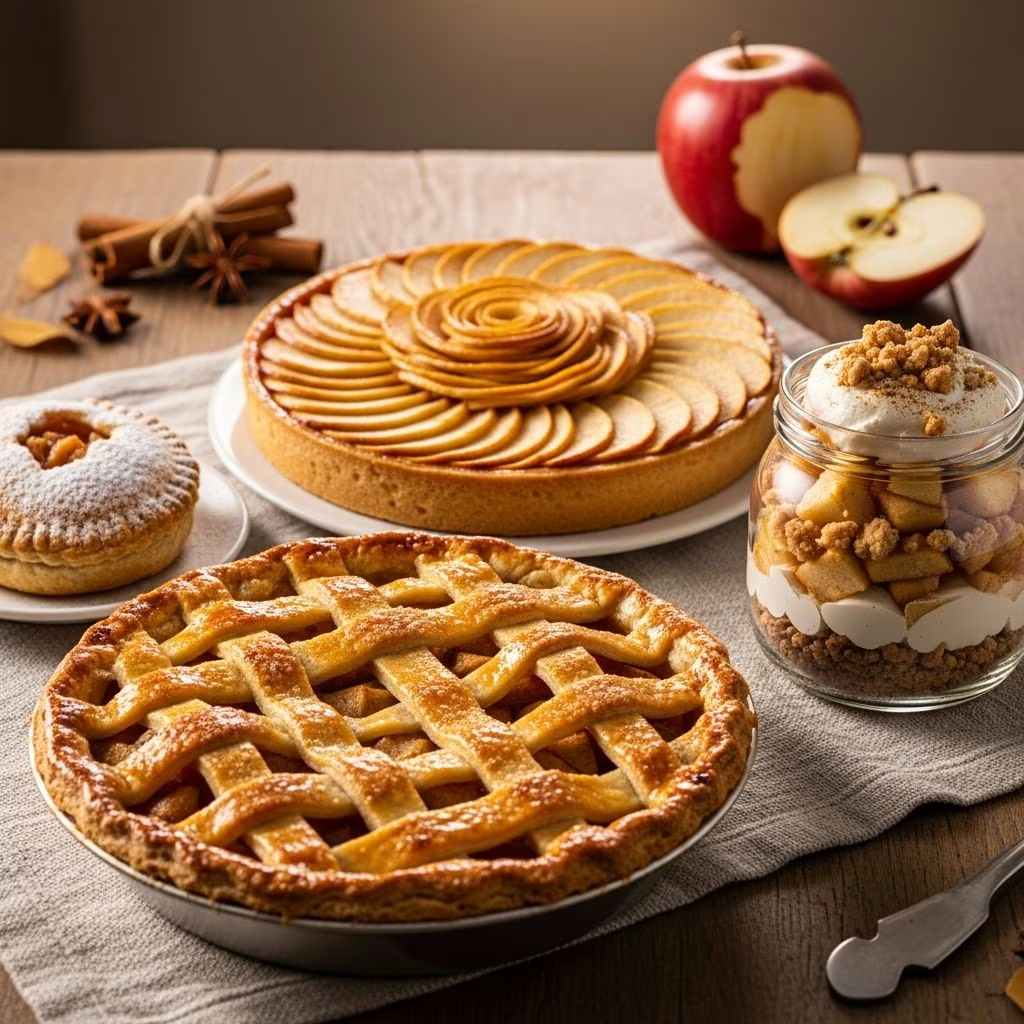
Lattice-topped variations offer another aesthetic option, combining visual sophistication with the traditional double-crust approach. Strips of dough are woven across the filling, creating a pattern that reveals the filling while still providing partial crust coverage. This method requires slightly more effort than a solid top crust but rewards the baker with impressive presentation.
Building Flavor Through Maceration
The practice of allowing prepared apples to macerate in sugar and spices before baking represents an important technique that many home bakers overlook. When apples are combined with sweeteners and left for an extended period, several beneficial processes occur simultaneously.
Sugar draws moisture from the apples through osmosis, and as juices accumulate, they begin breaking down cell walls through enzymatic action. This process softens the apples slightly even before baking, ensuring they achieve the desired tender consistency without becoming mushy during oven cooking. Additionally, spices have more opportunity to distribute evenly throughout the filling and penetrate the apple tissue, creating more uniform flavor in each bite.
While a minimum maceration time of thirty minutes provides noticeable benefits, extending this period to three hours deepens flavor development. During this waiting period, occasional tossing ensures even exposure of all apple pieces to the sugar and spice mixture. This seemingly simple technique demonstrates how patience and planning contribute to superior baking results.
Crust Preparation and Technique
The quality of pie crust significantly influences the overall eating experience. Many recipes recommend rolling out the bottom crust to approximately twelve inches in diameter for a nine-inch pie plate, providing adequate coverage with slight overhang. Careful placement of the crust—wrapping it around a rolling pin to ease transfer—prevents tearing and ensures even coverage of the pie plate.
When adding the apple mixture, mounding slightly in the center creates a professional appearance and accommodates the volume of filling. Maintaining clean edges proves essential; any filling residue on the crust perimeter interferes with the seal between bottom and top crusts, compromising the finished pie’s structural integrity.
An egg wash applied to the top crust before baking creates an attractive sheen and promotes the desired golden-brown finish. A simple egg wash consists of one beaten egg mixed with a small amount of water, brushed lightly across the top crust. Some bakers sprinkle coarse sugar across the egg wash, adding textural interest and a subtle sparkle to the finished pie.
Butter Selection and Measurement
Unsalted butter appears consistently across quality pie recipes, typically totaling six to eight tablespoons. This ingredient serves multiple functions within the filling, contributing richness while helping to distribute spices and create a cohesive sauce that coats each apple slice. The butter also promotes browning and flavor development during the baking process.
Some recipes melt butter and combine it with sugar to create a rich syrup that binds the apples, while others dice cold butter and dot it across the filling surface before adding the top crust. Cold butter provides textural contrast and promotes flakiness in the crust through steam generation during baking. Both approaches yield excellent results, with the choice depending on preferred flavor intensity and texture.
Preventing Common Baking Challenges
Several predictable problems frequently occur when baking apple pie. Soggy bottom crust results from excess moisture migrating downward during baking. Preventing this issue involves ensuring adequate thickening agents (usually cornstarch) are incorporated into the filling and avoiding excess liquid. Some bakers preemptively brush the bottom crust with egg wash or place the pie plate on a preheated baking sheet to encourage bottom crust browning.
Over-browning of the top crust can occur when baking temperatures are too high or baking time extends too long. Starting at a higher temperature for initial crust setting, then reducing heat for gentle completion, prevents excessive browning while ensuring the filling reaches proper doneness. Tenting with foil protects the crust if browning appears excessive during baking.
Filling that’s too thin or watery suggests insufficient thickening agents or too much liquid introduced through apple moisture. Increasing cornstarch content in future batches or using naturally drier apple varieties addresses this issue. Conversely, filling that’s too thick develops a starchy mouthfeel that detracts from the apple flavor; using less cornstarch or more apple juice balances the consistency in subsequent attempts.
Frequently Asked Questions
What apple varieties work best for Thanksgiving pie?
Combinations of Granny Smith, Honeycrisp, Golden Delicious, and Pinata apples create excellent balanced flavor. The tartness of Granny Smith prevents excessive sweetness, while Honeycrisp and Golden Delicious contribute natural sugars and complexity. Using multiple varieties rather than a single type deepens the final flavor profile.
How can I prevent my apple pie filling from being runny?
Incorporate adequate cornstarch—typically thirty grams or two tablespoons—to thicken the filling without creating a starchy texture. Additionally, allowing maceration time permits apples to release juices gradually rather than all at once during baking. Baking at the recommended temperatures ensures proper setting without rushing the process.
Can I make cranberry-apple pie instead of traditional apple?
Absolutely. Cranberry-apple combinations work excellently, with approximately 700 grams of apples combined with 200 grams of cranberries creating balanced flavor. The tartness and color of cranberries complement apples while adding complexity and visual interest to the finished pie.
What’s the ideal maceration time for apple pie filling?
While thirty minutes provides noticeable benefits, extending maceration to three hours deepens flavor development and ensures even seasoning distribution. Occasional tossing during this period ensures uniform exposure of all apple pieces to sugar and spices.
Should I use salted or unsalted butter in apple pie?
Unsalted butter is recommended as it allows precise control over the salt content in the pie. Salt is typically added separately in measured amounts—usually a quarter teaspoon—ensuring balanced seasoning without excessive saltiness.
Planning Your Thanksgiving Pie Strategy
Successfully preparing apple pie for Thanksgiving involves strategic planning and timing. Many components can be prepared in advance: pie dough can be made and refrigerated several days ahead, and the filling can be assembled and allowed to macerate hours before baking. This advance preparation reduces kitchen stress on the actual holiday while permitting proper flavor development.
Deciding between traditional double-crust design and alternative toppings depends on personal preference and available time. Double-crust pies offer traditional appearance but require more skill in top crust placement, while streusel-topped variations simplify the process while maintaining impressive presentation.
Whether you prepare a classic apple pie, a modern cranberry-apple variation, or an innovative combination using alternative fruits and toppings, understanding fundamental techniques ensures successful results. The diversity of apple pie variations available permits customization while maintaining connection to this cherished Thanksgiving tradition.
References
- Classic Apple Pie a Thanksgiving Treat — Stemilt. Accessed 2026. https://www.stemilt.com/stem-blog/classic-apple-pie-a-thanksgiving-treat/
- Cranberry Apple Pie Recipe, My Favorite Thanksgiving Pie! — Baker Bettie. Accessed 2026. https://bakerbettie.com/berry-apple-pie/
- The BEST Apple Pie Recipe — Natasha’s Kitchen. Accessed 2026. https://natashaskitchen.com/apple-pie-recipe/
- Thanksgiving Apple Pie — Handle the Heat. Accessed 2026. https://handletheheat.com/double-crust-apple-pie/
- Thanksgiving Apple Pie — Minced. Accessed 2026. https://mincedblog.com/2009/11/09/thanksgiving-apple-pie/