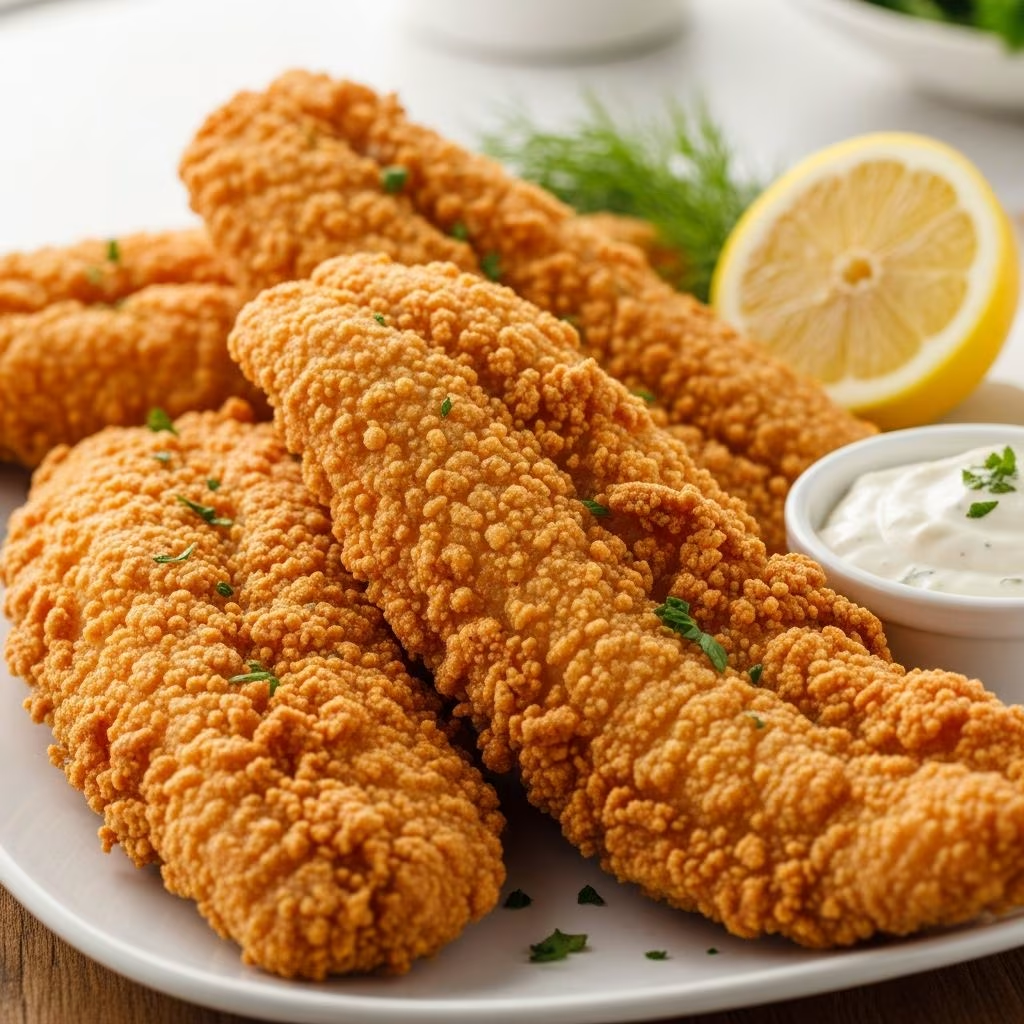
Indulge in the timeless delight of crispy buttermilk fried catfish, a cornerstone of Southern cooking that delivers a perfect balance of crunch and tenderness. This dish transforms simple catfish fillets into a golden masterpiece through a meticulous process of brining, seasoning, and frying. Whether you’re hosting a fish fry or craving comfort food, this recipe guarantees restaurant-quality results right in your kitchen.
Why Buttermilk Makes All the Difference
Buttermilk serves as the secret weapon in achieving that irresistible crispiness. Its acidity tenderizes the fish while infusing it with subtle tanginess that cuts through the richness of frying. The proteins in buttermilk help the breading adhere firmly, preventing it from slipping off during cooking. Additionally, it neutralizes any off-flavors often found in freshwater fish like catfish, resulting in a cleaner, more appealing taste.
Marinating in buttermilk for at least 30 minutes—or up to overnight—allows the flavors to penetrate deeply. For extra assurance, start with a preliminary soak in a vinegar-lemon-water solution to remove impurities, a technique rooted in traditional Southern preparation methods.
Selecting the Best Catfish for Frying
Choose fresh catfish fillets that are firm, translucent, and free from strong odors. Aim for 1-2 pounds to serve 4-6 people, with each fillet about 4-6 ounces. Skin-on fillets hold up better in the fryer, but skinless ones work if patted extra dry. Wild-caught catfish from rivers like the Mississippi offer superior flavor compared to farm-raised varieties, though both can shine with proper prep.
- Freshness indicators: Bright eyes (if whole), moist flesh, mild scent like clean water.
- Storage tip: Keep refrigerated and use within 1-2 days, or freeze for up to 3 months.
- Portion guide: 6-8 oz per person for a hearty main dish.
Essential Ingredients for Authentic Flavor
Gather these pantry staples and fresh items to recreate the bold, spicy profile of Southern fried catfish. Measurements are scalable for larger batches.
| Component | Ingredients | Quantity |
|---|---|---|
| Brine | Buttermilk, hot sauce, lemon juice, garlic (minced), salt | 1.5 cups buttermilk, 1/4 cup hot sauce, 2 tbsp lemon juice, 2 cloves garlic, 1 tsp salt |
| Seasoning Rub | Mustard, Old Bay, lemon pepper, garlic powder, onion powder, seasoned salt, black pepper | 2 tbsp mustard, 1 tsp each of spices |
| Breading | Cornmeal, flour, smoked paprika, cayenne, garlic/onion powder, salt, pepper | 1.75 cups cornmeal, 1/4 cup flour, 1 tbsp paprika, 1/2 tsp cayenne |
| Frying | Vegetable, peanut, or canola oil | 4-5 cups (2-3 inches deep in pan) |
Customize heat levels by adjusting cayenne or hot sauce. For a milder version, omit cayenne and use mild hot sauce.
Step-by-Step Preparation Guide
Initial Brine (30 minutes): Whisk buttermilk, hot sauce, lemon juice, and minced garlic. Submerge fillets, cover, and refrigerate. This step draws out impurities and tenderizes.
Rinse and Dry: Remove fish, rinse under cold water, and pat thoroughly dry with paper towels. Excess moisture leads to soggy breading.
Season the Fillets: Coat with yellow mustard as a binder, then sprinkle Old Bay, lemon pepper, garlic powder, onion powder, seasoned salt, and black pepper. Let sit 10-15 minutes for flavors to meld.
Prepare Wet Batter (Optional): Mix 1 cup buttermilk, 2 tbsp hot sauce, 1 tbsp Worcestershire, and 2 eggs. Dip seasoned fillets here for extra adhesion before breading.
Mix Dry Breading: Combine cornmeal, flour, salt, pepper, smoked paprika, cayenne, garlic powder, onion powder, and celery salt in a shallow dish.
Heat Oil: Pour oil into a cast-iron skillet or deep fryer to 1.5-2 inches deep. Heat to 350°F (175°C)—use a thermometer for precision. Oil at the right temperature ensures even cooking without greasiness.
Bread and Fry: Dredge fillets in breading, pressing gently. Fry in batches, 3-4 minutes per side until deep golden brown and internal temp reaches 145°F. Avoid overcrowding.
Drain and Rest: Transfer to a wire rack over a baking sheet. This keeps the crust crisp by allowing steam to escape.
Pro Tips for Restaurant-Worthy Results
- Temperature Control: Maintain 350°F; too low makes it greasy, too high burns the coating.
- Double Dredge: For ultra-crispy, dip back in wet batter then breading again.
- Oil Choice: Peanut oil withstands high heat best; canola is a budget-friendly alternative.
- Avoid Sogginess: Never cover fried fish with foil; use a rack instead.
- Make-Ahead: Brine up to 24 hours ahead; bread just before frying.
Test doneness by flaking easily with a fork—internal temp should hit 145°F per FDA guidelines for safe consumption.
Flavor Variations to Suit Your Taste
Elevate the classic with these twists:
- Spicy Cajun: Add 1 tbsp Cajun seasoning and extra cayenne to breading.
- Herb-Infused: Mix in Italian seasoning or fresh thyme to buttermilk.
- No Cornmeal: Use panko or crushed saltines for a lighter crunch.
- Baked Version: Spray breaded fillets with oil and bake at 425°F for 20 minutes, flipping halfway—healthier with 70% less fat.
- Gluten-Free: Swap flour for rice flour or almond meal.
Perfect Pairings and Serving Suggestions
Serve hot with traditional Southern sides for a complete meal:
- Hushpuppies: Cornmeal fritters fried alongside.
- Coleslaw: Creamy or vinegar-based for crunch and tang.
- Fries or Okra: Fried green tomatoes add acidity.
- Sauces: Tartar, comeback sauce, or spicy remoulade. Lemon wedges essential.
Pair with sweet tea, beer, or Chardonnay. For gatherings, plan 1 lb fillets per 4 guests.
Common Mistakes and How to Fix Them
| Mistake | Why It Happens | Solution |
|---|---|---|
| Soggy Breading | Excess moisture or low oil temp | Pat dry thoroughly; fry at 350°F |
| Falling-Off Coating | No binder or rushed dredging | Use mustard/egg wash; press breading firmly |
| Fishy Taste | Improper brining | Double soak in vinegar-lemon water first |
| Uneven Cooking | Overcrowded pan | Fry in small batches |
Nutrition and Dietary Notes
One 6-oz fried fillet: ~350 calories, 20g protein, 25g fat (mostly from oil), 15g carbs. High in omega-3s and B12. For lower calories, air-fry or bake. Consult USDA for full breakdown.
Frequently Asked Questions
Can I use frozen catfish?
Yes, thaw completely in fridge overnight, then pat extra dry to remove water.
How long does fried catfish last?
Refrigerate up to 3 days; reheat in 350°F oven for crispiness. Freeze breaded uncooked up to 2 months.
What’s the best oil for frying catfish?
Peanut or canola for high smoke point; vegetable oil works in pinch.
Is buttermilk necessary?
Essential for tenderness and adhesion; substitute with milk + 1 tbsp vinegar if needed.
How do I know when it’s done frying?
Golden brown, flakes easily, 145°F internal temp.
References
- Spicy Buttermilk Fried Catfish Recipe — Hungry Mockingbird Substack. 2023. https://hungrymockingbird.substack.com/p/spicy-buttermilk-fried-catfish-recipe
- Crispy Southern Fried Catfish Recipe — Island Vibe Cooking (YouTube). 2023. https://www.youtube.com/watch?v=7fsS-eAruNo
- Crispy Fried Catfish (Grandma’s Recipe) — Britney Breaks Bread. 2024-01-15. https://britneybreaksbread.com/fried-catfish/
- Southern Fried Catfish Recipe — Pink Owl Kitchen. 2023. https://pinkowlkitchen.com/southern-fried-catfish-recipe/
- Southern Fried Catfish — JCP Eats. 2023. https://jcpeats.com/all-posts/southern-fried-catfish/
- Southern Fried Catfish — African Bites. 2023-05-20. https://www.africanbites.com/southern-fried-cat-fish/