Pasta stands as a cornerstone of global cuisine, yet not all varieties deliver the same satisfaction in texture and taste. The key to exceptional meals lies in discerning high-quality options through careful label reading and production insights. This guide empowers you to navigate supermarket aisles confidently, focusing on factors like wheat type, processing techniques, and brand reliability for pasta that enhances any recipe.
Understanding Pasta Fundamentals
At its core, superior pasta derives from durum wheat semolina, prized for its high gluten content that ensures firmness during cooking. Durum wheat, a hard variety, forms the backbone of traditional Italian styles, providing the resilience needed for al dente perfection. Softer wheats lead to quicker breakdown and mushy results, undermining sauce adhesion.
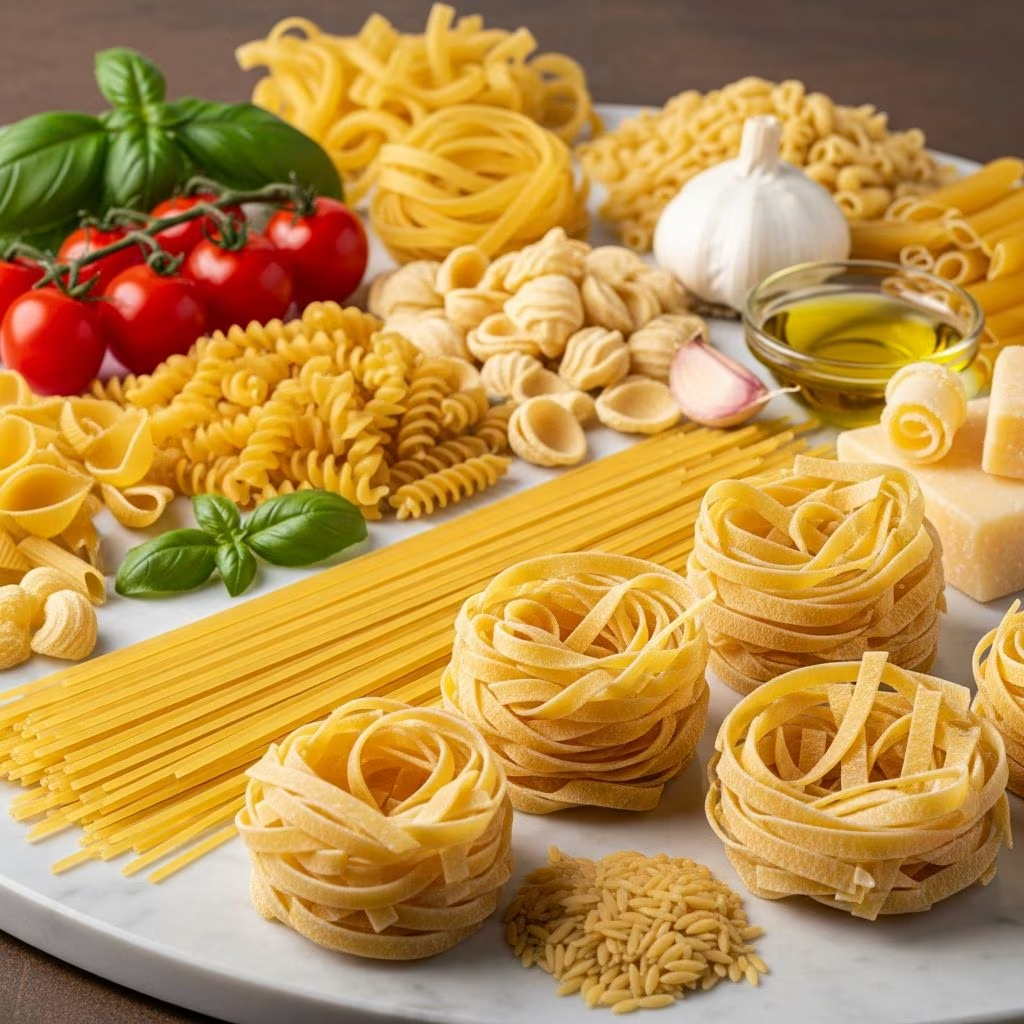
Pasta falls into primary categories based on composition and use. Durum wheat pasta dominates shelves in shapes like spaghetti, penne, and fusilli, ideal for everyday meals. Egg-enriched versions suit wider noodles such as tagliatelle or lasagne sheets, offering richness for baked or creamy dishes. Fresh options, often found at specialty counters, provide immediacy but demand prompt consumption.
Decoding Package Labels for Quality
Labels reveal production secrets. Seek “semola di grano duro” or “durum wheat semolina” as the sole ingredient, avoiding flours or additives that dilute strength. Protein levels, listed on the back, signal durability—aim for 13% or higher to guarantee structure under heat.
- Ingredient Purity: 100% durum semolina ensures robust gluten networks.
- Protein Threshold: 13-14% prevents softening, vital for pan-finishing.
- Absence of Fillers: No wheat flour or starches maintains consistency.
European regulations mandate origin disclosure, highlighting Italian or regional grains. Organic certification adds assurance, though select ancient grains may surpass it in flavor profile without formal labels.
Production Techniques That Elevate Pasta
Bronze-die extrusion imparts a rough surface, optimizing sauce grip compared to smooth Teflon alternatives. This traditional method, using bronze plates, creates microscopic ridges for better emulsion integration.
Slow-drying at low temperatures preserves protein integrity and natural hue, yielding straw-yellow tones rather than industrial pallor. High-heat processes sacrifice nuance for speed, resulting in brittle or bland products.
| Technique | Benefit | Visual Cue |
|---|---|---|
| Bronze-Cut | Enhanced sauce adhesion | Rough, matte texture |
| Slow-Dried | Preserved flavor, firmness | Golden, opaque color |
| Teflon-Die | Smooth finish | Glossy, slippery surface |
Navigating Supermarket Choices
Standard stores stock reliable basics, but premium sections harbor standouts. Whole Foods offers consistent quality across private labels and imports. Consistency in shape uniformity and color depth indicates meticulous milling.
In the U.S., artisanal producers leverage local organics, minimizing transport while maximizing freshness. Italian imports carry PGI designations, like Gragnano, enforcing rigorous standards from grain to extrusion.
Top Recommended Brands Ranked
Brands distinguish themselves through protein specs, cutting methods, and drying protocols. Here’s a curated ranking based on these criteria:
- Pasta Martelli: Exemplifies excellence with premium semolina, bronze cutting, and slow drying for unparalleled bite.
- Sfoglini: American innovator using organic, locally milled grains for sustainable, textured results.
- Rummo: Artisanal favorite with high protein and resilient structure.
- De Cecco: Widely available with solid 13% protein and bronze process.
- Barilla: Dependable budget option, though smoother finish limits premium appeal.
Budget picks like Ronzoni suffice for casual use but falter in demanding recipes. Lidia Bastianich’s line and Whole Foods 365 provide accessible quality upgrades.
Visual and Tactile Inspection Tips
Examine uncooked pasta closely. Quality strands show even thickness, no breakage, and a porous feel. Color should be warm amber, not stark white, reflecting whole semolina use. Break a piece: it should snap cleanly without crumbling.
- Porosity test: Run fingers along edges for traction.
- Color check: Vibrant gold signals slow processing.
- Flex test: Slight bend without shattering.
Matching Pasta to Dishes
Shape influences performance. Long strands like spaghetti pair with light oils, while tubes like rigatoni trap chunky sauces. High-quality bases amplify these synergies, holding integrity across cooking methods.
For aglio e olio, resilient bronze-cut spaghetti clings to garlic and chili. Baked lasagne demands egg pasta layers that withstand oven moisture without disintegrating.
Frequently Asked Questions
What protein level indicates good pasta?
Target 13% or above for optimal gluten strength and al dente texture.
Why choose bronze-cut over smooth pasta?
Bronze imparts roughness for superior sauce coating and mouthfeel.
Are organic grains always superior?
They offer purity, but ancient Italian varieties often excel in taste without certification.
How does drying affect quality?
Slow drying retains nutrients and color, unlike fast methods that compromise flavor.
Can I find premium pasta in regular supermarkets?
Yes, look for De Cecco or Barilla, but specialty stores expand options like Sfoglini.
Storage and Shelf Life Insights
Store in cool, dry places to prevent moisture absorption. Quality pasta lasts 2-3 years unopened, but inspect for pests. Airtight glass elevates preservation over plastic.
Sustainability in Pasta Production
Opt for brands sourcing local grains to reduce carbon footprints. Sfoglini exemplifies km0 principles with North American organics, blending ethics and excellence.
Experimenting with Imports vs. Domestic
Italian PGI pastas guarantee tradition, while U.S. artisans innovate. Test side-by-side: note texture differences in identical sauces.
References
- A Guide to Buying Pasta — Valentina Solfrini, L’Appetito. 2023-10-15. https://lappetito.substack.com/p/a-guide-to-buying-pasta
- The Best Store-Bought Pasta Brand You Can Buy — Francesca Zani, Delish. 2024-05-20. https://www.delish.com/kitchen-tools/kitchen-secrets/a65807207/the-best-store-bought-pasta-brand/
- Ranking Italian Pasta Brands (From Worst to Best) — Vincenzo’s Plate. 2023-08-10. https://www.vincenzosplate.com/ranking-italian-pasta-brands/