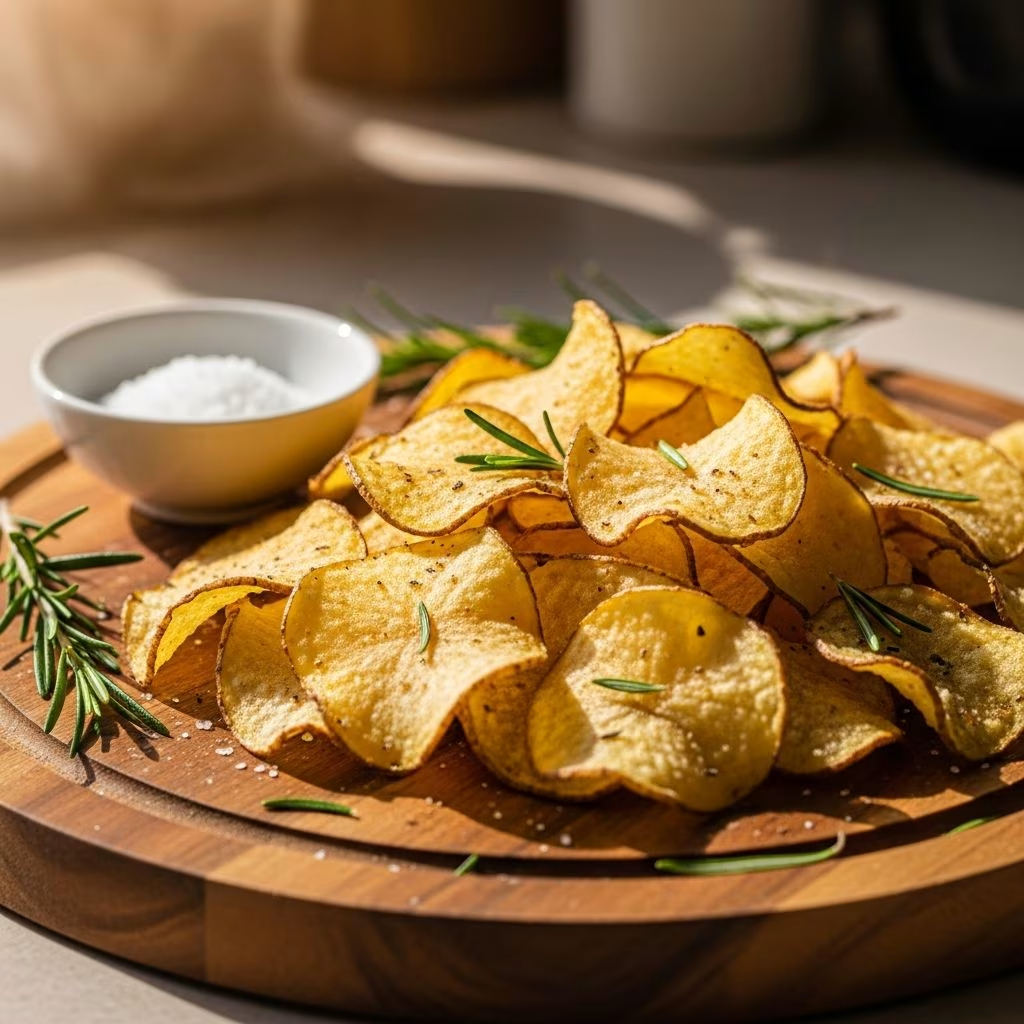
Creating homemade potato chips in an air fryer transforms a simple snack into a culinary achievement. Unlike traditional deep frying, which requires large quantities of oil and careful temperature management, air frying delivers crispy, golden results with a fraction of the fat content. This guide walks you through every step of the process, from selecting the right potatoes to achieving the perfect crunch that rivals store-bought varieties.
Understanding the Foundation: Potato Selection and Preparation
The journey to exceptional air fryer potato chips begins with selecting appropriate potato varieties. Different potatoes contain varying starch levels, which directly affects the final texture of your chips. Russet potatoes, known for their higher starch content, tend to produce particularly crispy results. Yukon Gold potatoes offer a creamier interior with a satisfying crunch, while red potatoes provide a waxy texture that some prefer. The choice depends on your personal preference for chip texture and flavor profile.
Once you’ve selected your potatoes, proper cleaning sets the stage for quality chips. Scrub the potatoes thoroughly under running water using a vegetable brush to remove any dirt or debris. Unlike peeled chips, leaving the nutritious potato skin intact adds visual appeal and retains valuable nutrients. The skin also contributes to structural integrity during the cooking process, helping chips maintain their shape and crispness.
Achieving the Ideal Thickness: Slicing Techniques
Consistency in slice thickness represents one of the most critical factors in creating evenly cooked, uniformly crispy chips. A thickness of approximately 1/16 inch to 1/8 inch works best, though preferences vary based on desired crunchiness. Thinner slices produce delicate, paper-thin chips that shatter when bitten, while slightly thicker cuts maintain a more substantial texture.
Several tools facilitate precise slicing:
- Mandoline slicers – Offer adjustable thickness settings for consistent results across all slices
- Vegetable peelers – Create thin ribbons suitable for chip preparation
- Sharp knives – Require skill and practice but work effectively when used carefully
- Food processors – Feature slicing attachments that deliver uniform thickness quickly
When using a mandoline, exercise caution to prevent finger injuries. Many cooks recommend cut-resistant gloves for added safety. Discard the smaller end pieces that result from slicing, as these tend to cook unevenly and may burn before larger pieces finish cooking.
The Starch Removal Process: Soaking Strategy
Opinions vary within the cooking community regarding whether soaking potatoes in water before air frying yields meaningful benefits. Starch removal through soaking aims to reduce the sticky coating that can cause chips to clump together during cooking. Some home cooks report that soaked potatoes produce noticeably crispier results, while others find minimal difference after testing multiple batches.
For those who choose to soak, here’s the recommended approach: Place sliced potatoes in a bowl of cold water and swirl them around with your hands to dislodge surface starch. Drain the water, which will appear cloudy from the released starch. Repeat this rinsing process with fresh cold water. For enhanced results, transfer the rinsed potatoes to a bowl of ice water and let them sit for approximately 10 to 20 minutes. This extended soaking period allows additional starch to dissolve. After soaking, drain thoroughly and pat the potatoes completely dry using paper towels. Excess moisture inhibits crisping, making thorough drying essential regardless of whether you choose to soak.
Seasoning and Oil Application: Building Flavor
The balance between oil and seasonings dramatically influences both the texture and taste of your finished chips. Oil spray works more effectively than liquid oil poured directly onto potatoes, as it distributes evenly across all surfaces without creating wet pooling. A light coating ensures crispy results without excessive greasiness.
Recommended seasoning approach:
- Place sliced, dried potatoes in a large mixing bowl
- Spray lightly with olive oil spray while tossing with tongs or your hands
- Sprinkle salt evenly across the potatoes
- Toss again to distribute salt uniformly
- Repeat the spray and toss process if desired for additional oil coverage
Beyond basic salt, creative seasoning combinations enhance flavor variety. Ground black pepper, garlic powder, onion powder, paprika, and ground cumin all pair beautifully with potatoes. Apply these seasonings after oiling to ensure they adhere properly. Some cooks prefer adding seasonings after cooking to prevent burning during the air frying process.
Air Fryer Configuration and Batch Management
Proper arrangement in the air fryer basket directly determines whether your chips cook evenly or develop unevenly browned spots. The ideal configuration involves arranging sliced potatoes in a single layer with minimal overlapping. Chips that overlap stack on top of one another, causing the bottom surfaces to steam rather than crisp. This layering prevents proper air circulation, the fundamental mechanism that creates the characteristic crunch of air-fried foods.
Working in multiple batches rather than attempting to cram maximum potatoes into one batch produces superior results. Most home cooks find that two to four batches are necessary for preparing chips from a few medium potatoes. Some air fryer models accommodate only one potato’s worth of chips in a single batch, while larger capacity models handle more. Pre-heating the air fryer for five minutes before introducing potatoes helps establish consistent cooking conditions.
Temperature and Timing Guidelines
Temperature settings for air fryer potato chips typically range from 325°F to 400°F, with different recipes offering varying recommendations. A moderate temperature of 325°F to 340°F provides reliable results for most home cooks, allowing gradual crisping that minimizes burning risk. Some recipes suggest starting at lower temperatures (200°F) for initial cooking, then raising heat for finishing.
Typical cooking timeline:
- Initial phase (10-15 minutes): Chips develop golden coloring and begin crisping
- Monitoring phase (every 5 minutes): Toss, flip, and redistribute chips to ensure even cooking
- Adjustment phase (2-5 minute increments): Continue cooking after removing finished chips until remaining chips reach desired crispness
- Finishing phase (optional, reduced heat): Lower temperature to 280°F for final drying if chips remain slightly chewy
Total cooking time typically ranges from 20 to 25 minutes, though variations occur based on potato thickness, moisture content, and individual air fryer performance. Never leave the air fryer unattended during cooking, as timing precision prevents both undercooked soggy chips and overcooked burnt ones.
The Critical Flip and Toss Routine
Every five to seven minutes throughout the cooking process, pause the air fryer and actively redistribute the chips. Open the basket and use tongs to flip individual chips and separate those that have begun sticking together. This intervention prevents uneven cooking where bottom surfaces remain pale and chewy while top surfaces burn. The constant movement ensures all surfaces receive direct exposure to the circulating hot air that defines air frying technology.
As chips finish cooking at different rates, remove golden-brown, crispy pieces to a serving plate while leaving less-cooked slices in the basket for additional time. This selective removal prevents perfectly cooked chips from becoming overdone while allowing slower-cooking pieces to reach optimal crispness.
Evaluating Doneness and Final Adjustments
Recognizing when chips have reached perfect doneness comes through visual inspection and texture testing. Golden-brown edges and a consistent color across most of the chip surface indicate readiness. The chips should snap cleanly when bent, with no flexibility or chewiness remaining. Fresh-from-the-fryer chips continue crisping slightly as they cool to room temperature, so removing them moments before they feel completely crunchy prevents overdrying.
If chips emerge from the air fryer still somewhat chewy despite reaching a golden color, several adjustments address this issue. Removing chips to cool completely often resolves minor chewiness, as residual moisture evaporates during the cooling process. For persistently chewy chips, return them to the air fryer at 280°F for an additional two to five minutes, checking frequently to prevent burning.
Storage and Longevity Considerations
Homemade air fryer potato chips maintain their crispness best when stored in airtight containers at room temperature. Glass containers with sealing lids work effectively, as do resealable plastic containers designed for food storage. Avoid storing chips in paper bags or cloth containers, which allow moisture to penetrate and soften the chips. Proper storage extends shelf life to two to three days, though most cooks find homemade chips disappear within hours due to their superior taste compared to store-bought alternatives.
Troubleshooting Common Challenges
| Issue | Likely Cause | Solution |
|---|---|---|
| Soggy, chewy chips | Insufficient drying after soaking; excessive overlapping | Pat potatoes completely dry; arrange in single layer; reduce batch size |
| Unevenly cooked chips | Irregular slice thickness; insufficient tossing | Use mandoline for consistent thickness; flip and redistribute every 5 minutes |
| Burnt or blackened chips | Temperature too high; cooking time excessive | Lower temperature to 325°F; remove chips sooner; monitor closely |
| Chips sticking together | Oil residue; overlapping slices | Ensure single-layer arrangement; separate chips frequently during cooking |
Frequently Asked Questions
Can I make chips without soaking the potatoes?
Yes. While some cooks report enhanced crispness with soaking, testing has demonstrated that properly dried, unsalted potatoes produce acceptable results without this step. The key factor remains thorough drying after any water contact, whether from soaking or rinsing.
What potato variety works best?
Russet potatoes consistently produce the crispiest results due to their high starch content. Yukon Gold potatoes offer excellent flavor and still achieve good crispness. Red potatoes work but produce a waxier texture that some prefer and others find less crispy than starch-rich varieties.
How much oil do I actually need?
A light coating is sufficient. Typically one tablespoon of oil spray per potato batch ensures adequate coverage without creating greasy chips. The goal involves moistening all surfaces rather than saturating the potatoes.
Can I add seasonings before cooking?
Salt adheres well when applied before cooking, but some seasonings, particularly garlic powder and paprika, can burn at high temperatures. Apply delicate seasonings after cooking for best results, or use lower temperatures if you prefer pre-cooking seasoning application.
Why are my chips cooking unevenly?
Uneven thickness causes the most common problems. Ensure all slices have consistent dimensions using a mandoline. Additionally, regular tossing and flipping during cooking distributes heat exposure evenly.
Expanding Your Air Fryer Chip Repertoire
Once you master basic potato chips, experimentation opens new possibilities. Sweet potato chips follow similar techniques but may require slightly longer cooking times due to higher moisture content. Vegetable chips using beets, carrots, or zucchini apply the same fundamental principles with minor adjustments for each vegetable’s unique properties. Seasoning variations—from ranch flavoring to barbecue spice blends—personalize your homemade chips beyond simple salted varieties.
Air fryer potato chips represent an accessible entry point into healthier snacking without sacrificing the satisfying crunch that makes chips enjoyable. By understanding the relationship between moisture content, oil application, temperature, timing, and active kitchen management, home cooks consistently produce restaurant-quality results that surpass store-bought alternatives in both flavor and freshness.
References
- Air Fryer Potato Chips — Preppy Kitchen. Accessed April 2026. https://preppykitchen.com/air-fryer-potato-chips/
- Air Fryer Potato Chips — Well Plated. Accessed April 2026. https://www.wellplated.com/air-fryer-potato-chips/
- Homemade Air Fryer Potato Chips — Feels Like Home. Accessed April 2026. https://feelslikehomeblog.com/homemade-air-fryer-potato-chips/
- Air Fryer Potato Chips Recipe — Momsdish. Accessed April 2026. https://momsdish.com/air-fryer-potato-chips-recipe
- Air Fryer Potato Chips Recipe — Air Fryer World. Accessed April 2026. https://airfryerworld.com/air-fryer-potato-chips-recipe/