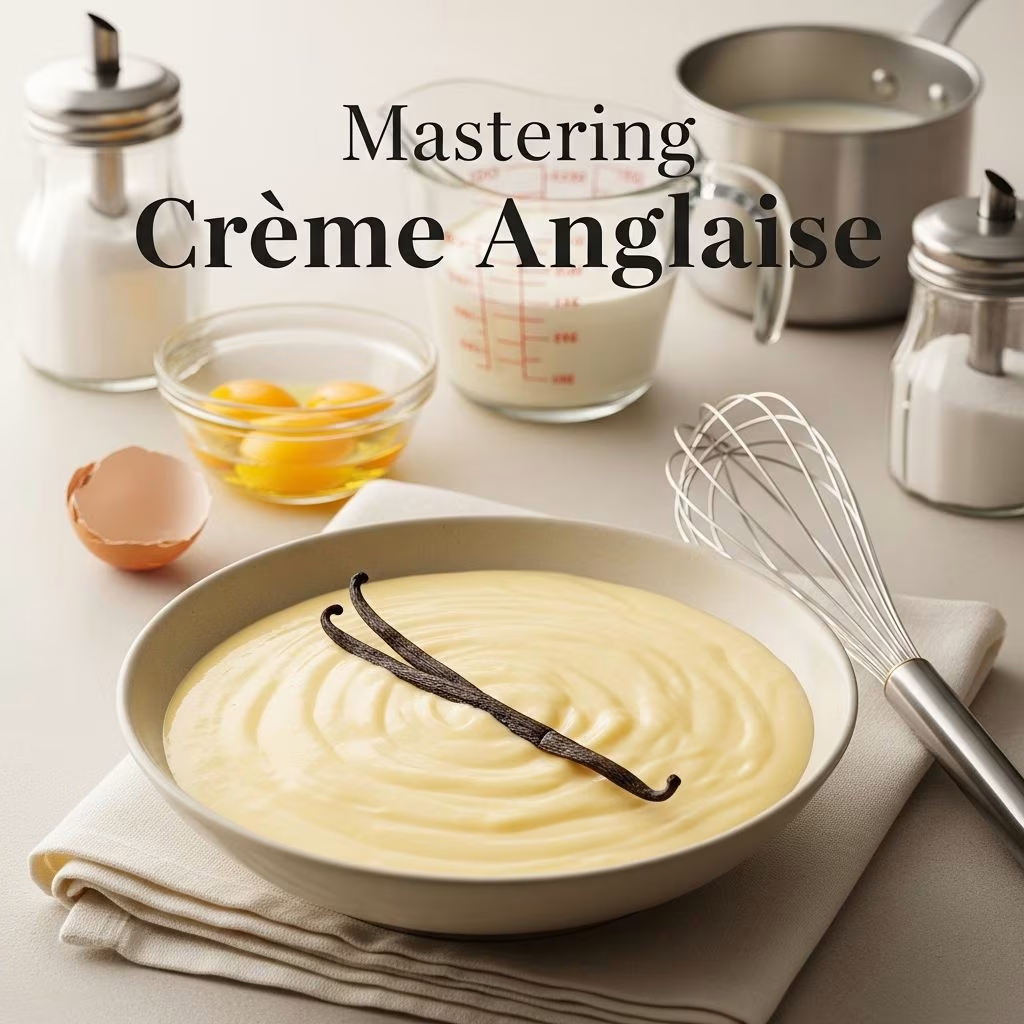
Crème anglaise stands as one of the most elegant and versatile elements in the world of patisserie. This delicate custard sauce, with its pourable consistency and profound vanilla aroma, serves as the foundation for countless desserts. Whether drizzled over fresh fruit, pooled beneath a warm cake, or churned into ice cream, its luxurious texture captivates the palate. Originating from French culinary tradition, it embodies simplicity elevated through precise technique.
Understanding the Essence of Crème Anglaise
At its core, crème anglaise is a stirred custard made primarily from egg yolks, sugar, milk, and cream, infused with vanilla. The magic lies in the coagulation of proteins in the egg yolks, which thicken the mixture without solidifying into a pudding-like state. Unlike thicker custards such as pastry cream, crème anglaise remains fluid, designed to coat the back of a spoon gracefully without breaking.
This sauce traces its roots deep into French gastronomy, with mentions appearing in cookbooks as early as the early 18th century, predating attributions to famed chefs like Antonin Carême. Its name, translating to ‘English cream,’ sparks curiosity, possibly nodding to influences from English cream-based desserts. Today, it remains indispensable in professional kitchens and home baking alike.
Key Ingredients for Success
Selecting premium components ensures a superior result. Here’s a breakdown:
- Egg Yolks: The star thickener, providing richness and golden hue. Use fresh, large yolks; aim for one per 100ml of liquid for optimal consistency.
- Sugar: Granulated white sugar works best, whisked with yolks to create a pale, ribbony mixture that prevents graininess.
- Dairy: A blend of whole milk and heavy cream (50/50) yields luxury; all milk suffices for a lighter version.
- Vanilla: A plump pod, split and scraped, infuses unmatched depth. Bourbon vanilla excels for its floral notes. Extracts serve as alternatives but dilute intensity.
| Ingredient | Classic Ratio (for 500ml) | Notes |
|---|---|---|
| Whole Milk | 250ml | Provides base creaminess |
| Heavy Cream | 250ml | At least 30% fat for velvet texture |
| Egg Yolks | 5 large | Fresh for best emulsification |
| Sugar | 75-110g | Adjust for sweetness preference |
| Vanilla Pod | 1 | Or 2 tsp extract |
Step-by-Step Guide to Perfection
Precision in temperature and movement distinguishes success from scrambled eggs. Follow these steps meticulously.
Infuse the Dairy: Combine milk and cream in a saucepan. Split the vanilla pod lengthwise, scrape seeds, and add both to the liquid. Heat gently to just below simmer (82-84°C or 180-183°F), avoiding boil to preserve smoothness.
Prepare the Yolks: In a bowl, vigorously whisk yolks and sugar until pale, thick, and frothy. This ‘ribbons’ stage incorporates air and dissolves sugar fully.
Temper the Mixture: Gradually pour the hot dairy into the yolk mixture in a thin stream, whisking constantly. This raises yolk temperature slowly, preventing curds.
Cook Gently: Return to low heat. Stir with a spatula in figure-8 motions, ensuring even heating. Cook to 83-85°C (181-185°F) or until it nappes the spatula—coats the back thickly yet flows. Remove immediately.
Strain and Chill: Pass through a fine sieve to remove any bits. Cover surface with plastic wrap and cool rapidly in an ice bath. Refrigerate up to 3 days.
Essential tools include a digital thermometer for accuracy, a heatproof spatula, and a fine-mesh strainer. Wetting the pan base with cold water prevents scorching.
Mastering Temperature Control
The crux of crème anglaise is heat management. Egg yolks coagulate safely between 69-85°C; exceed 85°C, and proteins tighten into lumps. Below 69°C, it stays thin. Use medium-low heat, never boil. If lumps form, blend briefly or strain vigorously. Pro tip: Patience yields creaminess—rushing invites failure.
Flavor Variations to Elevate Your Creations
While vanilla reigns supreme, experimentation delights:
- Chocolate: Whisk in 100g melted dark chocolate post-cooking.
- Coffee: Infuse with 2 tbsp espresso powder or strong brew.
- Citrus: Zest of orange or lemon during infusion.
- Spiced: Cinnamon stick or cardamom pods for warmth.
- Boozy: Stir in rum, Grand Marnier, or bourbon after cooling.
For ice cream base, increase yolks slightly and churn once chilled thoroughly.
Perfect Pairings: Where Crème Anglaise Shines
This sauce transforms ordinary desserts:
- Classic: Île flottante (floating meringue islands).
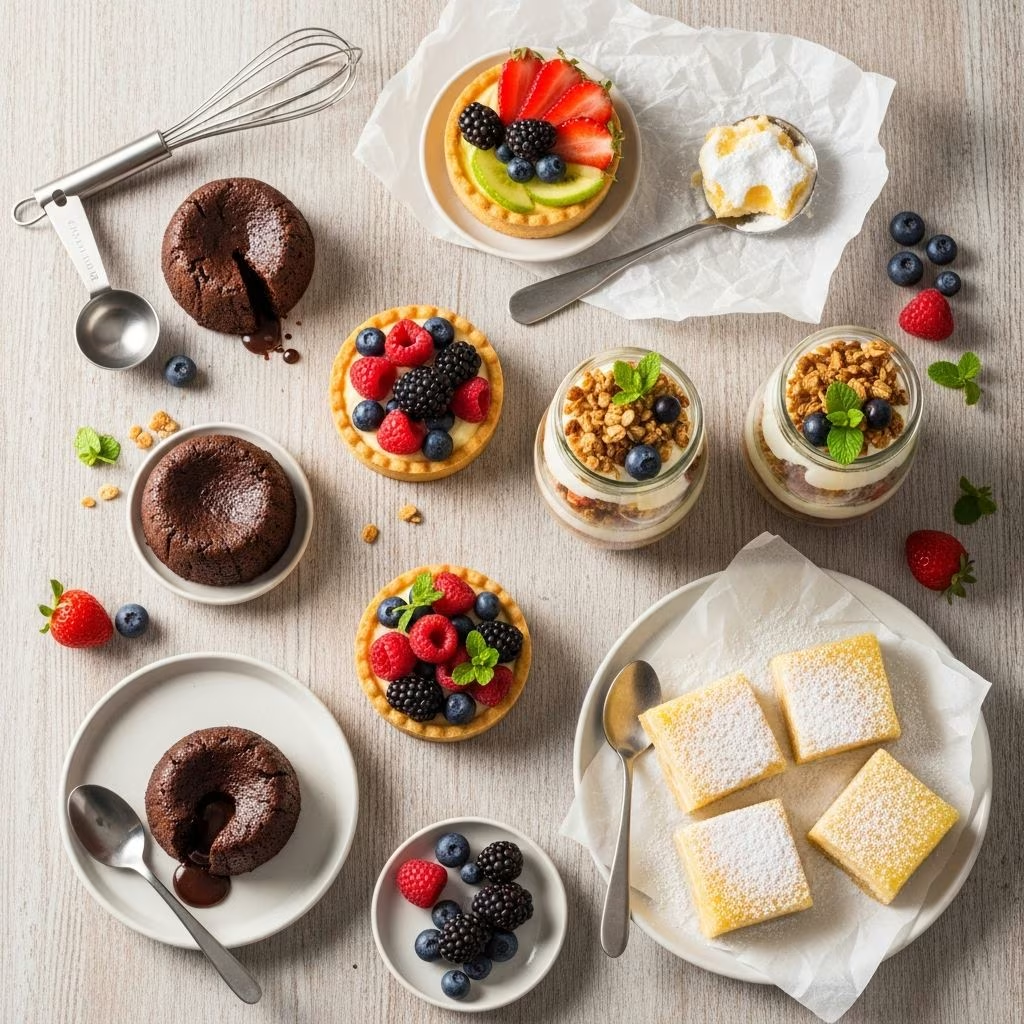
- Decadent: Warm chocolate lava cake or sticky toffee pudding.
- Fruit-forward: Poached pears, berry crumbles, or apple tarte tatin[10].
- Simple: Fresh berries, pound cake slices, or almond cakes.
Serve warm for cakes, chilled for fruits. Its neutrality complements rich chocolates, tart fruits, and nutty pastries alike.
Troubleshooting Common Pitfalls
| Issue | Cause | Solution |
|---|---|---|
| Curdled/Grainy | Overheated | Strain; blend if minor. Prevent with thermometer |
| Too Thin | Undercooked | Reheat gently to 85°C max |
| Skin Forms | Exposed Surface | Plastic wrap directly on top while cooling |
| Eggy Taste | Overbeaten Yolks | Cook quickly post-tempering |
Storage and Make-Ahead Tips
Fresh crème anglaise lasts 3 days refrigerated in an airtight container. Freeze up to 1 month; thaw slowly in fridge and whisk smooth. Avoid reheating above 60°C to prevent separation. Scale recipes easily—double for parties.
Advanced Techniques for Pros
Incorporate gelatin for stability in layered desserts. Sous-vide at precise 82°C ensures foolproof results. Paul Bocuse’s version adds optional crème fraîche for extra opulence. For vegan twists, aquafaba and coconut milk approximate, though texture differs.
FAQ
What if I don’t have a vanilla pod?
Use 1-2 tsp high-quality extract added post-cooking to preserve volatiles.
Can I make it without a thermometer?
Yes, but risky—test by coating a spoon; wipe finger through; if line holds, it’s ready.
Is heavy cream necessary?
No, whole milk works; cream enhances luxury.
How do I fix a broken sauce?
Blend with immersion blender or pass through chinois; chill to reset.
Gluten-free or dairy-free?
Inherently gluten-free. For dairy-free: almond/oat milk + cornstarch thickener.
References
- Crème Anglaise Recipe (French Vanilla Custard Sauce) — La Cuisine de Geraldine. 2023. https://lacuisinedegeraldine.fr/en/creme-anglaise
- Crème Anglaise (Paul Bocuse) — Mes Inspirations Gourmandes. 2021-04-12. https://www.mesinspirationsgourmandes.fr/2021/04/12/creme-anglaise-paul-bocuse/
- Crème anglaise maison à la vanille — Inspiration Gourmande. N/A. https://www.inspirationgourmande.be/recette-creme-anglaise-vanille/
- Recette de Crème anglaise réussie — Marmiton. N/A. https://www.marmiton.org/recettes/recette_creme-anglaise-reussie-onctueuse-a-souhait_37391.aspx
- La Meilleure Recette de la Crème Anglaise — Patissland. N/A. https://patissland.fr/en/blogs/blog-de-recettes-patissland/recette-de-la-creme-anglaise
- Recette Crème Anglaise — L’Atelier des Chefs. N/A. https://www.atelierdeschefs.fr/recettes/4931/creme-anglaise/
- Crème anglaise facile et inratable — Mes Inspirations Culinaires. N/A. https://www.mesinspirationsculinaires.com/article-creme-anglaise-la-vraie-etape-par-etape-107155151.html