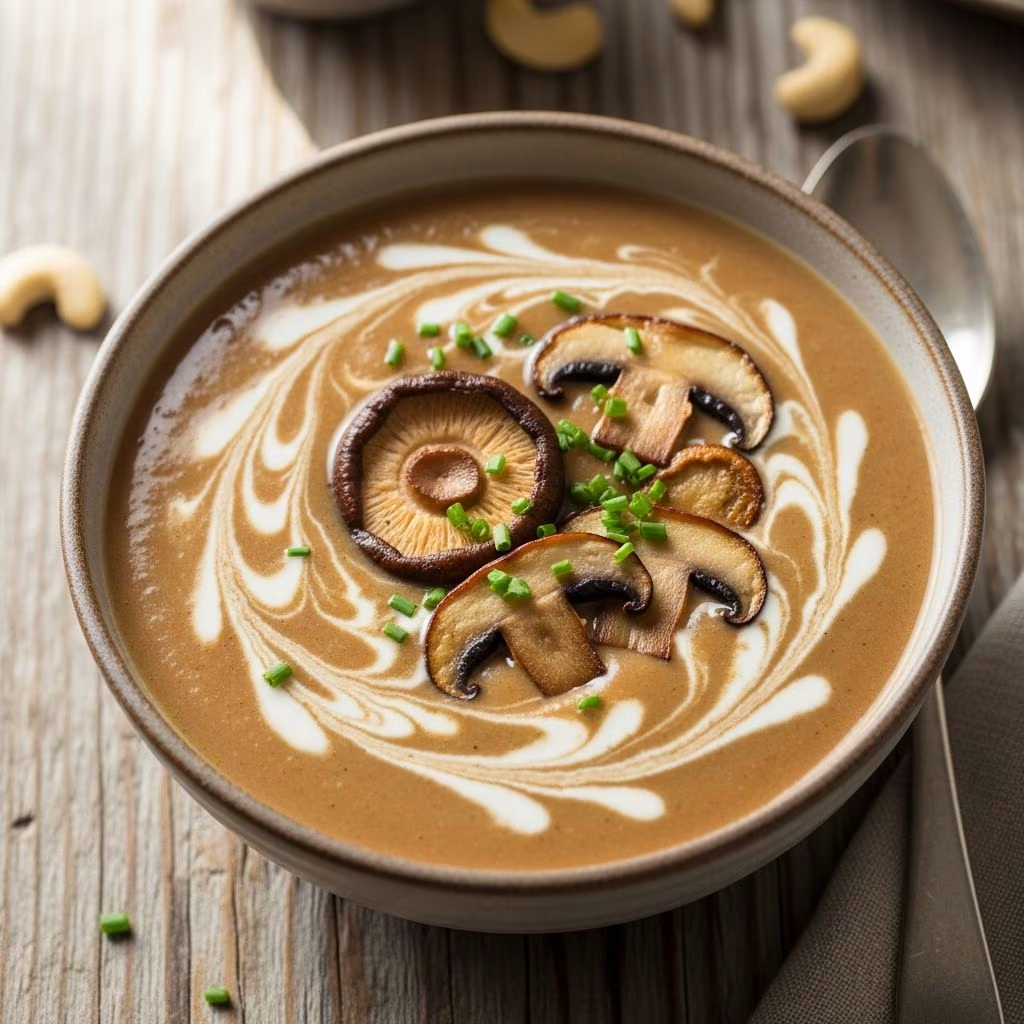
Creating a memorable mushroom soup requires understanding the balance between technique, ingredient quality, and flavor development. Unlike many traditional recipes that rely heavily on dairy cream, contemporary approaches utilize alternative creaming agents that produce equally luxurious results while expanding culinary possibilities. This guide explores the methodology behind developing a sophisticated mushroom soup that showcases the natural umami qualities of mushrooms through layered cooking techniques and complementary ingredients.
Understanding Mushroom Selection and Preparation
The foundation of an exceptional mushroom soup begins with thoughtful ingredient selection. Different mushroom varieties contribute distinct flavor profiles and textural qualities to the final dish. Mixed mushroom combinations offer complexity that single-variety options cannot achieve, creating a more nuanced and interesting soup.
Recommended mushroom varieties include:
- Cremini mushrooms, which provide earthy, robust flavors
- Shiitake mushrooms, offering deeper umami notes and meatier texture
- Oyster mushrooms, contributing delicate, slightly sweet characteristics
- Maitake mushrooms, adding distinctive woodsy undertones
Preparing mushrooms properly influences both texture and flavor extraction. Rather than washing mushrooms under running water, gently wipe them with a damp cloth or soft brush to remove surface debris while preserving their natural moisture and delicate structure. Cut mushrooms into bite-sized pieces that will break down during cooking while maintaining enough substance to contribute textural interest to the finished soup.
The Aromatic Foundation and Initial Cooking Stages
Every exceptional soup begins with building an aromatic base that develops foundational flavors. The initial phase involves heating quality olive oil in a substantial pot or Dutch oven over medium-high heat. This step seems straightforward but establishes the temperature and fat composition necessary for proper ingredient interaction.
Begin by adding finely chopped sweet onion and minced shallots to the heated oil, seasoning generously with salt. Salt serves multiple functions at this stage—it draws moisture from the vegetables while simultaneously seasoning them and beginning the flavor-development process. Cook these aromatics while stirring frequently, being attentive to heat management. If the mixture begins browning too quickly, reduce the heat slightly. The goal involves achieving complete softness and translucency within approximately eight to ten minutes, developing the aromatic compounds that form your soup’s backbone.
Once the onion and shallots have achieved the desired softness, add thinly sliced garlic cloves and continue cooking for an additional three minutes. This timing allows the garlic to release its aromatic compounds and soften slightly without developing bitter, burnt flavors that overwrought garlic can produce. The kitchen should now smell unmistakably of caramelized aromatics.
Deglazing and Flavor Concentration
After the aromatics have developed, add dry white wine to the pot. This deglazing step serves important culinary functions beyond simply adding flavor. The acidic wine lifts flavorful browned bits from the pot’s bottom, a process called deglazing, while the alcohol carries aromatic compounds that might otherwise remain dormant. Allow the wine to cook until nearly all liquid has evaporated, approximately one minute, concentrating its flavor and eliminating excess raw alcohol taste.
Many home cooks underestimate this step’s importance, viewing it as optional. However, this concentrated reduction creates depth and complexity that distinguishes restaurant-quality soup from ordinary versions. The time investment is minimal, and the flavor rewards are substantial.
Incorporating Mushrooms and Building the Base Broth
Return the prepared mushrooms to the pot along with five cups of water. For added depth, vegetable or mushroom broth can substitute for or complement the water, though water works effectively, allowing other ingredients to shine. Bring the mixture to a simmer and let it cook gently, allowing the mushrooms to release their umami-rich compounds into the surrounding liquid.
During this simmering phase, the mushrooms gradually soften, their cell walls break down, and their flavors migrate into the broth. This process requires patience—typically ten to fifteen minutes—but cannot be rushed without compromising the final texture and flavor complexity. The broth gradually transforms from clear to cloudy, developing increasingly deep coloration as mushroom solids distribute through the liquid.
The Creaming Agent: Cashews and Miso
Creating luxurious creaminess without dairy demands understanding the properties of alternative creaming agents. Raw cashews provide both textural richness and subtle sweet notes when properly processed, while miso paste contributes umami depth and salty complexity that mimics the savory character provided by cream and cheese in traditional recipes.
Soaking raw cashews in warm water for fifteen to twenty minutes before blending softens their cellular structure, making them far easier to puree into a smooth consistency. This preliminary softening prevents the blender from working excessively hard and ensures even, creamy results rather than chunky or grainy texture.
Transfer approximately two cups of the simmering soup (ensuring this portion includes some mushroom solids) to a blender along with raw cashews and miso paste. Puree these ingredients until achieving complete smoothness with no visible cashew particles. The cashews and miso combine to create a pale, creamy base that, when reintroduced to the remaining soup, provides luxurious mouthfeel and sophisticated flavor balance.
Flavor Integration and Final Refinement
Stir the blended cashew-miso mixture back into the remaining soup, combining thoroughly to distribute the creaming agent evenly. Return the pot to a gentle simmer and allow the flavors to meld for an additional ten to fifteen minutes. During this phase, the individual components—the mushroom essence, aromatic notes, and creamy richness—integrate into a harmonious whole greater than its individual parts.
Taste the soup carefully and adjust seasoning as needed, adding salt and freshly ground black pepper according to preference. This final seasoning moment is crucial; waiting until the end to season allows assessment of total flavor without the confusion created by seasoning at multiple stages.
Optional Garlic-Infused Oil Finishing
Many refined versions of this soup include an optional garlic-infused oil component that adds visual interest and aromatic complexity. Gently warm three tablespoons of excellent extra-virgin olive oil in a small saucepan over medium heat, adding thinly sliced garlic cloves, thyme leaves, and freshly cracked black pepper. Allow this mixture to simmer gently for approximately three minutes, until the garlic becomes tender and just begins turning golden at the edges—timing is essential to prevent burnt garlic that would introduce acrid flavors.
Season this infused oil with kosher salt and drizzle it over individual soup portions just before serving. The oil provides luxurious mouthfeel, while the tender garlic pieces and fragrant thyme create textural contrast against the soup’s smooth base.
Serving Suggestions and Garnishing Approaches
The foundation soup pairs beautifully with various garnishing strategies that reflect personal preferences and available ingredients. Consider these complementary additions:
| Garnish Type | Flavor Profile | Textural Contribution |
|---|---|---|
| Crushed pistachios | Nutty, slightly sweet | Crunchy contrast |
| Fresh thyme leaves | Herbaceous, aromatic | Visual sophistication |
| Vegan sour cream drizzle | Creamy, tangy | Smooth richness |
| Hemp hearts | Nutty, slightly earthy | Protein-rich crunch |
| Toasted breadcrumbs | Savory, toasty | Satisfying crispness |
Cooking Techniques and Temperature Management
Successful soup preparation depends on understanding heat management throughout the cooking process. The initial sautéing of aromatics requires medium-high heat to develop proper color and flavor concentration. However, once liquid enters the pot, reducing to gentle simmer temperature prevents excessive evaporation, allows flavors to develop without becoming harsh, and maintains the mushrooms’ appealing texture rather than reducing them to mushy degradation.
A gentle simmer produces small, occasional bubbles breaking the surface, quite different from a rolling boil that would rapidly evaporate liquid and break mushrooms into small fragments. When the blended mixture reintegrates with the remaining soup, maintain this gentle simmer temperature to allow flavors to marry without disturbing the emulsion that provides creaminess.
Ingredient Quality Considerations
The quality differential between excellent and merely acceptable versions of this soup largely depends on ingredient selection. Extra-virgin olive oil contributes more nuanced flavor than refined versions; kosher salt dissolves more evenly than table salt; and fresh garlic and thyme outperform dried or pre-minced alternatives. While these seemingly small distinctions might appear insignificant in recipes with numerous competing flavors, mushroom soup’s relative simplicity means each ingredient’s character directly influences the final result.
Similarly, sourcing genuinely fresh mushrooms from reliable suppliers—farmers markets often provide superior products compared to supermarket varieties held in storage—noticeably improves the depth and brightness of the finished soup. The umami compounds that create mushroom soup’s characteristic richness develop progressively as mushrooms age; extremely fresh specimens possess brighter notes, while slightly older mushrooms contribute more concentrated earthiness.
Frequently Asked Questions
Can this soup be prepared in advance?
Yes, this soup maintains quality when prepared up to three days ahead and stored in refrigerated containers. The flavors actually improve slightly as components continue blending during storage. Reheat gently over medium heat, stirring occasionally, until the soup reaches desired temperature. The garlic-infused oil finish should be prepared fresh immediately before serving to maintain optimal texture and aroma.
What substitutions work for cashews?
Blanched almonds or sunflower seeds create acceptable alternatives, though the final texture and subtle flavor will differ slightly. Each substitute requires similar soaking before blending. Coconut milk offers another option, though it introduces distinct coconut flavor that shifts the soup’s overall profile considerably.
Does this recipe accommodate dietary restrictions?
The foundation recipe is naturally vegan and plant-based. It can be prepared gluten-free by ensuring all ingredients, particularly miso paste and broth, contain no gluten additives. Those with tree nut allergies should explore alternative creaming agents in consultation with appropriate dietary resources.
How does miso contribute to flavor development?
Miso paste contains natural glutamates that trigger umami sensations on the palate, the same savory quality found in aged cheeses, tomatoes, and mushrooms themselves. This flavor amplification creates perceived richness that masks the absence of dairy cream. Red miso produces deeper, more assertive flavors, while white miso offers gentler, slightly sweeter characteristics.
Can frozen mushrooms substitute for fresh varieties?
While fresh mushrooms are preferable, frozen specimens work adequately, though some textural degradation occurs from ice crystal formation. Thaw frozen mushrooms completely before cooking and expect slightly softer final texture. The flavor remains largely uncompromised.
Storage and Make-Ahead Strategies
Proper storage extends this soup’s utility and accommodates busy schedules. Refrigerated soup maintains quality for three to four days in airtight containers. Freezing is possible for up to three months, though texture may become slightly grainy upon thawing due to the blended components. Freeze in individual portions for convenient reheating. Thaw overnight in the refrigerator and reheat gently without bringing to a rolling boil, which can further compromise texture.
Scaling the Recipe for Larger Gatherings
This recipe readily scales to larger quantities. Simply multiply all ingredient quantities by the number of servings needed, maintaining the same cooking time intervals since heat distribution increases proportionally with volume. A larger pot may require slightly extended simmering times, but the fundamental process remains unchanged. The garlic-infused oil finish can be prepared in advance and gently warmed before service.
References
- Creamy Mushroom Soup Recipe with Rosemary White Beans — Abbey’s Kitchen. Accessed April 8, 2026. https://www.abbeyskitchen.com/creamy-vegan-mushroom-soup/
- 30-Minute Creamy Vegan Mushroom Soup with Cashews — Two Spoons. Accessed April 8, 2026. https://www.twospoons.ca/vegan-cream-of-mushroom-soup/
- Creamy-ish of Mushroom Soup Recipe — Samsung Food. Accessed April 8, 2026. https://app.samsungfood.com/recipes/107fab97cb54ab24e08b876c3bfc7f9c1c8
- Best Vegan Cream of Mushroom Soup Recipe — Caitlin Iles. Accessed April 8, 2026. http://caitliniles.ca/vegan-creamy-dreamy-mushroom-soup-recipe/