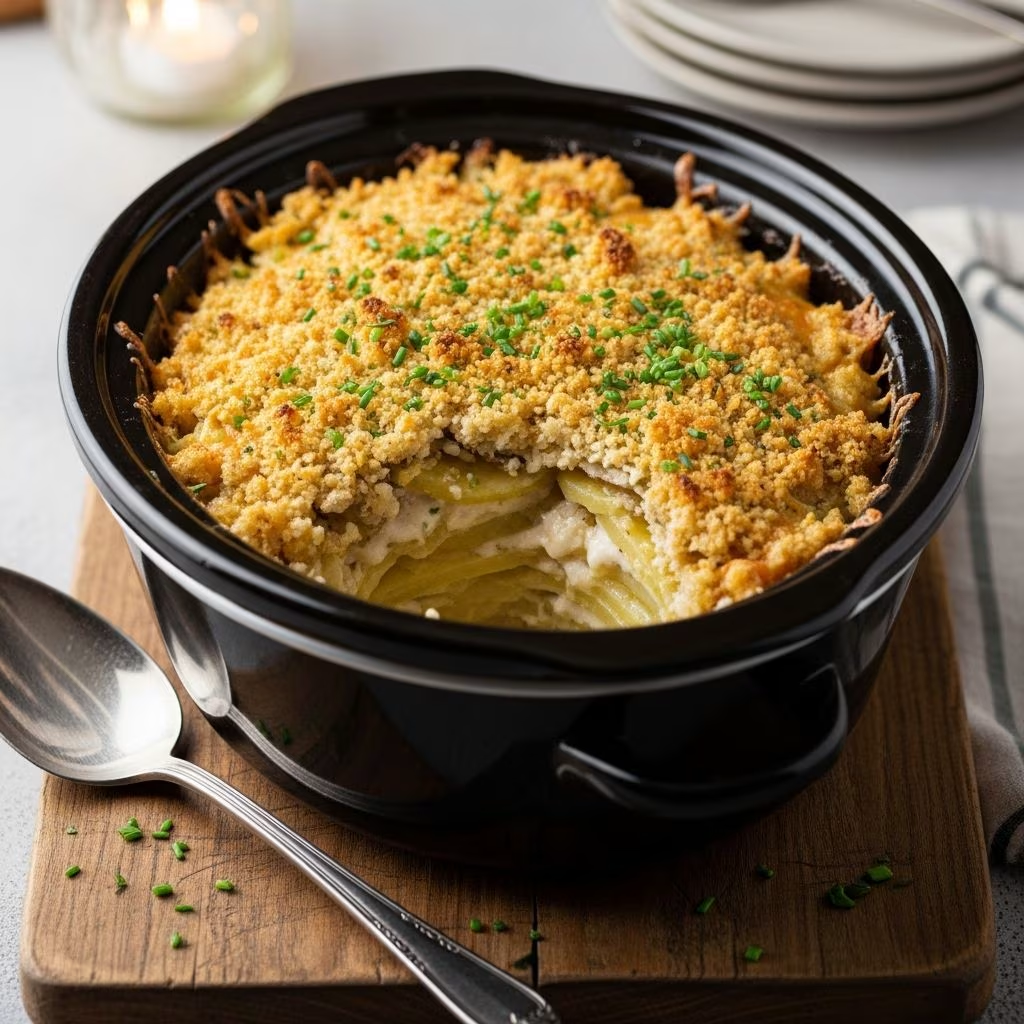
When searching for reliable side dishes that appeal to crowds and require minimal active cooking time, few recipes match the versatility and crowd-pleasing nature of a creamy slow cooker potato casserole. This traditional comfort food has become a staple at gatherings, celebrations, and family meals across North America. The beauty of this dish lies in its straightforward preparation method, forgiving nature, and ability to feed a large number of people without demanding constant attention in the kitchen.
The slow cooker method transforms simple ingredients into a luxuriously creamy and satisfying side dish that complements virtually any main course. Whether you’re preparing for a holiday celebration, coordinating a potluck event, or simply craving a hearty homemade meal, mastering this recipe will provide you with a dependable culinary technique that yields consistent, delicious results.
Understanding the Foundation: Essential Ingredients
The magic of this casserole begins with understanding each component’s role in creating the final product. Unlike more complex recipes that require rare or specialty ingredients, this dish celebrates the power of basic, accessible items that most home cooks keep readily available.
Frozen hash brown potatoes serve as the foundation, providing the textural base and primary substance of the dish. Approximately 1.5 pounds, typically equivalent to two 12-ounce packages, creates the right proportion for a standard slow cooker. One significant advantage is that thawing these potatoes beforehand is unnecessary, streamlining your preparation process considerably.
Dairy components create the creamy texture that defines this casserole. Sour cream, typically one cup, contributes tanginess and richness, while a condensed cream soup—traditionally cream of chicken—adds moisture and subtle flavor depth. Together, these elements form the binding sauce that transforms individual potato pieces into a cohesive, luxurious dish.
Cheese and butter round out the essential ingredients. Sharp cheddar cheese, roughly two cups when shredded, provides the characteristic savory punch and rich flavor, while butter—about half a cup—enhances mouthfeel and contributes to the overall indulgence of the casserole.
Seasonings should be kept simple but effective. Salt, black pepper, and onion powder create a balanced flavor profile that enhances without overwhelming. Many variations also include garlic powder or fresh minced garlic for additional depth.
The Signature Topping Component
What elevates this casserole from merely good to memorable is the topping. Crushed cornflake cereal mixed with melted butter creates a textural contrast that provides crunch against the creamy base. Approximately two cups of cereal combined with half a cup of butter creates sufficient topping for even distribution across the entire casserole.
Preparation Strategies: Two Approaches to Assembly
One of the recipe’s most appealing aspects is its flexibility in preparation method. Depending on your kitchen setup and personal preferences, you can employ one of two distinct approaches.
The Advance Mixing Method
Many cooks prefer mixing ingredients in a separate bowl before transferring to the slow cooker. This approach involves combining the sour cream, condensed soup, and melted butter first, creating a smooth base. Subsequently, fold in the seasonings, ensuring even distribution, then incorporate the shredded cheese. Finally, introduce the frozen hash brown potatoes, stirring thoroughly until every potato piece receives coating from the mixture. Transfer this prepared mixture into a greased slow cooker insert, spreading it evenly for uniform cooking.
This method produces more consistent results because the ingredients reach better integration before slow cooking begins. The sauce components emulsify more thoroughly, and the potatoes receive more even coverage, contributing to superior overall texture and flavor distribution.
The Direct Slow Cooker Method
For those prioritizing simplicity and minimal dishwashing, combining all ingredients directly in the slow cooker is entirely viable. Pour the frozen potatoes into the insert first, then add sour cream, soup, cheese, and seasonings directly into the slow cooker. Mix thoroughly using a silicone spatula until the mixture achieves relative uniformity. While this approach reduces cleanup, the texture may be slightly less consistent throughout the finished dish, as ingredients don’t integrate quite as thoroughly before cooking begins.
Cooking Process and Temperature Management
Successful slow cooker preparation hinges on understanding temperature dynamics and timing. The cooking duration varies significantly depending on your chosen heat setting, reflecting the inverse relationship between temperature and cooking time in slow cooker preparation.
| Heat Setting | Recommended Duration | Notes |
|---|---|---|
| High Temperature | 2.5 to 3 hours | Faster cooking; check around 2 hours to prevent overcooking |
| Low Temperature | 5 to 6 hours | More forgiving timing; better for meal planning flexibility |
After placing the casserole in your slow cooker and setting the appropriate temperature, position the lid securely and allow the cooking process to proceed. Ideally, stir the mixture halfway through the cooking duration to promote even heating and consistent texture development. Individual slow cookers vary in their heating characteristics, so checking the casserole periodically during the cooking process helps ensure optimal results with your specific appliance.
The casserole reaches completion when the potatoes have softened adequately and the surrounding sauce has achieved a creamy consistency. The edges may show slight browning, and the center should feel hot throughout when tested with a utensil.
Creating the Crispy Topping Element
While the casserole cooks, you can prepare the topping that provides the signature textural element distinguishing this dish from ordinary potato casseroles. This step requires minimal time and effort but substantially impacts the final presentation and eating experience.
In a medium skillet over medium heat, melt approximately half a cup of butter. Add the crushed cornflakes—prepare these by placing whole cereal in a bag or food processor and breaking into irregular-sized pieces rather than creating uniform powder. Toss the cornflakes in the melted butter, ensuring even coating throughout the mixture. Continue toasting over medium heat, stirring frequently, until the cereal pieces achieve a golden-brown color and become fragrant, typically requiring five to eight minutes. Exercise caution during this step, as cornflakes burn surprisingly quickly if left unattended, transforming from desirable crunch to unpleasant bitter flavor in moments.
Once the topping achieves the desired color and aroma, immediately transfer it to a plate or shallow bowl, spreading the pieces to cool and prevent continued cooking from residual heat.
Final Assembly and Serving
When the slow cooker indicates that cooking has completed, remove the lid carefully, being mindful of the steam escaping. Spread the toasted cornflake mixture evenly across the top of the hot casserole. Importantly, refrain from replacing the slow cooker lid at this point, as the retained steam would soften the topping, undermining the textural contrast that makes this dish appealing.
Allow the assembled casserole to rest for five to ten minutes before serving. This brief interval permits the topping to set slightly and the entire dish to reach an ideal serving temperature. Serve portions directly from the slow cooker, or transfer to an attractive serving dish for presentation.
Customization and Variation Strategies
While the traditional preparation creates an excellent dish, numerous modifications accommodate different dietary preferences and flavor preferences. Some cooks add fresh minced garlic or onion to the base mixture for intensified savory notes. Others incorporate crispy bacon pieces, diced ham, or crumbled turkey for additional protein and smokiness.
Vegetarian preparations omit meat but remain entirely satisfying. Some variations substitute cream of mushroom soup for the chicken variety, creating earthier undertones. Experimenting with different cheese varieties—such as Gruyère, pepper jack, or a blend of multiple cheeses—permits flavor profile customization.
For texture preferences, some cooks substitute panko breadcrumbs for cornflakes in the topping mixture, creating a different but equally appealing crunch. Others add fresh herbs like chives or parsley, either incorporated into the base or sprinkled as garnish after serving.
Practical Serving Guidance
This casserole functions beautifully as a potluck contribution because it maintains quality and temperature for extended periods when kept warm in the slow cooker. Many venues permit slow cookers to remain turned on during events, allowing attendees to serve themselves while the dish remains at optimal temperature.
For transporting the casserole before an event, prepare and cook it at home, then carefully transfer to an insulated carrying container with towels for cushioning. Upon arrival, transfer the casserole back to a slow cooker set to warm setting to maintain temperature throughout the event.
Individual portion size typically ranges from one to one-and-a-half cups, making a standard preparation sufficient for eight to twelve servings depending on whether the casserole serves as the sole starch component or appears alongside other sides.
Storage and Make-Ahead Considerations
Leftover casserole stores well for three to four days in airtight containers refrigerated. Reheat individual portions in the microwave or transfer remaining casserole to an oven-safe dish and warm at 350°F until heated through. The topping may soften upon reheating, so consider preparing fresh topping if maximum crunchiness is desired for subsequent meals.
Assembling components in advance permits a faster serving day process. Measure and combine the base ingredients in containers the evening before, and mix the topping components at the beginning of the serving day, toasting just before serving for maximum crunch.
Frequently Asked Questions
Can the casserole be prepared without thawing the frozen potatoes first?
Yes, frozen potatoes work directly without thawing. The slow cooking process thaws and cooks them simultaneously. However, ensure adequate liquid in the mixture and extend cooking time by approximately thirty minutes if adding frozen potatoes directly.
What’s the ideal slow cooker size for this recipe?
A six-quart capacity slow cooker accommodates this recipe appropriately, allowing for even cooking and proper heat distribution. Smaller cookers may create crowding and uneven cooking, while significantly larger models may scatter ingredients too thinly.
Can oven preparation replace slow cooker cooking?
Yes, prepare the mixture as outlined and transfer to a greased casserole dish. Bake covered at 350°F for approximately one hour, stirring halfway through. Add the topping during the final ten minutes of baking, or prepare separately and add after baking completes.
How can the casserole be made lighter or healthier?
Substitute reduced-fat sour cream and cheese for full-fat versions, or use evaporated skim milk instead of some sour cream. Reduce butter quantities slightly. Use a lighter topping by baking the cornflake mixture with cooking spray rather than butter.
References
- USDA FoodData Central: Hash Browns, Frozen — U.S. Department of Agriculture. 2024. https://fdc.nal.usda.gov/
- Food Safety and Handling Guidelines for Slow Cooker Preparation — USDA Food Safety and Inspection Service. 2023. https://www.fsis.usda.gov/
- Principles of Safe Food Storage and Reheating — CDC Food Safety. 2024. https://www.cdc.gov/foodsafety/